
The field of regenerative medicine has been revolutionised by a remarkable discovery that fundamentally changed our understanding of cellular potential. Cell iPS, or induced pluripotent stem cells, represent one of the most significant breakthroughs in modern medical science. These laboratory-created cells possess the extraordinary ability to develop into virtually any cell type in the human body, offering unprecedented opportunities for disease modelling, drug discovery, and personalised therapeutic interventions. Unlike embryonic stem cells, which raise ethical concerns, cell iPS technology provides a promising alternative that sidesteps many controversial issues whilst delivering comparable regenerative potential.
Understanding Cell iPS Technology
Cell iPS refers to adult cells that have been genetically reprogrammed to return to an embryonic-like pluripotent state. This transformative process was first achieved by Professor Shinya Yamanaka in 2006, a discovery that earned him the Nobel Prize in Physiology or Medicine in 2012.
The reprogramming process involves introducing specific transcription factors-typically Oct4, Sox2, Klf4, and c-Myc, collectively known as Yamanaka factors-into mature somatic cells such as skin fibroblasts or blood cells. These factors effectively rewind the cellular clock, erasing the specialised identity of the adult cell and restoring it to a pluripotent state capable of differentiating into any cell lineage.
The Reprogramming Process
Creating cell iPS involves several sophisticated steps:
- Cell collection: Mature cells (typically skin fibroblasts or blood cells) are obtained from the patient
- Factor introduction: Reprogramming factors are delivered using viral vectors, plasmids, or synthetic mRNA
- Cellular transformation: Over 2-4 weeks, cells gradually lose their original identity
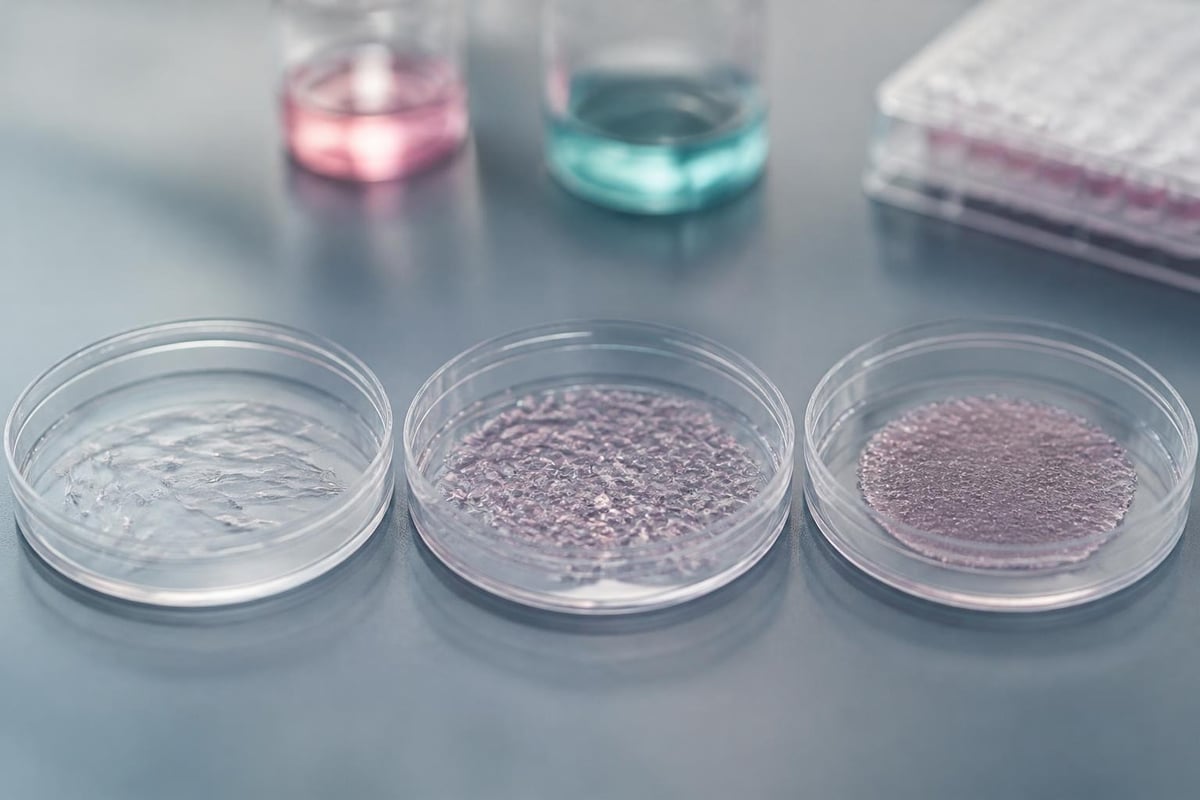
- Colony formation: Small clusters of reprogrammed cells emerge with distinct morphology
- Selection and expansion: Genuine cell iPS colonies are identified and cultured for further use
According to comprehensive research on iPSC production methods, the efficiency of reprogramming varies considerably depending on the cell source, delivery method, and culture conditions. Modern techniques have significantly improved both the speed and reliability of cell iPS generation.
Integration Versus Non-Integration Methods
The delivery method for reprogramming factors significantly impacts cell iPS safety and utility:
| Method Type | Mechanism | Advantages | Limitations |
|---|---|---|---|
| Integrating viral | Retrovirus/lentivirus insertion | High efficiency, reliable | Genomic integration risks |
| Non-integrating viral | Sendai virus, adenovirus | No genomic footprint | Lower efficiency initially |
| Episomal vectors | Plasmid-based delivery | Transient, diluted with division | Multiple transfections needed |
| Synthetic mRNA | Direct factor delivery | Clean, non-integrating | Repeated applications required |
Non-integrating approaches have become increasingly favoured for clinical applications because they eliminate concerns about insertional mutagenesis. The ISSCR Guidelines for Stem Cell Research emphasise the importance of using the safest available methods when generating cell iPS for therapeutic purposes.
Applications in Regenerative Medicine
Cell iPS technology has opened remarkable possibilities across multiple domains of medical research and clinical application. These versatile cells serve as powerful tools for understanding disease mechanisms, screening potential therapies, and developing personalised treatment strategies.
Disease Modelling and Drug Discovery
One of the most valuable applications of cell iPS involves creating patient-specific disease models. Researchers can generate cell iPS from individuals with genetic conditions, then differentiate these cells into the affected tissue types to study disease progression in a dish.
Key advantages of cell iPS disease models include:
- Patient-specific genetic backgrounds that capture individual disease variations
- Access to cell types that would otherwise be impossible to obtain (neurons, cardiac cells)
- Ability to test multiple therapeutic compounds simultaneously
- Reduced need for animal models in early-stage research
For example, recent advances in differentiating iPSCs to cardiomyocytes have enabled researchers to model inherited cardiac conditions and screen drugs for cardiotoxicity more effectively than ever before.
Personalised Cell Therapy Development
Cell iPS hold tremendous promise for regenerative therapies because they can be generated from a patient's own cells, potentially eliminating immune rejection concerns. This autologous approach represents a significant advantage over allogeneic cell sources.
At StemCells21, our expertise in regenerative medicine extends to understanding how various stem cell technologies, including advances in cell iPS research, inform the development of safe and effective therapeutic protocols. Whilst our clinical programmes currently utilise pharmaceutical-grade umbilical cord-derived mesenchymal stem cells, the broader field of cell iPS research continues to enhance our understanding of cellular regeneration and therapeutic potential.

Quality Control and Safety Considerations
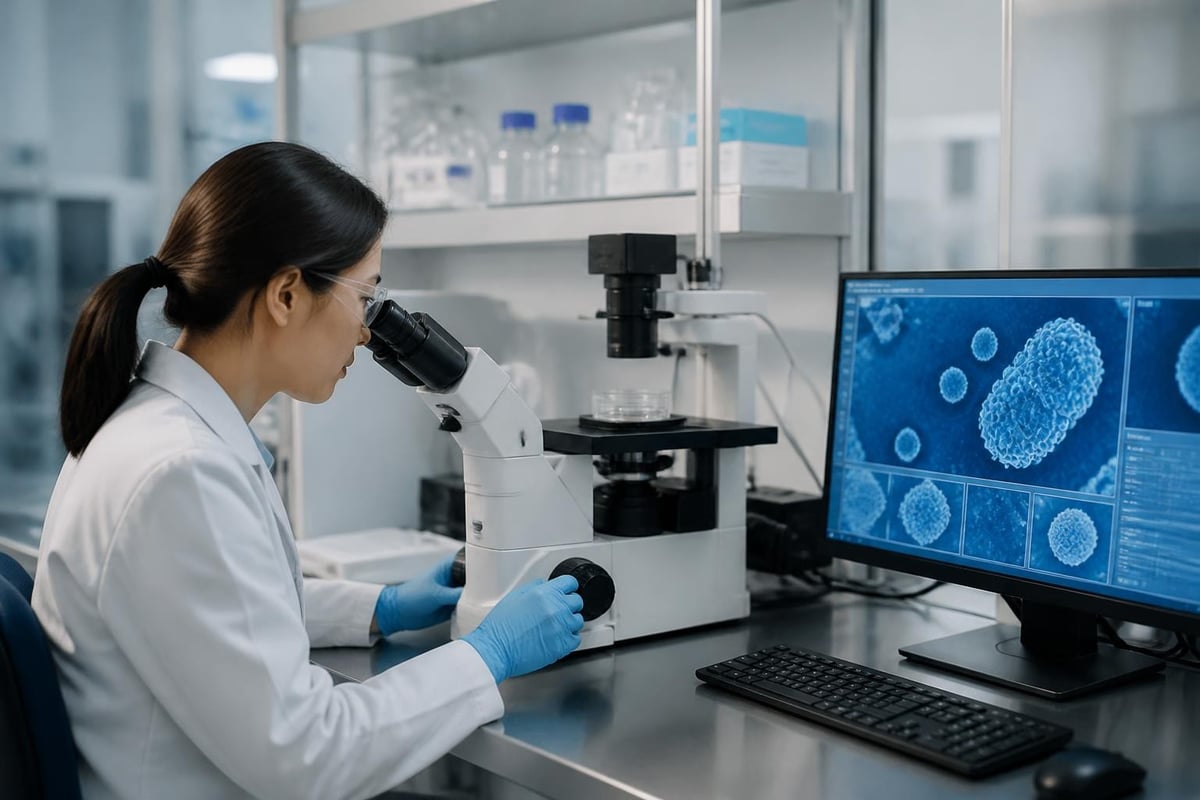
The transition from laboratory research to clinical application requires rigorous quality control measures. Cell iPS must be thoroughly characterised to ensure they are truly pluripotent, genetically stable, and safe for therapeutic use.
Characterisation Requirements
Genuine cell iPS exhibit specific markers and behaviours that distinguish them from partially reprogrammed or incompletely transformed cells:
- Morphology: Distinct colony appearance with high nuclear-to-cytoplasmic ratio
- Surface markers: Expression of pluripotency markers (SSEA-4, TRA-1-60, TRA-1-81)
- Gene expression: Activation of endogenous pluripotency genes (OCT4, NANOG, SOX2)
- Differentiation capacity: Ability to form derivatives of all three germ layers
- Epigenetic status: Appropriate DNA methylation patterns and histone modifications
Purification technologies for iPSC-derived therapies have become increasingly sophisticated, addressing the critical need to eliminate undifferentiated cells that could pose tumourigenic risks following transplantation.
Genomic Stability Monitoring
A crucial safety concern with cell iPS involves genomic integrity. The reprogramming process itself, combined with extended culture periods, can introduce chromosomal abnormalities or point mutations.
Essential genomic assessments include:
- Karyotyping to detect large-scale chromosomal changes
- Whole-genome sequencing to identify point mutations
- Copy number variation analysis for subtle alterations
- Comparison with parent cell genomes to track acquired changes
Research indicates that culture conditions, passage number, and the reprogramming method all influence genomic stability. Maintaining cell iPS under optimal conditions and limiting passage numbers helps preserve chromosomal integrity.
Ethical and Regulatory Frameworks
Cell iPS technology emerged partly in response to ethical controversies surrounding embryonic stem cell research. By creating pluripotent cells without destroying embryos, cell iPS offers a morally acceptable alternative for many stakeholders.
However, cell iPS research raises its own ethical considerations, particularly regarding consent, privacy, and appropriate use. The NHGRI report on ethical issues in iPSC research addresses important questions about informed consent when biological samples are used to create cell lines with broad research or commercial potential.
Consent and Governance
Creating cell iPS from patient samples requires careful consideration of several ethical dimensions:
- Initial consent scope: Whether donors understood their cells might be reprogrammed
- Future use permissions: What research or applications are permitted
- Commercialisation rights: How to handle potential commercial developments
- Return of results: Whether and how to communicate findings to donors
- Privacy protection: Safeguarding genetic information contained in cell iPS
Robust governance frameworks ensure that cell iPS research proceeds responsibly, balancing scientific innovation with respect for donor autonomy and privacy. Institutional review boards and ethics committees play essential roles in overseeing these considerations.
Manufacturing Challenges and Scale-Up
Translating cell iPS technology from research laboratories to clinical application presents substantial manufacturing challenges. Producing therapeutic-grade cells requires standardised, scalable processes that maintain quality whilst reducing costs.
Process Development Considerations
| Challenge Area | Key Issues | Emerging Solutions |
|---|---|---|
| Culture systems | Labour-intensive manual processes | Automated bioreactor platforms |
| Media formulation | Animal-derived components, batch variability | Chemically defined, xeno-free media |
| Differentiation protocols | Inconsistent efficiency, incomplete maturation | Optimised small molecule cocktails |
| Quality assessment | Time-consuming assays, subjective evaluation | High-throughput automated imaging |
| Cryopreservation | Cell death, functional impairment | Improved formulations, controlled-rate freezing |
The comprehensive review of molecular mechanisms in iPSC research highlights how advances in understanding reprogramming biology inform more efficient manufacturing strategies.
Regulatory Pathways
Cell iPS-derived therapeutics must navigate complex regulatory requirements that vary by jurisdiction. Regulatory agencies evaluate these products based on safety, purity, potency, and manufacturing consistency.
Critical regulatory considerations include:
- Classification as advanced therapy medicinal products (ATMPs) in Europe or biologics in the United States
- Good Manufacturing Practice (GMP) compliance for clinical-grade production
- Extensive preclinical safety testing including tumorigenicity studies
- Phased clinical trials demonstrating safety and efficacy
- Post-market surveillance for long-term safety monitoring
Current Clinical Development Status
Despite tremendous promise, cell iPS therapies remain largely in research and early clinical development stages. Several conditions are being targeted in pioneering clinical trials, offering insights into both potential and challenges.
Ophthalmological Applications
Age-related macular degeneration has been among the first conditions addressed with cell iPS-derived therapies. Japanese researchers pioneered clinical trials using retinal pigment epithelium cells generated from patient-specific cell iPS.
These trials have demonstrated:
- Feasibility of generating clinical-grade differentiated cells
- Surgical implantation techniques for cell sheets
- Initial safety profiles over multi-year follow-up periods
- Challenges with autologous manufacturing timelines and costs
Neurological Conditions
Parkinson's disease represents another active area of cell iPS clinical investigation. The concept involves replacing lost dopaminergic neurons with cells differentiated from cell iPS, potentially restoring motor function.
Early clinical studies are evaluating whether transplanted dopamine-producing cells can survive, integrate, and function within the patient's brain without causing adverse effects such as tumour formation or immune rejection.

Cardiac Regeneration
Heart disease applications are being explored through cell iPS-derived cardiomyocytes. Researchers are investigating whether these cells can improve cardiac function following myocardial infarction by replacing damaged tissue or stimulating endogenous repair mechanisms.
Future Directions and Emerging Technologies
The field of cell iPS research continues to evolve rapidly, with several promising directions emerging that may overcome current limitations and expand therapeutic applications.
Gene Editing Integration
Combining cell iPS technology with CRISPR-Cas9 gene editing creates powerful opportunities for correcting genetic defects at the cellular level. This approach could enable treatment of inherited conditions by:
- Generating patient-specific cell iPS
- Correcting the disease-causing mutation using gene editing
- Differentiating corrected cells into needed tissue types
- Transplanting genetically repaired cells back to the patient
This strategy offers theoretical advantages over viral gene therapy approaches, providing precise genetic correction in readily manipulable cells.
Universal Donor Cell Lines
Rather than creating patient-specific cell iPS for each individual, researchers are developing hypoimmunogenic universal donor lines that might serve multiple recipients. These engineered cell iPS are modified to evade immune recognition, potentially enabling off-the-shelf therapeutic products.
Approaches to immune evasion include:
- Deleting major histocompatibility complex (MHC) molecules
- Expressing immune checkpoint ligands that suppress T-cell activation
- Creating HLA-homozygous banks covering diverse populations
- Combining multiple strategies for comprehensive immune protection
Universal cell iPS could dramatically reduce manufacturing costs and enable immediate treatment availability compared to lengthy autologous production timelines.
Organoid Development
Cell iPS are increasingly used to generate three-dimensional organoid structures that recapitulate organ architecture and function more faithfully than two-dimensional cultures. These miniature organ models serve valuable roles in:
- Drug toxicity screening with physiologically relevant systems
- Personalised medicine approaches testing individual patient responses
- Disease modelling that captures tissue-level interactions
- Developmental biology research examining organ formation processes
The sophistication of organoid systems continues to advance, with emerging techniques creating vascularised, multi-tissue structures that better approximate in vivo biology.
Integration with Existing Regenerative Approaches
Whilst cell iPS represent an exciting frontier in regenerative medicine, they complement rather than replace existing therapeutic modalities. Understanding how different stem cell approaches relate helps contextualise the broader treatment landscape.
Research into mesenchymal stem cell exosomes demonstrates that regenerative mechanisms extend beyond whole-cell therapies to include paracrine signalling and extracellular vesicle-mediated effects. These insights inform development of both cell iPS-based therapies and other regenerative approaches.
The parallel advancement of multiple stem cell technologies creates a diverse toolkit for addressing different medical needs, with each approach offering distinct advantages for particular applications.
Cell iPS technology represents a transformative advance in regenerative medicine, offering unprecedented opportunities for disease modelling, drug discovery, and personalised therapy development whilst addressing many ethical concerns associated with earlier stem cell approaches. As research continues to refine manufacturing processes, enhance safety profiles, and demonstrate clinical efficacy, cell iPS may increasingly contribute to treatment options for conditions currently lacking effective interventions. At StemCells21, our commitment to advancing regenerative medicine encompasses staying at the forefront of stem cell science and translating the latest research insights into safe, effective therapeutic programmes. If you're interested in exploring how regenerative medicine might benefit your health journey, StemCells21 offers personalised consultations to discuss evidence-based treatment options tailored to your individual needs.