
The field of regenerative medicine has witnessed remarkable advances over the past two decades, with cell stem cell research at the forefront of therapeutic innovation. These unique biological entities possess the extraordinary capacity to self-renew and differentiate into specialised cell types, offering unprecedented opportunities for treating conditions previously considered untreatable. From degenerative diseases to immune disorders, the therapeutic potential of stem cells continues to expand as our understanding of cellular biology deepens and clinical translation accelerates.
Understanding Cell Stem Cell Biology and Classification
Cell stem cell populations exist in multiple forms, each with distinct characteristics and therapeutic applications. The National Institutes of Health defines stem cells as cells capable of prolonged self-renewal and differentiation into specialised cell types, but this broad definition encompasses several important categories.
Embryonic stem cells derive from the inner cell mass of blastocysts and possess pluripotent capacity, meaning they can theoretically become any cell type in the human body. Adult stem cells, also termed somatic stem cells, reside in specific tissue niches throughout the body and maintain more limited differentiation potential. Induced pluripotent stem cells (iPSCs) represent a revolutionary development, created by reprogramming adult cells back to an embryonic-like state through genetic manipulation.
Mesenchymal Stem Cells in Clinical Practice
Among adult stem cell populations, mesenchymal stem cells (MSCs) have emerged as particularly valuable for therapeutic applications. These multipotent stromal cells can differentiate into bone, cartilage, fat, and other connective tissues whilst secreting bioactive factors that modulate inflammation and immune responses.
Key characteristics of MSCs include:
- Capacity to home to sites of injury and inflammation
- Immunomodulatory properties that reduce excessive immune activation
- Secretion of trophic factors supporting tissue repair
- Relatively low immunogenicity enabling allogeneic transplantation
- Accessibility from multiple tissue sources
Research has demonstrated that umbilical cord-derived mesenchymal stem cells (UC-MSCs) offer particular advantages over bone marrow or adipose-derived alternatives. These cells exhibit higher proliferation rates, more robust immunomodulatory capacity, and superior production of therapeutic factors whilst avoiding the invasive procurement procedures required for adult tissue sources.
Cell Stem Cell Research and Publication Landscape
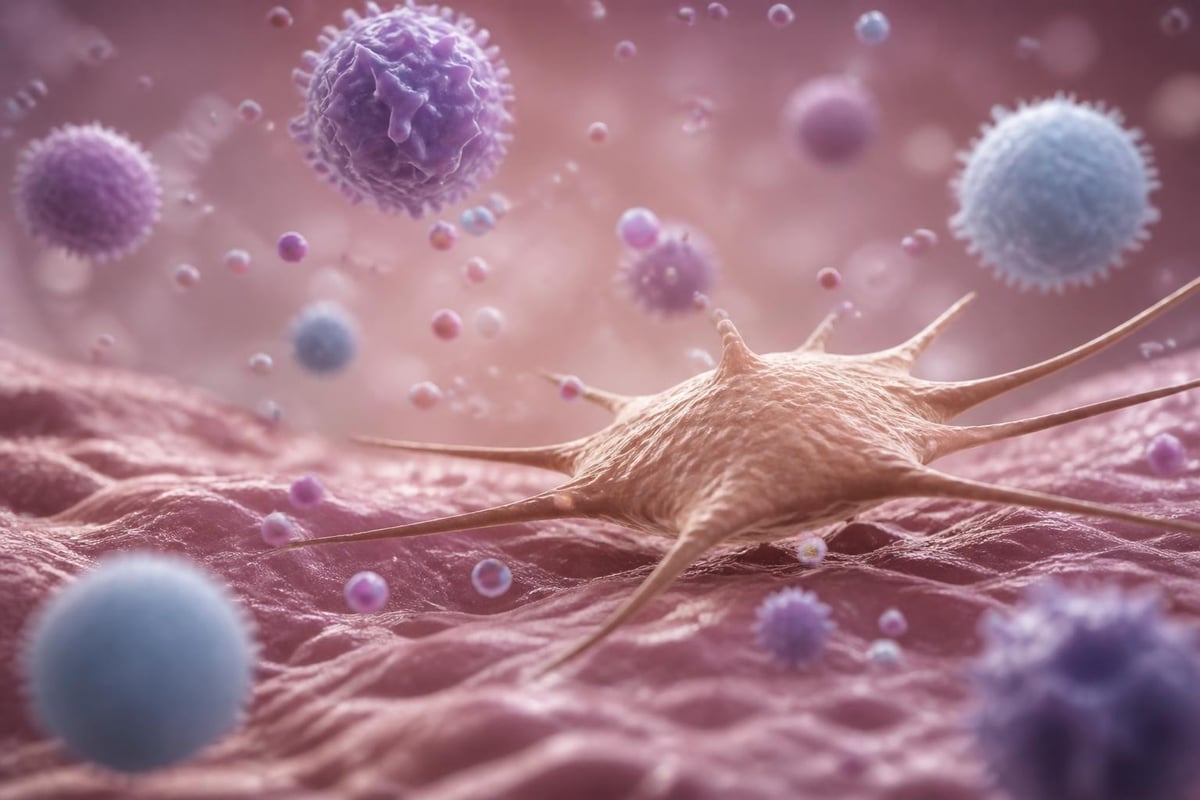
The journal Cell Stem Cell represents the premier publication venue for breakthrough research in stem cell biology and regenerative medicine. Published by Cell Press, this high-impact journal disseminates critical discoveries that advance our understanding of stem cell self-renewal, differentiation mechanisms, and therapeutic applications.
Research published in leading stem cell journals has revealed fundamental insights into cellular reprogramming, niche interactions, and the molecular pathways governing stem cell fate decisions. These publications drive clinical translation by establishing the scientific foundation for evidence-based therapeutic interventions.
| Research Area | Key Focus | Clinical Relevance |
|---|---|---|
| Self-renewal mechanisms | Cell cycle regulation, telomerase activity | Expansion protocols for therapy |
| Differentiation pathways | Transcription factors, signalling cascades | Directed cell fate specification |
| Immunomodulation | Cytokine secretion, regulatory T cell induction | Autoimmune disease treatment |
| Tissue homing | Chemokine receptors, adhesion molecules | Targeted delivery strategies |
Recent Advances in iPSC Technology
Recent research on induced pluripotent stem cells has demonstrated remarkable progress in creating patient-specific cell lines for disease modelling and personalised therapy. iPSC technology circumvents ethical concerns associated with embryonic stem cells whilst providing genetically matched cells that reduce immunological complications.
Scientists have refined reprogramming protocols to enhance efficiency and reduce genomic instability. Modern iPSC generation employs non-integrating vectors and small molecules that minimize genetic alterations, producing cells safer for clinical application. This technology enables researchers to study disease mechanisms in patient-derived cells and screen potential therapeutic compounds.
Regulatory Framework and Clinical Standards
The translation of cell stem cell research into approved therapies requires rigorous regulatory oversight and adherence to international standards. The International Society for Stem Cell Research guidelines provide comprehensive frameworks for responsible research conduct, clinical trial design, and patient protection.
Regulatory agencies worldwide have established specific requirements for cell-based therapies, addressing manufacturing standards, quality control, safety testing, and efficacy demonstration. These regulations ensure that therapeutic products meet pharmaceutical-grade specifications and undergo thorough evaluation before clinical deployment.
Manufacturing and Quality Control
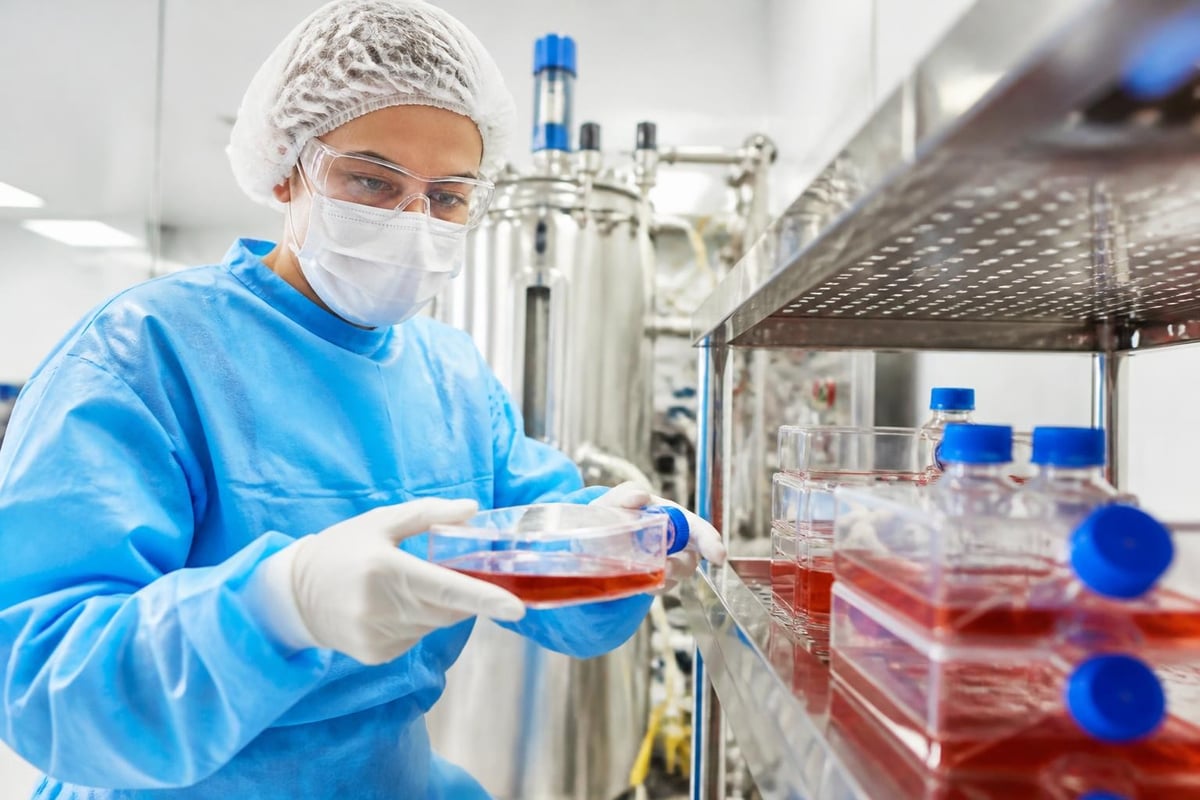
Pharmaceutical-grade stem cell production demands stringent control over cell sourcing, culture conditions, testing protocols, and cryopreservation methods. Manufacturing facilities must operate under Good Manufacturing Practice (GMP) standards, maintaining cleanroom environments, validated processes, and comprehensive documentation systems.
Critical quality control parameters include:
- Sterility testing for bacterial, fungal, and viral contamination
- Cell viability and proliferation capacity assessment
- Immunophenotyping to confirm cellular identity
- Genetic stability evaluation through karyotyping
- Potency assays measuring therapeutic functions
- Endotoxin testing to ensure product safety
The World Health Organization provides guidance on cell therapy product standards, addressing nomenclature, characterisation requirements, and quality specifications. These international standards harmonise regulatory approaches and facilitate global development of safe, effective cell stem cell therapies.
Therapeutic Applications Across Disease Categories
Cell stem cell therapies have demonstrated therapeutic potential across numerous medical conditions, with evidence ranging from preclinical models to clinical trials and approved treatments. The breadth of applications reflects the versatile mechanisms through which stem cells exert beneficial effects.
Degenerative Joint Conditions
Osteoarthritis affects millions globally, causing progressive cartilage degradation, chronic pain, and functional impairment. Traditional treatments offer symptom management but cannot reverse underlying tissue damage. Osteoarthritis stem cell treatment utilises pharmaceutical-grade UC-MSCs to support joint health through anti-inflammatory effects, growth factor secretion, and potential cartilage regeneration.
Clinical studies have documented improvements in pain scores, joint function, and quality of life measures following mesenchymal stem cell administration. These outcomes reflect the cells' capacity to modulate the inflammatory microenvironment within affected joints whilst secreting factors that support chondrocyte survival and extracellular matrix production.
Autoimmune and Inflammatory Disorders
Autoimmune conditions arise when immune systems mistakenly attack healthy tissues, causing chronic inflammation and progressive organ damage. Cell stem cell approaches leverage the immunomodulatory properties of MSCs to restore immune balance and reduce pathological inflammation.
Rheumatoid arthritis patients receiving stem cell therapy have shown reductions in inflammatory markers, decreased disease activity scores, and improvements in joint symptoms. The mechanisms involve MSC-mediated suppression of pro-inflammatory immune cells, induction of regulatory T cells, and secretion of anti-inflammatory cytokines.
| Condition | MSC Mechanism | Therapeutic Outcomes |
|---|---|---|
| Rheumatoid arthritis | Immune regulation, cytokine modulation | Reduced inflammation, improved joint function |
| Multiple sclerosis | Immunomodulation, neuroprotection | Stabilised disease progression, symptom improvement |
| COPD | Anti-inflammatory effects, tissue repair | Enhanced respiratory function, reduced exacerbations |
| Autism spectrum disorder | Immune balance, neurological support | Variable improvements in behaviour and function |
Neurological and Neurodegenerative Conditions
The central nervous system's limited regenerative capacity makes neurological conditions particularly challenging to treat. Cell stem cell therapies address these challenges through multiple mechanisms including neuroprotection, immunomodulation, and potential neural regeneration.
Multiple sclerosis involves immune-mediated damage to myelin sheaths surrounding nerve fibres, disrupting neural signalling. Stem cell interventions aim to halt disease progression through immune regulation whilst potentially supporting myelin repair and neuronal survival through neurotrophic factor secretion.
Clinical Trial Landscape and Evidence Development
The ClinicalTrials.gov database lists hundreds of active stem cell studies investigating diverse conditions and therapeutic approaches. These trials generate the evidence base necessary for regulatory approvals and clinical guideline development.
Phase I trials establish safety profiles and determine appropriate dosing ranges. Phase II studies provide preliminary efficacy signals whilst continuing safety monitoring in larger patient populations. Phase III trials deliver definitive evidence comparing stem cell interventions to standard treatments or placebo controls.
Trial design considerations include:
- Patient selection criteria and disease severity
- Cell source, dose, and administration route
- Frequency and duration of treatment protocols
- Primary and secondary outcome measures
- Follow-up duration for long-term safety assessment
Rigorous trial design addresses the unique challenges of cell therapy evaluation, including the impossibility of true double-blinding when procedures differ between groups and the need for long-term follow-up to assess durability of therapeutic effects.
Patient Education and Informed Decision-Making
The ISSCR Patient Handbook provides essential guidance for individuals considering stem cell treatments. This resource helps patients evaluate clinic claims, understand realistic expectations, and identify evidence-based therapies versus unproven interventions.
Patients should seek providers operating under regulatory oversight with transparent manufacturing standards, published clinical data, and appropriate medical supervision. Questions regarding cell source, processing methods, quality testing, and outcome tracking distinguish legitimate medical facilities from questionable operators making unsubstantiated promises.

Mechanisms of Therapeutic Action
Understanding how cell stem cell therapies exert beneficial effects requires examining multiple biological mechanisms operating simultaneously. These mechanisms vary depending on the specific cell type, disease target, and administration approach.
Paracrine Signalling and Trophic Support
Contemporary research indicates that transplanted stem cells primarily function through paracrine mechanisms rather than direct tissue replacement. Cells secrete bioactive factors including growth factors, cytokines, chemokines, and regulatory molecules that modulate local tissue environments.
The extracellular vesicles produced by mesenchymal stem cells carry therapeutic cargo including proteins, lipids, and nucleic acids. These nano-sized particles facilitate cell-to-cell communication, delivering regenerative signals to damaged tissues and modulating immune responses.
Paracrine factors secreted by MSCs include vascular endothelial growth factor (VEGF) supporting blood vessel formation, transforming growth factor-beta (TGF-β) regulating inflammation, and brain-derived neurotrophic factor (BDNF) promoting neuronal survival. This complex cocktail of bioactive molecules creates a regenerative microenvironment conducive to tissue repair.
Immunomodulation and Inflammation Resolution
Chronic inflammation drives pathology in numerous conditions, from autoimmune diseases to degenerative disorders. Cell stem cell therapies address this through sophisticated immunomodulatory mechanisms that restore appropriate immune balance rather than broadly suppressing immune function.
MSCs interact with various immune cell populations, suppressing excessive activation of pro-inflammatory cells whilst promoting anti-inflammatory regulatory populations. They inhibit T cell proliferation, reduce B cell antibody production, and modulate macrophage polarisation from inflammatory to reparative phenotypes.
Advances in Delivery and Targeting Strategies
Optimising therapeutic outcomes requires strategic consideration of cell delivery routes, doses, and timing. Different administration approaches offer distinct advantages depending on the target tissue and therapeutic objectives.
Common delivery routes include:
- Intravenous infusion for systemic distribution
- Intra-articular injection for joint conditions
- Intrathecal administration for neurological disorders
- Direct tissue injection for localised treatment
- Combination approaches using multiple routes
Intravenous administration provides broad distribution with cells homing to sites of inflammation and injury through chemokine gradients and adhesion molecule interactions. Local delivery achieves higher cell concentrations at target sites whilst minimising systemic distribution. The optimal approach depends on disease pathology, target tissue accessibility, and therapeutic mechanisms.
Combination Therapies and Integrative Approaches
Modern regenerative medicine increasingly employs combination strategies integrating stem cells with complementary interventions. These multimodal approaches may enhance outcomes beyond single-modality treatments through synergistic mechanisms.
Combining stem cells with rehabilitation programmes, nutritional optimisation, or pharmaceutical agents can amplify therapeutic effects. Physical therapy following stem cell administration for musculoskeletal conditions may enhance functional gains through mechanical stimulation of transplanted cells and host tissues.
Future Directions and Emerging Technologies
The cell stem cell field continues evolving rapidly, with emerging technologies promising enhanced therapeutic capabilities and broader clinical applications. Gene editing, biomaterial scaffolds, and artificial intelligence-driven treatment optimisation represent frontier areas with transformative potential.
CRISPR-Cas9 gene editing enables precise genetic modifications in stem cells, correcting disease-causing mutations or enhancing therapeutic properties. This technology may enable personalised cell therapies tailored to individual genetic profiles whilst addressing monogenic disorders through cellular gene therapy approaches.
Three-dimensional bioprinting combines stem cells with biomaterial scaffolds to create tissue constructs mimicking native architecture. These engineered tissues hold promise for organ replacement, drug testing platforms, and disease modelling applications that advance regenerative medicine capabilities.
| Emerging Technology | Application | Potential Impact |
|---|---|---|
| Gene editing | Genetic disease correction, enhanced cell function | Personalised therapies, improved efficacy |
| Bioprinting | Tissue engineering, organ replacement | New treatment options for organ failure |
| AI-driven protocols | Treatment optimisation, outcome prediction | Personalised dosing, improved success rates |
| Biomaterial scaffolds | Cell delivery, tissue support | Enhanced engraftment, directed differentiation |
Expanding Therapeutic Applications
Ongoing research continues identifying new conditions amenable to cell stem cell interventions. Cardiovascular disease, liver disorders, kidney disease, and metabolic conditions represent active investigation areas with promising preliminary results.
The integration of stem cells with NK cells targeting cancer cells exemplifies innovative combination approaches in oncology. These strategies harness complementary mechanisms to address complex diseases requiring multifaceted therapeutic interventions.
Global Access and Healthcare Integration
As cell stem cell therapies mature from experimental interventions to established medical treatments, questions of healthcare integration, reimbursement, and equitable access become increasingly relevant. Different healthcare systems worldwide are developing frameworks for evaluating, approving, and funding these advanced therapies.
The comprehensive stem cell information from NIH provides authoritative guidance on research directions, policy considerations, and ethical frameworks governing stem cell applications. These resources inform evidence-based policy development and public understanding of this transformative field.
Healthcare providers must develop expertise in patient selection, treatment protocols, outcome monitoring, and integration with conventional medical care. Regenerative medicine represents a paradigm shift requiring new clinical competencies and institutional capabilities to deliver safe, effective interventions.
Personalised medicine approaches utilising cell stem cell therapies require comprehensive patient assessment, customised treatment planning, and long-term monitoring to optimise outcomes. This patient-centred model contrasts with one-size-fits-all approaches, demanding greater clinical sophistication and individualised care coordination.
Cell stem cell research and therapy represent a transformative frontier in modern medicine, offering hope for conditions previously lacking effective treatments. The scientific advances detailed throughout this article demonstrate both the remarkable progress achieved and the substantial opportunities ahead as our understanding deepens and clinical applications expand. For those seeking evidence-based regenerative medicine delivered under pharmaceutical-grade standards, StemCells21 offers personalised treatment programmes utilising UC-MSCs to address degenerative diseases, autoimmune conditions, and age-related disorders through comprehensive medical care at our state-of-the-art Bangkok facility.