
The quest to reverse biological ageing has progressed from speculative science to clinical reality, with cellular rejuvenation therapy emerging as a transformative approach to restoring youthful function at the most fundamental level. Unlike conventional treatments that merely manage symptoms, this innovative field targets the root causes of cellular decline, offering hope for patients seeking to address age-related degeneration, chronic conditions, and diminished vitality. As research accelerates in 2026, understanding the science behind cellular rejuvenation therapy becomes essential for anyone considering regenerative medicine options.
Understanding Cellular Ageing and Decline
Cellular ageing represents a complex biological process driven by multiple mechanisms that accumulate over time. Every cell in your body faces constant challenges: DNA damage, protein misfolding, metabolic stress, and environmental insults that gradually compromise function.
The hallmarks of cellular ageing include telomere shortening, mitochondrial dysfunction, loss of proteostasis, and the accumulation of senescent cells. These aged cells cease dividing but remain metabolically active, secreting inflammatory factors that damage neighbouring tissues through what scientists call the senescence-associated secretory phenotype (SASP).
The Molecular Basis of Cellular Decline
At the molecular level, several interconnected pathways govern cellular health:
- Epigenetic alterations that change gene expression patterns without altering DNA sequence
- Stem cell exhaustion that reduces the body's regenerative capacity
- Impaired autophagy preventing efficient cellular recycling and waste removal
- Chronic inflammation creating a pro-ageing tissue environment
- Metabolic dysregulation affecting energy production and cellular signalling
Research published in Nature Communications demonstrates how these mechanisms interact, creating a cascade of dysfunction that characterises biological ageing. Understanding these pathways provides the foundation for cellular rejuvenation therapy interventions.

Core Approaches to Cellular Rejuvenation
Cellular rejuvenation therapy encompasses multiple strategies, each targeting different aspects of cellular decline. The most promising approaches combine several modalities for comprehensive rejuvenation effects.
Senolytic Interventions
Senolytics represent a groundbreaking class of interventions that selectively eliminate senescent cells. These "zombie cells" accumulate with age and contribute significantly to tissue dysfunction and chronic disease.
Recent research on targeting senescent cells has identified several compounds capable of clearing these dysfunctional cells, including:
- Dasatinib and quercetin combinations
- Navitoclax and BCL-2 family inhibitors
- Fisetin and other natural senolytic compounds
- Novel antibody-based approaches
Clinical trials demonstrate that removing senescent cells can improve physical function, reduce inflammation, and potentially extend healthspan in human subjects.
Stem Cell-Based Regeneration
Stem cell therapy forms a cornerstone of cellular rejuvenation therapy by replacing damaged cells and stimulating the body's innate repair mechanisms. Mesenchymal stem cells (MSCs) offer particularly promising results due to their immunomodulatory properties and ability to home to sites of injury.
| Stem Cell Type | Primary Benefits | Key Applications |
|---|---|---|
| Umbilical Cord MSCs | High potency, low immunogenicity | Systemic rejuvenation, degenerative diseases |
| Adipose-Derived MSCs | Abundant, autologous option | Localized tissue repair, aesthetic applications |
| Bone Marrow MSCs | Well-studied, established protocols | Orthopaedic, haematological conditions |
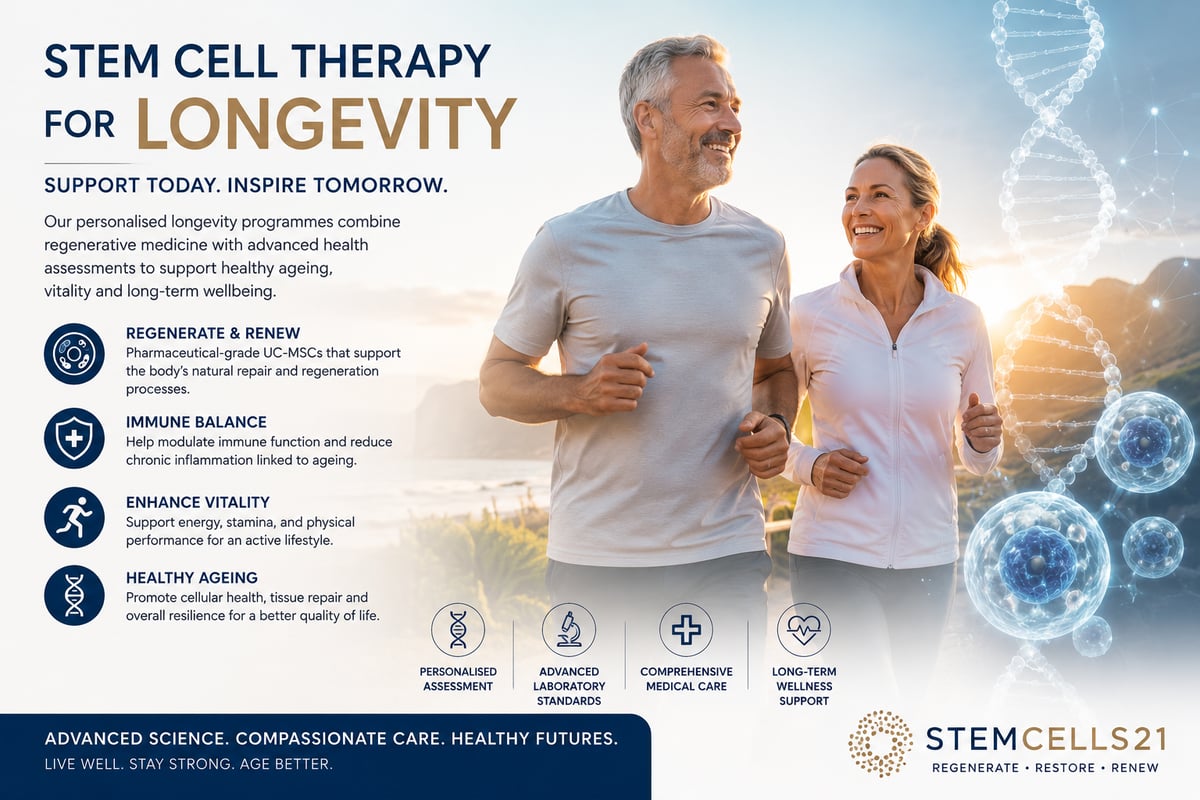
Pharmaceutical-grade umbilical cord-derived mesenchymal stem cells represent the gold standard for cellular rejuvenation therapy. These young, highly active cells possess superior proliferative capacity and produce abundant growth factors that orchestrate tissue repair. Longevity Treatment programmes leverage these cells to promote healthy ageing by supporting the body's natural regenerative processes, reducing systemic inflammation, and enhancing cellular resilience across multiple organ systems.
Epigenetic Reprogramming Strategies
Epigenetic reprogramming offers a revolutionary approach to cellular rejuvenation therapy by resetting cellular age without changing DNA sequence. This strategy involves carefully controlled expression of Yamanaka factors or other reprogramming cocktails to restore youthful epigenetic patterns.
Studies on epigenetic reprogramming mechanisms reveal that partial reprogramming can reverse age-associated markers whilst maintaining cellular identity. This approach requires precise control to avoid tumorigenesis whilst achieving rejuvenation effects.
The emerging field of epigenetic clocks provides measurable biomarkers for tracking cellular age and assessing the efficacy of rejuvenation interventions. These molecular tools enable personalised treatment optimisation based on individual ageing patterns.
Clinical Applications and Patient Outcomes
Cellular rejuvenation therapy has transitioned from laboratory research to clinical practice, with growing evidence supporting its efficacy across diverse conditions. The applications extend beyond simple anti-ageing to address specific degenerative diseases and functional decline.
Degenerative Disease Management
Patients suffering from osteoarthritis, cardiovascular disease, neurodegenerative conditions, and metabolic disorders increasingly turn to cellular rejuvenation therapy as conventional treatments prove inadequate. The regenerative approach addresses underlying pathology rather than merely managing symptoms.
Benefits observed in clinical practice include:
- Reduced inflammation and pain levels
- Improved tissue structure and function
- Enhanced mobility and quality of life
- Decreased reliance on pharmaceutical interventions
- Potential disease progression modification
As documented in research on stem cell and immune cell-based interventions for ageing, combining multiple cellular rejuvenation therapy modalities often produces superior outcomes compared to single-intervention approaches.
Longevity and Healthspan Extension
Beyond treating specific conditions, cellular rejuvenation therapy aims to extend healthspan by maintaining youthful cellular function across multiple organ systems. This preventive approach focuses on optimising biological resilience before significant decline occurs.

Treatment Protocols and Delivery Methods
The efficacy of cellular rejuvenation therapy depends critically on proper treatment design, cell quality, dosing strategies, and delivery methods. Personalisation based on individual patient characteristics optimises outcomes whilst minimising risks.
Personalised Treatment Planning
Comprehensive assessment precedes cellular rejuvenation therapy, incorporating:
- Detailed medical history and current health status evaluation
- Biomarker analysis including inflammatory markers and epigenetic age
- Imaging studies to assess tissue condition and target sites
- Genetic screening for relevant polymorphisms affecting treatment response
- Lifestyle and environmental factor assessment
This data informs customised protocols tailored to each patient's unique needs and goals. Regenerative medicine approaches emphasise this individualised strategy to maximise therapeutic benefit.
Administration Routes and Frequency
| Delivery Method | Best Suited For | Typical Frequency |
|---|---|---|
| Intravenous infusion | Systemic rejuvenation, multiple organs | Every 3-6 months |
| Intra-articular injection | Joint-specific conditions | Single or repeated doses |
| Intrathecal administration | Neurological conditions | Specialised protocols |
| Topical/local application | Skin rejuvenation, wound healing | Varies by indication |
The optimal approach considers the target tissue, condition severity, and desired outcomes. Many patients benefit from combination strategies that address both systemic ageing and specific problem areas.
Safety Considerations and Quality Standards
As cellular rejuvenation therapy gains popularity, maintaining rigorous safety and quality standards becomes paramount. Not all providers adhere to pharmaceutical-grade manufacturing processes or evidence-based protocols.
Critical Quality Factors
Cell source and manufacturing standards:
- Donor screening and consent procedures
- Clean room production environments
- Microbiological testing for contamination
- Potency assays confirming cell viability and function
- Genetic stability verification
- Endotoxin and mycoplasma testing
Pharmaceutical-grade cells undergo extensive quality control that far exceeds basic laboratory standards. These rigorous processes ensure consistent, safe, and effective cellular rejuvenation therapy products.
Regulatory Landscape and Patient Protection
The regulatory environment for cellular rejuvenation therapy varies significantly across jurisdictions. Some countries enforce strict oversight whilst others permit less regulated practices, creating challenges for patients seeking treatment.
United Nations reviews of ageing interventions emphasise the importance of evidence-based practice, transparent reporting, and patient safety protections. Seeking treatment from facilities with established track records, published outcomes data, and appropriate medical oversight minimises risks.
Patients should verify that providers use certified laboratories, employ qualified medical professionals, and follow internationally recognised treatment protocols. Understanding stem cell differentiation principles helps patients evaluate provider expertise and treatment rationale.
Future Directions and Emerging Technologies
Cellular rejuvenation therapy continues evolving rapidly as new technologies and understanding emerge. Several exciting developments promise to enhance efficacy and accessibility in coming years.
Next-Generation Therapeutic Approaches
Researchers are developing increasingly sophisticated cellular rejuvenation therapy modalities:
- Engineered stem cells with enhanced homing, survival, and therapeutic properties
- Exosome-based therapies delivering cellular signals without transplanting whole cells
- Gene therapy combinations addressing specific age-related genetic changes
- Artificial intelligence-guided treatment optimisation based on patient data
- Combination protocols integrating multiple rejuvenation strategies synergistically
Clinical and translational advances in senotherapeutics demonstrate the field's rapid progression from bench to bedside, with numerous trials currently underway.
Biomarker Development and Outcome Tracking
Objective measurement of cellular rejuvenation therapy effects remains challenging but crucial for advancing the field. Emerging biomarkers enable precise assessment:
- Multi-omic panels capturing proteome, metabolome, and transcriptome changes
- Advanced epigenetic clocks with organ-specific resolution
- Functional capacity assessments measuring real-world outcomes
- Imaging biomarkers tracking tissue structure and composition
- Inflammatory profiles quantifying systemic rejuvenation effects
These tools facilitate treatment optimisation and provide patients with tangible evidence of therapeutic benefit beyond subjective improvement.

Implementation Considerations for Patients
Deciding to pursue cellular rejuvenation therapy requires careful consideration of multiple factors. Informed patients achieve better outcomes through realistic expectations and active participation in their treatment journey.
Evaluating Treatment Candidacy
Not everyone represents an ideal candidate for cellular rejuvenation therapy. Optimal candidates typically include individuals experiencing:
- Age-related functional decline affecting quality of life
- Degenerative conditions with limited conventional treatment options
- Chronic inflammation or autoimmune dysregulation
- Interest in preventive longevity interventions
- Willingness to commit to comprehensive lifestyle optimisation
Conversely, certain conditions may contraindicate treatment or require special precautions. Active malignancies, severe immunosuppression, and certain infections necessitate careful evaluation before proceeding.
Supporting Cellular Rejuvenation Through Lifestyle
Cellular rejuvenation therapy works best when integrated into a comprehensive health optimisation programme. The cellular environment profoundly influences therapeutic outcomes:
Key lifestyle factors that enhance cellular rejuvenation therapy results:
- Nutrient-dense, anti-inflammatory dietary patterns
- Regular physical activity combining aerobic and resistance training
- Stress management and adequate restorative sleep
- Environmental toxin minimisation
- Social connection and mental stimulation
- Appropriate supplementation addressing specific deficiencies
Understanding stem cell exhaustion and ageing mechanisms helps patients appreciate why lifestyle factors matter so significantly for treatment success.
Cost-Benefit Analysis and Accessibility
Financial considerations often influence cellular rejuvenation therapy decisions. Treatment costs vary widely based on cell type, dosing, administration method, and geographic location.
| Treatment Component | Typical Cost Range (USD) | Value Considerations |
|---|---|---|
| Initial assessment & testing | $1,000 – $5,000 | Essential for personalised planning |
| Pharmaceutical-grade cells | $10,000 – $30,000 per treatment | Quality directly impacts outcomes |
| Administration & monitoring | $2,000 – $8,000 | Expertise ensures safety, efficacy |
| Follow-up & optimisation | $500 – $2,000 annually | Sustains long-term benefits |
Whilst cellular rejuvenation therapy represents a significant investment, many patients find the quality-of-life improvements and potential healthcare cost savings justify the expense. Comparing costs to long-term pharmaceutical management or surgical interventions provides helpful perspective.
The comprehensive review of therapeutic strategies targeting cellular senescence demonstrates the growing evidence base supporting these investments in regenerative health.
Patient Selection and Screening Processes
Thorough patient evaluation ensures cellular rejuvenation therapy safety and maximises the likelihood of successful outcomes. Reputable providers conduct comprehensive screening before recommending treatment.
Medical History and Risk Assessment
The screening process examines:
- Complete medical history including previous treatments and surgeries
- Current medications and potential interactions with cellular therapies
- Family history revealing genetic predispositions
- Lifestyle factors affecting cellular health and treatment response
- Psychological readiness and realistic expectation setting
This assessment identifies any contraindications whilst establishing baseline measurements for tracking improvement. Patients with complex medical histories require particularly careful evaluation to ensure cellular rejuvenation therapy appropriateness.
Laboratory and Diagnostic Testing
Pre-treatment testing typically includes comprehensive blood work, inflammatory marker panels, organ function assessments, and condition-specific imaging. Advanced facilities may incorporate epigenetic age testing, immune profiling, and detailed metabolic analysis.
These investigations provide the data necessary for truly personalised cellular rejuvenation therapy protocols. Understanding individual patient characteristics enables providers to optimise cell type selection, dosing, administration routes, and adjunctive interventions.
Integration With Conventional Medicine
Cellular rejuvenation therapy functions most effectively as part of an integrated treatment approach rather than a standalone intervention. Collaboration between regenerative medicine specialists and conventional practitioners ensures comprehensive patient care.
Many patients continue necessary conventional treatments whilst adding cellular rejuvenation therapy to address underlying pathology. This complementary strategy often enables gradual reduction of symptomatic medications as regenerative effects accumulate.
Communication between healthcare providers proves essential for coordinating care, monitoring for interactions, and adjusting treatment plans based on patient response. The usage of stem cells in clinical practice increasingly reflects this integrative philosophy.
Monitoring Response and Adjusting Protocols
Cellular rejuvenation therapy requires ongoing monitoring to assess response and optimise outcomes. Follow-up schedules vary based on condition and treatment intensity but typically include:
- Short-term safety monitoring (days to weeks post-treatment)
- Intermediate outcome assessment (1-3 months)
- Long-term efficacy evaluation (6-12 months)
- Periodic re-treatment consideration based on individual response
Objective measurements combined with patient-reported outcomes guide protocol adjustments. Some patients achieve lasting benefits from a single treatment course, whilst others require periodic maintenance to sustain improvements.
Cellular rejuvenation therapy represents a paradigm shift in how we approach ageing and degenerative disease, offering genuine potential to restore function and vitality at the cellular level. As the science advances and clinical experience accumulates, more patients can access these transformative interventions with confidence in their safety and efficacy. StemCells21 combines pharmaceutical-grade umbilical cord-derived mesenchymal stem cells with comprehensive medical expertise to deliver personalised cellular rejuvenation therapy programmes in our Bangkok facility, supporting patients seeking to optimise their healthspan and address age-related conditions through evidence-based regenerative medicine.