
The landscape of clinical medicine continues to evolve rapidly as healthcare professionals integrate technological innovation, precision diagnostics, and evidence-based protocols into daily practice. This field encompasses the direct care of patients through systematic diagnosis, treatment planning, and ongoing management of both acute and chronic conditions. Modern practitioners face the dual challenge of maintaining rigorous clinical standards whilst adapting to emerging therapies that promise to transform patient outcomes across multiple specialties.
The Foundation of Modern Clinical Practice
Clinical medicine rests upon several fundamental pillars that distinguish it from theoretical or laboratory-based medical science. The discipline demands rigorous application of scientific evidence to individual patient care, requiring practitioners to balance standardised protocols with personalised treatment approaches.
Evidence-Based Decision Making
Contemporary clinical practice relies heavily on systematic reviews, randomised controlled trials, and meta-analyses to inform treatment decisions. The Cochrane collaboration provides high-quality evidence syntheses that help clinicians make informed choices based on the best available research. This evidence-informed approach ensures that patient care reflects current scientific understanding rather than outdated assumptions.
Key components of evidence-based clinical medicine include:
- Systematic assessment of research quality and applicability
- Integration of clinical expertise with patient values
- Continuous updating of knowledge as new evidence emerges
- Critical appraisal of clinical guidelines and recommendations
Patient decision aids have become increasingly important in shared decision-making processes, allowing individuals to understand treatment options and participate actively in their care planning.

Diagnostic Precision and Technology Integration
The accuracy of clinical diagnosis has improved dramatically through technological advancement. Modern imaging modalities, molecular diagnostics, and artificial intelligence-assisted interpretation tools enable clinicians to identify conditions earlier and with greater specificity than previous generations could achieve.
Clinical medicine in 2026 benefits from:
- Advanced imaging protocols that reveal structural and functional abnormalities at cellular levels
- Biomarker panels providing insights into disease mechanisms and treatment responses
- Real-time monitoring systems tracking vital parameters and alerting clinicians to deterioration
- Genetic profiling informing personalised treatment strategies based on individual variation
The Nature Medicine perspective on precision health discusses how these precision approaches are transitioning from research settings into routine clinical care, creating opportunities for more targeted interventions.
Patient Safety and Quality Improvement in Clinical Settings
Ensuring patient safety remains paramount across all clinical medicine specialties. The WHO Global Patient Safety Report 2024 provides comprehensive guidance on implementing safety protocols that reduce harm and improve outcomes across diverse healthcare settings.
| Safety Domain | Key Metrics | Implementation Priority |
|---|---|---|
| Medication safety | Adverse drug event rates, prescription accuracy | High |
| Diagnostic accuracy | Error rates, time to diagnosis, follow-up completion | High |
| Infection prevention | Healthcare-associated infection rates, compliance | Critical |
| Communication | Handover quality, documentation completeness | High |
Healthcare organisations implementing robust safety cultures demonstrate measurably better patient outcomes. This requires systematic approaches to incident reporting, root cause analysis, and continuous quality improvement cycles that engage all members of clinical teams.
Addressing Sepsis Through Early Recognition
Sepsis represents one of the most time-sensitive conditions in clinical medicine, requiring immediate recognition and intervention. The WHO guidelines on clinical management of sepsis provide evidence-based protocols for early identification and treatment, emphasising the critical importance of rapid response systems.
Clinical teams must maintain vigilance for sepsis indicators across emergency, surgical, and medical ward settings. Early administration of appropriate antimicrobials, source control, and supportive care significantly improves survival rates.
The Role of Regenerative Approaches in Clinical Medicine
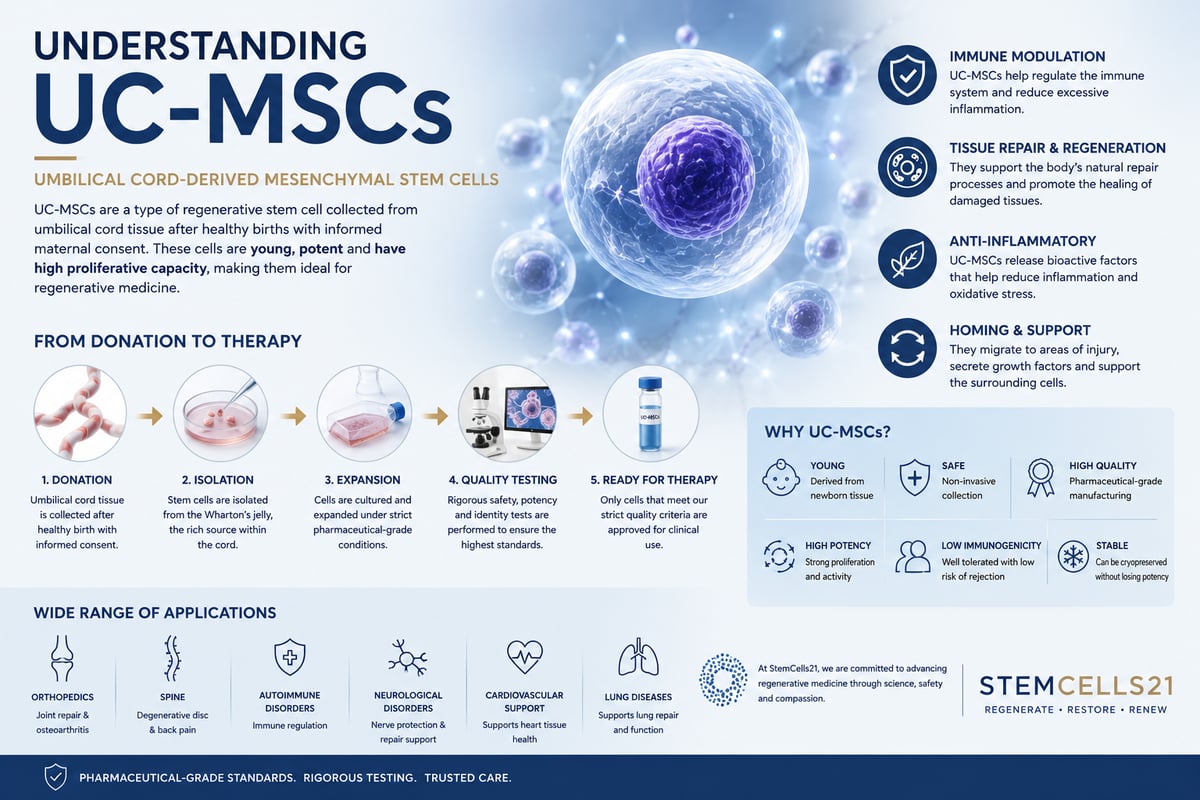
Clinical medicine increasingly incorporates regenerative therapies that address underlying disease mechanisms rather than merely managing symptoms. This paradigm shift offers new possibilities for patients with conditions previously considered irreversible or only manageable through lifelong pharmaceutical intervention.
Regenerative approaches in clinical practice focus on:
- Tissue repair mechanisms that restore function in damaged organs
- Immune modulation to address autoimmune and inflammatory conditions
- Cellular therapies targeting degenerative processes at their source
- Bioactive molecules promoting healing and regeneration
The integration of Stem Cell Treatment into clinical protocols represents one significant advancement in regenerative medicine. Umbilical cord-derived mesenchymal stem cells demonstrate capacity for immune regulation and support of natural repair processes, manufactured under pharmaceutical-grade standards with rigorous quality testing before clinical application.

Clinical Applications Across Multiple Specialties
Regenerative approaches find application across numerous clinical medicine specialties. Rheumatology, orthopaedics, neurology, and pulmonology all incorporate these therapies into treatment algorithms for appropriate patient populations.
Specialty-specific applications include:
- Joint preservation in degenerative arthritis
- Neurological support in autoimmune conditions
- Respiratory function optimisation in chronic lung disease
- Spinal health in degenerative disc conditions
Clinical protocols must carefully select candidates based on comprehensive assessment, ensuring that regenerative interventions align with patient goals and complement conventional treatments.
Digital Health Integration in Clinical Medicine
Telehealth and digital monitoring have transformed how clinicians deliver care, particularly for patients with chronic conditions requiring ongoing management. The American Medical Association Telehealth Resource Center provides evidence-informed guidance for implementing virtual care within clinical workflows.
Data Interoperability and Clinical Workflows
Seamless exchange of clinical information between systems remains essential for coordinated care. The HL7 US Core Implementation Guide establishes technical standards enabling different electronic health record systems to share patient data effectively.
Interoperability benefits include:
- Reduced duplication of diagnostic testing
- Improved medication reconciliation across care settings
- Enhanced care coordination between specialists
- Better access to historical clinical information during emergencies
The ONC Standards Bulletin outlines federal guidance on data elements crucial for clinical workflows, promoting standardisation that supports both clinical practice and research.
Personalised Treatment Planning in Clinical Medicine
Every patient presents unique clinical circumstances requiring individualised assessment and treatment planning. Whilst evidence-based guidelines provide frameworks, skilled clinicians must adapt recommendations to specific patient contexts, considering comorbidities, preferences, social determinants of health, and individual treatment goals.
| Assessment Component | Clinical Considerations | Documentation Requirements |
|---|---|---|
| Medical history | Previous treatments, allergies, family history | Comprehensive chronological record |
| Physical examination | System-specific findings, functional status | Detailed objective findings |
| Diagnostic testing | Results interpretation, trending over time | Structured reporting with clinical correlation |
| Treatment response | Efficacy, adverse effects, adherence | Ongoing monitoring with adjustments |
Personalised approaches recognise that clinical medicine serves individuals, not populations. Statistical probabilities inform decision-making, but each patient's unique biology, circumstances, and values ultimately guide optimal treatment selection.
Shared Decision-Making Models
Effective clinical medicine involves patients as active participants in their care. Shared decision-making respects patient autonomy whilst ensuring individuals understand the risks, benefits, and alternatives for proposed interventions.
This collaborative approach improves:
- Treatment adherence and persistence
- Patient satisfaction with care experiences
- Alignment between interventions and personal values
- Understanding of expected outcomes and timelines
Clinicians must communicate complex medical information in accessible language, checking understanding and addressing concerns throughout the treatment journey.
Training and Competency in Clinical Medicine
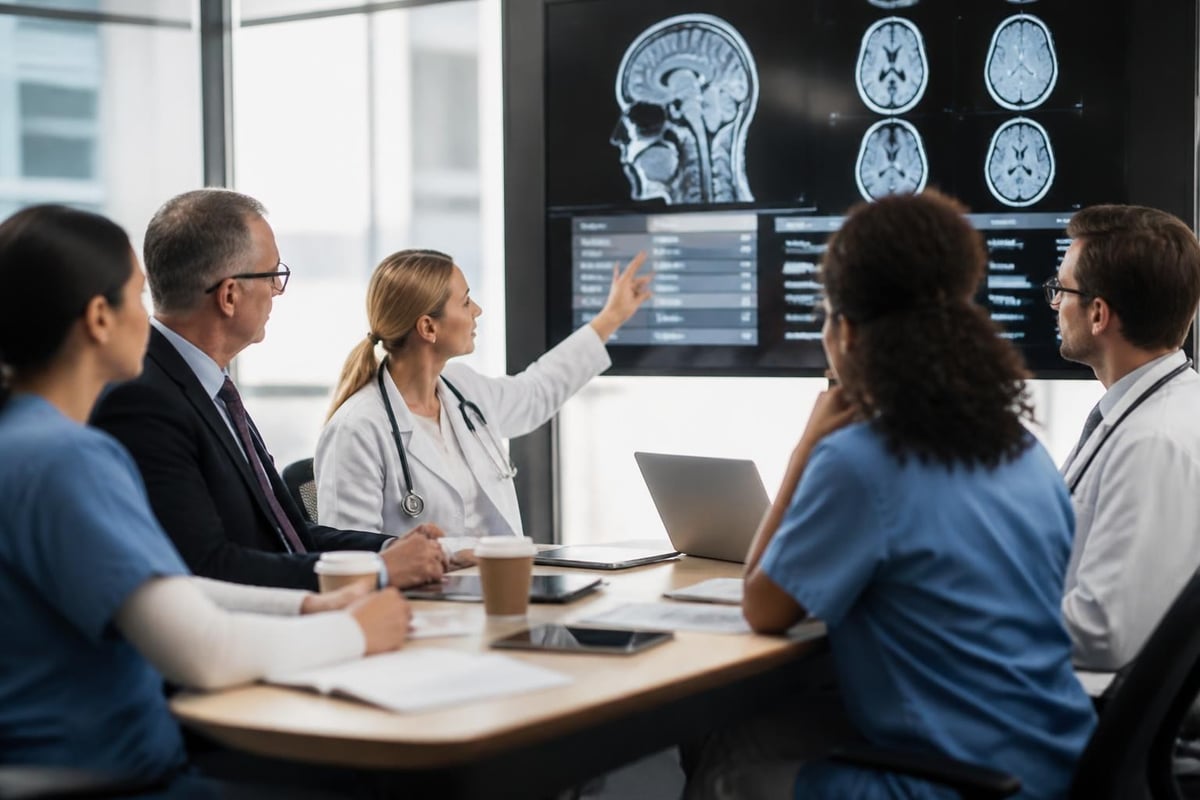
Maintaining clinical competence requires continuous professional development as medical knowledge expands and practice standards evolve. Clinicians must regularly update their understanding through structured education, peer review, and quality improvement initiatives.
Essential competency domains include:
- Technical procedural skills specific to specialty practice
- Communication and interpersonal effectiveness
- Clinical reasoning and diagnostic accuracy
- Ethical decision-making in complex situations
- Systems-based practice and resource stewardship
Simulation-based training allows clinicians to practise high-stakes scenarios in controlled environments, building confidence and competence before encountering similar situations in actual patient care.
Chronic Disease Management in Clinical Practice
The majority of clinical medicine encounters now involve chronic conditions requiring long-term management rather than acute cure. Conditions such as diabetes, cardiovascular disease, chronic respiratory disorders, and autoimmune conditions demand sustained clinical attention with regular monitoring and treatment adjustment.
Effective chronic disease management incorporates:
- Regular monitoring of disease markers and functional status
- Medication optimisation balancing efficacy with tolerability
- Lifestyle modification support addressing modifiable risk factors
- Complication screening enabling early intervention
- Patient education empowering self-management
Clinical teams increasingly adopt population health approaches, using registries and recall systems to ensure patients receive appropriate preventive services and disease-specific monitoring according to evidence-based schedules.
Multimorbidity and Complex Care Coordination
Many patients present with multiple concurrent conditions, creating clinical complexity that challenges traditional single-disease management models. Polypharmacy, treatment interactions, and competing priorities require sophisticated clinical judgment and careful coordination.
| Challenge | Clinical Strategy | Expected Outcome |
|---|---|---|
| Multiple specialists | Designated care coordinator | Reduced fragmentation |
| Polypharmacy | Regular medication review | Minimised adverse interactions |
| Conflicting priorities | Holistic assessment | Patient-centred goal alignment |
| Treatment burden | Simplified regimens where possible | Improved adherence |
Clinical medicine must evolve to address these complex patients more effectively, moving beyond fragmented specialty-based care toward integrated models that consider the whole person.
Global Health Perspectives in Clinical Medicine
Clinical medicine varies considerably across global settings, with resource availability, disease prevalence, and healthcare infrastructure shaping practice patterns. Clinicians must adapt evidence-based approaches to local contexts whilst maintaining core standards of safety and quality.
Challenges in resource-limited settings include:
- Limited access to advanced diagnostics and treatments
- Higher burden of infectious diseases alongside growing chronic disease prevalence
- Workforce shortages affecting continuity and quality of care
- Infrastructure limitations constraining service delivery models
Knowledge gained through the StemCells21 approach demonstrates how specialised facilities can offer advanced regenerative therapies that might otherwise be unavailable in certain regions, creating centres of excellence that attract patients seeking cutting-edge clinical medicine.
Ethical Dimensions of Clinical Practice
Clinical medicine inherently involves ethical considerations as practitioners navigate complex decisions affecting patient wellbeing, autonomy, and dignity. Core ethical principles guide clinical decision-making across diverse situations.
Fundamental ethical principles include:
- Beneficence: Acting in the patient's best interests
- Non-maleficence: Avoiding harm through careful risk-benefit assessment
- Autonomy: Respecting patient choices and informed consent
- Justice: Fair allocation of resources and equitable access to care
Ethical dilemmas arise regularly in clinical practice, particularly when patient preferences conflict with clinical recommendations, when resources are scarce, or when outcomes remain highly uncertain. Institutional ethics committees and consultations support clinicians facing particularly complex situations.
Future Directions in Clinical Medicine
The trajectory of clinical medicine points toward increasingly precise, personalised, and predictive approaches. Artificial intelligence will augment clinical decision-making, wearable sensors will enable continuous monitoring, and novel therapies will address conditions currently lacking effective treatments.
Emerging trends shaping clinical medicine include:
- Genomic integration into routine diagnostics and treatment selection
- Microbiome-based interventions for diverse conditions
- Digital therapeutics delivered through mobile platforms
- Point-of-care diagnostics reducing time to treatment initiation
- Regenerative therapies addressing root causes of degenerative conditions
These innovations must be evaluated rigorously through clinical trials and implemented thoughtfully to ensure they genuinely improve patient outcomes whilst remaining accessible and sustainable within healthcare systems.
Preparing for Tomorrow's Clinical Challenges
Future clinicians will require new competencies beyond traditional medical knowledge. Data literacy, technology fluency, and adaptability to continuous change will complement clinical reasoning and procedural skills.
Healthcare systems must invest in:
- Continuous professional development infrastructure
- Technology platforms supporting clinical decision support
- Quality measurement systems tracking outcomes that matter to patients
- Research infrastructure translating discoveries into clinical practice
Clinical medicine will continue evolving, shaped by scientific advancement, technological innovation, and changing patient expectations. The core mission remains constant: providing compassionate, effective, evidence-based care that improves individual and population health.
Clinical medicine stands at an exciting crossroads where traditional expertise meets innovative therapies capable of addressing previously intractable conditions. As regenerative approaches, precision diagnostics, and digital health tools become standard components of clinical practice, patients gain access to more personalised and effective treatments. At StemCells21, we combine rigorous clinical protocols with advanced regenerative therapies, offering personalised treatment programmes designed to address degenerative diseases, autoimmune conditions, and age-related decline through pharmaceutical-grade stem cell interventions. Our Bangkok facility provides comprehensive assessment and evidence-based regenerative medicine under expert medical supervision, helping patients optimise their health outcomes and quality of life.