
Regenerative medicine continues to evolve with groundbreaking approaches that harness the body's natural repair mechanisms. Among the most promising developments are exosome injections, which represent a cell-free therapeutic strategy derived from stem cells and other cell sources. These nanoscale vesicles contain bioactive molecules that facilitate intercellular communication and tissue regeneration, offering potential benefits across various degenerative conditions, injuries, and age-related disorders. As research advances and clinical applications expand, understanding the science, safety, and therapeutic potential of these treatments becomes increasingly important for patients exploring regenerative options.
Understanding Exosomes and Their Biological Role
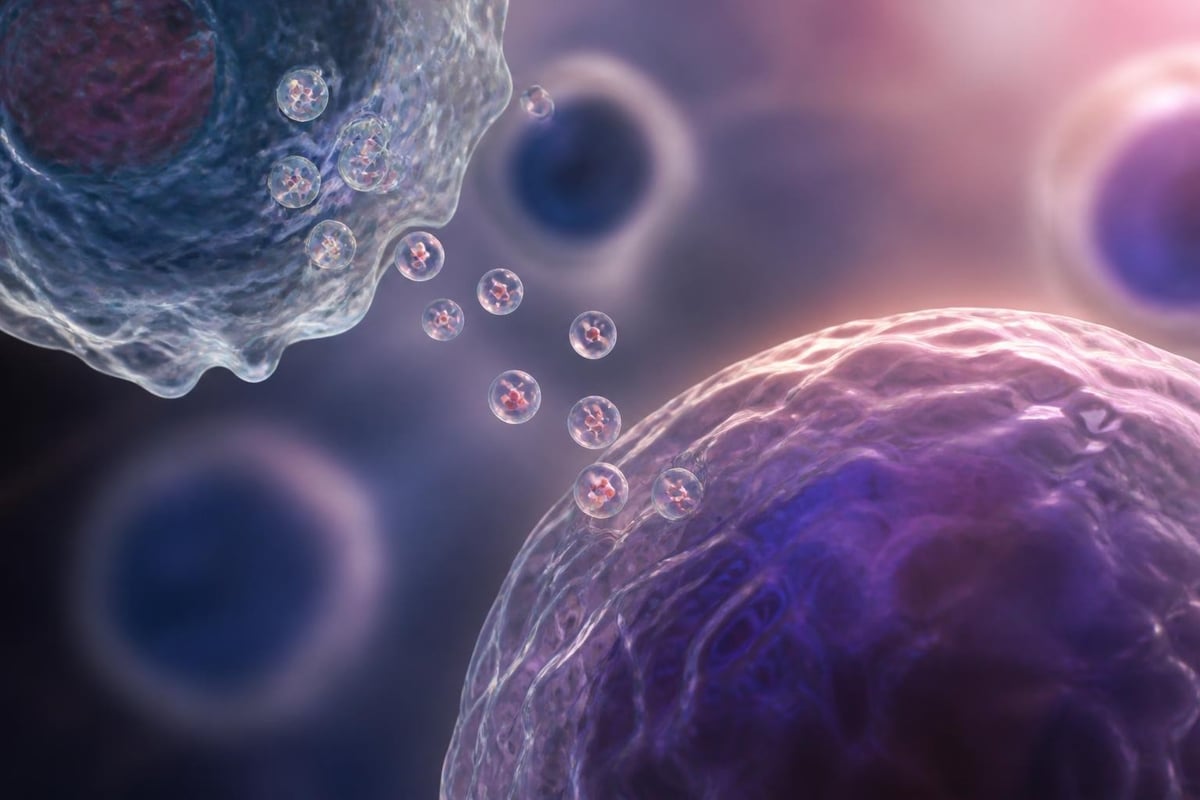
Exosomes are extracellular vesicles measuring 30-150 nanometres in diameter, secreted by virtually all cell types throughout the body. These tiny membrane-bound structures serve as sophisticated cargo carriers, transporting proteins, lipids, messenger RNA, microRNA, and other bioactive molecules between cells.
The biological significance of exosomes extends far beyond simple cellular waste disposal. Research has demonstrated their crucial role in cell-to-cell communication, influencing processes such as immune modulation, tissue repair, angiogenesis, and cellular differentiation. When cells experience stress, injury, or undergo specific functional changes, they release exosomes with tailored molecular signatures designed to influence recipient cells.
The Science Behind Exosome Therapy
Unlike traditional stem cell therapies that introduce living cells into the body, exosome injections deliver the therapeutic messaging system without the cells themselves. This distinction carries significant implications for safety, storage, standardisation, and regulatory considerations.
Key characteristics that make exosomes therapeutically valuable include:
- Nanoscale size enabling penetration across biological barriers
- Natural biocompatibility reducing immune rejection risks
- Molecular cargo containing growth factors, cytokines, and genetic material
- Targeted signalling capability to influence specific cellular pathways
- Stability allowing for banking, storage, and standardised dosing
The therapeutic potential stems from exosomes' ability to modulate inflammation, promote tissue regeneration, support immune balance, and stimulate the body's intrinsic repair mechanisms. These properties have attracted considerable research attention across multiple medical specialties.
Sources and Production Methods for Therapeutic Exosomes
Therapeutic exosomes can be derived from various cell sources, each offering distinct molecular profiles and potential applications. The choice of source material significantly influences the exosome characteristics, therapeutic properties, and clinical outcomes.
| Source Type | Characteristics | Primary Applications | Production Considerations |
|---|---|---|---|
| Mesenchymal Stem Cells (MSCs) | Anti-inflammatory, immunomodulatory, regenerative | Joint injuries, autoimmune conditions, neurological disorders | Well-established protocols, consistent yield |
| Dendritic Cells | Immune-activating, antigen-presenting | Cancer immunotherapy, vaccine development | Specialised handling required |
| Cardiac Cells | Cardioprotective, angiogenic | Cardiovascular conditions | Limited availability |
| Neural Cells | Neuroprotective, neurotrophic | Neurodegenerative diseases | Complex production |
Mesenchymal stem cell-derived exosomes have emerged as the most extensively studied and clinically applied source for regenerative medicine applications. These exosomes inherit the immunomodulatory and regenerative properties of their parent cells whilst offering advantages in terms of safety and scalability.
Manufacturing and Quality Standards
The production of therapeutic-grade exosomes requires stringent quality control and standardised manufacturing processes. Pharmaceutical-grade exosome production typically follows good manufacturing practice (GMP) protocols to ensure consistency, purity, and safety.
Critical manufacturing considerations include:
- Cell source selection and screening for pathogen-free, high-quality donor material
- Controlled culture conditions maintaining optimal cell health and exosome secretion
- Isolation and purification using validated techniques such as ultracentrifugation, size-exclusion chromatography, or tangential flow filtration
- Characterisation and testing to verify size, concentration, protein markers, and bioactivity
- Sterility and endotoxin testing ensuring patient safety
- Storage protocols preserving exosome integrity and therapeutic potency
The complexity of exosome manufacturing has led to ongoing efforts to establish international standards and regulatory frameworks. Quality assurance remains paramount for clinical applications, particularly as the field transitions from research settings to broader therapeutic use.
Clinical Applications and Therapeutic Potential
Exosome injections have demonstrated promise across a remarkably diverse range of medical conditions. Current research and clinical trials explore applications spanning musculoskeletal disorders, neurological conditions, cardiovascular disease, immunological disorders, and aesthetic medicine.
Musculoskeletal and Joint Conditions
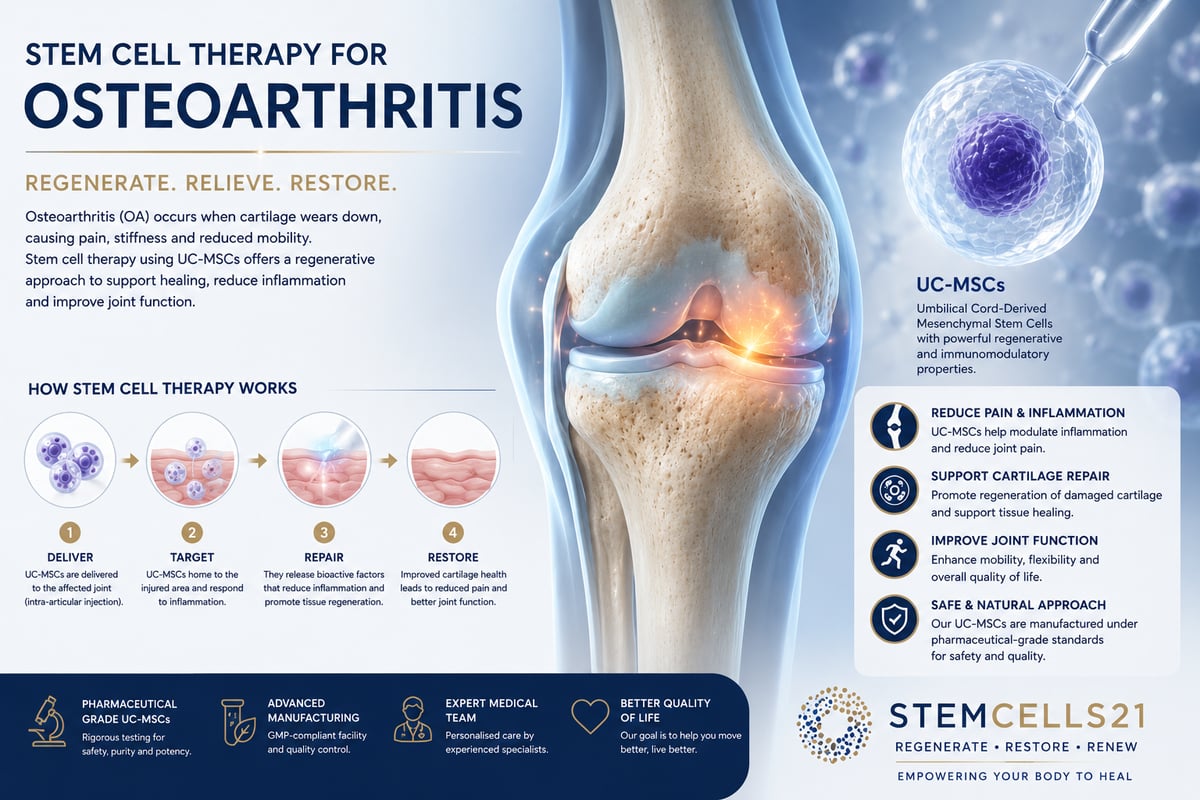
Orthopaedic applications represent one of the most established areas for exosome therapy. Patients with osteoarthritis, tendon injuries, ligament damage, and cartilage degeneration have been treated with exosome injections as part of regenerative protocols.
The anti-inflammatory properties and cartilage-protective effects observed in preclinical studies have translated into clinical investigations. Exosomes may help reduce pain, improve joint function, and support tissue repair processes when administered directly into affected joints or surrounding tissues.
For those seeking comprehensive regenerative approaches to joint health, Osteoarthritis Stem Cell Treatment programmes often incorporate advanced cellular therapies using pharmaceutical-grade umbilical cord-derived mesenchymal stem cells alongside personalised rehabilitation strategies.
Neurological and Neurodegenerative Disorders
The ability of exosomes to cross the blood-brain barrier positions them as particularly promising candidates for neurological applications. Research explores their potential in conditions such as stroke, traumatic brain injury, Parkinson's disease, Alzheimer's disease, and multiple sclerosis.
Neuroprotective effects, promotion of neurogenesis, modulation of neuroinflammation, and support for synaptic plasticity represent key mechanisms under investigation. Clinical trials are examining various administration routes including intravenous, intranasal, and direct injection approaches to optimise delivery to neural tissues.
Cardiovascular and Respiratory Applications
Cardiac repair following myocardial infarction, peripheral vascular disease, and chronic heart failure have emerged as potential therapeutic targets. Exosomes derived from cardiac progenitor cells or MSCs demonstrate angiogenic and cardioprotective properties in experimental models.
Respiratory conditions including chronic obstructive pulmonary disease, acute respiratory distress syndrome, and pulmonary fibrosis are also under investigation. The anti-fibrotic and immune-modulating effects may support lung tissue health and function.

Administration Routes and Treatment Protocols
The route of administration for exosome injections significantly influences biodistribution, targeting efficiency, and therapeutic outcomes. Clinical protocols employ various delivery methods based on the condition being treated, desired therapeutic effects, and patient-specific factors.
Common administration approaches include:
- Intravenous infusion for systemic distribution and immune modulation
- Intra-articular injection targeting specific joints in orthopaedic applications
- Intramuscular injection for localised musculoskeletal conditions
- Intranasal delivery facilitating access to the central nervous system
- Subcutaneous injection for dermatological and aesthetic applications
- Direct tissue injection at sites of injury or degeneration
Intravenous administration offers the advantage of whole-body distribution, potentially addressing systemic inflammation and multiple affected areas simultaneously. This route proves particularly relevant for autoimmune conditions, systemic age-related changes, and conditions affecting multiple organ systems.
Treatment Frequency and Dosing Considerations
Treatment protocols vary considerably based on the condition, exosome source, concentration, and individual patient response. Typical regimens may involve single treatments, series of injections over weeks or months, or periodic maintenance doses.
| Protocol Type | Typical Schedule | Applications | Considerations |
|---|---|---|---|
| Single treatment | One-time injection | Acute injuries, specific joint conditions | May require repeat if response inadequate |
| Series protocol | 2-4 treatments over 4-8 weeks | Chronic conditions, degenerative diseases | Allows for response assessment and adjustment |
| Maintenance approach | Initial series followed by periodic boosters | Chronic inflammatory conditions, longevity programmes | Supports sustained benefits |
Dosing remains an area of active research, with exosome concentrations typically measured in particle numbers or protein content. Standardisation efforts aim to establish therapeutic dose ranges for specific applications, though personalisation based on condition severity and patient characteristics remains important.
Safety Profile and Clinical Evidence
Safety data from clinical trials and systematic reviews have generally demonstrated favourable profiles for exosome-based therapies. The cell-free nature of exosome injections eliminates certain risks associated with living cell transplantation, including tumour formation, uncontrolled proliferation, and immune rejection.
Reported Safety Outcomes
Clinical studies have documented minimal adverse events in the majority of patients receiving exosome injections. Most reported side effects prove mild and transient, resolving without intervention within hours to days following administration.
Commonly reported effects include:
- Mild injection site reactions (redness, swelling, temporary discomfort)
- Transient fatigue or flu-like symptoms following systemic administration
- Headache (particularly with intranasal delivery)
- Mild fever or body aches in some patients
Serious adverse events remain rare in published literature. However, as with any therapeutic intervention, comprehensive screening, appropriate patient selection, and professional medical oversight remain essential for safety optimisation.
Quality and Source Considerations
The safety profile of exosome therapy depends critically on manufacturing quality, source material screening, and purification processes. Pharmaceutical-grade production under GMP conditions minimises contamination risks, ensures consistent quality, and supports reproducible therapeutic outcomes.
Patients should seek treatments from established facilities with documented quality systems, transparent sourcing practices, and appropriate regulatory compliance. The distinction between research-grade and clinical-grade exosomes carries significant implications for both safety and efficacy.
Regulatory Landscape and Clinical Development
The regulatory status of exosome injections varies across jurisdictions, reflecting the evolving nature of this therapeutic modality. Most regulatory authorities classify therapeutic exosomes as biological products requiring specific approval pathways before widespread clinical use.
Current regulatory frameworks focus on manufacturing controls, characterisation requirements, preclinical safety data, and clinical trial evidence. The absence of living cells simplifies certain regulatory considerations whilst introducing unique challenges related to standardisation and potency assessment.
Global Clinical Trial Activity
Analysis of clinical trial registries reveals expanding research into exosome-based therapies across multiple conditions. Trials investigate various exosome sources, administration routes, dosing regimens, and patient populations.
Key research areas in active clinical investigation include:
- Orthopaedic and musculoskeletal disorders
- Neurological and neurodegenerative conditions
- Cardiovascular disease
- Wound healing and tissue repair
- Immune-mediated and inflammatory disorders
- Dermatological and aesthetic applications
The progression from early-phase safety studies to larger efficacy trials indicates growing confidence in the therapeutic potential of exosome injections. However, most applications remain investigational, with ongoing research necessary to establish optimal protocols and patient selection criteria.

Exosomes Versus Traditional Stem Cell Therapy
Understanding the relationship between exosome injections and stem cell therapy helps clarify their respective roles in regenerative medicine. Rather than competing approaches, these modalities represent complementary tools within the regenerative medicine toolkit.
Comparative Characteristics
Traditional stem cell therapy introduces living cells capable of engraftment, differentiation, and long-term tissue integration. These cells also secrete exosomes and other paracrine factors that contribute significantly to therapeutic effects. Research increasingly suggests that much of stem cell therapy's benefit derives from these secreted factors rather than cell replacement.
| Feature | Exosome Injections | Stem Cell Therapy |
|---|---|---|
| Composition | Cell-free vesicles with bioactive cargo | Living cells plus secreted factors |
| Storage | Can be frozen and banked | Requires careful cryopreservation or fresh use |
| Standardisation | Potentially more consistent dosing | Cell viability and function vary |
| Immune considerations | Minimal rejection risk | Some risk depending on source |
| Regulatory pathway | Biological product classification | Cell therapy regulations |
| Manufacturing scalability | High potential for large-scale production | More complex expansion requirements |
Both approaches demonstrate therapeutic potential, with selection depending on the specific condition, treatment goals, and individual patient factors. Some protocols may combine approaches, using stem cells for certain indications whilst employing exosomes for others or as complementary treatments.
Integration with Holistic Wellness Approaches
The effectiveness of exosome injections may be enhanced when integrated into comprehensive wellness strategies addressing multiple aspects of health. Just as regenerative medicine supports tissue repair at the cellular level, complementary approaches support overall vitality and longevity.
Nutritional optimisation plays a foundational role in supporting cellular health and regenerative processes. Whole-food nutrition provides the building blocks necessary for tissue repair, immune function, and cellular metabolism. For those seeking natural nutritional support for their pets' wellness during their own health journeys, North Hound Life offers whole-food supplements designed to support canine health across all life stages.
Physical rehabilitation, appropriate exercise, stress management, and sleep optimisation create an environment conducive to healing and regeneration. These lifestyle factors influence inflammatory status, immune function, and the body's capacity to respond to regenerative therapies.
Skin Health and Regenerative Medicine
The intersection of regenerative medicine and dermatology continues to expand, with exosome applications extending into aesthetic and skin health domains. The molecular signals contained within exosomes may support collagen production, reduce inflammation, and promote tissue remodelling in skin applications.
For those interested in natural approaches to skin health, White Rabbit Skin Care specialises in vegan skincare products formulated with natural ingredients. Their range of cleansers, toners, and moisturisers provides cruelty-free options for maintaining skin health alongside professional treatments.
Patient Selection and Candidacy Considerations
Not all patients represent ideal candidates for exosome injections. Appropriate patient selection optimises safety, therapeutic outcomes, and satisfaction. Comprehensive medical evaluation forms the foundation of candidacy assessment.
Factors favouring candidacy typically include:
- Confirmed diagnosis of a condition with evidence supporting exosome therapy potential
- Inadequate response to conventional treatments or desire for regenerative approaches
- Overall health status supporting safe treatment administration
- Realistic expectations aligned with current evidence
- Commitment to complementary lifestyle and rehabilitation strategies
- Access to qualified medical oversight and follow-up care
Relative contraindications may include:
- Active infections requiring resolution before treatment
- Certain malignancies or cancer history (requiring oncology clearance)
- Severe uncontrolled medical conditions
- Pregnancy or breastfeeding (due to limited safety data)
- Known hypersensitivity to treatment components
Individual assessment by qualified medical professionals with expertise in regenerative medicine ensures appropriate patient selection and treatment planning. Additional resources on regenerative approaches can be found through stem cell treatment articles that explore various therapeutic modalities.
Future Directions and Emerging Research
The field of exosome therapy continues to evolve rapidly, with multiple avenues of investigation promising to expand therapeutic applications and optimise treatment protocols. Advances in targeted delivery represent one particularly exciting frontier.
Engineering and Modification Strategies
Researchers are developing methods to engineer exosomes with enhanced targeting capabilities, modified cargo contents, and improved stability. These modifications may enable more precise therapeutic effects, reduced required doses, and expanded applications.
Promising modification approaches include:
- Surface engineering to enhance targeting to specific tissues or cells
- Cargo loading with therapeutic molecules, drugs, or genetic material
- Hybrid systems combining exosomes with synthetic nanoparticles
- Optimisation of production methods to enhance yield and potency
- Development of combination products incorporating multiple therapeutic elements
Personalised Exosome Therapy
The future may bring increasingly personalised approaches, with exosomes derived from patients' own cells or selected based on individual molecular profiles. Biomarker-guided treatment selection could optimise outcomes by matching exosome characteristics to patient-specific needs.
Artificial intelligence and machine learning applications may help predict treatment responses, optimise dosing protocols, and identify ideal candidate populations for specific exosome preparations. These technologies could accelerate clinical development whilst improving therapeutic precision.
Cost Considerations and Accessibility
Exosome injection therapy currently represents a significant investment, reflecting the sophisticated manufacturing processes, quality control requirements, and specialised expertise necessary for safe and effective treatment. Costs vary considerably based on exosome source, treatment protocol, administration route, and geographic location.
Factors influencing treatment costs include the number of injections required, exosome concentration and volume, additional therapies or assessments included in treatment plans, and facility overhead and expertise levels. Patients should obtain comprehensive cost estimates including all aspects of care before committing to treatment.
Insurance coverage remains limited for most exosome applications, as many indications remain investigational. Some facilities offer financing options or payment plans to improve accessibility. As clinical evidence expands and manufacturing processes become more efficient, costs may decrease whilst availability increases.
The value proposition extends beyond immediate costs to consider potential long-term benefits including reduced need for conventional treatments, improved function and quality of life, delayed progression of degenerative conditions, and avoidance of surgical interventions. Individual circumstances determine whether exosome therapy represents appropriate value for specific patients.
Combining Exosomes with Other Regenerative Modalities
Advanced regenerative medicine protocols increasingly employ multimodal approaches that combine complementary therapies for synergistic effects. Exosome injections may be integrated with platelet-rich plasma (PRP), stem cell therapy, growth factor treatments, or supportive modalities.
Potential combination strategies include:
- Exosomes plus PRP for enhanced growth factor delivery in orthopaedic applications
- Stem cells followed by exosome maintenance treatments for sustained regenerative signalling
- Exosomes combined with physical therapy or rehabilitation for optimised functional outcomes
- Sequential treatments targeting different aspects of tissue repair and regeneration
- Supportive therapies addressing inflammation, nutrition, and metabolic optimisation
The scientific rationale for combination approaches stems from the multifaceted nature of tissue degeneration and repair. Addressing inflammation, providing regenerative signals, supporting structural repair, and optimising the healing environment may produce superior outcomes compared to single-modality treatments.
Clinical protocols should be individualised based on comprehensive assessment, evidence-based practice, and ongoing response monitoring. Professional medical guidance ensures appropriate treatment sequencing, timing, and integration of multiple therapeutic elements.
Exosome injections represent a sophisticated advancement in regenerative medicine, offering cell-free delivery of therapeutic signals that support tissue repair, immune modulation, and regenerative processes across diverse conditions. As research continues to elucidate mechanisms, optimise protocols, and expand clinical applications, this modality promises to play an increasingly important role in comprehensive treatment strategies. If you're exploring regenerative options for degenerative conditions, injuries, or age-related health concerns, StemCells21 offers personalised regenerative medicine programmes in our state-of-the-art Bangkok facility, combining advanced therapies with expert medical care tailored to your specific needs and goals.