
The induced pluripotent stem cell iPSC represents one of the most significant breakthroughs in regenerative medicine since its discovery in 2006. By reprogramming adult cells back to a pluripotent state, scientists have created a powerful tool that bypasses many ethical concerns associated with embryonic stem cells whilst offering unprecedented opportunities for disease modelling, drug discovery, and personalized treatments. This technology has matured from a laboratory curiosity into a clinical reality, with numerous therapeutic applications now entering advanced development stages. Understanding the science, applications, and current state of induced pluripotent stem cell iPSC technology is essential for patients, clinicians, and researchers navigating the evolving landscape of regenerative medicine.
Understanding Induced Pluripotent Stem Cell iPSC Technology
The induced pluripotent stem cell iPSC is created by introducing specific transcription factors into adult somatic cells, typically skin fibroblasts or blood cells. These factors-originally identified as Oct4, Sox2, Klf4, and c-Myc (the Yamanaka factors)-reprogram the cell's epigenetic landscape, effectively reversing cellular development to achieve pluripotency.
Pluripotency refers to the capacity of these cells to differentiate into virtually any cell type in the human body. This characteristic makes induced pluripotent stem cell iPSC technology particularly valuable for therapeutic applications.
Key advantages of iPSC technology include:
- Patient-specific cell derivation without immune rejection concerns
- Avoidance of ethical issues surrounding embryonic stem cells
- Unlimited proliferation capacity for research and therapy
- Ability to model genetic diseases in vitro
- Platform for personalized drug screening and toxicity testing
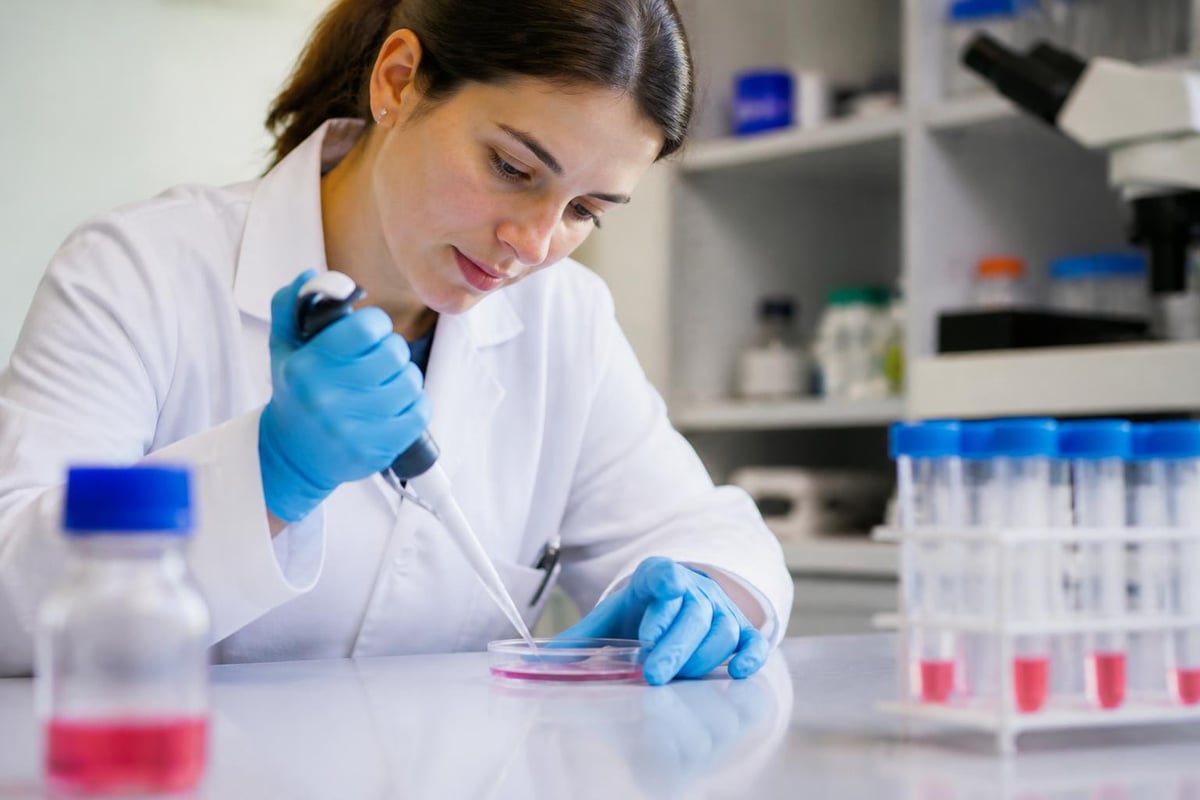
The molecular mechanisms underlying iPSC reprogramming have been extensively characterized, revealing complex interactions between transcription factors, chromatin remodelling proteins, and metabolic pathways. This detailed understanding has enabled researchers to refine protocols, improving both efficiency and safety.
Reprogramming Methods and Efficiency
The evolution of iPSC reprogramming methodologies has progressed from initial viral vector approaches to more sophisticated non-integrating systems. Each method presents distinct trade-offs between efficiency, safety, and scalability.
| Reprogramming Method | Efficiency | Integration Risk | Clinical Suitability |
|---|---|---|---|
| Retroviral vectors | High (0.1-1%) | Permanent integration | Low |
| Lentiviral vectors | Moderate-High | Permanent integration | Low |
| Sendai virus | Moderate (0.01-0.1%) | Non-integrating | High |
| Episomal plasmids | Low-Moderate | Non-integrating | High |
| mRNA transfection | Low | Non-integrating | Very High |
| Small molecules | Very Low | Non-integrating | Very High |
Non-integrating methods have become the gold standard for clinical-grade iPSC production. These approaches eliminate the risk of insertional mutagenesis whilst maintaining sufficient reprogramming efficiency for therapeutic purposes.
The timeline for complete reprogramming typically spans 2-4 weeks, during which cells undergo dramatic morphological, metabolic, and molecular changes. Quality control checkpoints throughout this process ensure only fully reprogrammed, karyotypically normal clones proceed to expansion.
Clinical Applications in Regenerative Medicine
Induced pluripotent stem cell iPSC technology has opened new frontiers across multiple medical disciplines. The ability to generate patient-specific cells creates opportunities for treatments that were previously impossible with traditional stem cell sources.
Disease Modelling and Drug Discovery
Researchers can now create "disease in a dish" models by deriving iPSCs from patients with genetic conditions, then differentiating these cells into affected cell types. This approach has revolutionized our understanding of neurodegenerative diseases, cardiovascular conditions, and rare genetic disorders.
Pharmaceutical companies increasingly utilize iPSC-derived cells for drug screening, toxicity testing, and precision medicine approaches. These applications accelerate development timelines whilst reducing reliance on animal models.
Major disease categories being modelled with iPSC technology:
- Neurodegenerative disorders (Parkinson's, Alzheimer's, ALS)
- Cardiovascular diseases (cardiomyopathies, arrhythmias)
- Metabolic conditions (diabetes, mitochondrial disorders)
- Immunological diseases (autoimmune conditions)
- Developmental abnormalities
The use of iPSC-derived organoids represents a particularly exciting development, enabling three-dimensional tissue models that better recapitulate human physiology than traditional two-dimensional cultures.
Neurological and Neurodegenerative Applications
Neurological conditions present unique challenges for regenerative medicine due to the complexity of neural tissue and limited regenerative capacity of the adult nervous system. Induced pluripotent stem cell iPSC technology offers potential solutions by generating replacement neurons, glial cells, and supporting tissues.
Clinical trials are currently evaluating iPSC-derived dopaminergic neurons for Parkinson's disease, with early results showing promise for symptom improvement and disease modification. Similarly, research into motor neuron replacement for conditions like amyotrophic lateral sclerosis continues advancing.
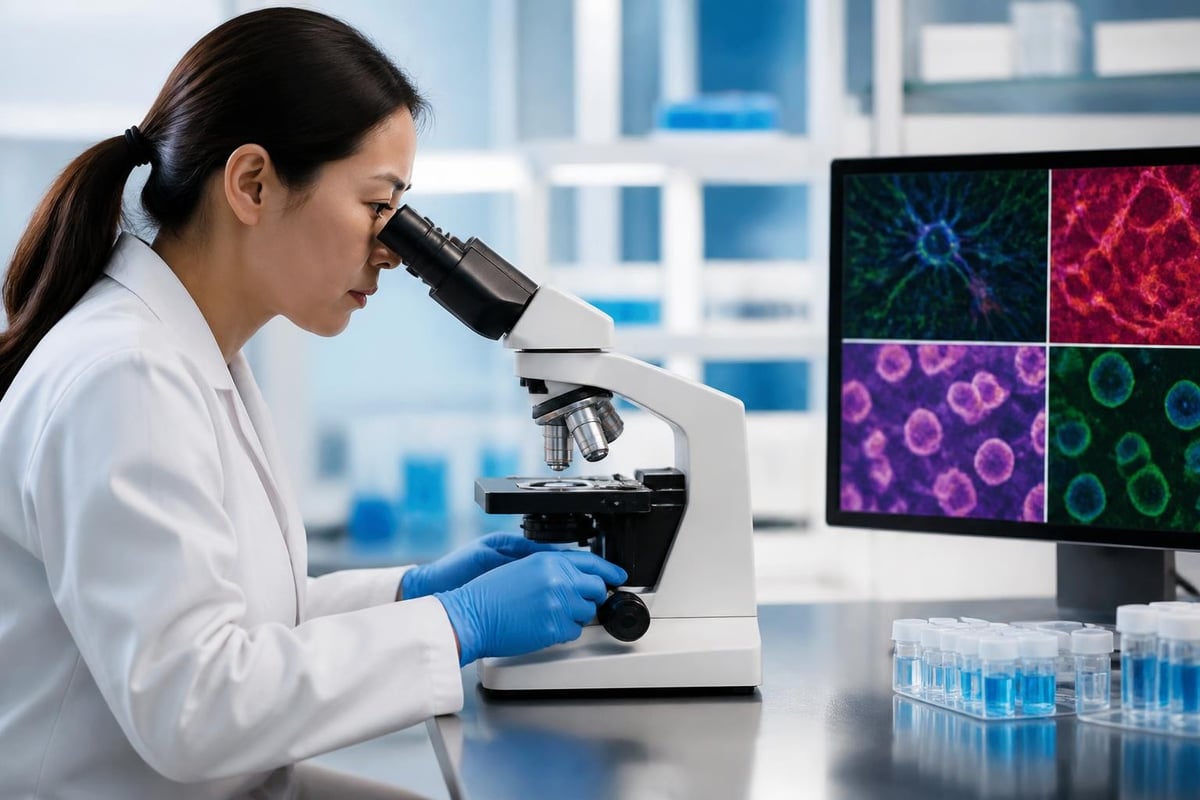
The technology also enables sophisticated differentiation protocols for sensory and neural cell types, providing researchers with the tools needed to study and potentially treat a wide range of neurological disorders. These advances complement existing regenerative approaches and may eventually provide treatment options for conditions previously considered untreatable.
Manufacturing and Quality Standards
Clinical translation of induced pluripotent stem cell iPSC therapies requires robust manufacturing processes that meet stringent regulatory requirements. The transition from research-grade to clinical-grade production involves significant challenges in scalability, reproducibility, and quality assurance.
Good Manufacturing Practice Requirements
Pharmaceutical-grade iPSC production must adhere to Good Manufacturing Practice (GMP) standards, ensuring consistent quality, safety, and efficacy. These requirements govern every aspect of production, from raw material sourcing to final product release.
Regulatory frameworks established by agencies like the European Medicines Agency provide detailed guidance on manufacturing, testing, and documentation requirements for cell-based therapies. Compliance with these standards is essential for clinical approval.
Critical quality attributes for clinical-grade iPSCs include:
- Identity verification through molecular markers and functional assays
- Purity assessment ensuring absence of contaminating cell types
- Potency testing demonstrating differentiation capacity
- Safety screening for pathogens, mycoplasma, and genetic abnormalities
- Stability studies confirming maintenance of characteristics through banking
Scale-Up and Differentiation Protocols
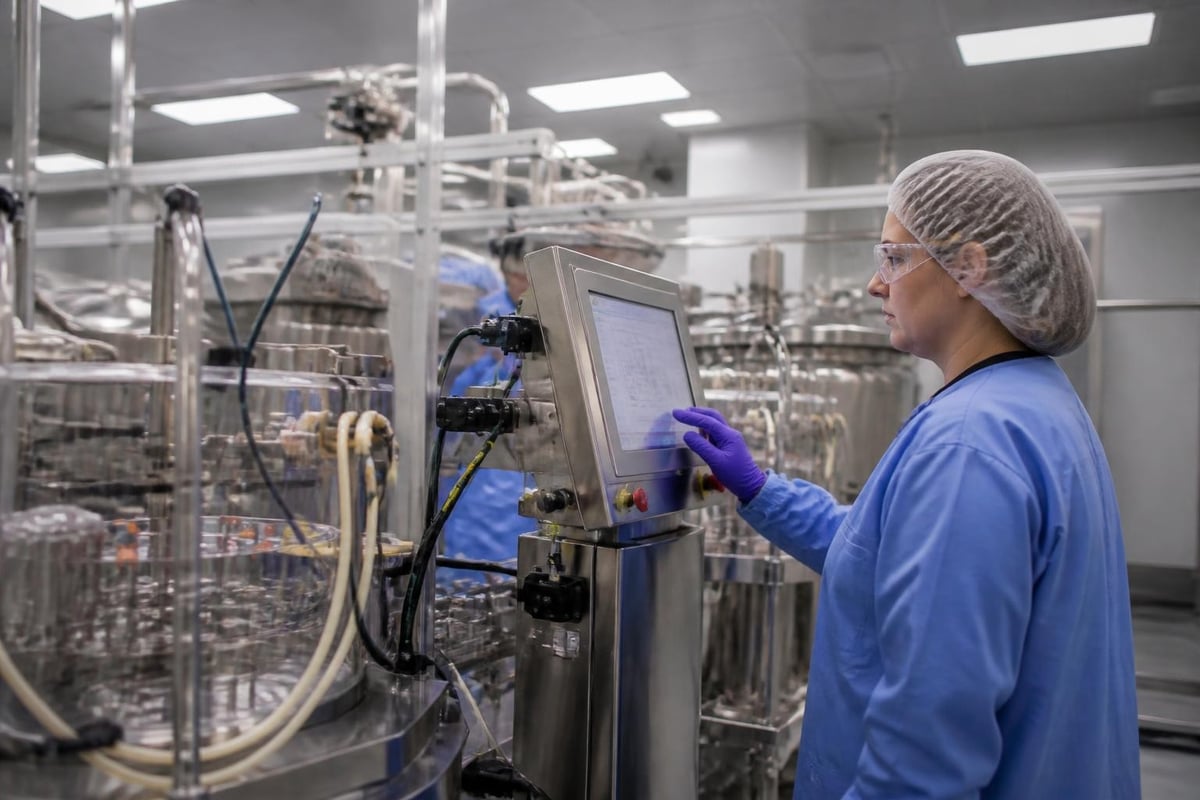
Moving from laboratory-scale iPSC production to commercial manufacturing requires significant process development. Scalable production systems using stirred suspension bioreactors have demonstrated the feasibility of generating clinically relevant cell numbers whilst maintaining quality standards.
Differentiation protocols must be similarly optimized for large-scale production. The induced pluripotent stem cell iPSC serves as the starting material, but the therapeutic product typically consists of specialized cells derived through directed differentiation.
Automated cell culture systems, real-time monitoring, and process analytical technology increasingly support reproducible, large-scale manufacturing. These advances are essential for making iPSC therapies commercially viable and accessible to patients.
Regulatory and Ethical Considerations
The regulatory pathway for induced pluripotent stem cell iPSC therapies is complex, reflecting both the innovative nature of these treatments and the need to ensure patient safety. Different jurisdictions have adopted varying approaches, creating challenges for international development.
Regulatory Frameworks Worldwide
Regulatory agencies classify iPSC-derived products as advanced therapy medicinal products (ATMPs) or biologics, subjecting them to rigorous review processes. These evaluations assess manufacturing quality, preclinical efficacy and safety data, and clinical trial design before approving human studies.
Key regulatory considerations include:
- Demonstration of consistent manufacturing processes
- Comprehensive characterization of cellular products
- Evidence of preclinical efficacy in relevant models
- Risk management strategies for tumorigenicity
- Long-term follow-up protocols for treated patients
The international registry of human pluripotent stem cell lines provides standardized documentation and tracking, facilitating regulatory compliance and research reproducibility. This resource has become essential for maintaining transparency and enabling collaboration across research institutions.
Ethical and Consent Issues
Whilst induced pluripotent stem cell iPSC technology avoids the ethical concerns associated with embryonic stem cells, it raises its own ethical considerations. These primarily relate to informed consent, privacy protection, and the potential for dual use in research.
Ethical frameworks developed through multi-stakeholder discussions address consent requirements when deriving iPSC lines from biological samples, particularly when these samples were originally collected for other purposes. Patients must understand potential future uses, commercialization possibilities, and privacy implications.
Additional ethical questions arise around:
- Ownership and benefit-sharing from commercial products
- Incidental findings during genetic characterization
- Creation of gametes or embryo-like structures from iPSCs
- Access and equity in receiving iPSC-based treatments
Intellectual Property Landscape
The intellectual property environment surrounding iPSC technology has evolved considerably since the original Yamanaka patents. Freedom to operate analyses are essential for commercial development, as numerous overlapping patents cover reprogramming methods, differentiation protocols, and specific applications.
Patent strategies must balance protecting innovations whilst enabling research progress. Many institutions have adopted licensing frameworks that distinguish between research use and commercial applications, facilitating academic investigation whilst preserving commercial value.
Current Clinical Trials and Future Directions
As of 2026, numerous clinical trials are evaluating induced pluripotent stem cell iPSC-derived therapies for various conditions. These studies represent the culmination of nearly two decades of research and development since the technology's inception.
Active Clinical Programs
The most advanced programs focus on conditions where iPSC-derived cells offer clear advantages over existing treatments. Ophthalmological applications have progressed particularly rapidly, with retinal pigment epithelium transplants for age-related macular degeneration showing encouraging safety and efficacy signals.
Cardiovascular applications, including cardiomyocyte transplantation for heart failure, have entered early-phase trials. These studies carefully monitor safety whilst exploring potential efficacy signals that could justify larger confirmatory trials.
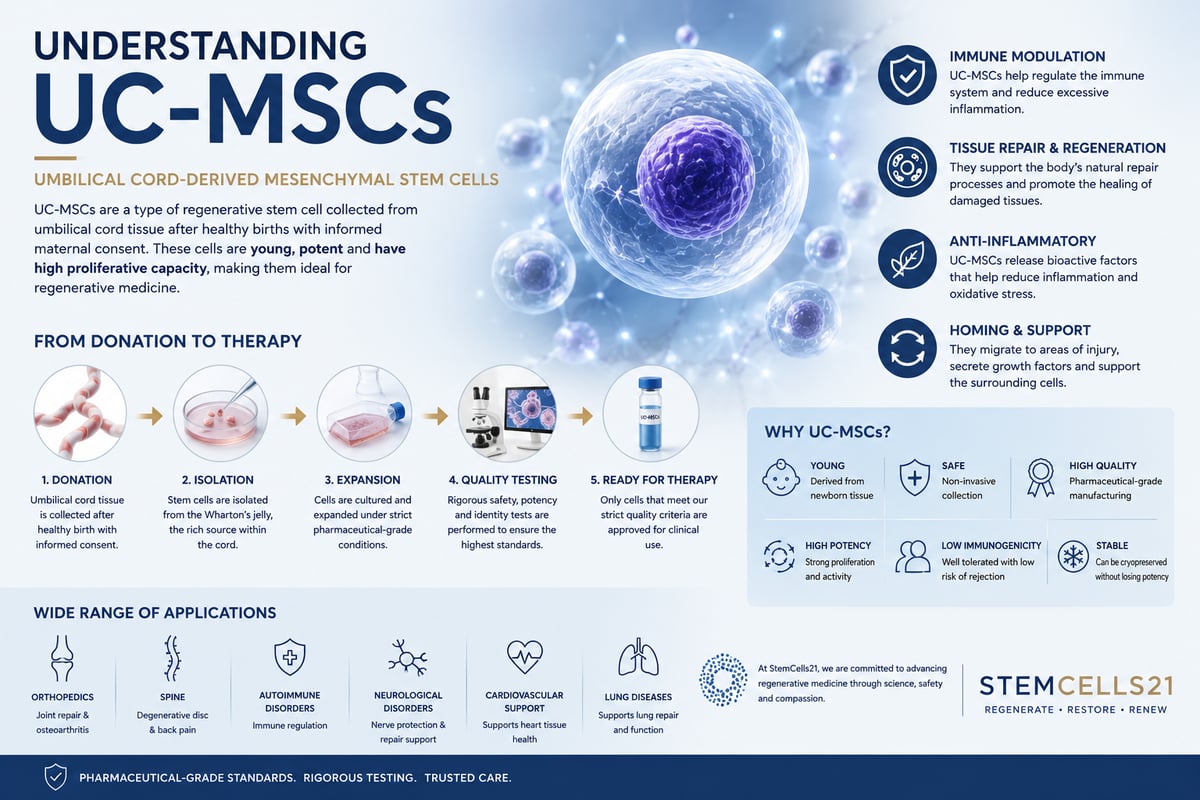
For patients with conditions affecting the immune system or requiring immune modulation, approaches utilizing mesenchymal stem cells continue to show promise. StemCells21 in Bangkok offers regenerative therapy programmes that harness the immune-regulating properties of pharmaceutical-grade stem cells to support patients with various degenerative and age-related conditions, complementing the emerging iPSC field with established therapeutic approaches.
Technical Challenges and Solutions
Despite remarkable progress, induced pluripotent stem cell iPSC technology faces ongoing technical hurdles. Tumorigenicity risk from residual undifferentiated cells requires sophisticated purification strategies and long-term safety monitoring. Researchers have developed multiple approaches to address this concern, including genetic safeguards and selective cell sorting.
Immunogenicity remains a consideration even with autologous iPSC-derived cells, as the differentiation process can introduce antigenic changes. HLA-matched allogeneic iPSC banks offer an alternative strategy, potentially providing off-the-shelf products whilst minimizing immune rejection.
| Challenge | Current Solutions | Future Directions |
|---|---|---|
| Tumorigenicity | Cell sorting, suicide genes | Improved differentiation purity |
| Immunogenicity | HLA matching, immunosuppression | Universal donor lines |
| Manufacturing cost | Process optimization | Automation, scale economies |
| Differentiation efficiency | Protocol refinement | Small molecule enhancement |
| Genetic stability | Quality screening | CRISPR-based correction |
Integration with Gene Editing
The combination of induced pluripotent stem cell iPSC technology with CRISPR and other gene-editing tools creates unprecedented opportunities for treating genetic diseases. Researchers can correct disease-causing mutations in patient-derived iPSCs before differentiation and transplantation, potentially providing curative treatments for previously intractable conditions.
This strategy has shown particular promise for blood disorders, immune deficiencies, and metabolic diseases where single-gene corrections can restore normal function. Clinical trials combining gene editing with iPSC technology are now underway for several conditions.
Comparing iPSCs with Other Stem Cell Sources
Understanding how induced pluripotent stem cell iPSC technology compares with alternative stem cell sources helps clarify appropriate applications and therapeutic strategies. Each stem cell type offers distinct advantages depending on the clinical context.
iPSCs versus Embryonic Stem Cells
Embryonic stem cells and iPSCs share pluripotency but differ significantly in derivation, ethical considerations, and practical applications. Both can differentiate into any cell type, but iPSCs avoid ethical concerns whilst enabling patient-specific therapy.
Comparative advantages of iPSCs:
- No embryo destruction required
- Patient-specific derivation possible
- Reduced immune rejection risk (autologous use)
- Disease modelling with patient genetics
- No requirement for oocyte donors
Embryonic stem cells maintain certain technical advantages, including potentially higher differentiation efficiency for some lineages and fewer epigenetic abnormalities from reprogramming. However, the practical and ethical benefits of iPSCs have made them the preferred choice for most applications.
iPSCs versus Adult Stem Cells
Adult stem cells, including mesenchymal stem cells, haematopoietic stem cells, and tissue-specific progenitors, offer different therapeutic possibilities than induced pluripotent stem cell iPSC technology. Adult stem cells are multipotent rather than pluripotent, limiting their differentiation potential but offering advantages in safety and immediate availability.
Mesenchymal stem cells in particular have demonstrated clinical utility through immunomodulatory effects, supporting tissue repair without necessarily differentiating into replacement cells. This mechanism differs fundamentally from iPSC approaches that aim to generate specific replacement cell types.
The choice between iPSC-derived cells and adult stem cells depends on therapeutic goals, with some conditions benefiting more from one approach than the other. Many researchers envision both technologies playing complementary roles in the future of regenerative medicine.
Patient Considerations and Access
For patients considering treatments involving induced pluripotent stem cell iPSC technology, understanding the current state of development, realistic expectations, and access pathways is essential. The field has progressed dramatically, but most applications remain investigational.
Evaluating Treatment Options
Patients should carefully distinguish between established therapies, legitimate clinical trials, and unproven interventions. Induced pluripotent stem cell iPSC-derived therapies currently approved for routine clinical use remain limited, with most applications still in research phases.
Questions to consider when evaluating options include:
- Is the treatment part of a properly designed clinical trial?
- What regulatory oversight governs the therapy?
- What evidence supports efficacy for your specific condition?
- What are the realistic risks and benefits?
- What follow-up and monitoring will be provided?
Reputable treatment centres provide transparent information about the evidence base, regulatory status, and expected outcomes. They also ensure proper informed consent and appropriate patient selection.
Geographic Variations in Access
Access to iPSC-based therapies varies considerably by region, reflecting differences in regulatory frameworks, research infrastructure, and healthcare systems. Some jurisdictions have expedited pathways for regenerative medicine products, whilst others maintain more conservative approval processes.
Patients considering treatment abroad should carefully verify the credentials of treatment facilities, the qualifications of medical staff, and the regulatory status of proposed interventions. International treatment centres with established reputations for quality and safety provide better outcomes than facilities offering unproven therapies outside regulatory frameworks.
The induced pluripotent stem cell iPSC field has matured from groundbreaking discovery to clinical reality, offering new hope for treating previously intractable conditions whilst avoiding many ethical concerns of earlier stem cell approaches. As manufacturing processes scale, regulatory pathways clarify, and clinical evidence accumulates, these therapies will become increasingly accessible to patients worldwide. If you're exploring advanced regenerative medicine options for degenerative diseases, age-related conditions, or injuries, StemCells21 in Bangkok offers personalized therapy programmes utilizing pharmaceutical-grade stem cells, comprehensive medical assessments, and expert clinical care to help optimize your health outcomes.