
The landscape of regenerative medicine has undergone a revolutionary transformation since Japanese researcher Shinya Yamanaka successfully reprogrammed adult cells into a pluripotent state in 2006. This breakthrough discovery of induced pluripotent stem cells ips cells has opened unprecedented possibilities for personalized medicine, disease modelling, and therapeutic interventions. Unlike embryonic stem cells, which raise ethical concerns, induced pluripotent stem cells offer a patient-specific approach to regenerative treatments whilst avoiding the moral complexities associated with embryonic tissue. Today's researchers and clinicians are exploring how these remarkable cells can address conditions ranging from neurological disorders to cardiovascular disease, making them a cornerstone of modern regenerative medicine strategies.
Understanding the Science Behind Reprogramming
Induced pluripotent stem cells ips cells are created through a sophisticated reprogramming process that reverses the developmental clock of adult somatic cells. By introducing specific transcription factors-originally identified as Oct4, Sox2, Klf4, and c-Myc-scientists can coax mature cells back into an embryonic-like state. This process effectively erases the specialized identity of adult cells and restores their capacity to differentiate into virtually any cell type in the human body. For a broader primer on how these reprogrammed cells are made and used, see our guide to cell iPS technology.
The molecular mechanisms underlying this transformation remain an active area of investigation. Current research in Nature has illuminated the intricate epigenetic changes that occur during reprogramming, including DNA methylation patterns, histone modifications, and chromatin remodelling. These changes collectively reset the cell's developmental program, creating a blank slate with enormous therapeutic potential.
Advanced Reprogramming Methods
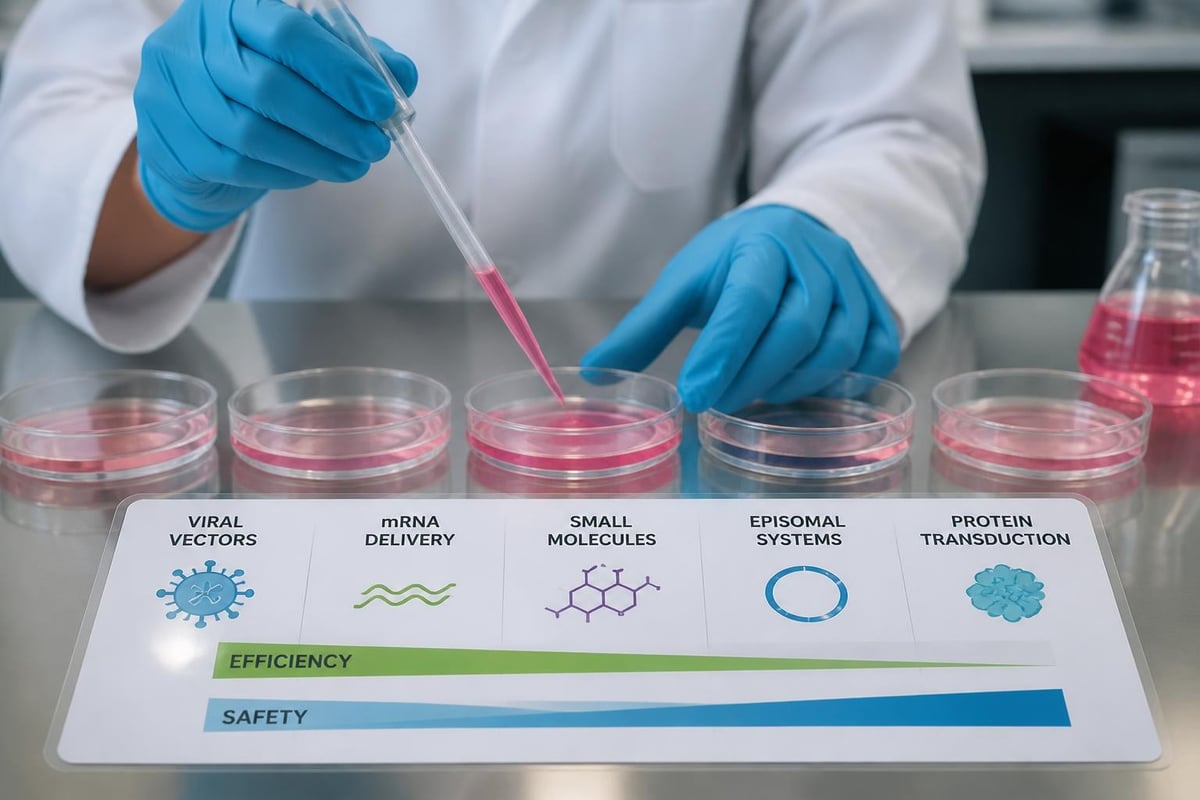
Modern reprogramming techniques have evolved considerably beyond the original Yamanaka factors. Researchers now employ various delivery methods to enhance efficiency and safety:
- Non-integrating viral vectors that avoid genomic insertion
- Modified mRNA approaches for transient expression
- Small molecule cocktails that can replace some transcription factors
- Episomal vectors that remain extrachromosomal and dilute with cell division
- Direct protein delivery eliminating genetic material entirely
Each methodology presents distinct advantages regarding safety, efficiency, and scalability. The choice of reprogramming strategy depends on the intended application, whether for research, disease modelling, or clinical translation.
Clinical Applications Transforming Patient Care
The therapeutic potential of induced pluripotent stem cells ips cells extends across numerous medical specialties. Cardiologists are investigating iPSC-derived cardiomyocytes for treating heart failure and repairing damaged myocardium following infarction. A recent randomized trial in Nature Medicine demonstrated promising early results using allogeneic iPSC-derived heart cells for ischemic conditions, marking a significant milestone in cardiovascular regeneration.
Neurological applications represent another frontier where induced pluripotent stem cells show considerable promise. Researchers are developing iPSC-derived dopaminergic neurons for Parkinson's disease, motor neurons for amyotrophic lateral sclerosis, and various neural cell types for spinal cord injuries. The ability to generate patient-specific neurons enables personalized approaches that may overcome immune rejection challenges.
Disease Modelling and Drug Discovery
Beyond direct therapeutic applications, induced pluripotent stem cells ips cells have revolutionized how researchers study disease mechanisms. By reprogramming cells from patients with genetic conditions, scientists can create "disease in a dish" models that recapitulate pathological features in vitro. These models provide invaluable platforms for:
- Understanding disease pathogenesis at the cellular and molecular level
- Screening potential therapeutic compounds using patient-derived cells
- Identifying biomarkers for early diagnosis and monitoring
- Testing gene therapies before clinical application
- Predicting drug responses based on individual genetic backgrounds
The pharmaceutical industry has embraced iPSC technology for drug development pipelines. Companies can now assess compound toxicity and efficacy using human-derived cells rather than relying solely on animal models, improving translation success rates and reducing late-stage clinical failures.
Manufacturing Challenges and Quality Standards
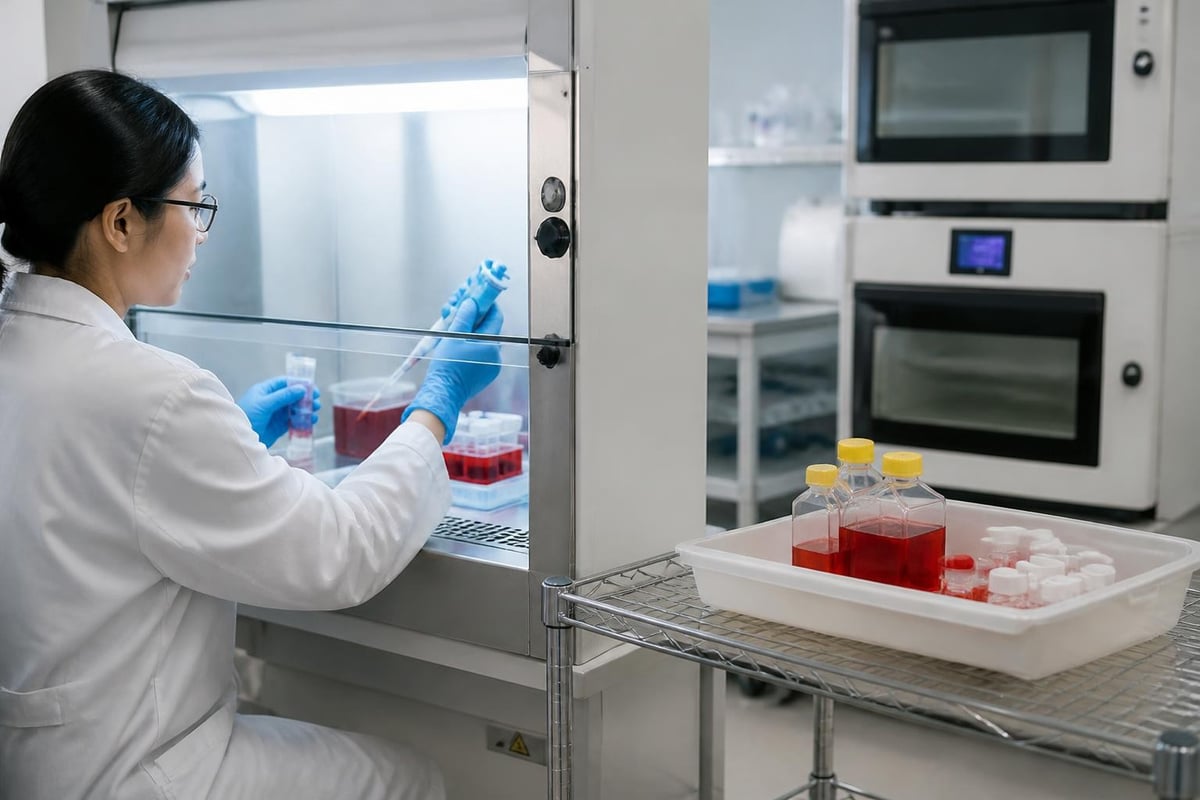
Translating induced pluripotent stem cells ips cells from laboratory curiosities to clinical-grade therapies requires rigorous manufacturing processes and quality control systems. The JSRM-ISCT committee has outlined critical technical challenges including scalability, consistency, and regulatory compliance that must be addressed for successful commercialization.
| Manufacturing Aspect | Key Challenges | Current Solutions |
|---|---|---|
| Cell Line Derivation | Genetic stability, validation | Karyotyping, whole-genome sequencing |
| Expansion Systems | Scale-up, consistency | Bioreactors, defined media |
| Differentiation | Purity, maturity | Optimized protocols, sorting |
| Quality Control | Safety testing, potency assays | Standardized release criteria |
| Storage & Distribution | Cryopreservation, viability | Validated banking procedures |
Pharmaceutical-grade production demands exceptional attention to detail. Each batch must undergo extensive characterization to confirm pluripotency, genomic integrity, and absence of contamination. These stringent requirements ensure patient safety whilst maintaining the therapeutic potential of the final cell product.
Regulatory Frameworks and Guidelines
The International Society for Stem Cell Research provides comprehensive guidance on best practices for developing pluripotent stem cell therapies. Regulatory agencies worldwide, including the FDA, EMA, and PMDA, have established frameworks specifically addressing iPSC-derived products. These guidelines cover:
- Preclinical safety assessments including tumorigenicity testing
- Manufacturing standards aligned with good manufacturing practices
- Clinical trial design with appropriate endpoints and monitoring
- Post-market surveillance for long-term safety tracking
Navigating this regulatory landscape requires multidisciplinary expertise spanning cell biology, manufacturing, clinical medicine, and regulatory affairs. Initiatives like the Cell & Gene Therapy Catapult are working to streamline translation by addressing common bottlenecks and sharing best practices across the field.
Genome Editing and Next-Generation iPSCs
The convergence of induced pluripotent stem cells ips cells technology with advanced genome editing tools has unlocked extraordinary possibilities. CRISPR-Cas9 and related technologies enable precise genetic modifications in iPSC lines, creating opportunities for:
Correcting genetic mutations associated with inherited diseases, allowing autologous transplantation of healthy cells back to patients. This approach combines the personalized nature of iPSCs with the precision of gene therapy.
Creating universal donor cells through targeted deletion of major histocompatibility complex genes, potentially enabling off-the-shelf cell therapies that evade immune rejection. Recent advances in genome editing have demonstrated feasibility of such hypoimmunogenic iPSC lines.
Modeling cancer biology by introducing oncogenic mutations in controlled sequence, providing insights into transformation processes and testing targeted therapies.
The combination of reprogramming and editing technologies creates a powerful toolkit for both research and clinical applications, accelerating progress across regenerative medicine.
Biobanking and Resource Sharing
Establishing well-characterized iPSC repositories has become essential for advancing the field efficiently. The European Bank for induced Pluripotent Stem Cells (EBiSC) exemplifies how centralized biobanks facilitate research by providing quality-controlled cell lines with comprehensive documentation. These repositories offer several advantages:
- Standardized derivation and characterization protocols
- Extensive metadata including donor information and clinical phenotypes
- Quality assurance through independent validation
- Simplified access for researchers worldwide
- Cost reduction by eliminating redundant derivation efforts
Biobanks also support reproducibility in research by ensuring multiple laboratories can access identical cell lines. This infrastructure accelerates discovery and promotes collaboration across institutions and borders.
Clinical Translation: From Bench to Bedside
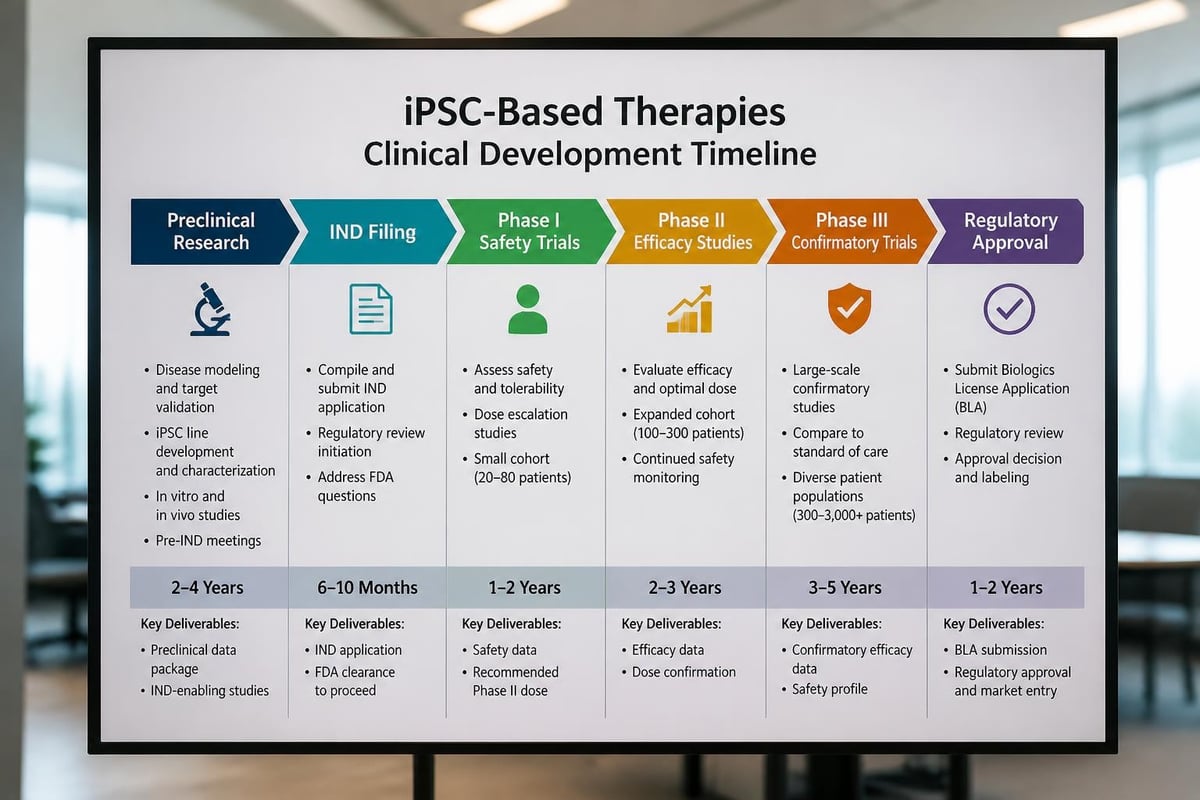
Several induced pluripotent stem cells ips cells therapies have progressed into early-stage clinical trials, demonstrating the translational momentum in this field. Registered studies on ClinicalTrials.gov showcase diverse applications from ophthalmology to cardiology, each representing years of preclinical development and regulatory preparation.
The path to clinical implementation involves multiple sequential steps, each with specific milestones and decision points. Successful translation requires coordinated efforts across research institutions, manufacturing facilities, regulatory bodies, and clinical centres.
Integration with Existing Regenerative Approaches
At StemCells21, we recognize that regenerative medicine benefits from multiple complementary approaches. Whilst induced pluripotent stem cells represent an exciting frontier for future therapies, current clinical practice often employs umbilical cord-derived mesenchymal stem cells (UC-MSCs) which offer immediate therapeutic value with well-established safety profiles. These pharmaceutical-grade UC-MSCs provide robust immunomodulatory and regenerative properties for treating degenerative conditions, inflammatory disorders, and age-related decline.
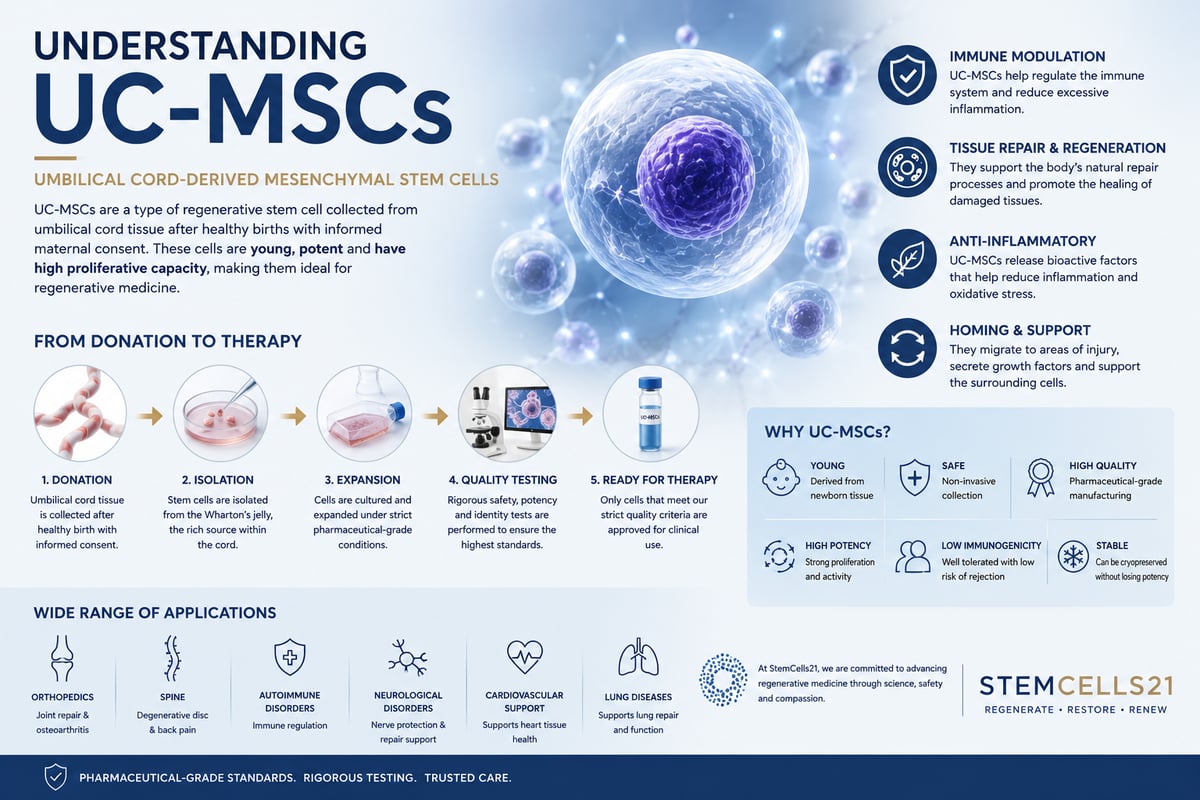
The field continues to evolve rapidly, with researchers exploring optimal cell types and delivery methods for specific clinical indications. Understanding how mesenchymal stem cells address degenerative diseases provides important context for appreciating the broader regenerative medicine landscape.
Ethical Considerations and Patient Perspectives
Unlike embryonic stem cells, induced pluripotent stem cells ips cells sidestep many ethical objections because they originate from adult tissues with informed consent. This distinction has enabled broader research support and public acceptance. Nevertheless, important ethical questions remain regarding:
- Informed consent for research use and potential commercialization
- Privacy protection for genetic information inherent in iPSC lines
- Equitable access to emerging therapies developed from this technology
- Incidental findings when whole-genome sequencing reveals unexpected health risks
- Ownership and intellectual property rights for patient-derived lines
Transparent communication between researchers, clinicians, and patients ensures ethical standards guide the field's development. Professional societies and regulatory agencies continue refining guidelines to address emerging issues as the technology advances.
Future Directions and Emerging Applications
The trajectory of induced pluripotent stem cells ips cells research points toward increasingly sophisticated applications. Several emerging areas show particular promise for the coming years:
Organoid technology combines iPSC differentiation with three-dimensional culture systems to create miniature organ-like structures. These organoids recapitulate tissue architecture and function more faithfully than traditional cell cultures, improving disease modelling and drug testing accuracy.
In vivo reprogramming explores whether cells can be reprogrammed directly within the body, potentially enabling tissue regeneration without cell extraction and transplantation. Early animal studies demonstrate proof-of-concept, though substantial challenges remain before clinical application.
Synthetic biology approaches integrate iPSC technology with engineered genetic circuits, creating cells with programmable therapeutic functions. These "smart cells" might respond to disease signals autonomously, delivering targeted interventions precisely when and where needed.
Advancing Personalized Medicine Strategies
Induced pluripotent stem cells ips cells exemplify the broader shift toward personalized medicine tailored to individual patient characteristics. By generating cells from a patient's own tissues, this technology enables treatments matched to their unique genetic makeup, reducing rejection risks and potentially improving outcomes.
Personalization extends beyond immune compatibility. Patient-specific iPSCs allow drug screening using the individual's own cells, identifying which compounds might work best based on their genetic variants. This approach promises to reduce trial-and-error prescribing whilst minimizing adverse effects.
| Personalization Aspect | Traditional Approach | iPSC-Enabled Approach |
|---|---|---|
| Cell Source | Allogeneic (donor) | Autologous (patient) |
| Immune Matching | HLA typing required | Perfect genetic match |
| Drug Testing | Population averages | Individual cell response |
| Disease Modeling | Animal or cell lines | Patient-specific model |
| Therapy Optimization | Protocol-driven | Genetically informed |
The convergence of iPSC technology with comprehensive genomic profiling, advanced imaging, and sophisticated data analytics creates unprecedented opportunities for truly individualized therapeutic strategies. This precision medicine paradigm represents the future of healthcare delivery.
Supporting Infrastructure and Collaborative Networks
Realizing the full potential of induced pluripotent stem cells ips cells requires substantial infrastructure investment and collaborative frameworks. Academic centres, industry partners, and clinical institutions must work together to overcome technical, regulatory, and financial barriers. International consortia facilitate knowledge sharing and standardization, accelerating progress beyond what isolated efforts could achieve.
Manufacturing capabilities specifically designed for cell therapy production represent essential infrastructure. These facilities require specialized equipment, trained personnel, and quality systems meeting pharmaceutical standards. Supportive therapies and comprehensive treatment programmes further enhance outcomes by addressing patient needs holistically.
Investment in workforce development ensures adequate expertise to sustain the field's growth. Training programmes spanning basic research, manufacturing, regulatory affairs, and clinical implementation prepare the next generation of professionals to advance regenerative medicine.
Induced pluripotent stem cells ips cells represent a transformative technology with profound implications for treating degenerative diseases, modelling complex conditions, and developing personalized therapies. Whilst challenges remain in manufacturing, regulation, and clinical translation, the field continues advancing rapidly with multiple therapies now entering clinical trials. At StemCells21, our commitment to regenerative medicine excellence means staying at the forefront of these developments whilst delivering proven stem cell therapies today. Contact our Bangkok facility to learn how personalized regenerative treatments can address your specific health concerns and support your journey toward improved wellbeing.