
The field of regenerative medicine underwent a paradigm shift in 2006 when Shinya Yamanaka discovered a method to reprogram adult cells into a pluripotent state, creating what we now know as induced pluripotent stem cells ips. This groundbreaking technology enabled scientists to transform specialized adult cells-such as skin or blood cells-back into cells capable of becoming any cell type in the human body. The implications for treating degenerative diseases, modelling complex conditions, and advancing personalized medicine have been profound, earning Yamanaka the Nobel Prize in Physiology or Medicine in 2012.
Understanding the Science Behind Induced Pluripotent Stem Cells IPS
Induced pluripotent stem cells ips represent a remarkable achievement in cellular biology. Unlike embryonic stem cells, which require the destruction of embryos, iPSCs are generated from a patient's own adult cells through a process called cellular reprogramming. This technique involves introducing a specific set of transcription factors-originally identified as Oct4, Sox2, Klf4, and c-Myc, collectively known as the Yamanaka factors-into mature cells.
The Reprogramming Process
The transformation of differentiated cells into induced pluripotent stem cells ips follows a carefully orchestrated sequence of molecular events:
- Factor Introduction: Transcription factors are delivered into adult cells using viral vectors, plasmids, or synthetic RNA
- Epigenetic Remodelling: The cell's chromatin structure undergoes extensive reorganization
- Gene Expression Reset: Developmental genes are reactivated whilst lineage-specific genes are silenced
- Pluripotency Establishment: Cells acquire the ability to self-renew indefinitely and differentiate into any cell type
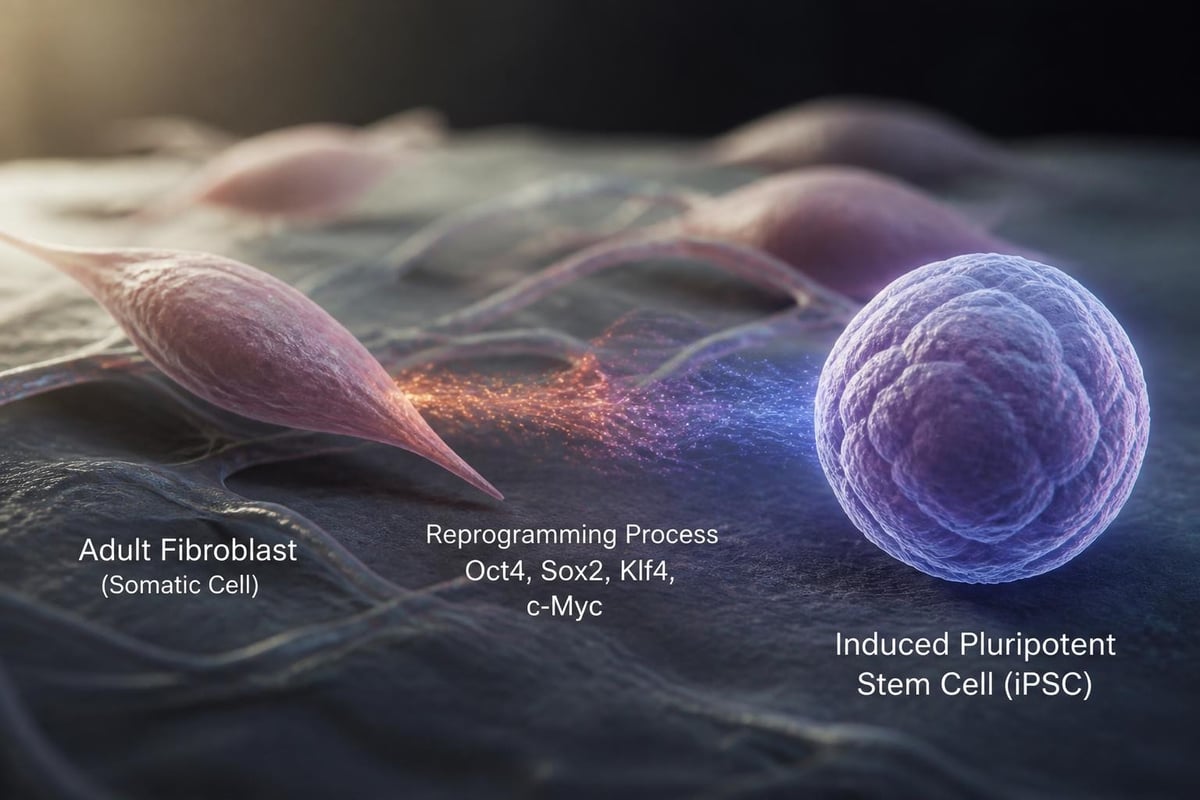
Modern reprogramming methods have evolved significantly since the original discovery. Researchers now employ non-integrating techniques to avoid random genomic insertions, small molecules to enhance efficiency, and refined protocols that improve safety profiles. Community-developed protocols provide standardized approaches for generating and maintaining high-quality iPSC lines in laboratory settings.
The efficiency of reprogramming varies considerably depending on the starting cell type, the delivery method, and culture conditions. Typically, only a small percentage of treated cells successfully complete the transition to full pluripotency, though recent advances have improved these conversion rates substantially.
Clinical Applications Transforming Patient Care
The versatility of induced pluripotent stem cells ips has opened numerous therapeutic avenues. Unlike traditional stem cell sources, patient-derived iPSCs offer the potential for autologous therapies-treatments using a patient's own cells-thereby minimizing immune rejection risks.
Disease Modelling and Drug Discovery
One of the most significant contributions of iPSC technology lies in creating "disease in a dish" models. Researchers can now generate induced pluripotent stem cells ips from patients with specific genetic conditions, differentiate them into affected cell types, and study disease mechanisms in living human cells.
| Application Area | Example Conditions | Research Benefits |
|---|---|---|
| Neurodegenerative | Parkinson's, Alzheimer's, ALS | Study protein aggregation, neuronal death pathways |
| Cardiovascular | Cardiomyopathies, arrhythmias | Test drug cardiotoxicity, model heart development |
| Autoimmune | Rheumatoid arthritis, lupus, MS | Investigate immune dysregulation mechanisms |
| Metabolic | Diabetes, liver disease | Screen drugs, understand metabolic pathways |
Recent advances in using iPSCs to study autoimmune conditions demonstrate how patient-derived cells can reveal disease-specific cellular behaviors and response patterns, accelerating drug development timelines and reducing reliance on animal models.
Regenerative Therapy Development
The potential to generate unlimited quantities of specific cell types from induced pluripotent stem cells ips positions this technology at the forefront of regenerative medicine. Clinical trials are currently exploring iPSC-derived therapies for conditions including:
- Retinal degeneration: Transplanting iPSC-derived retinal pigment epithelium
- Parkinson's disease: Replacing lost dopaminergic neurons
- Heart failure: Regenerating damaged cardiac tissue
- Spinal cord injury: Restoring neural connections
These applications require not only successful differentiation into target cell types but also rigorous safety testing to ensure genomic stability, absence of tumorigenic potential, and functional integration upon transplantation.
Advanced Characterisation and Quality Control
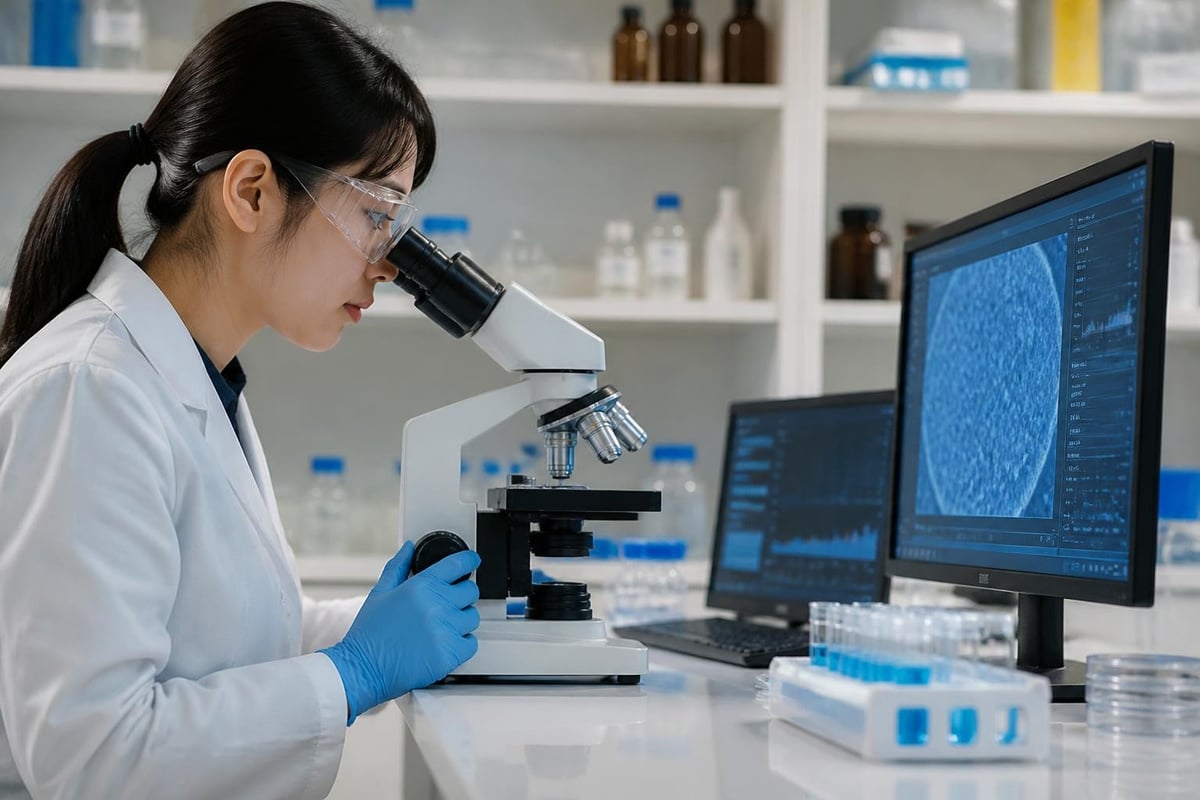
Ensuring the quality and safety of induced pluripotent stem cells ips requires sophisticated analytical approaches. Traditional characterisation methods examined pluripotency markers and differentiation capacity, but modern standards demand far more comprehensive assessment.
Single-Cell and Multi-Omics Technologies
The emergence of single-cell and multi-omics analytical platforms has revolutionized how researchers evaluate iPSC quality. These technologies enable:
- Transcriptomic profiling to confirm gene expression patterns match native pluripotent cells
- Epigenetic mapping to verify proper DNA methylation and chromatin accessibility
- Proteomic analysis to validate functional protein expression
- Metabolomic assessment to ensure appropriate cellular metabolism
This multi-layered characterization identifies subtle variations between cell lines and detects potential problems before cells advance to therapeutic use. Single-cell resolution particularly helps identify rare aberrant cells within seemingly uniform populations.
Genomic Stability Considerations
A critical concern with induced pluripotent stem cells ips involves maintaining genomic integrity throughout reprogramming and expansion. Extended culture periods and cellular stress can introduce mutations, chromosomal abnormalities, or copy number variations. Comprehensive genomic screening protocols now include:
- Karyotype analysis for large chromosomal changes
- Whole-genome sequencing to detect point mutations
- Copy number variation analysis
- Assessment of culture-induced genetic drift over passages
Gene editing in pluripotent stem cells presents additional complexity, as correction of disease-causing mutations must occur without introducing unintended genomic alterations. Strategies incorporating DNA repair monitoring and clonal screening help ensure edited iPSC lines maintain genetic fidelity.
Addressing Ethical and Regulatory Frameworks
The development of induced pluripotent stem cells ips largely circumvented the ethical debates surrounding embryonic stem cell research, yet important ethical considerations remain. Questions of consent, data privacy, and appropriate use of patient-derived cell lines require careful attention.
International Guidelines and Best Practices
The International Society for Stem Cell Research guidelines provide comprehensive frameworks for responsible iPSC research and clinical translation. These evidence-based recommendations address:
- Informed consent processes for tissue donation and iPSC derivation
- Data management and protection of donor privacy
- Oversight mechanisms for clinical trials involving iPSC-derived products
- Standards for cell line banking and distribution
- Responsible communication about iPSC capabilities and limitations
Regulatory pathways for iPSC-based therapies vary by jurisdiction but generally require extensive preclinical data demonstrating safety, proof of manufacturing consistency, and well-designed clinical trials. The regulatory landscape continues evolving as more products advance toward market authorization.
Integration with Current Regenerative Medicine Approaches
Whilst induced pluripotent stem cells ips offer exciting possibilities, they represent one component within a broader regenerative medicine toolkit. Understanding how different stem cell types complement one another helps clinicians select optimal approaches for specific conditions.
Comparing Stem Cell Sources
| Stem Cell Type | Key Advantages | Primary Limitations | Best Applications |
|---|---|---|---|
| Induced Pluripotent (iPSCs) | Patient-specific, unlimited expansion | Complex manufacturing, tumorigenicity risk | Disease modeling, cell therapy development |
| Mesenchymal (MSCs) | Readily available, immunomodulatory | Limited differentiation, variable potency | Inflammatory conditions, tissue repair |
| Embryonic (ESCs) | Well-characterized, robust | Ethical concerns, immune rejection | Basic research, therapy development |
| Adult tissue-specific | Low tumorigenicity, tissue-matched | Limited expansion, restricted differentiation | Direct tissue regeneration |
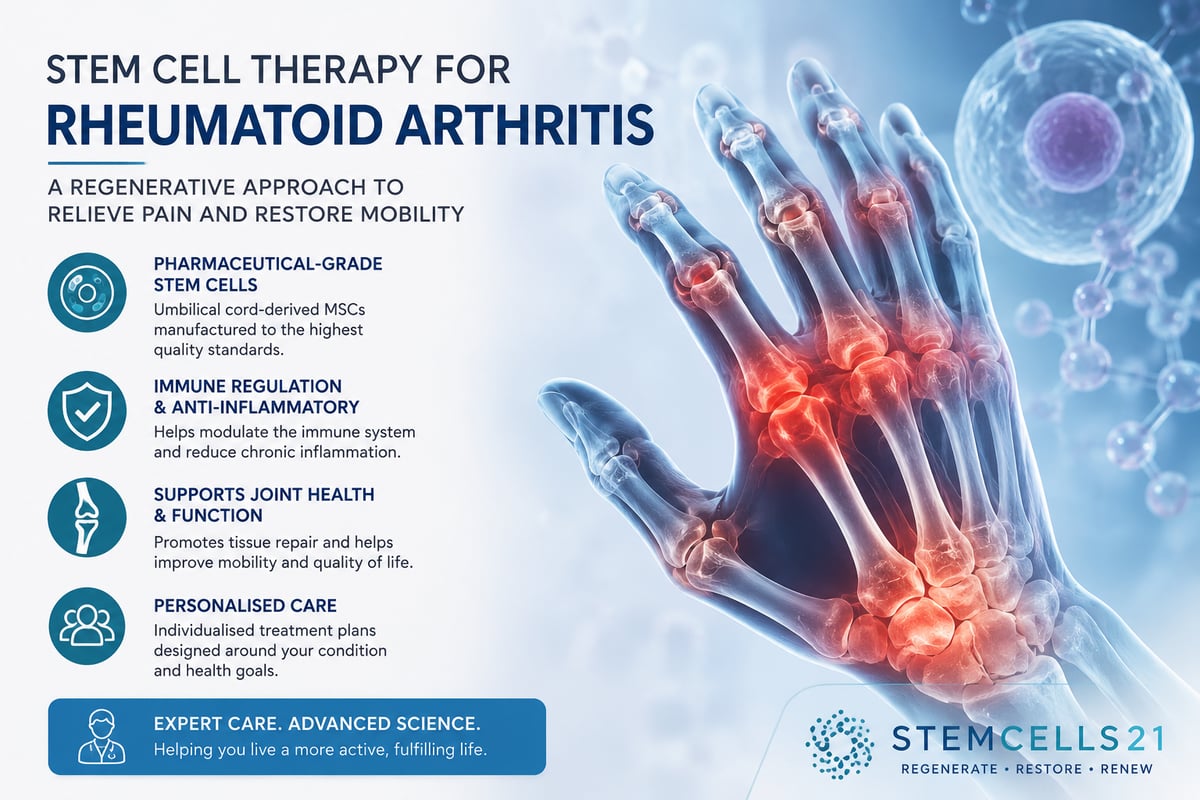
Mesenchymal stem cells derived from umbilical cord tissue, for instance, offer powerful immunomodulatory properties particularly valuable for treating inflammatory and autoimmune conditions. At StemCells21, regenerative stem cell therapy using pharmaceutical-grade umbilical cord-derived mesenchymal stem cells provides personalized treatment programmes designed to support immune regulation, reduce inflammation, and promote the body's natural repair processes for conditions including rheumatoid arthritis.
Future Directions and Emerging Applications
Current research published in leading journals highlights several promising directions for induced pluripotent stem cells ips technology. Advances in direct lineage reprogramming enable converting one adult cell type directly into another without passing through pluripotency, potentially simplifying manufacturing and improving safety profiles.
Combination approaches integrating iPSC-derived cells with biomaterials, gene editing, and tissue engineering scaffolds aim to create complex three-dimensional tissues and organs. Organoid technology-generating miniature organ-like structures from induced pluripotent stem cells ips-provides unprecedented opportunities for studying human development, testing drug responses, and potentially creating transplantable tissues.
The concept of "iPSC banks" storing characterized cell lines from diverse genetic backgrounds could accelerate therapeutic development by providing readily available, well-matched cells for multiple patients. This approach balances personalization benefits with practical manufacturing constraints.
Technical Challenges and Solutions
Despite remarkable progress, translating induced pluripotent stem cells ips from laboratory to clinic faces several technical hurdles. Addressing these challenges requires coordinated efforts across multiple disciplines.
Manufacturing and Scalability
Producing clinical-grade iPSC-derived therapies demands:
- Standardized protocols ensuring batch-to-batch consistency
- Automation platforms reducing manual variability and contamination risks
- Closed-system manufacturing meeting Good Manufacturing Practice (GMP) requirements
- Cost-effective production making therapies economically viable
Current manufacturing processes remain expensive and time-intensive. Developing more efficient reprogramming methods, improving differentiation protocols, and creating modular manufacturing platforms will help overcome these barriers.
Differentiation Efficiency and Purity
Converting induced pluripotent stem cells ips into specific therapeutic cell types requires precise control over differentiation pathways. Challenges include:
- Achieving high conversion efficiency to target cell types
- Eliminating residual undifferentiated cells that pose tumorigenic risks
- Ensuring functional maturity of differentiated cells
- Maintaining cell viability during processing and transplantation
Advanced differentiation protocols incorporate small molecules, growth factors, and three-dimensional culture systems to guide cell fate decisions more effectively. Purification strategies using surface markers or metabolic selection help eliminate unwanted cell populations before clinical use.
Real-World Implementation Considerations
Healthcare providers and patients considering iPSC-based interventions must weigh multiple factors. Understanding realistic timelines, current limitations, and evidence standards helps set appropriate expectations.
Evidence Requirements for Clinical Translation
Before induced pluripotent stem cells ips therapies reach widespread clinical use, they must demonstrate:
- Safety: Absence of tumour formation, appropriate immune responses, no off-target effects
- Efficacy: Meaningful clinical improvements in well-designed trials
- Durability: Long-term benefit maintenance without adverse late effects
- Reproducibility: Consistent results across patient populations and treatment centres
Comprehensive reviews of iPSC technology published in high-impact journals provide ongoing assessment of clinical progress and identify remaining knowledge gaps requiring further research.
Patient Selection and Personalization
The patient-specific nature of induced pluripotent stem cells ips enables unprecedented treatment personalization. Genetic screening can identify individuals most likely to benefit from iPSC-based interventions, whilst disease modelling using patient-derived cells helps predict treatment responses.
This precision medicine approach particularly benefits conditions with high genetic heterogeneity, where standard treatments show variable efficacy. Creating personalized therapy plans based on individual cellular behavior represents a significant advance over one-size-fits-all protocols.
Global Perspectives and Research Collaboration
Advancing induced pluripotent stem cells ips technology requires international collaboration, shared resources, and coordinated research efforts. Different regions contribute unique expertise, regulatory frameworks, and patient populations that collectively accelerate progress.
Asian research centres, including facilities in Bangkok and other regional hubs, play increasingly important roles in iPSC development and clinical translation. These centres often combine cutting-edge research capabilities with streamlined regulatory pathways and diverse patient populations, facilitating rapid advancement from discovery to application.
Collaborative networks enable sharing of cell lines, protocols, and clinical data whilst respecting intellectual property and patient privacy. Such cooperation proves essential for tackling complex questions requiring large-scale studies or rare disease expertise.
Measuring Progress and Setting Realistic Expectations
As induced pluripotent stem cells ips technology matures, establishing clear benchmarks helps assess progress and identify priority areas. Historical perspective from pioneers like Shinya Yamanaka reminds us that transformative technologies require decades of refinement before reaching full clinical potential.
Current iPSC applications exist along a continuum from fundamental research through early clinical trials to established therapies. Disease modelling and drug screening represent mature applications delivering immediate value, whilst cell replacement therapies require additional development before becoming standard practice.
Key progress indicators include:
- Number of iPSC-derived therapies in clinical trials
- Manufacturing cost reductions and timeline improvements
- Regulatory approvals for specific iPSC-based products
- Long-term safety data from transplant recipients
- Expansion of treatable conditions beyond initial target diseases
Patients considering regenerative medicine options benefit from understanding where specific applications fall along this development spectrum. Established therapies using other stem cell types, such as mesenchymal stem cells, currently offer proven clinical benefits whilst iPSC technologies continue advancing.
The development of induced pluripotent stem cells ips represents a watershed moment in regenerative medicine, offering unprecedented opportunities for personalized therapy development, disease understanding, and drug discovery. Whilst challenges remain in manufacturing, safety assurance, and clinical validation, ongoing research continues refining these powerful tools. StemCells21 combines expertise in regenerative medicine with state-of-the-art facilities to deliver advanced stem cell therapies tailored to individual patient needs, supporting those seeking cutting-edge treatment options for degenerative diseases, injuries, and age-related conditions.