
The discovery of induced pluripotent stem cells fundamentally transformed regenerative medicine and biological research. These remarkable cells, often referred to as induced pluripotent stem iPS cells, possess the extraordinary ability to develop into virtually any cell type in the human body. Unlike embryonic stem cells, induced pluripotent stem iPS cells are created from a patient's own adult cells, eliminating ethical concerns whilst opening unprecedented possibilities for personalized medicine, disease modelling, and therapeutic interventions.
Understanding Induced Pluripotent Stem iPS Cell Technology
Induced pluripotent stem iPS cells represent one of the most significant scientific breakthroughs of the 21st century. In 2006, Shinya Yamanaka and his team demonstrated that adult somatic cells could be reprogrammed to a pluripotent state through the introduction of just four transcription factors. This groundbreaking work earned him the Nobel Prize in Physiology or Medicine in 2012.
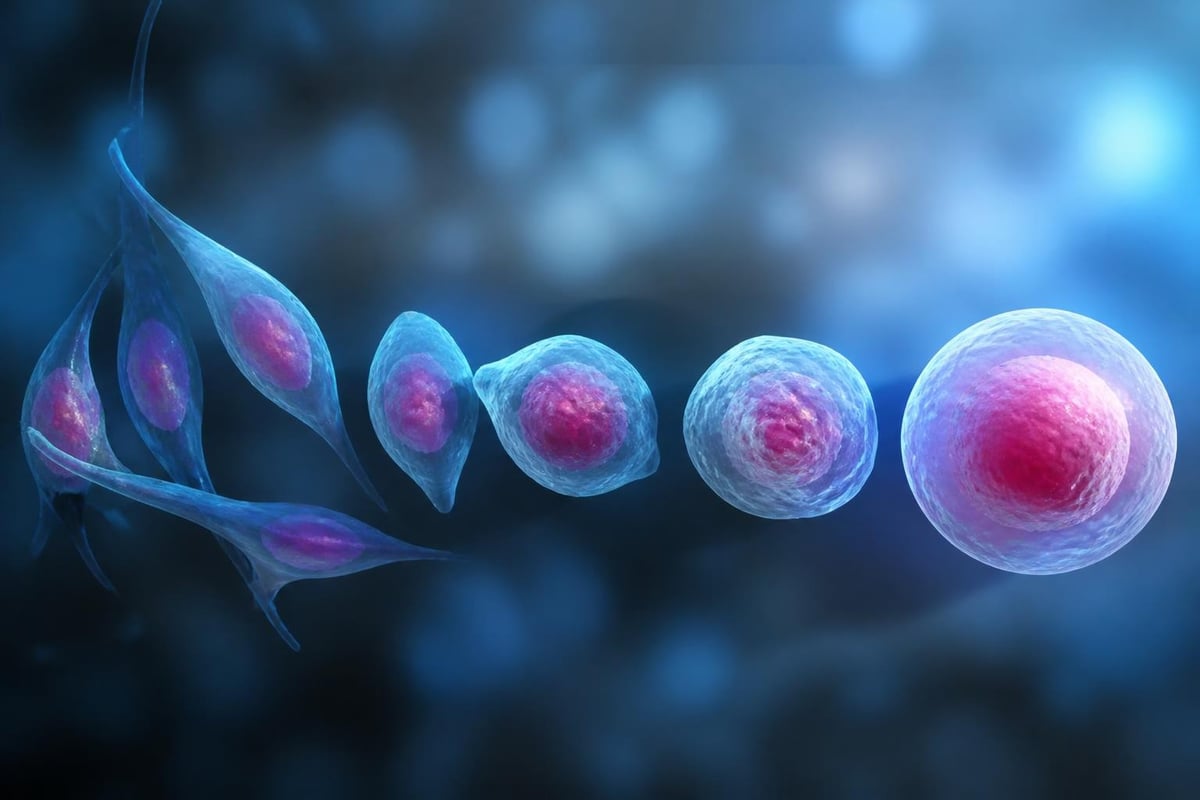
The reprogramming process involves introducing specific genes into adult cells, typically skin fibroblasts or blood cells. These genes encode transcription factors known as the Yamanaka factors: Oct4, Sox2, Klf4, and c-Myc. When expressed together, these factors initiate a cascade of molecular events that reverse cellular specialization, returning mature cells to an embryonic-like state.
The Reprogramming Process and Methods
Creating induced pluripotent stem iPS cells requires precise laboratory techniques and careful quality control. The original method employed retroviral vectors to deliver the reprogramming factors, but this approach presented safety concerns due to permanent genomic integration. Modern protocols have evolved to include safer alternatives that minimize genomic disruption.
Contemporary reprogramming strategies include:
- Non-integrating viral vectors such as Sendai virus or adenovirus that deliver factors without genomic insertion
- Episomal plasmids that remain temporarily in cells and are eventually diluted out
- Modified mRNA directly encoding the reprogramming factors
- Recombinant proteins that can be repeatedly delivered to cells
- Small molecule cocktails that activate endogenous reprogramming pathways
Recent advances have demonstrated that chemical reprogramming approaches can generate human pluripotent cells without transcription factor overexpression, potentially improving safety profiles for clinical applications. These methods represent the cutting edge of induced pluripotent stem iPS cell generation.
The reprogramming efficiency varies considerably depending on the method, source cell type, and culture conditions. Typically, only a small percentage of treated cells successfully complete the reprogramming process, though optimization continues to improve these yields. The entire process usually takes two to four weeks, during which cells progressively acquire pluripotent characteristics.
Characterization and Quality Control Standards
Rigorous characterization ensures that induced pluripotent stem iPS cells possess genuine pluripotency and are safe for research or clinical use. The ISSCR Standards for Human Stem Cell Use in Research provides comprehensive guidance on essential quality control measures.
| Characterization Method | Purpose | Key Parameters |
|---|---|---|
| Morphological assessment | Colony structure evaluation | Compact colonies, high nucleus-to-cytoplasm ratio |
| Pluripotency marker expression | Confirm stem cell identity | Oct4, Sox2, Nanog, SSEA-4, TRA-1-60 |
| Differentiation potential | Verify trilineage capacity | Endoderm, mesoderm, ectoderm formation |
| Genomic integrity | Detect chromosomal abnormalities | Karyotyping, SNP arrays, whole genome sequencing |
| Epigenetic profiling | Assess DNA methylation patterns | Pluripotency-associated demethylation |
Genomic stability remains a critical concern with induced pluripotent stem iPS cells. The reprogramming process and extended culture can introduce chromosomal aberrations, point mutations, or epigenetic abnormalities. Regular genomic screening at multiple passages helps identify potentially problematic cell lines before they are used for research or therapeutic purposes.
Banking and Distribution Networks
The European Bank for induced Pluripotent Stem Cells exemplifies the infrastructure developed to support global research. These biorepositories maintain characterized, quality-controlled cell lines available to researchers worldwide, accelerating scientific progress whilst ensuring reproducibility and standardization.
Banks typically store induced pluripotent stem iPS cells from diverse genetic backgrounds, including lines derived from patients with specific diseases. This diversity enables researchers to study genetic variations influencing disease susceptibility, drug responses, and cellular behaviour across different populations.
Applications in Disease Modelling and Drug Discovery
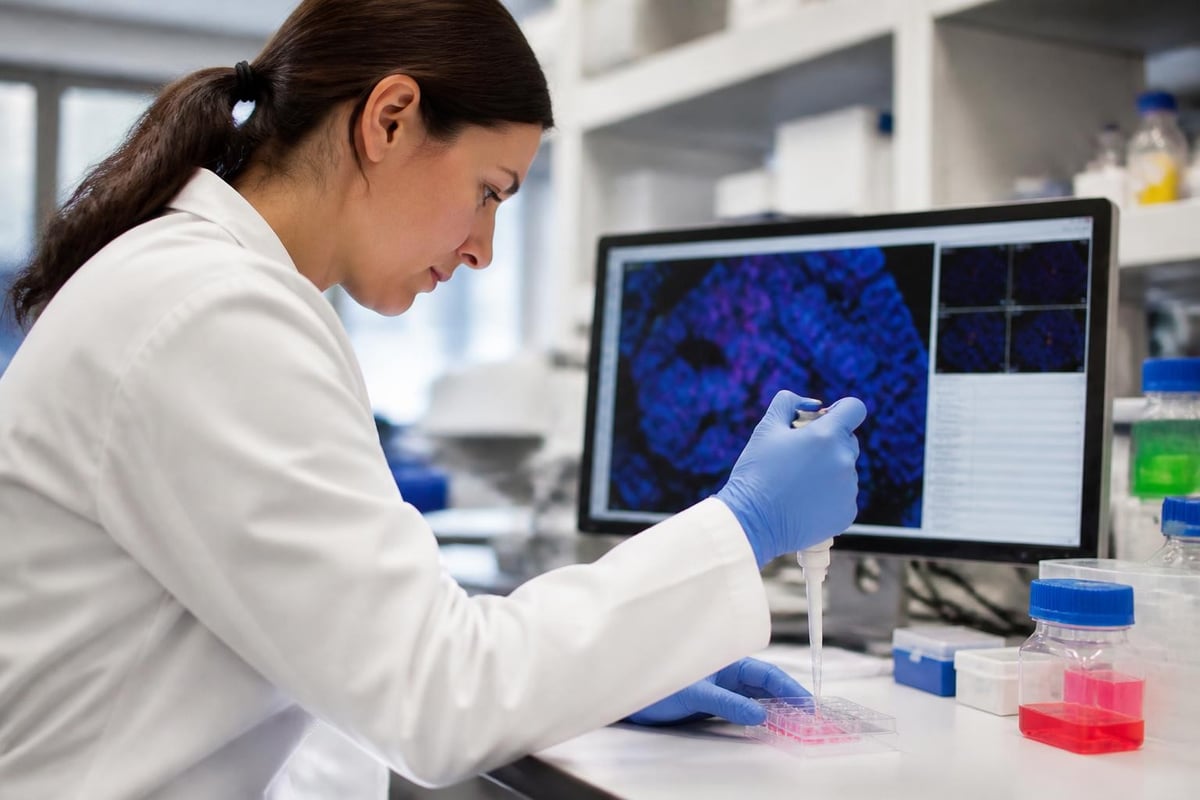
Induced pluripotent stem iPS cells have revolutionized our ability to study human diseases in laboratory settings. By generating patient-specific cell lines, researchers can create "disease in a dish" models that capture the genetic complexity of conditions ranging from neurological disorders to cardiovascular diseases.
These models offer distinct advantages over traditional research methods:
- Genetic authenticity – cells contain the patient's exact genetic makeup
- Human-specific biology – eliminate species differences inherent in animal models
- Accessibility – study tissues otherwise difficult to obtain, particularly brain and heart
- High-throughput compatibility – enable large-scale screening studies
- Longitudinal analysis – track disease progression and cellular aging
The pharmaceutical industry increasingly relies on induced pluripotent stem iPS cell-derived models for drug screening and toxicity testing. Comprehensive reviews of iPSC molecular mechanisms highlight their expanding role in understanding disease pathophysiology and identifying therapeutic targets.
Neurological Disease Research
Neurological conditions particularly benefit from induced pluripotent stem iPS cell technology. Brain tissue remains largely inaccessible in living patients, making these cells invaluable for studying neurodegenerative diseases, psychiatric disorders, and developmental conditions.
Modeling human neurodegeneration with iPSCs presents both opportunities and challenges. Whilst these cells enable unprecedented insights into disease mechanisms, capturing age-related pathology in relatively young cells requires sophisticated approaches. Researchers employ accelerated aging protocols, extended culture periods, or progerin expression to induce cellular senescence.
Differentiation protocols now reliably produce various neuronal subtypes, astrocytes, oligodendrocytes, and microglia from induced pluripotent stem iPS cells. Reproducible protocols for differentiating human pluripotent stem cells into cortical neurons provide detailed methodologies with quality control checkpoints, ensuring consistent results across laboratories.
Therapeutic Applications and Clinical Translation
The ultimate promise of induced pluripotent stem iPS cells lies in regenerative medicine. These cells theoretically enable patient-specific cellular therapies without immune rejection, addressing a fundamental limitation of allogeneic transplantation. However, translating this potential into safe, effective treatments requires overcoming substantial technical and regulatory hurdles.
Several clinical trials exploring induced pluripotent stem iPS cell-based therapies are currently underway worldwide. Early-phase studies focus on conditions where cell replacement offers clear therapeutic benefits and where safety can be rigorously monitored.
| Disease Target | Cell Type | Clinical Status | Key Considerations |
|---|---|---|---|
| Age-related macular degeneration | Retinal pigment epithelium | Phase I/II trials | Immune privileged site, limited cell numbers |
| Parkinson's disease | Dopaminergic neurons | Phase I trials | Cell integration, functional connectivity |
| Heart failure | Cardiomyocytes | Preclinical/early clinical | Cell survival, electrical integration |
| Spinal cord injury | Neural progenitors | Preclinical | Complex tissue architecture, immune responses |
Safety considerations dominate clinical development. Residual undifferentiated cells pose teratoma risks, whilst genomic instability could introduce tumorigenic mutations. Manufacturing protocols must eliminate these concerns through rigorous purification, extended quality testing, and comprehensive genomic analysis.
At specialized facilities focused on stem cell research and treatment, understanding the relationship between induced pluripotent stem iPS cells and established therapeutic approaches enhances overall regenerative medicine capabilities. Whilst most current clinical applications utilize mesenchymal stem cells or other well-characterized cell types, induced pluripotent stem iPS cell research continuously informs and improves regenerative protocols.
Manufacturing and Scalability Challenges
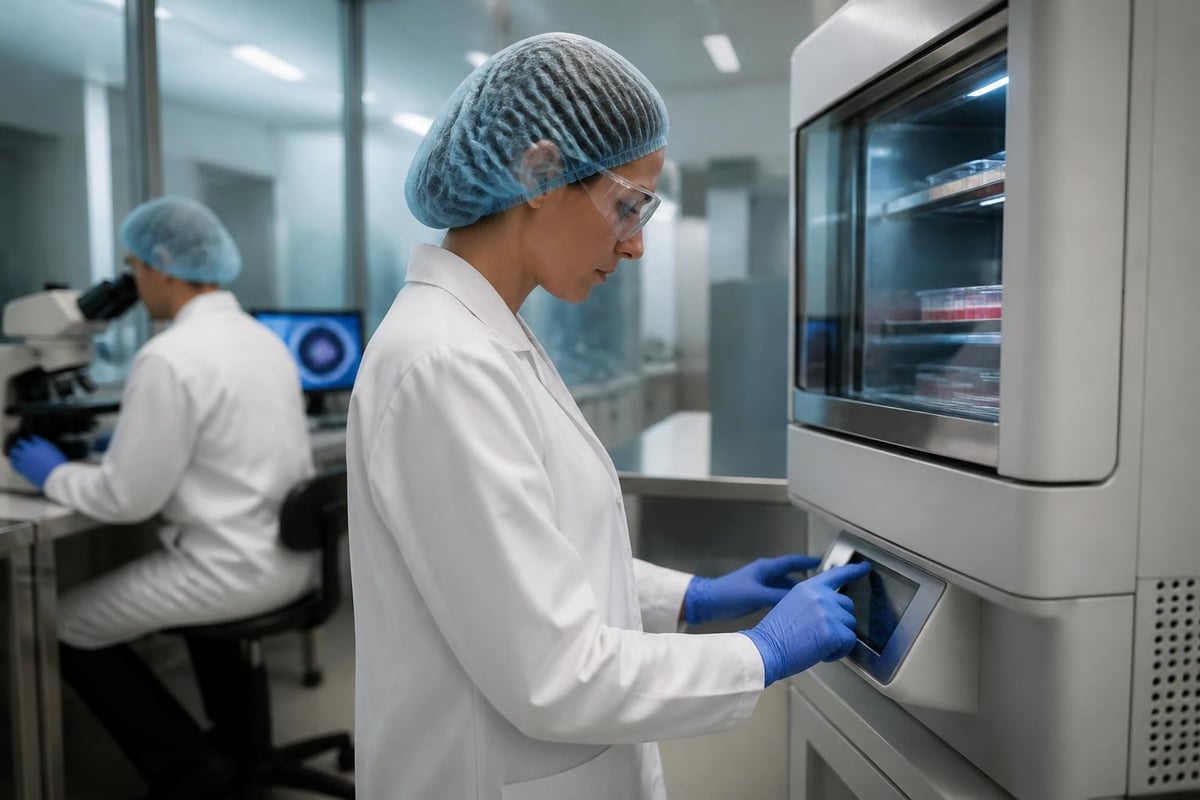
Transitioning from research-grade to clinical-grade induced pluripotent stem iPS cells demands sophisticated manufacturing capabilities. Good Manufacturing Practice (GMP) compliant production requires:
- Defined, xeno-free culture media and supplements
- Automated culture systems ensuring batch consistency
- Comprehensive quality control testing at each production stage
- Complete documentation and traceability throughout manufacturing
- Validated differentiation protocols producing pure cell populations
Scalability presents additional complexity. Producing sufficient cells for therapeutic interventions, particularly for conditions requiring large cell numbers like heart disease or diabetes, necessitates bioreactor systems and three-dimensional culture methods. These technologies continue advancing, gradually reducing production costs whilst improving cell yields and quality.
Genetic Engineering and Precision Medicine
Combining induced pluripotent stem iPS cell technology with gene editing creates powerful opportunities for precision medicine. CRISPR-Cas9 and related technologies enable precise genetic modifications in patient cells before differentiation, potentially correcting disease-causing mutations or enhancing therapeutic properties.
This approach offers several strategic advantages. Researchers can generate isogenic cell line pairs differing only at specific genetic loci, enabling direct assessment of mutation effects. Similarly, correcting mutations in patient-derived induced pluripotent stem iPS cells creates autologous cells suitable for transplantation without the original genetic defect.
Gene editing applications include:
- Monogenic disease correction – repairing single gene defects like sickle cell disease or cystic fibrosis
- HLA editing – creating universal donor cells through immune marker modification
- Reporter gene insertion – adding fluorescent markers for cell tracking and quality control
- Oncogene deletion – removing potentially tumorigenic sequences
- Enhancing cell function – improving survival, migration, or therapeutic efficacy
The combination of reprogramming and gene editing technologies positions induced pluripotent stem iPS cells at the forefront of personalized medicine development. These approaches may eventually enable bespoke cellular therapies tailored to individual patient genetics and disease profiles.
Immunological Considerations and Immune Compatibility
One frequently cited advantage of induced pluripotent stem iPS cells involves their autologous nature, theoretically eliminating immune rejection. However, this assumption requires careful examination. Several factors influence the immunogenicity of these cells and their differentiated derivatives.
Research demonstrates that differentiation processes can alter immunological properties. Some differentiated cell types express higher levels of MHC molecules than their undifferentiated counterparts, potentially triggering immune responses even in autologous settings. Additionally, culture conditions, genetic abnormalities acquired during reprogramming, or incomplete differentiation may introduce neoantigens provoking immune recognition.
These considerations have led to interest in creating "universal donor" induced pluripotent stem iPS cell lines through HLA editing. By eliminating or modifying major histocompatibility molecules, researchers aim to produce cells compatible with multiple recipients, combining the advantages of allogeneic banking with reduced immunogenicity.
The relationship between induced pluripotent stem iPS cells and natural killer cells represents another important immunological dimension. NK cells recognize and eliminate cells lacking appropriate MHC expression, potentially targeting HLA-edited universal donor cells. Understanding these interactions remains crucial for developing successful cellular therapeutics.
Extracellular Vesicles and Paracrine Mechanisms
Recent research reveals that therapeutic benefits from stem cells often derive not from cellular integration but from paracrine signalling and extracellular vesicle secretion. Induced pluripotent stem iPS cell-derived cells release bioactive factors influencing surrounding tissues, modulating inflammation, promoting tissue repair, and altering disease microenvironments.
This discovery opens alternative therapeutic pathways. Rather than transplanting cells, researchers explore using mesenchymal stem cell extracellular vesicles and similar products derived from induced pluripotent stem iPS cell differentiation. These acellular therapies potentially offer improved safety profiles whilst retaining therapeutic efficacy.
Extracellular vesicles carry proteins, lipids, and nucleic acids that mediate intercellular communication. Characterizing the cargo and mechanisms of induced pluripotent stem iPS cell-derived vesicles represents an active research frontier with implications for both understanding stem cell biology and developing novel therapeutics.
Future Directions and Emerging Technologies
The field of induced pluripotent stem iPS cell research continues rapid evolution. Emerging technologies promise to address current limitations whilst expanding potential applications. Artificial intelligence and machine learning increasingly guide reprogramming optimization, predict differentiation outcomes, and identify optimal culture conditions.
Organoid technology combines induced pluripotent stem iPS cells with three-dimensional culture systems to generate miniature organ-like structures. These organoids recapitulate tissue architecture and cellular diversity more faithfully than traditional two-dimensional cultures, improving disease modeling and drug testing accuracy. Brain organoids, liver organoids, and kidney organoids derived from induced pluripotent stem iPS cells now enable previously impossible research.
Synthetic biology approaches integrate engineered genetic circuits into induced pluripotent stem iPS cells, creating "smart" therapeutic cells capable of sensing disease markers and responding with targeted interventions. These programmable cells represent a frontier merging regenerative medicine with precision therapeutics.
International collaboration continues expanding through initiatives sharing data, protocols, and cell lines. These efforts accelerate progress whilst promoting standardization and reproducibility across the global research community. Staying informed through resources like industry news and updates helps professionals track these rapid developments.
Regulatory Landscape and Clinical Pathway
Translating induced pluripotent stem iPS cell research into approved therapies requires navigating complex regulatory frameworks. Different jurisdictions apply varying standards, though most follow principles ensuring safety, efficacy, and manufacturing quality. Understanding these pathways proves essential for researchers and clinicians advancing therapeutic development.
Regulatory agencies typically classify induced pluripotent stem iPS cell-derived products as advanced therapy medicinal products or biological products requiring extensive preclinical data before human trials. Sponsors must demonstrate:
- Manufacturing consistency and control
- Product characterization and stability
- Preclinical safety in relevant animal models
- Mechanism of action evidence
- Clinical trial protocols with appropriate endpoints
The regulatory pathway mirrors that for other cell therapies but carries additional considerations regarding genomic stability, differentiation completeness, and potential tumorigenicity. Extended follow-up periods monitor patients for late-emerging safety concerns, particularly malignant transformation.
Accelerated pathways exist for serious conditions lacking effective treatments, potentially expediting induced pluripotent stem iPS cell therapy development. However, these mechanisms still require robust evidence of clinical benefit justifying any residual uncertainties.
Induced pluripotent stem iPS cells represent a transformative technology reshaping regenerative medicine, drug discovery, and our understanding of human biology. As research progresses and clinical applications mature, these remarkable cells promise increasingly sophisticated approaches to treating previously intractable conditions. StemCells21 remains at the forefront of regenerative medicine, combining cutting-edge research with clinical expertise to deliver personalized treatment programs. Our Bangkok facility integrates established stem cell therapies with emerging scientific advances, helping patients access the most advanced regenerative approaches available today.