
The human immune system comprises numerous cell types working in concert to defend against pathogens, eliminate abnormal cells, and maintain tissue homeostasis. Among these specialized populations, invariant natural killer T cells represent a unique subset that bridges innate and adaptive immunity. These remarkable lymphocytes possess characteristics of both natural killer cells and conventional T cells, enabling rapid immune responses whilst maintaining antigen specificity. Understanding their biology, function, and therapeutic potential has become increasingly important for advancing regenerative medicine and immunotherapy approaches.
The Unique Biology of Invariant Natural Killer T Cells
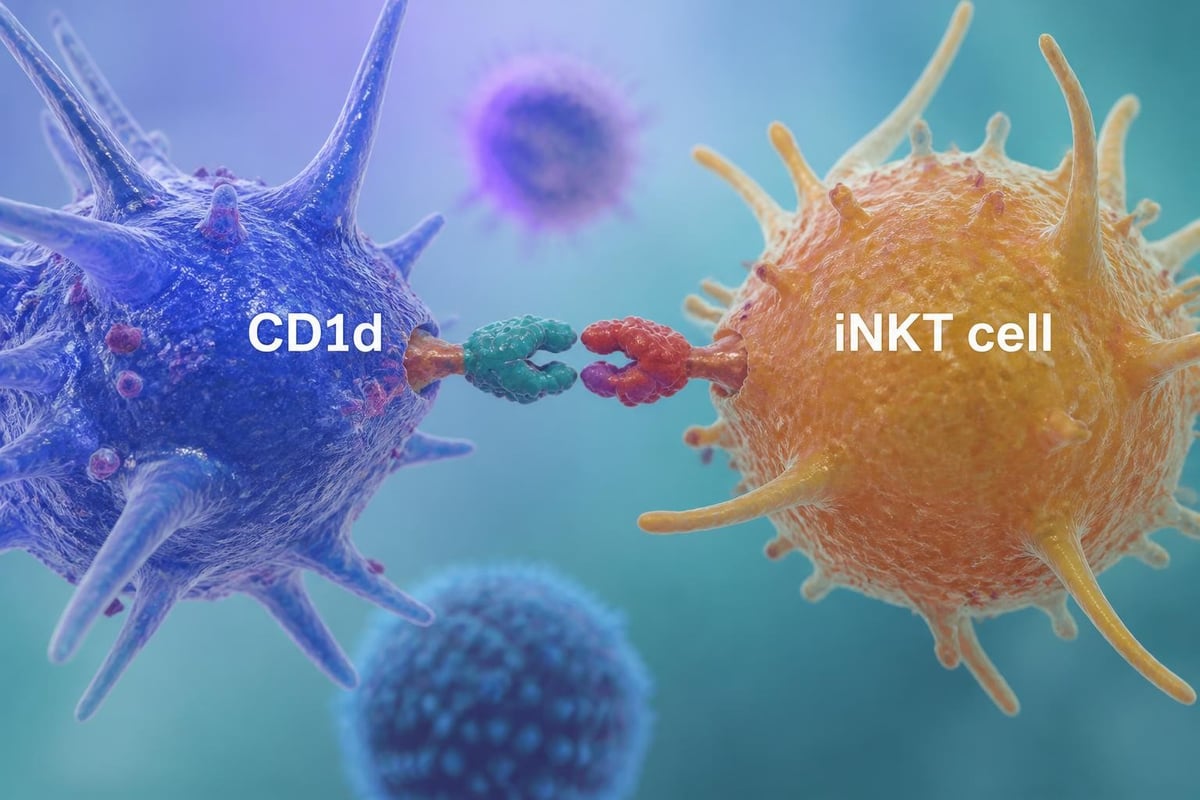
Invariant natural killer T cells differ fundamentally from conventional T lymphocytes in several critical ways. Whilst traditional T cells recognize protein antigens presented by classical major histocompatibility complex (MHC) molecules, these specialized cells recognize glycolipid antigens presented by CD1d, a non-classical MHC-like molecule. This unique recognition system allows them to respond to microbial lipids, self-lipids, and synthetic compounds with remarkable speed.
The designation "invariant" refers to their highly restricted T-cell receptor repertoire. Unlike conventional T cells that express diverse receptors, invariant natural killer T cells predominantly use a single α-chain (Vα24-Jα18 in humans) paired with a limited β-chain repertoire. This semi-invariant receptor configuration enables recognition of α-galactosylceramide (α-GalCer) and related glycolipids, forming the basis for their distinctive immunological functions.
Development and Tissue Distribution
These cells develop in the thymus through a selection process distinct from conventional T cells. During maturation, they acquire the ability to produce large quantities of cytokines immediately upon activation, without requiring prior antigen exposure. This pre-programmed effector capacity distinguishes them from naive T cells that require days of differentiation.
Following thymic development, invariant natural killer T cells migrate to various tissues where they constitute varying proportions of the lymphocyte population:
- Liver: 10-30% of lymphocytes in mice, lower in humans
- Adipose tissue: significant populations involved in metabolic regulation
- Bone marrow: resident populations supporting haematopoiesis
- Spleen and lymph nodes: strategic positioning for systemic responses
- Mucosal tissues: surveillance roles at barrier sites
Their strategic tissue distribution enables rapid local immune responses and systemic immunomodulation.
Functional Capabilities and Immune Regulation
The functional versatility of invariant natural killer T cells stems from their capacity to rapidly secrete diverse cytokines. Upon activation through CD1d-glycolipid complexes, they simultaneously produce interferon-gamma (IFN-γ), interleukin-4 (IL-4), interleukin-17 (IL-17), and other mediators within hours. This polyfunctional cytokine production enables them to orchestrate both pro-inflammatory and anti-inflammatory responses.
Key immunological functions include:
- Trans-activation of other immune cells: Their cytokine production rapidly activates dendritic cells, natural killer cells, B cells, and conventional T cells
- Direct cytotoxicity: Expression of perforin and granzymes enables killing of infected or malignant cells
- Regulatory functions: Production of IL-10 and TGF-β can suppress excessive inflammation
- Tissue repair promotion: Secretion of growth factors supporting regeneration
Research into glycolipid antigen recognition patterns has revealed how different lipid structures can skew responses towards distinct functional profiles, offering opportunities for therapeutic manipulation.
Role in Disease Pathogenesis
Invariant natural killer T cells participate in numerous disease processes, with their involvement varying between protective and pathogenic roles depending on context. In autoimmune conditions such as rheumatoid arthritis and multiple sclerosis, altered numbers or functions have been documented, suggesting involvement in disease mechanisms.
| Disease Context | iNKT Cell Role | Therapeutic Implication |
|---|---|---|
| Cancer | Anti-tumour immunity | Activation protocols, adoptive transfer |
| Autoimmunity | Dysregulated responses | Tolerance induction, regulatory enhancement |
| Infection | Pathogen clearance | Adjuvant development, vaccine strategies |
| Metabolic disease | Tissue inflammation | Anti-inflammatory modulation |
| Transplantation | Rejection vs tolerance | Tolerance protocols, regulatory expansion |
Understanding their dual capacity for protection and pathology remains essential for therapeutic development. Recent work examining metabolic programming of innate-like T cells demonstrates how nutrient availability and metabolic pathways shape their functional outcomes.
Therapeutic Applications in Regenerative Medicine
The unique properties of invariant natural killer T cells have prompted extensive investigation into therapeutic applications. Their rapid activation kinetics, potent immunomodulatory capacity, and ability to recognize conserved glycolipid antigens make them attractive candidates for cellular immunotherapy.
Cancer Immunotherapy Approaches
Multiple strategies harness these cells for anti-cancer therapy. Administration of α-GalCer to activate endogenous populations has shown promise in clinical trials, though responses vary between individuals. More recently, adoptive transfer of ex vivo expanded cells offers standardized dosing and enhanced potency.
A recent clinical study in head and neck cancer demonstrated the feasibility of generating clinical-grade induced pluripotent stem cell-derived allogeneic invariant natural killer T cells. This manufacturing approach potentially enables off-the-shelf cellular products with consistent quality and function.
Advantages of adoptive iNKT cell therapy include:
- MHC-independent recognition reducing need for patient matching
- Simultaneous activation of multiple immune effector mechanisms
- Potential for genetic engineering to enhance tumour targeting
- Manufacturing scalability through iPSC or allogeneic expansion
The development of CAR-engineered NKT cells represents an exciting frontier, combining the intrinsic anti-tumour properties of invariant natural killer T cells with chimeric antigen receptor targeting of specific tumour antigens. This dual-targeting approach may overcome limitations of conventional CAR-T therapies.
Autoimmune and Inflammatory Conditions
Beyond oncology, invariant natural killer T cells show therapeutic potential in autoimmune diseases where immune dysregulation drives pathology. Their capacity to produce both pro-inflammatory and regulatory mediators offers opportunities for restoring immune balance.
In conditions affecting joint health, the immune-modulating properties of regenerative therapies become particularly relevant. At StemCells21, Rheumatoid Arthritis Treatment programmes utilize pharmaceutical-grade umbilical cord-derived mesenchymal stem cells that interact with immune populations including invariant natural killer T cells to support immune regulation and reduce inflammation.
Preclinical studies demonstrate that specific activation protocols can bias invariant natural killer T cells towards regulatory phenotypes, suppressing autoimmune responses whilst preserving protective immunity. Translating these findings into clinical protocols requires careful consideration of dosing, timing, and patient selection.
Clinical Translation and Manufacturing Challenges
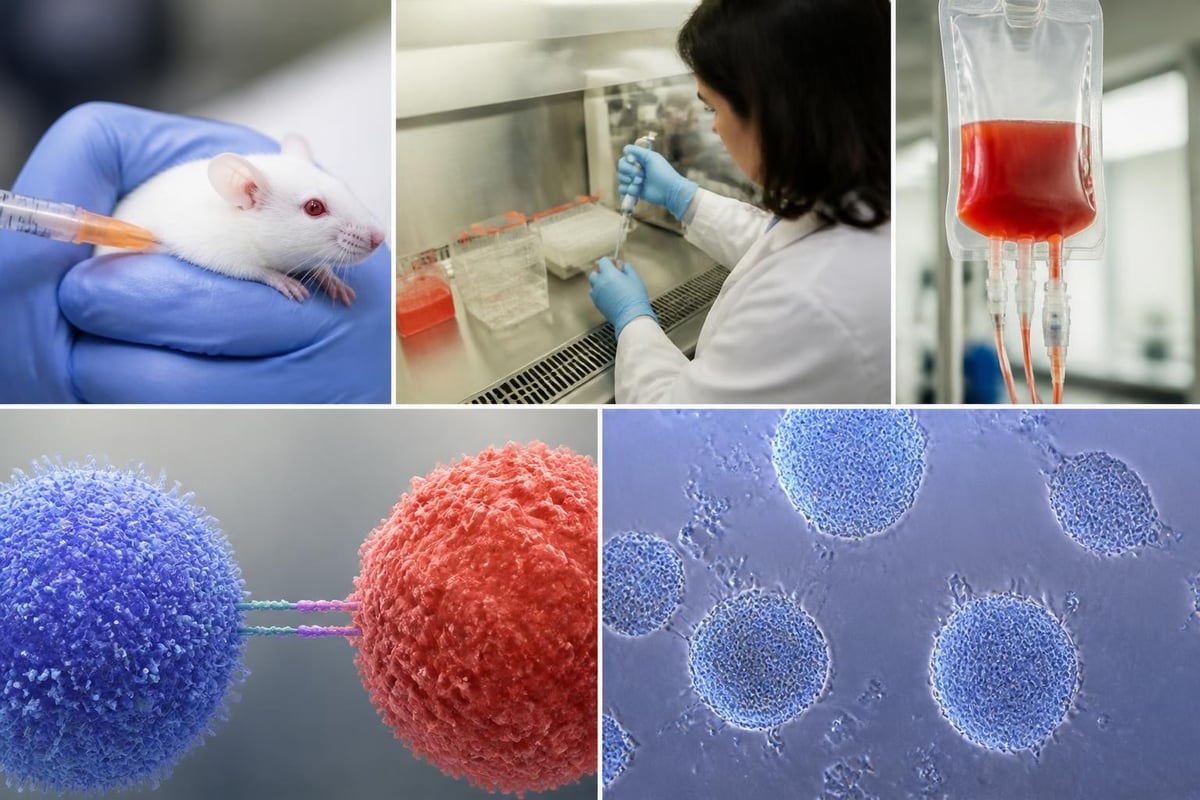
Moving invariant natural killer T cell therapies from laboratory to clinic presents significant scientific and logistical challenges. Their relative scarcity in peripheral blood (typically 0.1-0.5% of T cells in humans) necessitates extensive ex vivo expansion to generate therapeutic doses.
Manufacturing and Quality Control
Production of clinical-grade products requires:
- Isolation: Efficient purification from blood or generation from iPSCs
- Expansion: Prolonged culture with appropriate stimuli maintaining phenotype
- Quality testing: Verification of purity, potency, sterility, and safety
- Cryopreservation: Protocols preserving viability and function post-thaw
- Lot consistency: Standardized manufacturing ensuring batch-to-batch reproducibility
A Phase 1/2 clinical trial in acute respiratory distress syndrome provided valuable insights into manufacturing allogeneic invariant natural killer T cell products, demonstrating acceptable safety profiles and feasibility of good manufacturing practice production.
The emergence of induced pluripotent stem cell platforms offers advantages for manufacturing standardization. iPSC-derived invariant natural killer T cells can be generated in unlimited quantities from characterized master cell banks, potentially reducing costs and improving accessibility compared to patient-derived approaches.
Regulatory Considerations
As advanced therapy medicinal products, invariant natural killer T cell therapies face rigorous regulatory requirements. Demonstration of consistent manufacturing, comprehensive safety testing, and evidence of clinical benefit through controlled trials remains essential for approval.
| Manufacturing Aspect | Challenge | Solution Approach |
|---|---|---|
| Cell source | Limited peripheral frequency | iPSC differentiation, allogeneic expansion |
| Expansion efficiency | Activation-induced senescence | Optimized cytokine cocktails, metabolic support |
| Phenotype maintenance | Loss of function during culture | Glycolipid restimulation, CD1d co-culture |
| Product standardization | Donor variability | Master cell bank approach, release criteria |
| Cost of goods | Complex manufacturing | Process optimization, automation |

Future Directions and Emerging Research
The field of invariant natural killer T cell biology continues advancing rapidly, with multiple research directions promising enhanced therapeutic applications. Understanding their interactions with other immune populations, tissue-specific functions, and metabolic requirements will inform next-generation protocols.
Combination Approaches
Emerging evidence suggests combining invariant natural killer T cell activation with other immunotherapies may produce synergistic benefits. Concurrent administration with checkpoint inhibitors, conventional vaccines, or other cellular products could enhance overall efficacy whilst reducing individual component doses.
Integration with regenerative treatment approaches represents a particularly promising direction. The immunomodulatory properties of mesenchymal stem cells may complement invariant natural killer T cell functions, with each population enhancing the other's therapeutic effects.
Comprehensive reviews examining innate iNKT biology and clinical impact highlight remaining knowledge gaps and opportunities for translational advancement. Key priorities include identifying biomarkers predicting response, optimizing activation protocols for specific diseases, and developing strategies to overcome immune evasion.
Personalized Medicine Applications
The heterogeneity in invariant natural killer T cell numbers and function between individuals suggests potential for personalized approaches. Baseline frequency, tissue distribution, and functional capacity could inform treatment selection and dosing strategies.
Advanced profiling technologies enable detailed characterization of patient-specific populations, potentially guiding therapy customization. Single-cell transcriptomics, metabolomics, and functional assays reveal subtle differences that may predict therapeutic outcomes.
Emerging personalization strategies include:
- Pre-treatment enumeration and functional testing
- Genetic screening for optimal responders
- Customized expansion protocols based on starting populations
- Real-time monitoring during therapy with dose adjustment
- Combination regimen selection based on immune profiling
Research into bone marrow stem cells and their relationship with invariant natural killer T cells provides additional context for understanding immune-regenerative interactions within specialized tissue niches.
Safety Considerations and Adverse Events
Whilst invariant natural killer T cell therapies generally demonstrate acceptable safety profiles in clinical trials, potential adverse events require careful monitoring. Their capacity for rapid, potent cytokine release raises concerns about cytokine release syndrome, particularly with high doses or aggressive activation protocols.
Common safety monitoring parameters include:
- Vital signs and clinical symptoms during infusion
- Cytokine levels (IL-6, IFN-γ, TNF-α) in serum
- Complete blood counts for haematological effects
- Liver function tests given hepatic enrichment
- Immune cell profiling for unintended immunological changes
Most reported adverse events have been mild to moderate, including transient fever, fatigue, and injection site reactions. Serious adverse events remain uncommon but necessitate established management protocols and trained clinical teams.
The experience with NK cells targeting cancer cells in laboratory settings provides relevant context for understanding cellular immunotherapy safety, though invariant natural killer T cells possess distinct activation mechanisms requiring specific monitoring approaches.
Long-term follow-up of treated patients continues accumulating data on durability, persistence, and late-onset effects. Registry studies tracking outcomes across multiple trials will provide comprehensive safety profiles informing future protocol refinement.
Invariant natural killer T cells represent a powerful immunological tool bridging innate and adaptive immunity, with expanding applications across cancer, autoimmune disease, and regenerative medicine. As manufacturing techniques advance and clinical evidence accumulates, their therapeutic potential continues to grow. At StemCells21, our expertise in regenerative medicine and immunotherapy enables us to integrate cutting-edge cellular approaches with personalized treatment planning, helping patients access advanced therapeutic options for complex conditions. Contact our Bangkok facility to explore how regenerative and immune-based therapies might support your health goals.