
The field of regenerative medicine has witnessed transformative breakthroughs over the past two decades, with induced pluripotent stem cells emerging as one of the most promising innovations. IPS pluripotent stem cells represent a revolutionary technology that enables scientists to reprogram adult cells back to an embryonic-like state, offering unprecedented opportunities for disease modelling, drug discovery, and personalised therapeutic interventions. Unlike embryonic stem cells, these laboratory-created cells sidestep ethical concerns whilst maintaining the remarkable ability to differentiate into virtually any cell type in the human body. This capability has positioned ips pluripotent stem cells at the forefront of modern biomedical research, opening new pathways for treating previously incurable conditions.
Understanding the Science Behind IPS Pluripotent Stem Cells
The creation of ips pluripotent stem cells represents a fundamental shift in our understanding of cell biology and developmental programming. In 2006, Japanese researcher Shinya Yamasaki demonstrated that introducing just four specific transcription factors into adult cells could reverse their developmental clock, transforming them into cells with embryonic-like properties. These factors, commonly known as Yamazaki factors (Oct4, Sox2, Klf4, and c-Myc), work together to reset the epigenetic landscape of mature cells.
The reprogramming process fundamentally alters gene expression patterns, chromatin structure, and cellular metabolism. When scientists introduce these transcription factors into somatic cells such as skin fibroblasts or blood cells, they trigger a cascade of molecular events that gradually erase the cell's specialised identity. According to a comprehensive review of iPSC molecular mechanisms, this process involves reactivation of dormant pluripotency genes whilst simultaneously silencing lineage-specific genes.

The Reprogramming Timeline and Efficiency
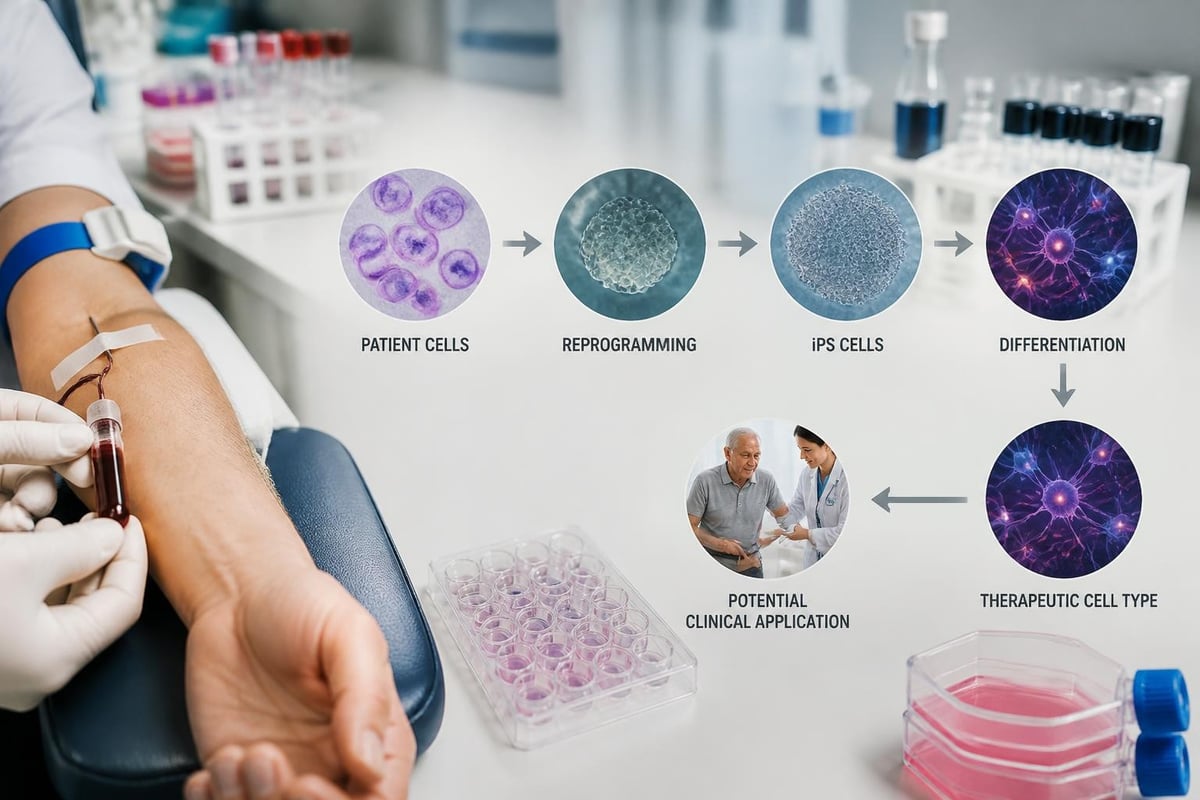
Generating ips pluripotent stem cells is not an instantaneous process but rather a gradual transformation occurring over several weeks. The timeline typically follows distinct phases:
- Initiation phase (days 0-3): Transcription factors are introduced via viral vectors, plasmids, or synthetic mRNA
- Maturation phase (days 3-9): Cells begin downregulating somatic genes and activating pluripotency networks
- Stabilisation phase (days 9-21): Fully reprogrammed colonies emerge with characteristic morphology and marker expression
- Characterisation phase (days 21+): Colonies are isolated, expanded, and validated for pluripotency
Efficiency remains a significant challenge, with traditional methods reprogramming only 0.01% to 1% of starting cells. Modern approaches incorporating small molecules, optimised culture conditions, and non-integrating delivery methods have improved these rates substantially.
Clinical Applications and Therapeutic Potential
The versatility of ips pluripotent stem cells has opened remarkable opportunities across multiple medical disciplines. These cells can be differentiated into specialised cell types including neurons, cardiomyocytes, hepatocytes, pancreatic beta cells, and immune cells, making them invaluable for both research and clinical applications.
Disease Modelling and Drug Discovery
One of the most significant contributions of ips pluripotent stem cells lies in creating patient-specific disease models. Researchers can take cells from patients with genetic conditions, reprogram them into ips pluripotent stem cells, and then differentiate them into the affected cell type. This approach has revolutionised our understanding of neurodegenerative diseases, cardiac conditions, and metabolic disorders.
For instance, scientists have generated motor neurons from patients with amyotrophic lateral sclerosis (ALS), allowing them to study disease mechanisms in relevant human cells. CRISPR integration with iPSC technology has further enhanced these models by enabling precise genetic corrections, creating isogenic control lines that differ only in the disease-causing mutation.
| Application Area | Cell Types Generated | Clinical Benefit |
|---|---|---|
| Neurodegenerative diseases | Neurons, glia, astrocytes | Disease mechanism study, drug screening |
| Cardiac conditions | Cardiomyocytes, endothelial cells | Toxicity testing, arrhythmia modelling |
| Metabolic disorders | Hepatocytes, pancreatic cells | Personalised medicine, therapy optimisation |
| Immune disorders | T-cells, NK cells, macrophages | Immunotherapy development, immune modelling |
Regenerative Medicine Applications
The therapeutic potential of ips pluripotent stem cells extends beyond laboratory research into clinical treatment strategies. Several pioneering clinical trials are exploring their safety and efficacy for degenerative conditions. ClinicalTrials.gov lists numerous studies investigating iPSC-derived products for conditions ranging from macular degeneration to Parkinson's disease.
In 2014, the first human clinical study using autologous iPSC-derived retinal pigment epithelial cells was conducted in Japan for age-related macular degeneration. Although the trial was limited, it demonstrated the feasibility of this approach and paved the way for subsequent investigations. More recently, researchers have developed sophisticated protocols for generating three-dimensional organoids from ips pluripotent stem cells, creating mini-organs that recapitulate tissue architecture and function.
Advanced Methodologies and Technical Innovations
The field has witnessed substantial methodological refinement since the initial discovery of ips pluripotent stem cells. Researchers have developed safer, more efficient reprogramming strategies that address early limitations whilst enhancing reproducibility and scalability.
Non-Integrating Reprogramming Methods
Early iPSC generation relied on viral vectors that permanently integrated into the host genome, raising safety concerns about insertional mutagenesis and oncogenic transformation. Contemporary methods have largely transitioned to non-integrating approaches:
- Sendai virus vectors: RNA viruses that replicate in the cytoplasm without genomic integration
- Episomal plasmids: Autonomously replicating DNA that is gradually diluted through cell division
- Synthetic modified mRNA: Direct delivery of reprogramming factor transcripts
- Recombinant proteins: Cell-penetrating peptide-tagged transcription factors
These innovations significantly reduce the risk profile of ips pluripotent stem cells for clinical applications. The detailed protocols published in Nature Protocols provide researchers with standardised methodologies for generating high-quality iPSCs suitable for downstream applications.
Quality Control and Characterisation
Ensuring the quality and safety of ips pluripotent stem cells requires rigorous characterisation at multiple levels. Standard validation includes assessment of pluripotency markers (OCT4, NANOG, TRA-1-60), verification of differentiation potential through embryoid body formation or directed differentiation, and genomic stability analysis through karyotyping and whole-genome sequencing.
The International Society for Stem Cell Research guidelines establish comprehensive standards for iPSC derivation, banking, and clinical translation. These guidelines emphasise reproducibility, transparency, and thorough documentation of cell line characteristics.
Regulatory Landscape and Clinical Translation
Transitioning ips pluripotent stem cells from laboratory research to clinical therapeutics requires navigating complex regulatory frameworks designed to ensure patient safety whilst fostering innovation. Different jurisdictions have adopted varying approaches to stem cell regulation, creating both opportunities and challenges for international research collaboration.
Manufacturing and Good Manufacturing Practice Standards
Clinical-grade ips pluripotent stem cells must be manufactured under stringent good manufacturing practice (GMP) conditions that ensure consistency, purity, and safety. This transition from research-grade to clinical-grade production involves substantial investment in specialised facilities, validated processes, and comprehensive quality assurance systems.
Key GMP requirements include:
- Documented standard operating procedures for all manufacturing steps
- Validated testing methods for identity, potency, purity, and safety
- Comprehensive traceability from starting material to final product
- Sterility assurance and endotoxin testing
- Stability studies demonstrating consistent product characteristics
Manufacturing challenges include maintaining genetic stability during extended culture, eliminating feeder cells and animal-derived components, and achieving sufficient cell numbers for therapeutic applications. Advanced bioprocessing technologies including automated cell culture systems and defined xeno-free media formulations are addressing these obstacles.
Ethical Considerations and Patient Consent
Whilst ips pluripotent stem cells circumvent the ethical concerns associated with embryonic stem cells, they raise distinct considerations regarding informed consent, data privacy, and potential misuse. Patients donating somatic cells for reprogramming must understand how their cells might be used, stored, and shared within the research community.
The generation of gametes or embryo-like structures from ips pluripotent stem cells presents additional ethical dimensions that regulatory bodies continue to address. Many jurisdictions prohibit the use of iPSC-derived gametes for reproductive purposes, though research applications remain permissible under appropriate oversight.
Current Challenges and Future Directions
Despite remarkable progress, several technical and translational challenges remain before ips pluripotent stem cells achieve their full therapeutic potential. Addressing these limitations represents the focus of ongoing research efforts across academic institutions and biotechnology companies worldwide.
Genetic and Epigenetic Stability
Long-term culture of ips pluripotent stem cells can lead to genetic abnormalities including point mutations, copy number variations, and chromosomal rearrangements. These alterations may occur during reprogramming or accumulate during extended passage, potentially compromising differentiation capacity or introducing oncogenic changes.
Recent studies have identified recurrent mutations in genes such as TP53 and DNA damage response pathways. According to research published in Signal Transduction and Targeted Therapy, implementing enhanced quality control measures and limiting passage numbers can mitigate these risks whilst maintaining cell functionality.
| Challenge | Current Solutions | Future Directions |
|---|---|---|
| Low reprogramming efficiency | Small molecule cocktails, optimised protocols | High-throughput screening, AI-guided optimisation |
| Genetic instability | Regular karyotyping, whole-genome sequencing | CRISPR-based genome maintenance, improved culture conditions |
| Immunogenicity | Autologous cell sources, HLA matching | Hypoimmunogenic universal donor lines |
| Differentiation heterogeneity | Directed differentiation protocols, cell sorting | Single-cell analysis, synthetic biology approaches |
Immunogenicity and Allogeneic Applications
Whilst autologous ips pluripotent stem cells theoretically avoid immune rejection, practical and economic considerations favour developing allogeneic "off-the-shelf" cell products. Creating banks of iPSC lines matched to common HLA haplotypes could provide readily available therapeutic cells for large patient populations.
Researchers are also exploring hypoimmunogenic iPSC lines engineered to evade immune recognition through targeted deletion of HLA genes combined with expression of immune checkpoint ligands. These universal donor cells could dramatically reduce manufacturing costs and treatment timelines.
Integration With Regenerative Medicine Practice
The therapeutic promise of ips pluripotent stem cells complements existing regenerative medicine approaches, particularly those involving mesenchymal stem cells and other adult stem cell populations. Whilst iPSCs offer unprecedented differentiation potential and scalability, their clinical translation remains in earlier stages compared to established stem cell therapies.
For patients exploring regenerative treatment options for degenerative conditions, understanding the distinction between research-stage iPSC therapies and clinically available stem cell treatments is essential. Established regenerative medicine centres employ pharmaceutical-grade stem cells with documented safety profiles and evidence-based protocols.
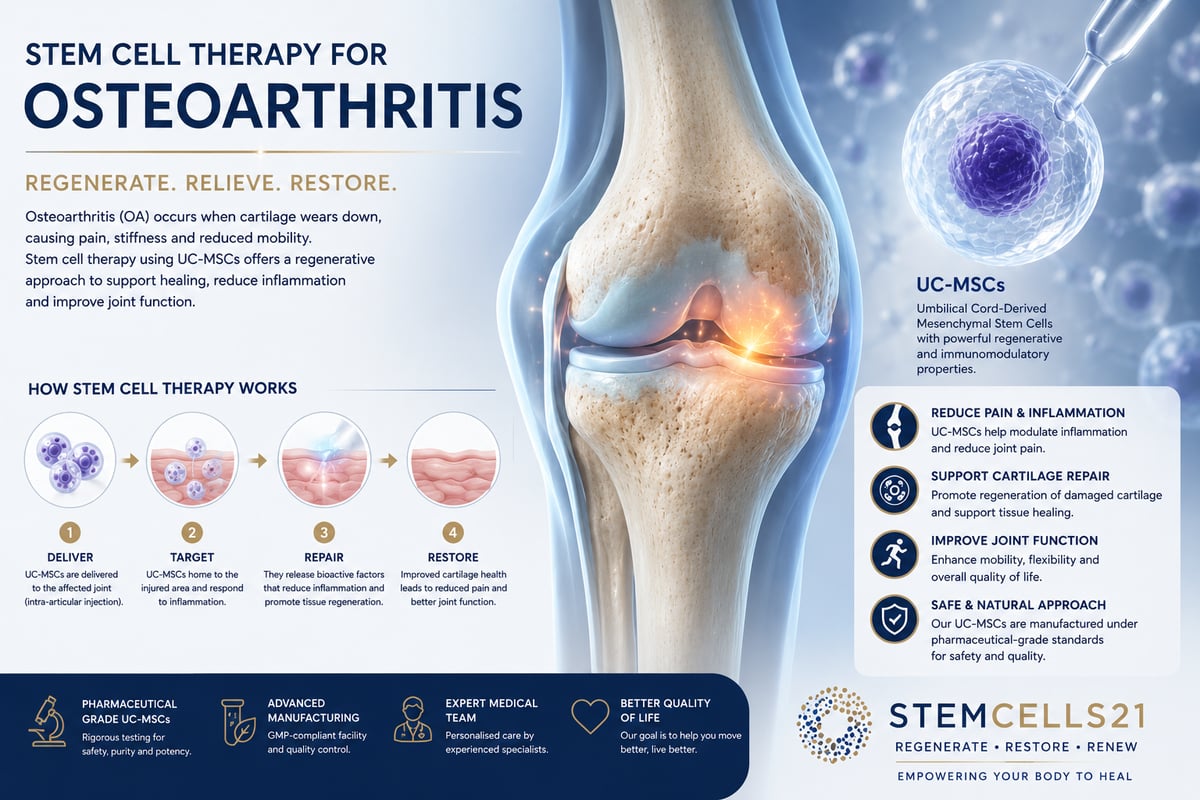
At facilities specialising in regenerative medicine, treatment programmes often utilise umbilical cord-derived mesenchymal stem cells that have undergone rigorous quality testing and manufacturing standards. For instance, stem cell therapy for conditions such as osteoarthritis represents a currently available option for patients seeking alternatives to conventional treatments, whereas iPSC-derived cartilage cells remain primarily investigational.
Combining Technologies for Enhanced Outcomes
The future of regenerative medicine likely involves integrating multiple therapeutic modalities. IPS pluripotent stem cells may eventually provide personalised cell products tailored to individual patient genetics, whilst current mesenchymal stem cell therapies offer immediate anti-inflammatory and regenerative benefits through well-characterised mechanisms.
Research is exploring combination approaches where iPSC-derived cells provide tissue replacement whilst supportive mesenchymal stem cells create a favourable microenvironment for engraftment and integration. This synergistic strategy could enhance therapeutic outcomes whilst bridging the gap between available treatments and emerging technologies.
The Global Research Landscape
International collaboration drives progress in ips pluripotent stem cell research, with major initiatives spanning Asia, Europe, and North America. Japan has maintained a leadership position through government-supported programmes and progressive regulatory frameworks enabling early-phase clinical trials. The European Union's Horizon programmes fund extensive iPSC research networks, whilst numerous American institutions contribute fundamental discoveries and translational applications.
Thailand has emerged as an important centre for regenerative medicine research and clinical application, with advanced facilities in Bangkok offering patients access to cutting-edge stem cell therapies whilst contributing to the global knowledge base through clinical research and international partnerships.
Publication Trends and Knowledge Sharing
The volume of scientific publications on ips pluripotent stem cells continues to grow exponentially, reflecting sustained research interest and expanding applications. High-impact journals regularly feature advances in reprogramming methodology, disease modelling, and therapeutic development, whilst specialised stem cell journals provide detailed technical protocols and comprehensive reviews.
Open-access publication initiatives have democratised access to iPSC research findings, enabling researchers worldwide to build upon previous work. Repositories such as PubMed Central host thousands of freely accessible articles detailing iPSC generation, characterisation, and application across diverse medical fields.
Personalised Medicine and Precision Therapeutics
Perhaps the most compelling long-term vision for ips pluripotent stem cells involves truly personalised medicine where treatments are designed specifically for individual patients based on their unique genetic makeup. By creating patient-specific iPSC lines, physicians could test multiple therapeutic strategies in vitro before selecting the optimal approach.
This precision medicine paradigm extends beyond rare genetic diseases to common complex conditions. Cardiovascular disease patients might receive iPSC-derived cardiomyocytes genetically matched to their immune system, whilst diabetic patients could benefit from personalised pancreatic beta cells resistant to autoimmune destruction.
Personalised medicine workflow using iPSCs:
- Collect patient somatic cells (blood draw or skin biopsy)
- Reprogram to ips pluripotent stem cells under GMP conditions
- Perform genetic correction if treating monogenic disease
- Differentiate into therapeutically relevant cell types
- Expand and quality-test final cell product
- Administer to patient with minimal immunosuppression
Whilst this vision remains aspirational for most applications, ongoing technological advances in automation, cost reduction, and regulatory streamlining are gradually making personalised iPSC therapies more feasible.
The transformative potential of ips pluripotent stem cells continues to reshape regenerative medicine, offering new hope for patients with previously untreatable conditions whilst advancing our fundamental understanding of human development and disease. As research progresses and clinical applications mature, these remarkable cells will likely play an increasingly important role in personalised therapeutic strategies. If you're interested in exploring current regenerative medicine options tailored to your specific condition, StemCells21 offers comprehensive consultations and evidence-based treatment programmes utilising pharmaceutical-grade stem cells in our state-of-the-art Bangkok facility, helping patients achieve improved quality of life through advanced regenerative therapies.