
Induced pluripotent stem cells represent one of the most significant breakthroughs in modern regenerative medicine. Since their discovery in 2006, ips stem cells have transformed our understanding of cellular reprogramming and opened new pathways for treating previously intractable conditions. These remarkable cells, created from adult tissues, possess the unique ability to differentiate into virtually any cell type in the human body whilst avoiding many of the ethical concerns associated with embryonic stem cells. For patients seeking innovative treatments for degenerative diseases, understanding the science and potential of ips stem technology has become increasingly relevant to making informed healthcare decisions.
Understanding the Science Behind IPS Stem Cells
The fundamental principle of ips stem cell technology lies in cellular reprogramming. Scientists discovered that by introducing specific transcription factors into adult cells, they could reverse the developmental clock and return mature, specialised cells to a pluripotent state. This process, which earned Shinya Yamanaka the Nobel Prize in Physiology or Medicine, typically involves four key factors: Oct3/4, Sox2, Klf4, and c-Myc.
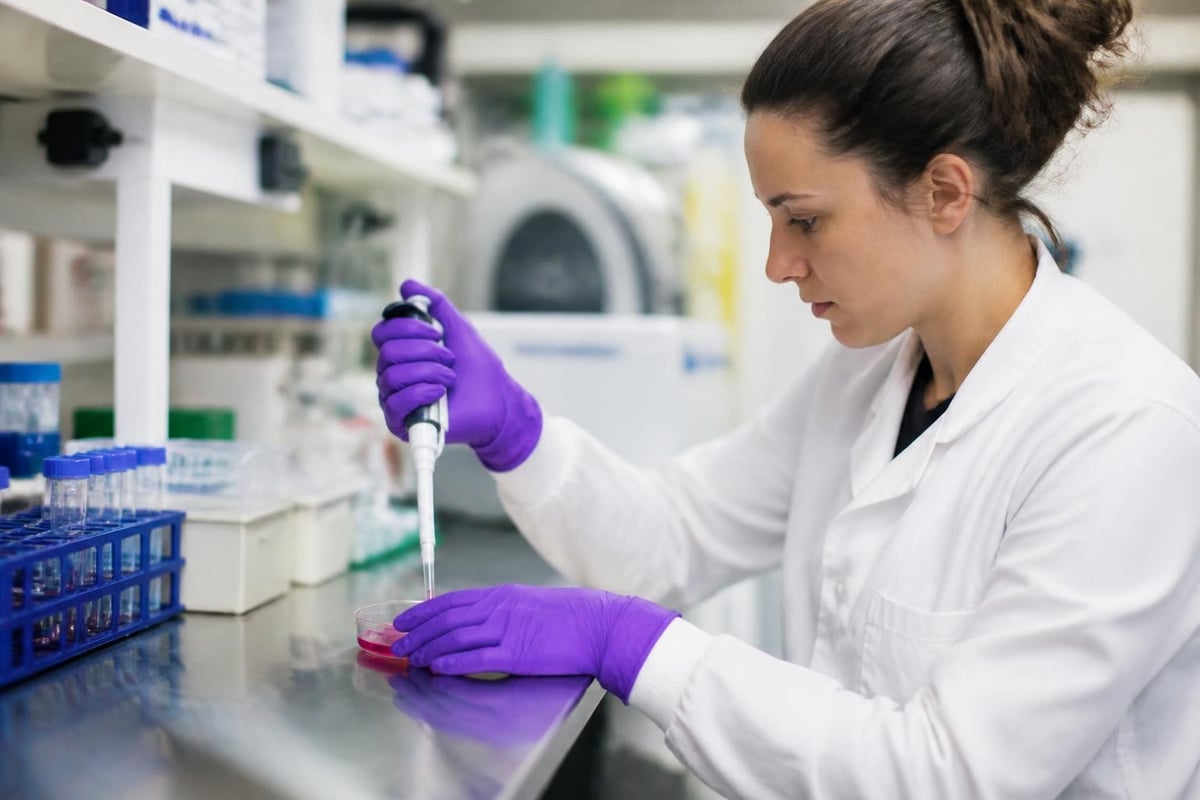
The reprogramming journey begins with readily accessible cells such as skin fibroblasts or blood cells. These donor cells undergo a carefully controlled transformation over approximately two to three weeks. Current reprogramming methods vary in efficiency and safety profiles, with researchers continuously refining techniques to improve success rates whilst minimising genetic alterations.
The Reprogramming Methodology
Modern ips stem cell generation employs several distinct approaches, each with unique advantages and considerations:
- Retroviral and lentiviral vectors: Early methods delivering reprogramming factors through viral integration
- Non-integrating episomal vectors: Safer approaches avoiding permanent genomic changes
- mRNA-based reprogramming: Direct delivery of transcription factor transcripts
- Small molecule approaches: Chemical compounds inducing pluripotency without genetic material
| Reprogramming Method | Efficiency | Safety Profile | Clinical Suitability |
|---|---|---|---|
| Retroviral vectors | High | Lower (integration risk) | Limited |
| Episomal plasmids | Moderate | Higher | Good |
| Sendai virus | High | Higher | Very good |
| mRNA transfection | Moderate | Highest | Excellent |
Research continues to optimise these methodologies, with recent molecular advances demonstrating improved efficiency and reduced variability across different cell sources.
Clinical Applications of IPS Stem Technology
The therapeutic potential of ips stem cells extends across numerous medical disciplines. Their capacity to generate patient-specific cells offers unprecedented opportunities for personalised medicine approaches. Unlike traditional stem cell therapies, ips stem technology can theoretically provide immunologically matched cells for any patient, eliminating many transplant rejection concerns.
Disease Modelling and Drug Discovery
One of the most immediate applications involves creating disease-specific cell lines. Researchers can reprogram cells from patients with genetic disorders, generating ips stem cells that carry the same mutations. These disease models enable scientists to study pathological processes in living human cells, something previously impossible without access to affected tissues.
Pharmaceutical companies increasingly utilise ips stem technology for drug screening. By differentiating patient-derived cells into relevant tissue types-cardiac cells for heart disease research, neurons for neurological conditions-researchers can test therapeutic compounds on authentic human cells rather than animal models or immortalised cell lines.
Regenerative Therapies in Development
Current clinical investigations explore ips stem applications across multiple conditions:
- Retinal degeneration: Japanese researchers pioneered the first ips stem clinical trial, transplanting retinal pigment epithelium cells derived from patient ips stem cells to treat macular degeneration
- Parkinson's disease: Differentiated dopaminergic neurons show promise in preclinical models and early-phase human trials
- Heart disease: Cardiac patches and cardiomyocyte transplantation aim to repair damaged heart tissue following infarction
- Blood disorders: Generation of red blood cells, platelets, and immune cells from ips stem sources
- Spinal cord injury: Oligodendrocyte precursors derived from ips stem cells may promote remyelination and functional recovery
The ongoing clinical trials database reveals dozens of registered studies investigating ips stem-derived therapies, signalling growing confidence in their clinical viability.
Safety Considerations and Quality Control
Despite their remarkable potential, ips stem cells present specific safety challenges that require rigorous management. The reprogramming process itself carries risks, particularly when integrating viral vectors that may cause insertional mutagenesis. Even more concerning, ips stem cells retain the potential for uncontrolled proliferation and tumour formation if incompletely differentiated cells remain in therapeutic preparations.
Addressing Tumorigenicity Concerns
The pluripotent nature that makes ips stem cells therapeutically valuable also poses their greatest risk. Tumorigenic mechanisms include genetic and epigenetic abnormalities acquired during reprogramming, residual undifferentiated cells capable of teratoma formation, and chromosomal instabilities that emerge during extended culture periods.
Mitigation strategies focus on several key areas:
- Comprehensive genomic analysis: Next-generation sequencing identifies potentially oncogenic mutations before clinical use
- Rigorous differentiation protocols: Ensuring complete conversion to desired cell types with minimal pluripotent contamination
- Purification systems: Removing any remaining undifferentiated cells from final therapeutic products
- Extended safety monitoring: Long-term follow-up of treated patients for any signs of abnormal growth
Manufacturing Standards and Regulatory Pathways
Producing clinical-grade ips stem cells demands adherence to stringent manufacturing principles. Good Manufacturing Practice standards established by regulatory authorities specify requirements for facilities, processes, documentation, and quality systems. These frameworks ensure consistent production of safe, effective cellular products.
Regulatory agencies evaluate ips stem-based therapies as advanced therapy medicinal products, requiring extensive preclinical data demonstrating safety, proof-of-concept efficacy, and well-characterised manufacturing processes. The approval pathway typically involves:
| Development Stage | Key Requirements | Regulatory Considerations |
|---|---|---|
| Research phase | Safety in animal models, mechanism studies | Institutional oversight, ethics approval |
| IND/CTA application | Manufacturing documentation, toxicology data | Regulatory agency review |
| Phase I/II trials | Safety in humans, preliminary efficacy signals | Ongoing safety monitoring |
| Phase III trials | Efficacy demonstration, expanded safety data | Comparative effectiveness |
| Market authorisation | Complete benefit-risk profile | Post-market surveillance |
Comparing IPS Stem Cells with Other Stem Cell Types
Understanding how ips stem technology relates to other cellular therapies helps contextualise its unique advantages and limitations. The stem cell landscape includes several distinct categories, each with specific characteristics suited to different applications.
Embryonic stem cells, whilst genuinely pluripotent, raise ethical objections and face immunological barriers when transplanted into genetically distinct recipients. Adult mesenchymal stem cells, increasingly utilised in clinical practice, demonstrate excellent safety profiles and immunomodulatory properties but possess more limited differentiation capacity than ips stem cells.
The stem cell therapies currently available predominantly utilise mesenchymal stem cells from sources such as umbilical cord tissue. These cells excel at modulating inflammation and supporting tissue repair through paracrine signalling rather than direct differentiation into target tissues-a fundamentally different mechanism than ips stem cell applications envision.
Advantages of IPS Stem Technology
Several factors position ips stem cells favourably for certain applications:
- Patient-specific derivation enables autologous transplantation without immunosuppression
- Unlimited proliferative capacity provides scalable cell sources for manufacturing
- Differentiation into any somatic cell type addresses diverse therapeutic needs
- No embryo destruction removes major ethical barriers to research and development
Current Limitations
Despite significant progress, ips stem technology faces ongoing challenges:
The reprogramming process remains inefficient and time-consuming. Generating sufficient quantities of clinical-grade cells for a single patient may require months, limiting applicability in acute conditions. Cost considerations also remain substantial, with personalised ips stem cell production potentially requiring hundreds of thousands of pounds per patient.
Variability between cell lines presents another hurdle. Different donor cells and reprogramming methods yield ips stem lines with varying differentiation potential and genetic stability. Standardising these processes to ensure consistent therapeutic products remains an active research priority.
Future Directions and Emerging Applications
The ips stem field continues evolving rapidly, with several promising developments on the horizon. Researchers are exploring "universal donor" ips stem cells-genetically modified to evade immune recognition-that could provide off-the-shelf cellular therapies without requiring patient-specific manufacturing.
Combining ips stem technology with CAR-based immunotherapy represents another frontier. Scientists can engineer ips stem cells to express chimeric antigen receptors, then differentiate them into immune cells such as T cells or natural killer cells. This approach could yield unlimited supplies of targeted cancer-fighting cells with consistent quality and potency.
Gene Editing Integration
The convergence of ips stem technology with CRISPR and other gene-editing tools opens transformative possibilities. Researchers can correct disease-causing mutations in patient-derived ips stem cells before differentiation, potentially curing genetic disorders at the cellular level. Alternatively, healthy donor ips stem cells might be edited to enhance their therapeutic properties or resistance to disease processes.
Applications under active investigation include:
- Correcting mutations causing sickle cell disease or beta-thalassaemia in haematopoietic progenitors
- Engineering hepatocytes from ips stem cells to treat inherited metabolic disorders
- Creating disease-resistant neurons for neurodegenerative conditions
- Generating enhanced pancreatic beta cells for diabetes treatment
Tissue Engineering and Organoid Development
Three-dimensional culture systems enable ips stem cells to self-organise into complex tissue structures called organoids. These miniaturised organ-like structures recapitulate key aspects of development and function, serving as powerful research tools and potential transplantable tissues.
Current organoid systems derived from ips stem cells include brain organoids modelling cortical development, cardiac organoids studying heart disease mechanisms, kidney organoids for nephrotoxicity testing, and liver organoids supporting drug metabolism research. As these technologies mature, they may eventually provide transplantable organ components to address the critical shortage of donor organs.
Ethical and Societal Considerations
The development of ips stem technology addressed many ethical concerns surrounding embryonic stem cell research, yet new questions have emerged. Issues of consent, particularly when banking cells from children or individuals unable to provide ongoing consent for future uses, require careful consideration. The potential for ips stem cells to generate gametes raises profound questions about reproductive rights and the boundaries of acceptable research.
Guidelines from organisations such as the International Society for Stem Cell Research provide frameworks for responsible conduct. These recommendations address oversight mechanisms, acceptable research boundaries, clinical translation standards, and public engagement strategies.
Access and equity concerns also warrant attention. If ips stem therapies require personalised manufacturing, cost barriers may restrict access to wealthy individuals or well-funded healthcare systems. Developing universal donor approaches or other manufacturing efficiencies will prove essential for equitable distribution of these potentially transformative treatments.
Integration with Current Regenerative Medicine Practice
Whilst ips stem cell therapies remain largely investigational, understanding their development helps contextualise the broader regenerative medicine landscape. Current clinical practice increasingly incorporates cellular therapies, though typically using different cell types with established safety profiles and regulatory approval.
Patients exploring regenerative options today often encounter treatments utilising umbilical cord-derived mesenchymal stem cells. These therapies operate through distinct mechanisms-primarily immunomodulation and trophic factor secretion-rather than the direct cellular replacement envisioned for many ips stem applications. Both approaches hold value within regenerative medicine, addressing different clinical needs through complementary mechanisms.
Conditions benefiting from current mesenchymal stem cell approaches include degenerative joint diseases, chronic inflammatory conditions, and certain autoimmune disorders. Advanced stem cell research and treatment options continue expanding the evidence base supporting these interventions whilst laying groundwork for future ips stem cell applications as they transition from research to clinical reality.
The convergence of multiple cellular therapy platforms-mesenchymal stem cells, natural killer cells through NK cell therapies, exosome-based treatments, and eventually ips stem-derived cells-promises increasingly sophisticated regenerative medicine strategies. Each technology contributes unique capabilities, together forming a comprehensive toolkit for addressing complex degenerative and inflammatory conditions.
Global Research Landscape
International collaboration drives ips stem cell advancement, with major research hubs in Japan, the United States, the United Kingdom, and increasingly throughout Asia. Japan pioneered clinical translation, conducting the first ips stem transplant in 2014 and subsequently establishing cell banks containing HLA-matched ips stem lines to serve substantial portions of the Japanese population.
European initiatives focus on manufacturing standardisation and regulatory harmonisation, seeking to streamline the pathway from discovery to clinical application. American programmes emphasise disease modelling and drug discovery applications alongside therapeutic development. Asian centres, particularly in China, South Korea, and Thailand, combine research excellence with clinical innovation, often progressing rapidly through translational stages.
This geographic diversity enriches the field, as different regulatory environments, patient populations, and research priorities yield complementary insights. International standards and shared protocols ensure that advances in one region benefit the global scientific community whilst maintaining rigorous safety and quality expectations.
The development of ips stem cells represents a watershed moment in regenerative medicine, offering unprecedented opportunities for personalised cellular therapies whilst raising important questions about manufacturing, safety, and equitable access. As this technology continues maturing from research laboratories into clinical practice, patients and healthcare providers must stay informed about both current capabilities and realistic timelines for emerging applications. For those seeking advanced regenerative treatments today, StemCells21 offers evidence-based cellular therapies utilising pharmaceutical-grade mesenchymal stem cells, providing immediate options whilst the field continues evolving toward tomorrow's ips stem-based innovations.