
Induced pluripotent stem cells represent one of the most significant breakthroughs in regenerative medicine over the past two decades. Since Shinya Yamanaka's Nobel Prize-winning discovery in 2006, ipsc pluripotent stem cells have transformed how researchers approach disease modelling, drug development, and personalised medicine. These laboratory-created cells possess the remarkable ability to become virtually any cell type in the human body, offering unprecedented opportunities for understanding and treating degenerative conditions. Unlike embryonic stem cells, iPSCs are derived from adult somatic cells, circumventing many ethical concerns whilst retaining pluripotent characteristics. This innovation has opened new avenues for developing patient-specific therapies and advancing our understanding of cellular biology.
Understanding iPSC Reprogramming Technology
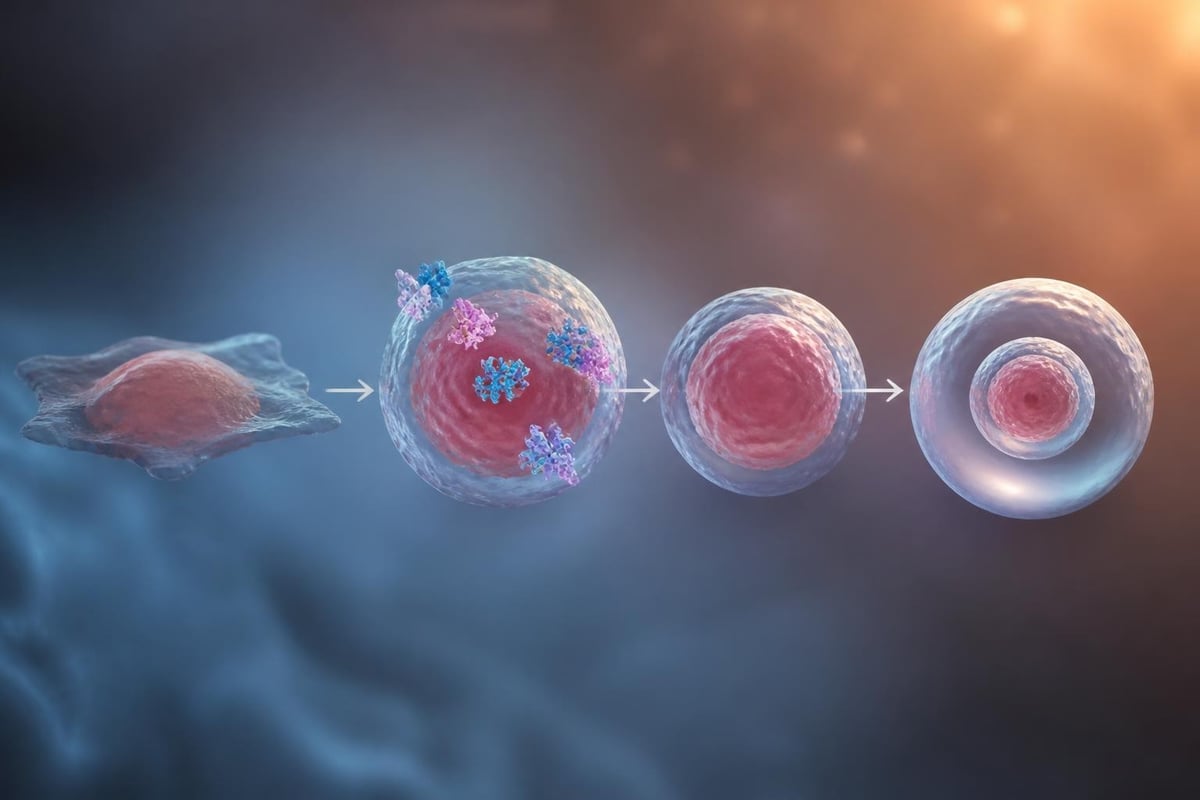
The creation of ipsc pluripotent stem cells involves a sophisticated process called cellular reprogramming. Scientists take mature, specialised cells-typically skin fibroblasts or blood cells-and introduce specific transcription factors that reverse their developmental clock. The original Yamanaka factors (Oct4, Sox2, Klf4, and c-Myc) remain the most widely used combination, though researchers have developed numerous alternative approaches.
Key reprogramming methods include:
- Retroviral and lentiviral vector delivery
- Non-integrating episomal vectors
- Sendai virus-based systems
- mRNA transfection protocols
- Small molecule approaches
The reprogramming process typically takes two to four weeks, during which cells gradually shed their original identity and acquire pluripotent characteristics. These transformed cells exhibit unlimited self-renewal capacity and can theoretically differentiate into any of the three germ layers: endoderm, mesoderm, and ectoderm.
Molecular mechanisms underlying iPSC generation involve complex epigenetic remodelling, chromatin restructuring, and metabolic shifts. The cells transition from oxidative phosphorylation to glycolytic metabolism, similar to embryonic stem cells. This fundamental reprogramming extends beyond gene expression patterns to encompass telomere lengthening, X-chromosome reactivation in female cells, and global DNA demethylation.
Quality Control and Characterisation
Ensuring ipsc pluripotent stem cells meet rigorous quality standards is essential before research or clinical applications. Characterisation protocols assess pluripotency markers, genomic stability, and differentiation potential. Standard quality checkpoints include immunostaining for pluripotency markers (SSEA-4, TRA-1-60, Nanog), teratoma formation assays, and directed differentiation tests.
| Quality Parameter | Assessment Method | Acceptance Criteria |
|---|---|---|
| Pluripotency markers | Flow cytometry, immunofluorescence | >90% positive cells |
| Genomic integrity | Karyotyping, SNP arrays | Normal diploid karyotype |
| Differentiation capacity | Embryoid body formation, directed protocols | All three germ layers |
| Sterility | Microbiological testing | Negative for contaminants |
Advanced genomic sequencing now enables detection of point mutations, copy number variations, and structural abnormalities that may accumulate during culture. Manufacturing clinical-grade iPSC products requires GMP-compliant facilities, extensive documentation, and batch-to-batch consistency testing.
Disease Modelling Applications
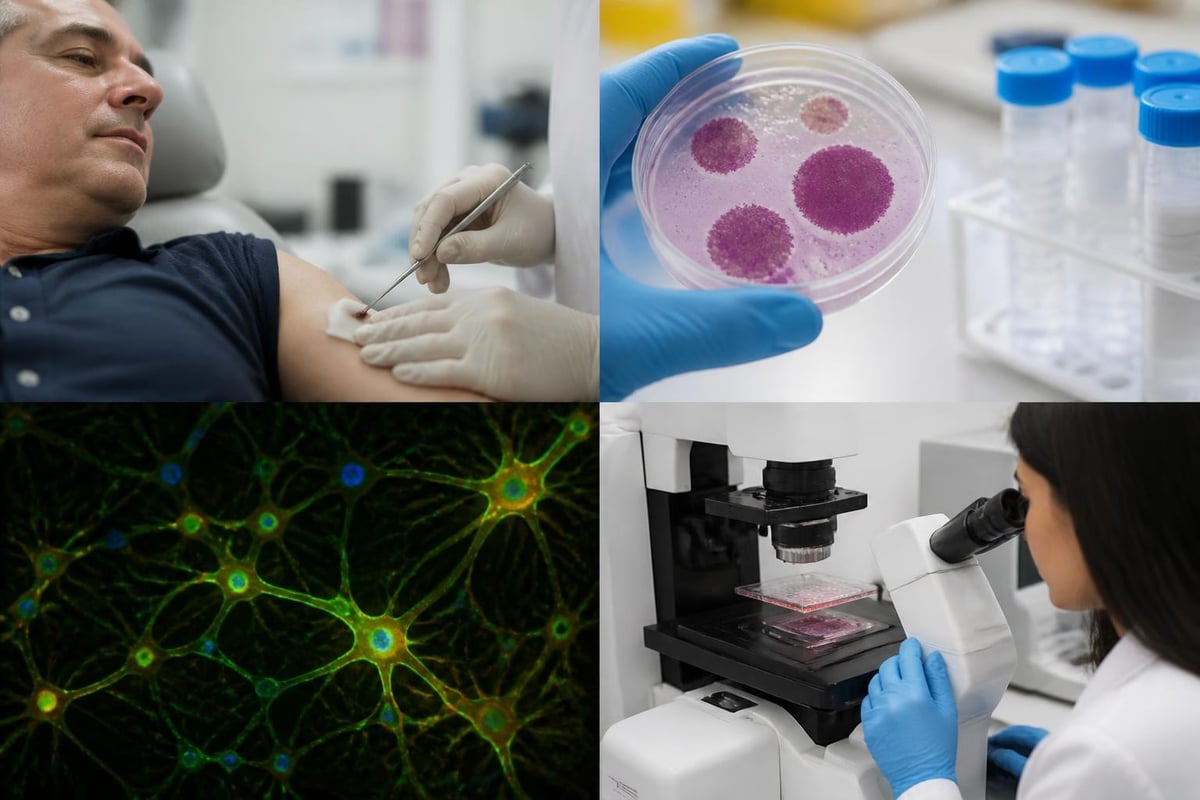
One of the most valuable applications of ipsc pluripotent stem cells lies in creating patient-specific disease models. By reprogramming cells from individuals with genetic conditions, researchers can generate unlimited quantities of affected cell types for study. This "disease in a dish" approach has revolutionised understanding of conditions ranging from neurodegenerative disorders to cardiac arrhythmias.
Parkinson's disease models using patient-derived iPSCs have revealed novel pathological mechanisms involving mitochondrial dysfunction and alpha-synuclein aggregation. Researchers can observe how dopaminergic neurons derived from patients' cells develop abnormalities that mirror clinical disease progression. Similarly, iPSC models of amyotrophic lateral sclerosis (ALS) demonstrate motor neuron degeneration patterns specific to different genetic mutations.
Organoid Technology and 3D Modelling
The combination of iPSC technology with organoid culture systems has created miniature, three-dimensional organ-like structures that better recapitulate human tissue architecture. Brain organoids, cardiac organoids, and liver organoids now serve as sophisticated platforms for studying development, disease, and drug responses.
iPSC-derived organoids for precision medicine enable researchers to model complex tissue interactions, observe disease progression over time, and test therapeutic interventions in a patient-specific context. These systems have proven particularly valuable for studying neurodevelopmental disorders like autism spectrum conditions, where brain tissue is otherwise inaccessible for direct study.
Understanding the broader context of stem cell differentiation helps contextualise how iPSCs can be directed toward specific cell fates for disease modelling purposes.
Drug Discovery and Toxicity Screening
Pharmaceutical companies increasingly rely on ipsc pluripotent stem cells for drug development pipelines. Traditional drug screening using animal models or immortalised cell lines often fails to predict human responses accurately. iPSC-derived cells offer human-relevant models that better predict efficacy and toxicity.
High-throughput screening platforms now utilise iPSC-derived:
- Cardiomyocytes for cardiac safety testing
- Hepatocytes for liver toxicity assessment
- Neurons for neurotoxicity evaluation
- Kidney cells for nephrotoxicity screening
The pharmaceutical industry has adopted iPSC-based assays for evaluating drug-induced cardiotoxicity, particularly QT prolongation risks. Regulatory agencies now accept data from iPSC-derived cardiomyocytes as part of comprehensive safety assessments. This application alone has prevented several potentially dangerous compounds from advancing to clinical trials.
Personalised medicine approaches use patient-specific iPSC lines to predict individual drug responses. For cancer patients, tumour-derived iPSCs can be differentiated back into cancer cells for testing multiple therapeutic options, identifying the most effective treatment before clinical administration.
Clinical Translation and Therapeutic Applications
The journey from laboratory research to clinical application represents the ultimate goal for ipsc pluripotent stem cells. iPSC-based clinical trials worldwide have tested therapies for macular degeneration, Parkinson's disease, heart failure, and spinal cord injuries. Japan, with its progressive regenerative medicine regulations, has led many first-in-human studies.
Age-related macular degeneration trials have transplanted iPSC-derived retinal pigment epithelial cells into patients' eyes, with several showing vision stabilisation or improvement. Parkinson's disease trials have implanted iPSC-derived dopaminergic neurons into the substantia nigra, though long-term efficacy data remain under evaluation.
Manufacturing Challenges and Solutions
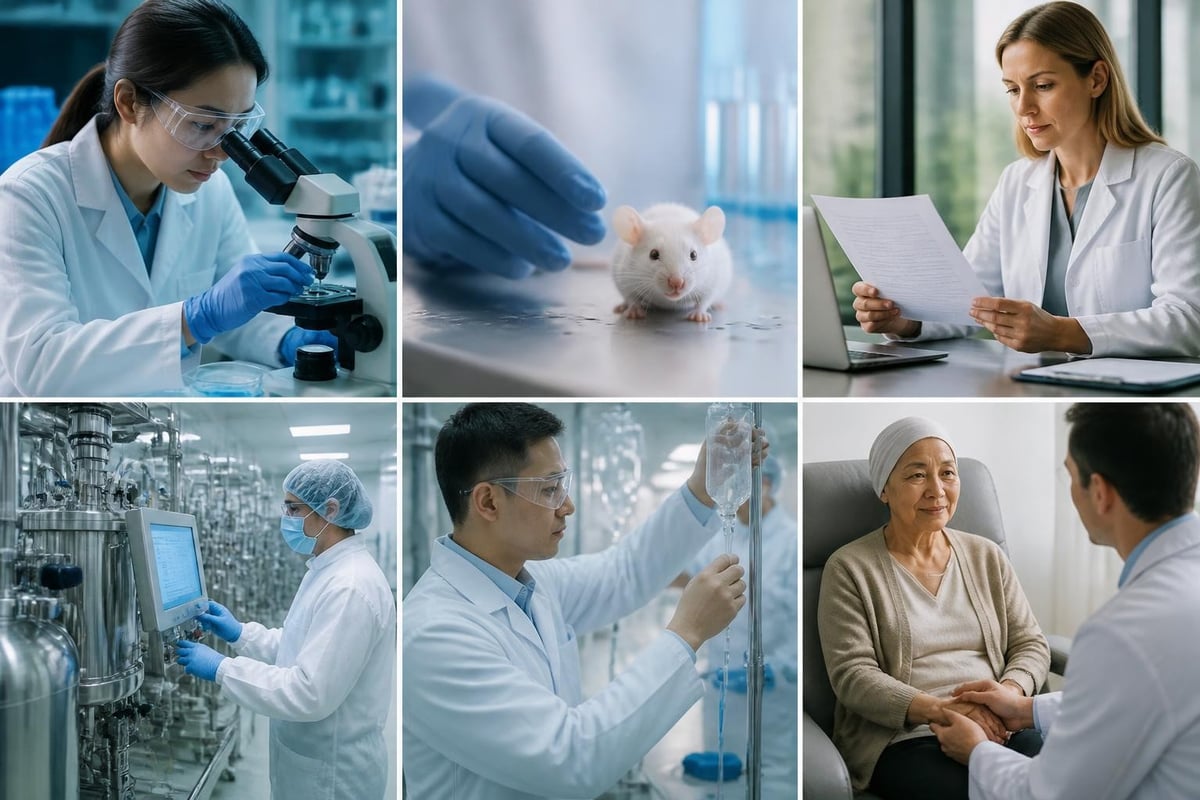
Scaling iPSC production for clinical use presents substantial technical and regulatory hurdles. Each therapeutic dose may require billions of cells, all meeting stringent safety and quality specifications. Automated culture systems, bioreactor technologies, and advanced purification methods are addressing these challenges.
The development of master cell banks-carefully characterised iPSC lines manufactured under GMP conditions-enables consistent production of derivative cell products. However, the choice between autologous (patient-derived) and allogeneic (universal donor) approaches remains debated. Autologous cells eliminate rejection risks but require expensive, time-consuming individualised manufacturing. Allogeneic approaches using "universal" donor iPSCs or hypoimmunogenic edited lines offer scalability but may require immunosuppression.
Comprehensive guidance on stem cell treatments from international organisations helps patients navigate legitimate clinical applications versus unproven treatments. Responsible clinics prioritise evidence-based approaches and transparency about treatment status.
Gene Editing and Precision Correction
The convergence of CRISPR gene-editing technology with ipsc pluripotent stem cells has created powerful tools for correcting genetic mutations. Researchers can now repair disease-causing mutations in patient-derived iPSCs, differentiate the corrected cells into affected tissue types, and potentially transplant them back into patients. This approach offers genuine curative potential for monogenic disorders.
Sickle cell disease and beta-thalassemia represent prime targets for iPSC-based gene therapy. Scientists can collect patients' blood cells, reprogram them to iPSCs, use CRISPR to correct the haemoglobin gene mutation, differentiate the cells into hematopoietic progenitor cells, and reinfuse them after myeloablative conditioning. Early clinical results show promising engraftment and haemoglobin production.
Beyond simple correction, gene editing enables creation of "reporter" iPSC lines where fluorescent proteins mark specific cell types or disease processes. These engineered lines accelerate drug screening and mechanistic studies. Researchers have also generated hypoimmunogenic iPSCs by deleting HLA molecules and expressing immune checkpoint proteins, potentially creating universal donor cells that evade rejection.
| Gene Editing Application | Target Condition | Editing Approach | Clinical Status |
|---|---|---|---|
| Haemoglobin correction | Sickle cell disease | CRISPR/Cas9 | Phase I/II trials |
| Dystrophin restoration | Duchenne muscular dystrophy | Base editing | Preclinical |
| CFTR correction | Cystic fibrosis | Prime editing | Preclinical |
| HLA deletion | Universal donor cells | CRISPR/Cas9 | Preclinical |
Comparing iPSCs with Other Stem Cell Sources
Understanding how ipsc pluripotent stem cells compare with other stem cell types clarifies their unique advantages and limitations. Embryonic stem cells remain the gold standard for pluripotency but carry ethical concerns and immunological incompatibility for transplantation. Adult stem cells like mesenchymal stromal cells offer clinical accessibility but limited differentiation potential.
iPSC advantages include:
- Patient-specific derivation avoiding immune rejection
- Unlimited expansion capacity
- Differentiation into any cell type
- Ethical acceptability compared to embryonic sources
- Banking potential for future personalised treatments
Limitations encompass:
- Tumourigenicity risks from incomplete differentiation
- Genetic and epigenetic abnormalities during reprogramming
- Time and cost for patient-specific generation
- Regulatory complexity for clinical products
- Long-term safety data still accumulating
Many regenerative medicine centres now utilise bone marrow stem cells alongside other approaches, recognising that different stem cell types serve distinct therapeutic niches. The optimal choice depends on the specific condition, treatment timeline, and clinical objectives.
The versatility of iPSC technology means it complements rather than replaces existing stem cell therapies. For conditions requiring immediate intervention, allogeneic mesenchymal stem cells may offer faster deployment. For long-term solutions requiring specific cell types, iPSC-derived products may provide superior outcomes.
Regulatory Landscape and Policy Considerations
The governance of ipsc pluripotent stem cell research and clinical applications varies significantly across jurisdictions. NIH stem cell research policies provide comprehensive frameworks for federally funded research in the United States, whilst the European Medicines Agency has issued specific guidance for advanced therapy medicinal products based on iPSCs.
Japan's pioneering conditional approval pathway has accelerated clinical translation, allowing earlier market access for regenerative products with ongoing efficacy monitoring. This regulatory innovation has positioned Japan as a global leader in iPSC therapeutics but raises questions about balancing innovation with patient safety.
The International Society for Stem Cell Research (ISSCR) regularly updates ethical guidelines addressing informed consent, commercial translation, and clinical trial design for pluripotent stem cell applications. These consensus documents help harmonise global practices whilst respecting regional regulatory autonomy.
Patient Safety and Unproven Treatments
The promising potential of iPSCs has unfortunately spawned a "stem cell tourism" industry offering unproven treatments. Patients must distinguish between legitimate clinical trials registered with appropriate authorities and unregulated clinics making unfounded claims. Responsible practitioners emphasise that most iPSC applications remain investigational.
Warning signs of dubious clinics include guarantees of success, treatment for multiple unrelated conditions with the same protocol, lack of peer-reviewed publications, and inadequate informed consent processes. Legitimate research institutions prioritise patient safety, transparent communication about experimental status, and rigorous follow-up monitoring.
Manufacturing Protocols and Standardisation
Establishing standardised manufacturing protocols for ipsc pluripotent stem cells remains a critical challenge for clinical translation. Variability between laboratories in culture media, reprogramming methods, and quality control creates reproducibility issues. International consortia are working to develop reference standards and harmonised characterisation criteria.
Detailed iPSC differentiation protocols provide practical guidance for researchers, though adaptation to GMP manufacturing requires extensive validation. Automation platforms now enable reproducible, large-scale production with reduced manual handling and contamination risks.
Process analytical technology (PAT) implementation allows real-time monitoring of critical parameters throughout manufacturing. Non-invasive imaging, metabolic sensors, and molecular markers track cell state without disrupting cultures. These advances enhance consistency whilst reducing costs through earlier detection of batch failures.
Future Directions and Emerging Applications
The field of ipsc pluripotent stem cells continues evolving rapidly, with several promising directions emerging. Chemical reprogramming using small molecules without genetic modification may improve safety profiles and reduce costs. Direct lineage reprogramming-converting one cell type directly to another without passing through a pluripotent state-offers faster, more efficient routes for specific applications.
Artificial intelligence and machine learning are accelerating iPSC research by predicting optimal reprogramming conditions, identifying differentiation protocols, and analysing complex phenotypic data from disease models. These computational approaches dramatically reduce the experimental burden of protocol optimisation.
Bioprinting technology combined with iPSC-derived cells aims to fabricate complex tissue structures and eventually whole organs for transplantation. Researchers have successfully printed functional cardiac patches, liver tissue, and cartilage constructs using iPSC-derived cells as building blocks.
For patients seeking evidence-based regenerative approaches, understanding the spectrum of diseases stem cells can treat provides context for current capabilities versus future potential. Whilst iPSC therapeutics show immense promise, most applications remain investigational.
Longevity medicine increasingly explores how stem cell technologies, including iPSCs, might address age-related cellular decline. By reprogramming aged cells, researchers can study rejuvenation mechanisms and potentially develop interventions that restore youthful cellular function. Longevity treatment programmes at specialised centres integrate regenerative approaches with comprehensive health optimisation, though these applications require careful ethical consideration and rigorous clinical validation.

The convergence of iPSC technology with organoid systems, gene editing, bioengineering, and computational biology creates a powerful toolkit for 21st-century medicine. As manufacturing scales, costs decrease, and long-term safety data accumulates, ipsc pluripotent stem cells will likely transition from research tools to mainstream clinical therapeutics. The next decade will determine which applications achieve regulatory approval and widespread clinical adoption, fundamentally changing how we treat degenerative conditions, genetic disorders, and injuries.
The remarkable versatility of ipsc pluripotent stem cells positions them at the forefront of regenerative medicine, offering unprecedented opportunities for personalised therapy and disease understanding. As research progresses and clinical evidence accumulates, these laboratory-created cells are transforming from experimental tools to practical treatments for conditions once considered untreatable. At StemCells21, our commitment to advancing regenerative medicine encompasses both current evidence-based therapies and emerging technologies, ensuring patients receive cutting-edge care grounded in scientific rigour. If you're exploring regenerative options for degenerative conditions, age-related decline, or chronic diseases, our Bangkok facility offers personalised consultations to determine the most appropriate treatment pathway for your specific needs.