
Induced pluripotent stem cells (iPSCs) represent one of the most transformative breakthroughs in modern regenerative medicine. Since their discovery in 2006, ipsc stem technology has fundamentally altered how scientists approach disease modelling, drug development, and personalised cell therapy. These remarkable cells are created by reprogramming adult cells back to an embryonic-like pluripotent state, capable of differentiating into virtually any cell type in the human body. This revolutionary approach bypasses ethical concerns associated with embryonic stem cells whilst offering unprecedented potential for treating degenerative diseases, injuries, and age-related conditions.
Understanding iPSC Stem Cell Technology
The Science Behind Cellular Reprogramming
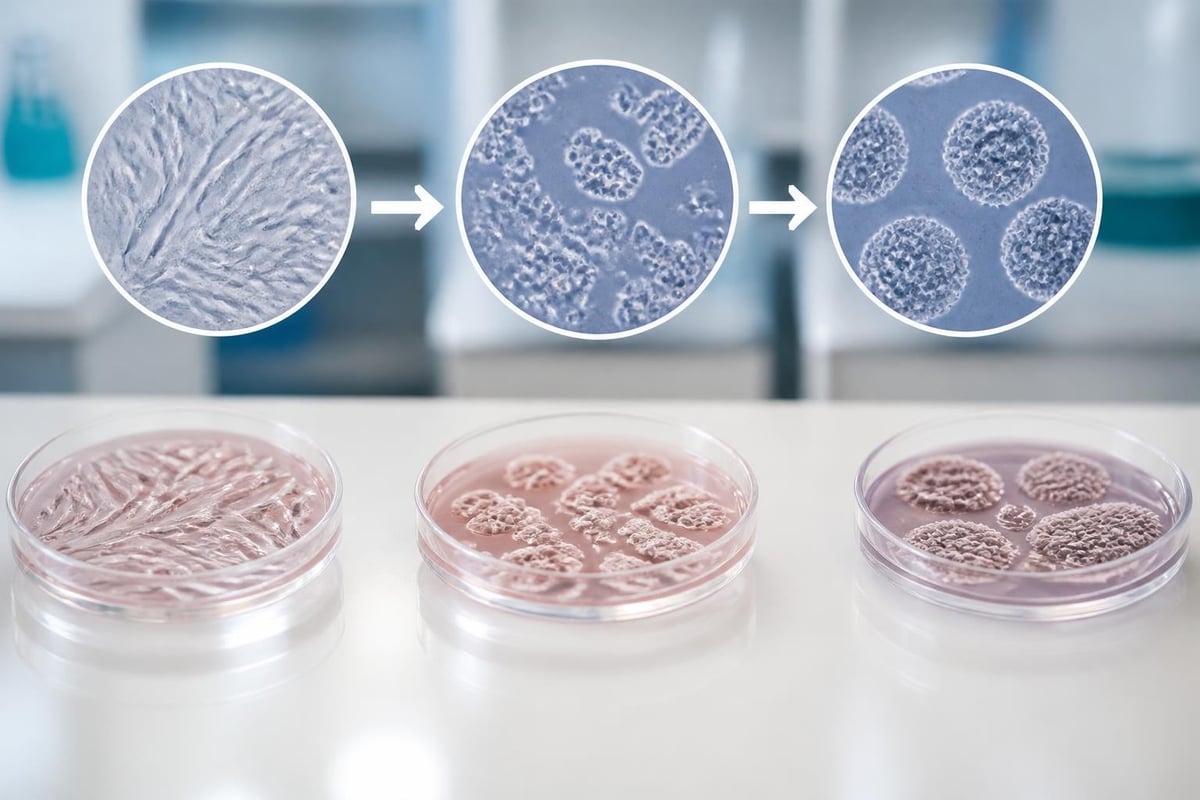
The ipsc stem cell creation process involves introducing specific transcription factors into adult somatic cells, typically skin fibroblasts or blood cells. These factors, originally identified by Shinya Yamanaka (who earned the 2012 Nobel Prize for this work), include Oct4, Sox2, Klf4, and c-Myc, collectively known as Yamanaka factors.
The reprogramming process fundamentally resets the cell's epigenetic landscape, erasing tissue-specific characteristics and restoring the capacity for self-renewal and pluripotency. Recent advances in iPSC molecular mechanisms have significantly improved efficiency and safety of this transformation.
Key advantages of iPSC technology include:
- Patient-specific cell generation without immune rejection concerns
- Unlimited renewable cell source for research and therapy
- No ethical constraints compared to embryonic stem cells
- Platform for personalised medicine approaches
- Capacity to model genetic diseases in laboratory settings
Quality Standards and Manufacturing Protocols
Producing pharmaceutical-grade ipsc stem cells requires rigorous quality control and standardised manufacturing processes. Modern protocols emphasise reproducibility, scalability, and safety-critical factors for clinical translation.
Standardised production protocols have emerged for generating specific cell types from iPSCs, particularly for complex applications requiring large cell numbers. These methods typically incorporate:
- Defined culture media free from animal-derived components
- Controlled differentiation protocols with precise timing and growth factors
- Comprehensive quality testing for pluripotency markers and karyotype stability
- Sterility assurance throughout manufacturing
- Functional validation of differentiated cell types
| Quality Parameter | Testing Method | Acceptance Criteria |
|---|---|---|
| Pluripotency markers | Flow cytometry, immunostaining | >80% positive cells |
| Karyotype stability | G-banding analysis | Normal chromosomes |
| Sterility | Microbiological culture | No growth detected |
| Mycoplasma | PCR testing | Negative result |
| Differentiation capacity | Teratoma formation or directed differentiation | All three germ layers |
The transition from research-grade to clinical-grade ipsc stem cells demands substantial investment in manufacturing infrastructure and quality systems. Facilities must comply with Good Manufacturing Practice (GMP) standards, ensuring every batch meets stringent safety and potency specifications.
Clinical Applications of iPSC Stem Cells
Disease Modelling and Drug Discovery
One of the most impactful applications of ipsc stem technology lies in creating patient-specific disease models. By reprogramming cells from individuals with genetic conditions, researchers can study disease mechanisms in relevant human cell types rather than relying solely on animal models.
This approach has proven particularly valuable for:
- Neurological disorders including Parkinson's disease, Alzheimer's disease, and motor neurone disease
- Cardiac conditions such as inherited arrhythmias and cardiomyopathies
- Metabolic diseases affecting liver, pancreas, and other organs
- Rare genetic syndromes where patient samples are limited
iPSC-derived organoids have enhanced disease modelling capabilities by recreating three-dimensional tissue structures that better recapitulate human physiology. These miniature organ-like structures enable more accurate drug screening and toxicity testing.
Gene Editing and Correction
The combination of ipsc stem technology with CRISPR and other gene-editing tools has opened remarkable therapeutic possibilities. Scientists can now correct genetic mutations in patient-derived iPSCs before differentiating them into therapeutic cell types.
Recent progress in gene editing of pluripotent stem cells demonstrates both the tremendous potential and the technical challenges that remain. Precise genetic modifications require careful validation to ensure:
- On-target editing without unintended mutations
- Maintained pluripotency after editing
- Normal karyotype and genomic stability
- Proper differentiation capacity post-modification
This strategy holds particular promise for monogenic disorders where a single gene correction could potentially cure the disease. Early-stage clinical trials are exploring this approach for conditions including sickle cell disease, beta-thalassemia, and certain forms of blindness.
Regenerative Cell Therapies
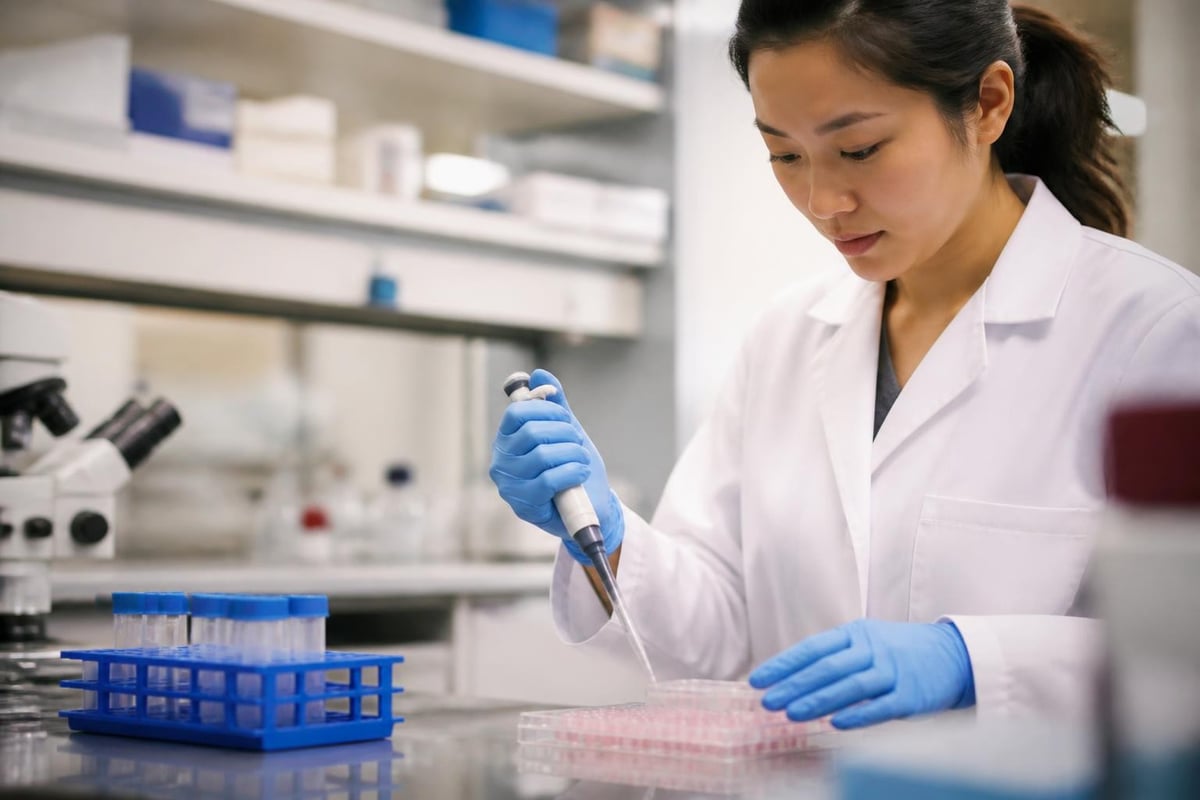
Translating ipsc stem cells into approved regenerative therapies represents the ultimate goal of this technology. Several clinical trials are currently investigating iPSC-derived cell products for various conditions.
Current clinical development areas include:
- Retinal pigment epithelial cells for age-related macular degeneration
- Dopaminergic neurons for Parkinson's disease
- Cardiomyocytes for heart failure
- Neural progenitors for spinal cord injury
- Pancreatic beta cells for diabetes
Manufacturing these therapeutic products at clinical scale presents substantial challenges. Optimised workflows for large-scale iPSC-derived cell production are essential for commercial viability and patient access.
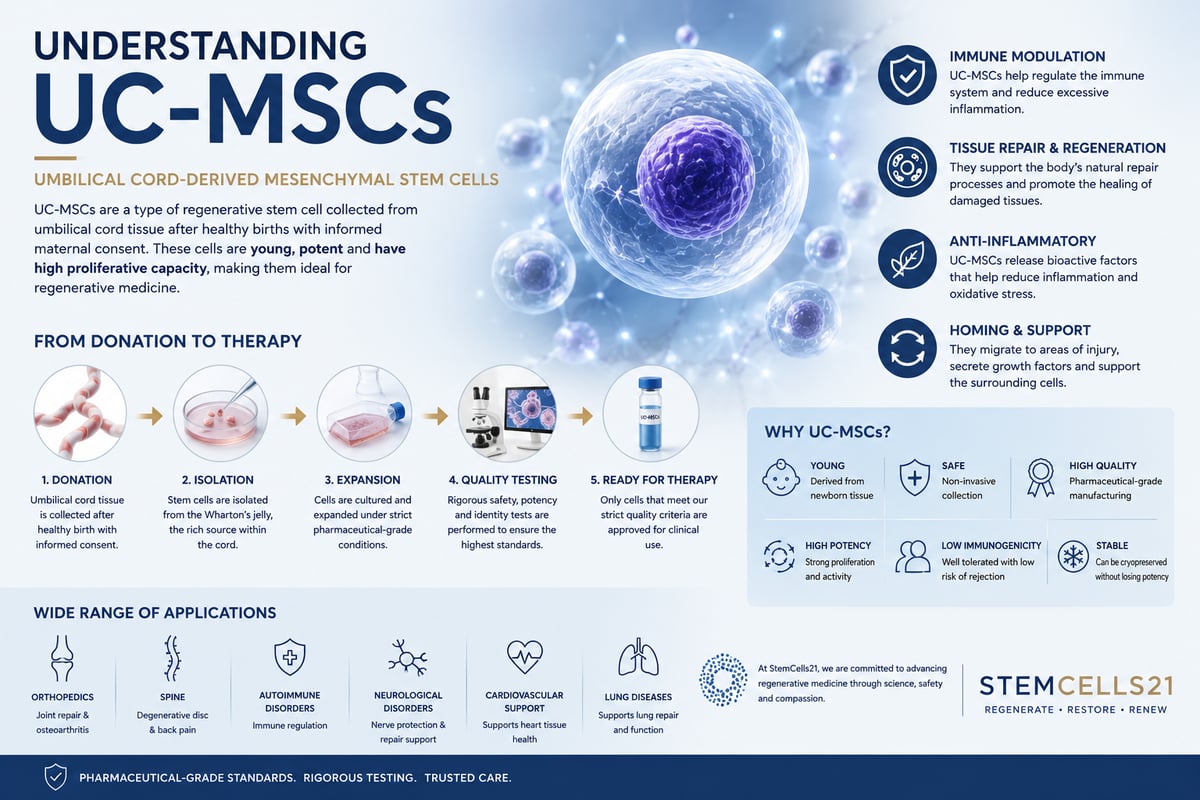
For conditions requiring immune modulation and tissue regeneration, many clinics currently utilise umbilical cord-derived mesenchymal stem cells due to their established safety profile and manufacturing scalability. At StemCells21, pharmaceutical-grade umbilical cord-derived mesenchymal stem cells offer an alternative approach whilst iPSC-based therapies continue clinical development.
Regulatory Landscape and Quality Assurance
Manufacturing Standards for Clinical Use
The ipsc stem cell field faces rigorous regulatory scrutiny as products advance toward clinical application. Regulatory agencies worldwide, including the FDA, EMA, and PMDA, have established frameworks for evaluating cell-based therapies derived from pluripotent stem cells.
Critical manufacturing considerations include:
| Manufacturing Aspect | Regulatory Requirement | Clinical Significance |
|---|---|---|
| Starting materials | Documented donor consent, viral screening | Patient safety, traceability |
| Cell banking | Master and working cell banks with full characterisation | Consistency, reproducibility |
| Process controls | In-process testing, environmental monitoring | Product quality assurance |
| Final product testing | Identity, purity, potency, safety | Release criteria compliance |
| Stability | Shelf-life studies under storage conditions | Clinical supply chain |
The ASGCT landscape report provides valuable insights into the regulatory environment for cell and gene therapies, highlighting trends that impact ipsc stem cell product development.
Ethical and Consent Frameworks
Whilst ipsc stem cells avoid the ethical controversies surrounding embryonic stem cells, they introduce unique considerations regarding donor consent and data privacy. When cells are reprogrammed from patient samples, individuals must understand the potential uses, including long-term banking, derivative cell lines, and possible commercial applications.
Ethical frameworks for iPSC creation and use emphasise:
- Comprehensive informed consent processes
- Clear communication about intended uses and limitations
- Data protection for genetic information
- Benefit-sharing considerations if commercial products emerge
- Governance structures for cell line repositories
These considerations are particularly important as ipsc stem technology becomes more widely accessible and cell line libraries expand globally.
Technical Advances Driving Clinical Translation
Scalable Production Systems
Early ipsc stem cell culture relied on labour-intensive manual methods unsuitable for clinical-scale manufacturing. Modern approaches increasingly employ automated and suspension culture systems that dramatically improve scalability.
Key technological improvements include:
- Stirred-tank bioreactors for three-dimensional aggregate culture
- Automated liquid handling for media changes and passaging
- Real-time monitoring of culture parameters
- Microcarrier-based expansion systems
- Closed-system processing to reduce contamination risk
These advances enable production of billions of cells from a single iPSC line, sufficient for treating multiple patients or conducting large-scale drug screening campaigns.
Differentiation Efficiency and Purity
Converting ipsc stem cells into specific therapeutic cell types with high efficiency and purity remains a central challenge. Residual undifferentiated cells pose tumorigenic risks, whilst incomplete differentiation may compromise therapeutic efficacy.
Modern differentiation protocols achieve remarkable specificity through:
- Temporal control of signalling pathways mimicking embryonic development
- Small molecule modulators precisely activating or inhibiting specific pathways
- Purification strategies enriching desired cell populations
- Extended maturation protocols improving functional characteristics
- Quality metrics ensuring batch-to-batch consistency
For cardiomyocyte production, contemporary methods routinely achieve greater than 90% purity, representing a dramatic improvement over early protocols yielding mixed populations.
Comparing iPSC Stem Cells with Alternative Cell Sources
iPSCs versus Embryonic Stem Cells
Both ipsc stem cells and embryonic stem cells (ESCs) exhibit pluripotency, yet they differ significantly in derivation, characteristics, and practical applications.
| Feature | iPSC Stem Cells | Embryonic Stem Cells |
|---|---|---|
| Source | Reprogrammed adult cells | Inner cell mass of blastocysts |
| Ethical concerns | Minimal | Significant |
| Immune compatibility | Patient-matched possible | Allogeneic only |
| Epigenetic memory | May retain some donor characteristics | Naive pluripotent state |
| Clinical maturity | Emerging trials | More established trials |
| Regulatory pathway | Evolving frameworks | More defined pathways |
The patient-specific nature of ipsc stem technology represents its most compelling advantage, enabling truly personalised regenerative medicine approaches without immune rejection concerns.
iPSCs versus Adult Stem Cells
Adult stem cells, including mesenchymal stem cells (MSCs) and haematopoietic stem cells, have achieved broader clinical adoption than ipsc stem cells, partly due to their more straightforward regulatory pathways and established safety profiles.
Comparative advantages:
iPSC stem cells offer:
- Unlimited proliferation capacity
- Differentiation into any cell type
- Patient-specific generation
- Platform for genetic correction
Adult stem cells provide:
- Direct isolation without reprogramming
- Established manufacturing processes
- Proven clinical safety records
- Regulatory precedents for approval
Many current clinical applications favour adult stem cells, particularly mesenchymal stem cells from umbilical cord tissue, which demonstrate potent immunomodulatory and regenerative properties. These cells have become the foundation for numerous approved therapies worldwide, offering patients immediate access to regenerative treatments whilst ipsc stem technology matures.
Future Directions in iPSC Stem Research
Automation and Artificial Intelligence
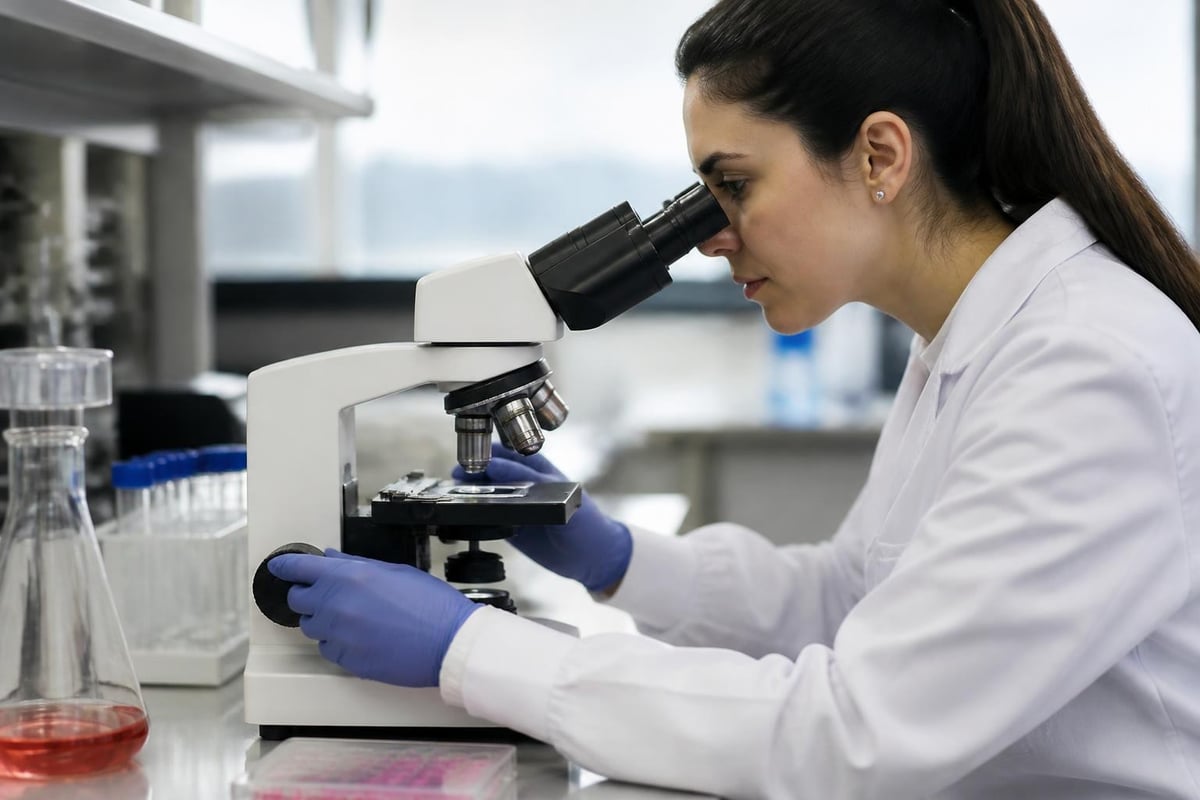
The next generation of ipsc stem cell manufacturing will increasingly leverage automation and machine learning. Artificial intelligence algorithms can optimise culture conditions, predict differentiation outcomes, and identify quality issues before they compromise product batches.
Emerging applications include:
- Image analysis for automated colony selection and quality assessment
- Predictive modelling of optimal differentiation protocols
- Process optimisation through machine learning algorithms
- Quality prediction based on early culture parameters
- Personalised protocol adjustment for individual cell lines
These technologies promise to reduce costs, improve consistency, and accelerate the path from ipsc stem cell generation to clinical application.
Universal Donor Cell Lines
Whilst patient-specific ipsc stem cells eliminate immune rejection, their production for each individual patient creates logistical and economic challenges. An alternative approach involves creating universal donor iPSC lines through HLA editing or selection of rare HLA-homozygous donors.
Such "off-the-shelf" cell products would enable:
- Immediate availability for acute conditions
- Standardised manufacturing reducing costs
- Extensive preclinical characterisation
- Economies of scale in production
- Broader patient access
Several companies and research consortia are developing hypoimmunogenic iPSC lines engineered to evade immune recognition, potentially revolutionising cell therapy accessibility.
Combination Therapies and Tissue Engineering
The future of ipsc stem cell applications likely involves integration with complementary technologies. Combining iPSC-derived cells with biomaterials, gene therapy, and pharmacological interventions may achieve superior therapeutic outcomes.
Promising combination approaches include:
- iPSC-derived cells seeded onto bioengineered scaffolds for tissue replacement
- Gene-edited iPSCs combined with immunomodulatory drugs
- iPSC-derived organoids for drug testing personalised to patient genetics
- Mini-organ transplants derived from patient iPSCs
- iPSC-based cell therapies with targeted biologics
These strategies address the complexity of degenerative diseases and injuries, recognising that single-modality treatments often prove insufficient for optimal outcomes.
Practical Considerations for Patients and Clinicians
Current Clinical Access
As of 2026, ipsc stem cell therapies remain primarily investigational, with most applications available only through clinical trials. Patients interested in these experimental treatments should carefully evaluate:
- Trial phase and preliminary safety/efficacy data
- Institutional reputation and regulatory compliance
- Manufacturing quality standards employed
- Informed consent processes and patient protections
- Realistic outcome expectations
Reputable treatment centres maintain transparency about which therapies are established versus experimental. Patients should be cautious of unproven claims regarding ipsc stem cell treatments outside rigorous clinical trial contexts.
Choosing Established Alternatives
For many conditions where ipsc stem cells show promise but lack regulatory approval, established stem cell therapies using adult mesenchymal stem cells provide evidence-based options. These treatments have demonstrated safety across thousands of patients and show therapeutic benefits for various degenerative conditions.
When considering regenerative medicine approaches, patients benefit from consulting specialists who offer comprehensive assessments and personalised treatment plans based on current evidence rather than speculative future technologies.
Global Research Initiatives and Collaboration
International Consortia and Biobanks
The ipsc stem cell field has fostered unprecedented international collaboration through shared cell line repositories, standardised protocols, and coordinated research efforts. Major initiatives include:
- Human Induced Pluripotent Stem Cell Initiative (HipSci)
- iPSC Neurodegenerative Disease Initiative (iNDI)
- California Institute for Regenerative Medicine programmes
- European Bank for Induced Pluripotent Stem Cells (EBiSC)
- Japanese iPSC Stock Project
These consortia accelerate research by providing well-characterised ipsc stem cell lines to investigators worldwide, reducing duplication of effort and enabling larger-scale studies than individual laboratories could conduct independently.
Investment and Commercial Development
Commercial investment in ipsc stem technology has grown substantially, with both established pharmaceutical companies and specialised biotechnology firms developing therapeutic candidates. This financial commitment reflects confidence in the technology's long-term potential despite near-term challenges.
Current funding priorities include:
- Manufacturing process development and scale-up
- Clinical trial execution for lead indications
- Quality control and analytical method development
- Regulatory science and approval pathways
- Market access and reimbursement strategies
As manufacturing costs decrease and clinical evidence strengthens, ipsc stem cell therapies are expected to become increasingly commercially viable and accessible to patients.
The ipsc stem cell field represents the convergence of fundamental biology, advanced manufacturing, and personalised medicine, offering tremendous promise for treating previously intractable conditions. Whilst significant technical and regulatory challenges remain before these therapies achieve widespread clinical adoption, ongoing research continues advancing the technology toward practical application. For patients seeking regenerative medicine solutions today, established therapies using pharmaceutical-grade mesenchymal stem cells provide evidence-based alternatives whilst next-generation iPSC treatments mature. If you are interested in exploring current stem cell treatment options for degenerative conditions, age-related diseases, or injuries, StemCells21 offers comprehensive consultations and personalised therapy programmes using rigorously tested, pharmaceutical-grade stem cells at our advanced facility in Bangkok.