
The human immune system operates as a sophisticated defence network, deploying various cell types to protect against pathogens, infections, and malignancies. Among the most remarkable components of this system are killer cells, a category of immune cells specialised in identifying and eliminating threats to our health. These cellular assassins work tirelessly, patrolling the bloodstream and tissues to detect abnormal cells, infected cells, and cancerous growths. Understanding how killer cells function and their therapeutic potential represents one of the most exciting frontiers in regenerative medicine and immunotherapy today.
The Science Behind Killer Cells
Killer cells represent two primary categories of cytotoxic immune cells: natural killer (NK) cells and cytotoxic T lymphocytes (CTLs). Both cell types possess the remarkable ability to recognise and destroy compromised cells, yet they operate through distinct mechanisms that complement each other within the broader immune response.
Natural killer cells form part of the innate immune system, meaning they don't require prior exposure to a threat to mount an effective response. These cells continuously survey the body for cells displaying stress signals or abnormal protein patterns on their surface. When NK cells encounter a target, they release cytotoxic granules containing perforin and granzymes, proteins that perforate the target cell membrane and trigger programmed cell death. For a closer look at how these cells regulate their own activity, see our guide to natural killer cell mechanisms.
Key Characteristics of Killer Cells
- Rapid response capability without requiring antigen presentation
- Self-tolerance mechanisms that prevent attacking healthy cells
- Cytotoxic granule secretion for target elimination
- Cytokine production to orchestrate broader immune responses
- Memory formation in certain killer cell populations
Cytotoxic T cells, by contrast, belong to the adaptive immune system. These killer cells require activation through antigen presentation, where they recognise specific protein fragments displayed on infected or malignant cells. Once activated, CTLs proliferate and develop into effector cells capable of destroying any cell presenting their target antigen.

Natural Killer Cell Biology and Function
NK cells constitute approximately 5-15% of circulating lymphocytes and represent a critical first-line defence against viral infections and cancer. The Cancer Research Institute explains how these killer cells recognise targets through a complex balance of activating and inhibiting receptors on their surface.
The "missing self" hypothesis explains a fundamental aspect of NK cell function. Healthy cells express major histocompatibility complex (MHC) class I molecules that inhibit NK cell activity. When cells lose these protective molecules-often due to viral infection or malignant transformation-killer cells recognise this absence and initiate their cytotoxic programme.
| NK Cell Feature | Function | Clinical Significance |
|---|---|---|
| KIR receptors | Detect MHC-I presence | Enable self-tolerance |
| NKG2D | Recognise stress signals | Identify diseased cells |
| Granzyme B | Induce apoptosis | Primary killing mechanism |
| IFN-γ production | Activate other immune cells | Orchestrate responses |
Recent advances in single-cell sequencing have revealed remarkable heterogeneity within NK cell populations, with distinct subsets specialised for different tissues and functional roles. This diversity enables killer cells to adapt their responses to various pathological contexts, from acute infections to chronic diseases.
Mechanisms of Target Cell Elimination
When killer cells engage their targets, they employ several sophisticated mechanisms to ensure effective elimination whilst minimising collateral damage to surrounding healthy tissue.
The primary mechanism involves the directed release of cytotoxic granules towards the target cell. Perforin molecules insert into the target membrane, creating pores that allow granzymes to enter. These serine proteases then activate caspases within the target, triggering the apoptotic cascade that leads to controlled cell death.
Killer cells also express death receptor ligands such as FasL and TRAIL on their surface. When these ligands bind to corresponding receptors on target cells, they initiate extrinsic apoptotic pathways, providing a redundant killing mechanism that ensures thorough elimination of threats.
Killer Cells in Disease and Therapy
The therapeutic manipulation of killer cells has emerged as a transformative approach in treating various diseases, particularly haematological malignancies and solid tumours. Understanding how these cells function in different disease contexts enables researchers and clinicians to develop targeted interventions that enhance natural immune responses.
In autoimmune conditions, killer cells may exhibit dysregulated activity, either through excessive activation leading to tissue damage or through impaired function that fails to control inflammatory processes. Rheumatoid arthritis treatment approaches increasingly focus on restoring proper immune balance, where killer cell regulation plays an essential role in managing inflammation and supporting joint health.
CAR-NK Cell Therapy Advances
Chimeric antigen receptor (CAR) engineering has revolutionised cancer immunotherapy. Whilst CAR-T cell therapy has garnered significant attention, CAR-NK cell therapy offers several distinct advantages:
- Off-the-shelf availability from allogeneic donors without rejection risk
- Reduced cytokine release syndrome compared to CAR-T cells
- Multiple killing mechanisms beyond CAR recognition
- Shorter lifespan reducing long-term toxicity concerns
- Natural tumour surveillance maintained alongside CAR targeting
Clinical trials investigating CAR-NK cells have demonstrated promising safety profiles and therapeutic efficacy. A notable phase 1/2 trial reported in Nature Medicine showed that allogeneic CD19-targeted CAR-NK cells produced responses in patients with relapsed B-cell malignancies without causing severe toxicities commonly associated with T-cell therapies.
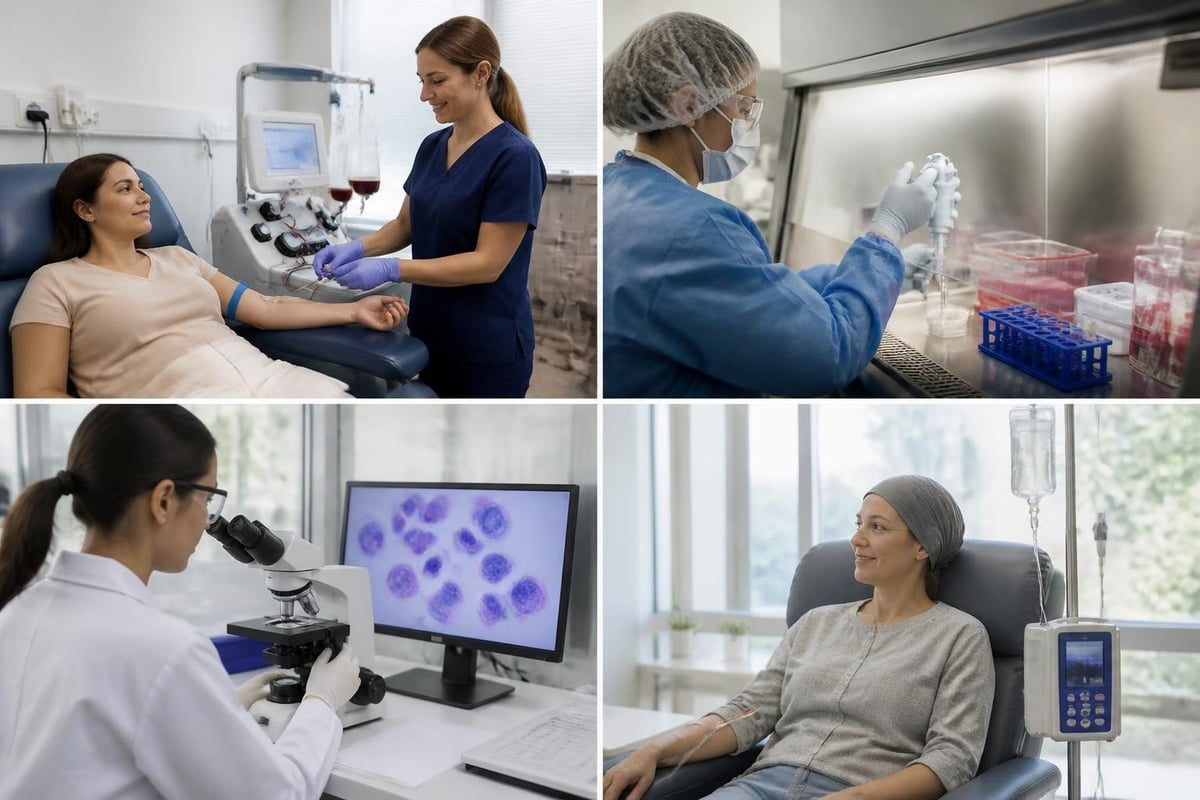
Enhancing Killer Cell Function Through Regenerative Medicine
Regenerative medicine approaches, particularly those involving mesenchymal stem cells (MSCs), can profoundly influence killer cell activity and immune system function. MSC therapy demonstrates immunomodulatory properties that help restore balanced immune responses in various conditions.
MSCs secrete numerous bioactive factors that regulate killer cell behaviour. These include:
- TGF-β that modulates NK cell proliferation and cytotoxicity
- PGE2 that influences killer cell maturation and function
- IDO that affects NK cell metabolism and activity
- HLA-G that provides inhibitory signals to prevent excessive responses
The interaction between MSCs and killer cells creates a dynamic regulatory network that supports tissue repair whilst maintaining immune surveillance. This balance proves particularly valuable in treating degenerative conditions where both regeneration and immune regulation are essential.
| Condition Type | Killer Cell Role | MSC Contribution |
|---|---|---|
| Autoimmune disease | Dysregulated activity | Restore immune balance |
| Cancer | Tumour surveillance | Enhance cytotoxicity |
| Chronic inflammation | Perpetuate tissue damage | Reduce inflammatory signals |
| Viral infection | Eliminate infected cells | Support NK cell maturation |
Understanding these interactions enables clinicians to design treatment protocols that optimise both regenerative and immunological outcomes. Stem cell medicine increasingly incorporates knowledge of killer cell biology to enhance therapeutic efficacy across diverse applications.
Clinical Applications in Immunotherapy
The therapeutic potential of killer cells extends across numerous medical specialties. In oncology, enhancing NK cell function represents a cornerstone of many immunotherapy strategies. Researchers have identified multiple approaches to boost killer cell anti-tumour activity, including checkpoint inhibition, cytokine activation, and adoptive cell transfer.
A comprehensive review in Experimental Hematology & Oncology details how targeting killer cells in haematologic malignancies offers promising clinical applications. The review highlights that combination strategies-pairing killer cell therapies with conventional treatments or other immunotherapies-often produce superior outcomes compared to single-modality approaches.
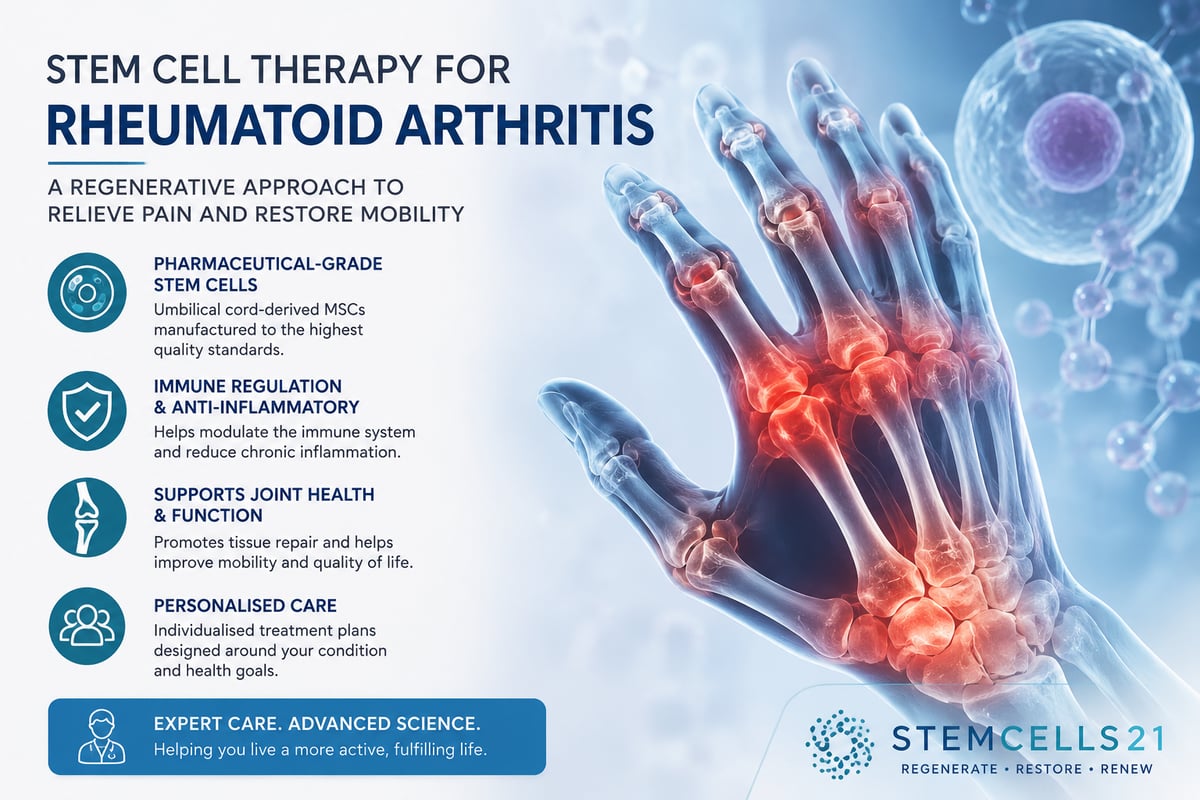
For patients with inflammatory and autoimmune conditions, modulating killer cell activity through regenerative approaches offers a pathway to sustained symptom relief and improved quality of life. Personalised treatment programmes that incorporate immune regulation alongside tissue repair address both the underlying pathology and its clinical manifestations.
Future Directions in Killer Cell Research
The field of killer cell biology continues to evolve rapidly, with several promising research directions poised to transform clinical practice. Advances in genomic technologies, protein engineering, and cellular manufacturing are expanding the therapeutic applications of these remarkable immune cells.
Emerging Technologies
Multi-antigen targeting represents one frontier where killer cells may overcome current limitations. Engineering NK cells to recognise multiple tumour antigens simultaneously could prevent cancer escape through antigen loss, a common mechanism of resistance to single-target immunotherapies.
Tissue-resident NK cell engineering aims to create killer cells specifically adapted to particular tissue environments. By mimicking the phenotypic characteristics of naturally occurring tissue-resident populations, these engineered cells may provide more effective local immune surveillance and tumour control.
Clinical development of CAR-NK cells continues to accelerate, with numerous trials evaluating various CAR constructs, cell sources, and manufacturing processes. The review highlights how preclinical research has successfully translated into early-phase clinical trials, with several products advancing towards late-stage development.
Personalising Killer Cell Therapies
Precision medicine approaches increasingly guide killer cell therapy selection and optimisation. Patient-specific factors including:
- KIR genotyping to predict NK cell alloreactivity
- Tumour antigen profiling for CAR design
- Immune checkpoint expression to guide combination strategies
- Metabolic assessment to support killer cell function
These personalised parameters enable clinicians to tailor interventions to individual patient characteristics, maximising therapeutic benefit whilst minimising adverse effects. Progenitor cells and their differentiation pathways also contribute to maintaining healthy killer cell populations throughout treatment.
The integration of killer cell biology with regenerative medicine creates synergistic opportunities for treating complex conditions. Combining cellular therapies that support tissue repair with interventions that enhance immune function addresses disease from multiple angles, potentially achieving outcomes unattainable through either approach alone.
Optimising Killer Cell Health
Supporting natural killer cell function through lifestyle, nutrition, and medical interventions represents an important aspect of maintaining robust immune surveillance. Several factors influence killer cell number, activity, and effectiveness.
Regular physical activity has been shown to enhance NK cell cytotoxicity and circulation. Moderate exercise appears optimal, as excessive training may temporarily suppress immune function. Adequate sleep also proves critical, with sleep deprivation significantly impairing killer cell activity and increasing infection susceptibility.
Nutritional factors that support killer cell function include:
- Vitamin D for NK cell maturation and activation
- Zinc for proper immune cell signalling
- Vitamin C as an antioxidant supporting cellular function
- Omega-3 fatty acids for membrane integrity
- Polyphenols that enhance NK cell cytotoxicity
Chronic stress negatively impacts killer cell function through sustained elevation of cortisol and other stress hormones. Stress management techniques, adequate recovery, and maintaining social connections all contribute to preserving healthy immune surveillance.
For patients with compromised killer cell function due to age, disease, or treatment, medical interventions may help restore immune competence. NK cell therapies and regenerative approaches that support immune system health offer valuable options for those seeking to optimise their body's natural defence mechanisms.
Age-Related Changes in Killer Cells
Immunosenescence, the age-related decline in immune function, significantly affects killer cell populations. Older adults typically exhibit reduced NK cell cytotoxicity despite maintained or even increased cell numbers. This phenomenon reflects qualitative changes in killer cell phenotype and function rather than quantitative deficiency.
The composition of NK cell subsets shifts with ageing, with an expansion of mature CD56dim cells that may exhibit exhausted phenotypes. Simultaneously, the CD56bright subset, important for cytokine production and immune regulation, often declines. These changes contribute to increased infection susceptibility and cancer risk in older populations.
Regenerative medicine approaches focused on longevity increasingly incorporate strategies to rejuvenate immune function, including killer cell compartments. By addressing age-related immune decline alongside other aspects of healthy ageing, comprehensive programmes may support sustained vitality and disease resistance.
Killer cells represent a cornerstone of human immune defence, combining sophisticated target recognition with powerful elimination mechanisms that protect against infection and malignancy. As research continues to unveil the complexity of these remarkable cells and their therapeutic potential expands through technologies like CAR engineering and regenerative medicine approaches, patients have access to increasingly effective treatment options. Whether you're seeking to address an autoimmune condition, support healthy ageing, or explore cutting-edge immunotherapy, StemCells21 offers personalised programmes that harness the latest advances in regenerative medicine to optimise your immune function and overall health.