Medicinal therapy encompasses the use of pharmaceutical agents, biological products, and therapeutic interventions to prevent, treat, or manage disease. In 2026, the landscape of medicinal therapy has expanded far beyond traditional pharmacology to include regenerative approaches, targeted biological agents, and personalized treatment protocols. As healthcare systems worldwide embrace evidence-based medicine and innovative therapeutic modalities, understanding the breadth and evolution of medicinal therapy becomes essential for both patients and practitioners. This comprehensive examination explores current treatment paradigms, regulatory frameworks, and the integration of advanced regenerative medicine into mainstream therapeutic strategies.
Understanding Medicinal Therapy Frameworks
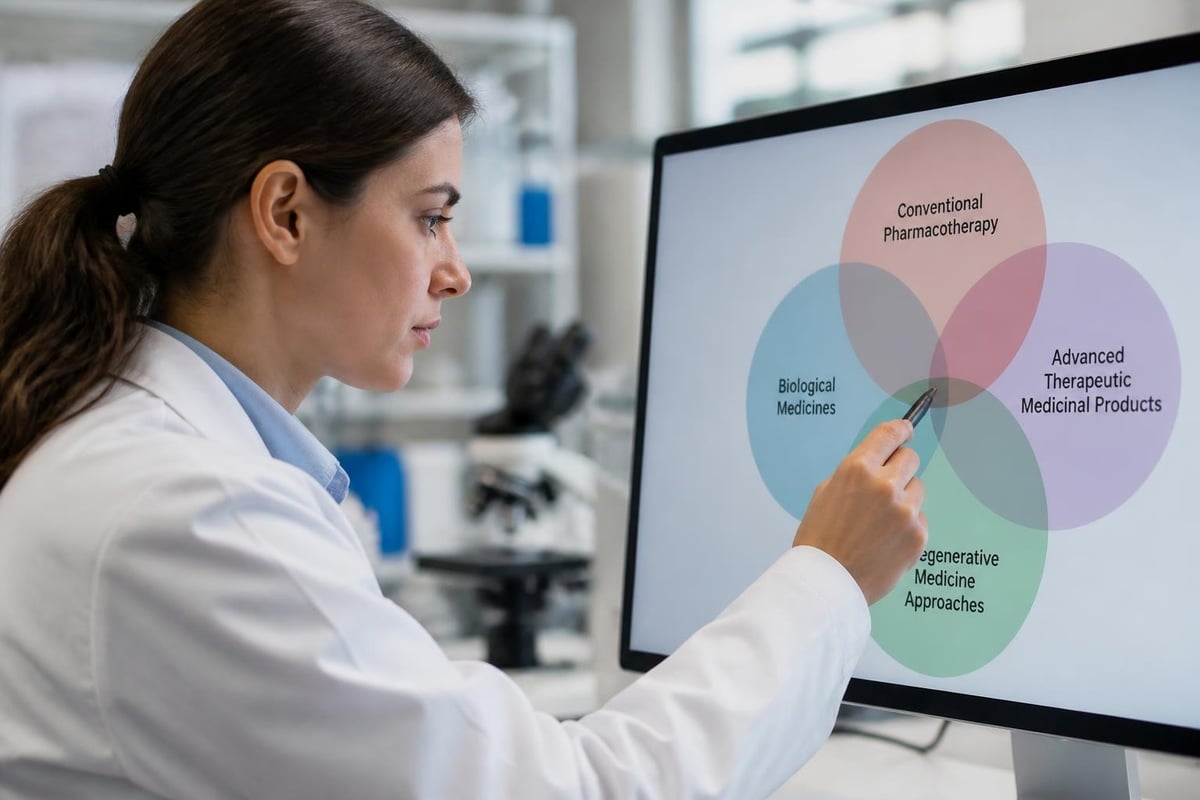
Medicinal therapy represents a systematic approach to disease management through the administration of therapeutic agents. The term broadly encompasses conventional pharmacotherapy, biological medicines, and increasingly, advanced therapeutic medicinal products (ATMPs) that include cell and gene therapies.
The World Health Organisation’s comprehensive approach to traditional and integrative medicine recognises the expanding definition of medicinal therapy beyond synthetic pharmaceuticals. Modern therapeutic frameworks integrate multiple modalities, from small-molecule drugs to complex biological agents, each requiring distinct manufacturing processes, quality standards, and regulatory oversight.
Regulatory Standards and Quality Assurance
The European Medicines Agency’s 2025 human medicines report highlights the rigorous authorisation processes that medicinal therapies must undergo. These regulatory frameworks ensure patient safety whilst enabling innovation in therapeutic development.
Key regulatory considerations include:
- Manufacturing standards and good manufacturing practice (GMP) compliance
- Clinical trial evidence requirements and endpoint validation
- Post-market surveillance and pharmacovigilance systems
- Quality control testing for identity, purity, and potency
- Documentation of risk-benefit profiles across patient populations
Pharmaceutical-grade medicinal therapies undergo extensive testing before clinical application. This includes preclinical research, phased clinical trials, and comprehensive safety assessments that form the foundation of evidence-based treatment.
Conventional Pharmacological Approaches
Traditional medicinal therapy relies primarily on chemical compounds that interact with biological targets to produce therapeutic effects. These interventions range from acute symptom management to long-term disease modification.
Drug Classes and Therapeutic Mechanisms
Modern pharmacotherapy encompasses numerous drug classes, each with distinct mechanisms of action. Cardiovascular therapies, immunosuppressants, antimicrobials, and neurological agents represent just a fraction of available medicinal therapy options.
A recent systematic review of cardiovascular pharmacotherapy demonstrates how medicinal therapy continues to evolve with novel drug classes and combination strategies. These advances reflect deeper understanding of disease mechanisms and molecular targets.
| Therapeutic Area | Common Drug Classes | Primary Mechanisms |
|---|---|---|
| Cardiovascular | ACE inhibitors, Beta-blockers, Statins | Blood pressure reduction, cholesterol management |
| Autoimmune | Disease-modifying drugs, Biologics | Immune modulation, inflammation control |
| Neurological | Dopamine agonists, Anticonvulsants | Neurotransmitter balance, seizure prevention |
| Metabolic | Insulin, GLP-1 agonists | Glucose regulation, metabolic optimization |
The Cochrane evidence on pharmacotherapy for hypertension exemplifies how systematic reviews assess the efficacy and safety profile of medicinal therapy interventions. Such evidence synthesis guides clinical decision-making and treatment guidelines.
Limitations of Conventional Approaches
Despite significant therapeutic advances, traditional medicinal therapy faces inherent limitations. Many pharmacological agents address symptoms rather than underlying pathology. Chronic conditions often require lifelong medication with associated side effects, drug interactions, and diminishing efficacy over time.
Common challenges include:
- Disease progression despite treatment in degenerative conditions
- Adverse drug reactions requiring dose adjustment or discontinuation
- Patient compliance issues with complex medication regimens
- Drug resistance development in infectious and oncological diseases
- Limited regenerative capacity to repair damaged tissues
These limitations have driven research into alternative therapeutic approaches that complement or enhance conventional medicinal therapy.
Biological and Advanced Therapeutic Products
Biological medicinal therapies represent a paradigm shift from traditional small-molecule drugs. These complex therapeutic agents include monoclonal antibodies, recombinant proteins, vaccines, and advanced therapeutic medicinal products.

Monoclonal Antibodies and Targeted Therapies
Monoclonal antibodies have transformed medicinal therapy across oncology, autoimmune disorders, and inflammatory conditions. These precisely targeted agents bind specific molecular targets, offering greater specificity than traditional pharmacotherapy.
The therapeutic applications continue to expand. Autoimmune conditions such as rheumatoid arthritis and inflammatory bowel disease now benefit from biological agents that selectively modulate immune function whilst preserving overall immune competence.
Cell and Gene Therapies
Advanced therapeutic medicinal products represent the frontier of biological medicinal therapy. These interventions modify cellular function or genetic material to achieve therapeutic outcomes previously unattainable through conventional approaches.
Cell-based therapies utilize living cells as medicinal products. Research into stem cell applications demonstrates how these biological therapies can address conditions where traditional pharmacotherapy offers limited benefit.
Regenerative Medicine and Therapeutic Innovation
Regenerative medicine constitutes an emerging category within medicinal therapy that focuses on repairing, replacing, or regenerating damaged tissues and organs. This therapeutic approach contrasts with conventional symptom management by addressing underlying pathology.
Mesenchymal Stem Cell Therapy
Mesenchymal stem cells (MSCs) represent a sophisticated biological medicinal therapy with multiple mechanisms of action. These cells demonstrate immunomodulatory properties, anti-inflammatory effects, and the capacity to support tissue repair processes.
Understanding which diseases stem cells can treat requires appreciation of their multifaceted therapeutic mechanisms. MSC therapy operates through paracrine signalling, secretion of bioactive factors, and modulation of inflammatory environments rather than direct cell replacement.
Therapeutic mechanisms include:
- Secretion of anti-inflammatory cytokines and growth factors
- Modulation of immune cell function and inflammatory responses
- Support of endogenous repair mechanisms
- Promotion of angiogenesis and tissue vascularisation
- Neuroprotective effects in neurological conditions
For patients with degenerative spine conditions, regenerative approaches offer an alternative when conventional medicinal therapy provides inadequate symptom control. Spine stem cell treatment using pharmaceutical-grade umbilical cord-derived mesenchymal stem cells represents this evolution in therapeutic options, supporting the body's natural repair processes whilst reducing inflammation in affected spinal segments.

Quality Standards in Regenerative Medicinal Therapy
Manufacturing standards for cell-based medicinal therapies exceed those of conventional pharmaceuticals. Pharmaceutical-grade production requires controlled environments, extensive quality testing, and comprehensive documentation of cellular characteristics.
| Quality Parameter | Testing Requirements | Clinical Significance |
|---|---|---|
| Cell viability | Flow cytometry, live/dead assays | Ensures therapeutic potency |
| Identity markers | Surface marker expression profiling | Confirms correct cell type |
| Sterility | Bacterial, fungal, mycoplasma testing | Prevents infectious complications |
| Potency | Functional assays, secretome analysis | Validates therapeutic capability |
| Endotoxin levels | LAL testing | Ensures patient safety |
These rigorous standards ensure that regenerative medicinal therapy meets the same safety and efficacy requirements as established pharmaceutical products.
Personalized Medicine and Treatment Optimization
Modern medicinal therapy increasingly incorporates personalized approaches that tailor interventions to individual patient characteristics. Pharmacogenomics, biomarker-guided therapy, and comprehensive patient assessment enable more precise treatment selection.
Diagnostic Integration and Treatment Planning
Effective medicinal therapy requires thorough diagnostic evaluation to identify appropriate interventions. Advanced imaging, laboratory biomarkers, and functional assessments inform treatment decisions and enable monitoring of therapeutic responses.
Comprehensive treatment planning considers disease stage, patient comorbidities, previous treatment responses, and individual goals. This holistic approach optimizes therapeutic outcomes whilst minimizing adverse effects.
Assessment components include:
- Detailed medical history and symptom evaluation
- Diagnostic imaging and laboratory investigations
- Functional capacity and quality of life measures
- Risk stratification and prognostic indicators
- Patient preferences and treatment goals
Personalized therapy programmes exemplify how individualized medicinal therapy planning can address complex, multifactorial conditions where standardized protocols may prove insufficient.
Monitoring and Treatment Adjustment
Ongoing monitoring forms an essential component of effective medicinal therapy. Regular assessment enables timely intervention adjustments, identification of adverse effects, and optimization of therapeutic protocols.
Biomarker monitoring provides objective measures of treatment response. Inflammatory markers, disease-specific proteins, and functional assessments track therapeutic efficacy and guide protocol modifications.
Clinical Trial Evidence and Therapeutic Development
Evidence-based medicinal therapy relies on rigorous clinical research to establish safety and efficacy. The global clinical trials registry documents thousands of ongoing investigations into novel therapeutic approaches across all medical specialties.
Trial Design and Evidence Hierarchy
Clinical trials progress through defined phases, each addressing specific questions about medicinal therapy safety, dosing, and efficacy. Phase I studies establish safety profiles, Phase II trials assess therapeutic activity, and Phase III investigations provide definitive efficacy data.
Evidence quality considerations:
- Randomized controlled trials provide the highest-quality efficacy evidence
- Systematic reviews synthesize evidence across multiple studies
- Real-world evidence complements trial data with broader population outcomes
- Long-term follow-up studies assess durability of therapeutic responses
- Comparative effectiveness research evaluates treatment alternatives
The Nature Reviews Drug Discovery analysis provides context on emerging therapeutic modalities and the scientific rigour underlying medicinal therapy development.
Translating Research into Clinical Practice
Moving from research findings to clinical application requires careful consideration of trial populations, outcome measures, and real-world applicability. Medicinal therapy proven effective in controlled trials may perform differently in diverse patient populations with varying comorbidities.
Implementation science examines how evidence-based medicinal therapy can be effectively delivered in clinical settings. This field addresses barriers to adoption, training requirements, and systems-level factors that influence therapeutic outcomes.
Integration of Complementary Therapeutic Approaches
Modern medicinal therapy often combines multiple modalities to achieve optimal outcomes. Integration of pharmacological interventions with physical rehabilitation, nutritional optimization, and lifestyle modifications enhances therapeutic efficacy.
The WHO’s global harmonization efforts for herbal medicines reflect recognition that diverse therapeutic traditions contribute valuable approaches to patient care. Evidence-based integration ensures safety whilst expanding treatment options.
Combination Therapy Strategies
Combining medicinal therapies with distinct mechanisms can produce synergistic effects. Immunomodulatory agents paired with anti-inflammatory drugs, or biological therapies combined with conventional pharmacotherapy, may achieve superior outcomes compared to monotherapy.
Combination approaches offer:
- Enhanced efficacy through complementary mechanisms
- Reduced doses of individual agents, minimizing adverse effects
- Targeting multiple disease pathways simultaneously
- Potential to overcome therapeutic resistance
- Comprehensive symptom and disease management
Careful protocol design ensures that combined medicinal therapies do not produce antagonistic interactions or compound adverse effects. Comprehensive patient monitoring becomes even more critical when multiple therapeutic agents are employed.
Safety Monitoring and Pharmacovigilance
Post-market surveillance systems track medicinal therapy safety across large patient populations over extended periods. Pharmacovigilance identifies rare adverse events, unexpected drug interactions, and long-term safety concerns not apparent in clinical trials.
Adverse Event Reporting and Risk Management
Healthcare providers and patients contribute to safety monitoring through adverse event reporting systems. These mechanisms enable rapid identification of safety signals and implementation of risk mitigation strategies.
Risk management plans for medicinal therapies specify monitoring requirements, contraindications, and prescribing restrictions. These frameworks balance therapeutic access with patient safety, particularly for treatments with known serious risks.
| Safety Consideration | Monitoring Approach | Clinical Action |
|---|---|---|
| Hepatotoxicity | Liver function tests | Dose adjustment or discontinuation |
| Immunosuppression | Complete blood counts, infection screening | Prophylactic measures, dose modification |
| Cardiovascular effects | Blood pressure, ECG monitoring | Risk factor management, alternative therapy |
| Allergic reactions | Patient history, observation periods | Premedication, emergency protocols |
Comprehensive safety monitoring ensures that medicinal therapy benefits consistently outweigh risks across diverse patient populations.
Future Directions in Medicinal Therapy
The therapeutic landscape continues to evolve with advances in molecular biology, biotechnology, and understanding of disease mechanisms. Emerging areas include precision medicine platforms, artificial intelligence-guided treatment selection, and next-generation biological therapies.
Emerging Therapeutic Modalities
Novel medicinal therapy approaches currently in development include gene editing technologies, extracellular vesicle therapies, and biomaterial-based delivery systems. These innovations promise enhanced therapeutic precision and improved patient outcomes.
Developmental areas include:
- CRISPR-based gene therapies for genetic disorders
- Exosome therapies leveraging cell-derived vesicles
- Tissue-engineered constructs for regenerative applications
- Nanotechnology-enabled targeted drug delivery
- Artificial intelligence-optimized treatment protocols
The integration of advanced stem cell research with emerging technologies creates synergistic opportunities for therapeutic innovation. These developments expand medicinal therapy options for conditions currently lacking effective treatments.
Accessibility and Global Health Equity
Ensuring broad access to effective medicinal therapy represents a critical challenge. Cost considerations, healthcare infrastructure requirements, and geographic disparities affect treatment availability, particularly for advanced biological therapies.
Global health initiatives work to expand access to essential medicines whilst supporting development of locally appropriate therapeutic solutions. Balancing innovation with affordability ensures that advances in medicinal therapy benefit diverse populations worldwide.
Medicinal therapy in 2026 encompasses a sophisticated array of interventions, from established pharmacological agents to cutting-edge regenerative approaches that address underlying disease mechanisms. As therapeutic options expand and evidence bases strengthen, personalized treatment strategies optimize outcomes whilst managing risks. StemCells21 integrates these advances through comprehensive regenerative medicine programmes, utilizing pharmaceutical-grade mesenchymal stem cells within personalized treatment protocols designed to support your body's natural healing processes. Discover how our state-of-the-art facility in Bangkok can develop a tailored therapeutic approach to address your specific health objectives.