
The pursuit of healthy longevity has driven researchers to explore cellular therapies that address the fundamental mechanisms of ageing. Mesenchymal stem cells (MSCs) have emerged as a promising tool in this quest, offering unique regenerative and immunomodulatory properties that may influence healthspan and lifespan. Recent advances in understanding mesenchymal stem cells longevity mechanisms have opened new possibilities for therapeutic interventions targeting age-related decline, chronic inflammation, and tissue degeneration. This scientific exploration bridges laboratory research with clinical applications, revealing how these multipotent stromal cells might reshape our approach to ageing and wellness.
Understanding Mesenchymal Stem Cells and Their Role in Ageing
Mesenchymal stem cells represent a distinct population of multipotent stromal cells capable of differentiating into various cell types including bone, cartilage, and fat cells. Beyond their differentiation potential, MSCs exert powerful paracrine effects through the secretion of bioactive molecules that modulate inflammation, support tissue repair, and regulate immune responses.
The International Society for Cell & Gene Therapy has established minimal criteria for defining MSCs, ensuring consistency across research and clinical applications. These cells must adhere to plastic in culture, express specific surface markers (CD73, CD90, CD105), and demonstrate tri-lineage differentiation capacity.
Cellular Mechanisms Linking MSCs to Longevity
Research into mesenchymal stem cells longevity has revealed several key mechanisms through which these cells may influence ageing processes:
- Immunomodulation: MSCs regulate both innate and adaptive immunity, dampening chronic inflammation (inflammaging) that drives age-related pathologies
- Paracrine signalling: Secreted factors promote angiogenesis, reduce oxidative stress, and support endogenous repair mechanisms
- Mitochondrial transfer: MSCs can donate healthy mitochondria to damaged cells, restoring cellular energy metabolism
- Epigenetic regulation: MSC-derived factors influence gene expression patterns associated with cellular senescence and longevity
A comprehensive 2025 review examining MSC and MSC-derived exosome therapies highlights how these mechanisms converge to address aging and age-related diseases. The evidence suggests that MSC interventions target multiple hallmarks of ageing simultaneously, offering a systems-level approach to longevity enhancement.

The Science of MSC Senescence and Rejuvenation
Paradoxically, whilst MSCs may promote longevity in recipient tissues, the cells themselves undergo senescence with age. Understanding and reversing MSC senescence has become a critical research frontier in mesenchymal stem cells longevity science.
Molecular Drivers of MSC Aging
MSCs experience age-related functional decline through several interconnected pathways. DNA damage response (DDR) activation, accumulation of reactive oxygen species (ROS), telomere shortening, and epigenetic modifications all contribute to MSC senescence. Recent molecular pathway research details these mechanisms and potential interventions to restore MSC function.
| Senescence Factor | Effect on MSCs | Potential Intervention |
|---|---|---|
| Oxidative stress | Reduced proliferation, impaired differentiation | Antioxidant preconditioning |
| DNA damage | Cell cycle arrest, senescence-associated secretory phenotype | DDR pathway modulators |
| Epigenetic drift | Altered gene expression, loss of stemness | Epigenetic reprogramming |
| Telomere attrition | Replicative exhaustion | Telomerase activation strategies |
The phenomenon of MSC senescence has important implications for therapeutic applications. Cells from younger donors typically demonstrate superior proliferative capacity, differentiation potential, and secretory profiles compared to aged MSCs.
Strategies for MSC Rejuvenation
Scientists have developed multiple approaches to rejuvenate senescent MSCs or prevent age-related decline:
- Preconditioning protocols: Exposing MSCs to hypoxia, growth factors, or pharmacological agents before administration
- Genetic modification: Overexpressing longevity-associated genes or silencing senescence pathways
- Culture condition optimisation: Three-dimensional culture, bioreactor systems, and biomaterial scaffolds
- Source selection: Utilising cells from younger donors or neonatal tissues such as umbilical cord
Research on bone marrow MSC senescence demonstrates how rejuvenation strategies can restore cellular function and therapeutic efficacy. These interventions address both intrinsic cellular ageing and the extrinsic influences of the aged microenvironment.
Tissue Sources and Their Impact on Longevity Applications
The tissue of origin significantly influences MSC characteristics, with important implications for mesenchymal stem cells longevity applications. MSCs can be isolated from bone marrow, adipose tissue, umbilical cord, placenta, and other sources, each offering distinct advantages.
Umbilical Cord-Derived MSCs: The Gold Standard for Longevity
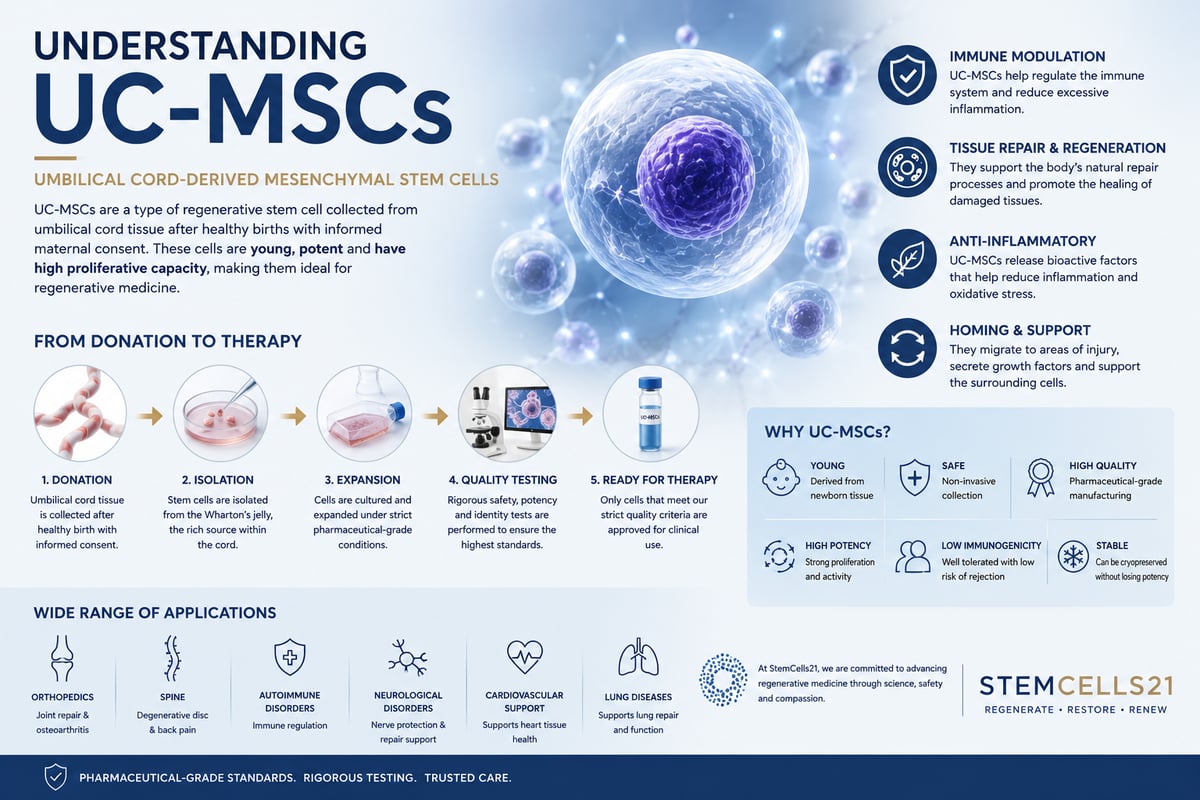
Umbilical cord-derived mesenchymal stem cells (UC-MSCs) have gained prominence in longevity-focused applications due to several key advantages. These cells are harvested from donated umbilical cord tissue following healthy births, representing the youngest, most primitive MSCs available for therapeutic use.
Benefits of UC-MSCs include:
- Higher proliferative capacity: Greater expansion potential compared to adult tissue sources
- Enhanced immunomodulatory function: More potent anti-inflammatory effects
- Lower immunogenicity: Reduced risk of immune rejection
- Consistent quality: Standardised manufacturing under pharmaceutical-grade conditions
Umbilical cord-derived cells offer particular promise for longevity applications because they represent a "cellular reset" – young, highly active cells that have not accumulated the senescence markers associated with adult tissues. Stem Cell Treatment utilising pharmaceutical-grade UC-MSCs undergoes rigorous safety and quality testing before clinical use, ensuring optimal therapeutic potential.
Comparative Analysis of MSC Sources
Different tissue sources present varying profiles for longevity-focused applications:
| Source | Collection Method | Proliferation Rate | Immunomodulation | Clinical Accessibility |
|---|---|---|---|---|
| Bone marrow | Invasive aspiration | Moderate | Strong | Autologous readily available |
| Adipose tissue | Liposuction | High | Moderate-Strong | Autologous readily available |
| Umbilical cord | Non-invasive donation | Very High | Very Strong | Allogeneic, requires banking |
| Placenta | Post-delivery collection | High | Strong | Allogeneic, requires banking |
The choice of cell source influences not only therapeutic efficacy but also practical considerations such as scalability, standardisation, and regulatory compliance. For longevity applications requiring repeated administrations over time, allogeneic sources like umbilical cord offer logistical advantages.
Extracellular Vesicles: The Acellular Future of MSC Longevity Therapy
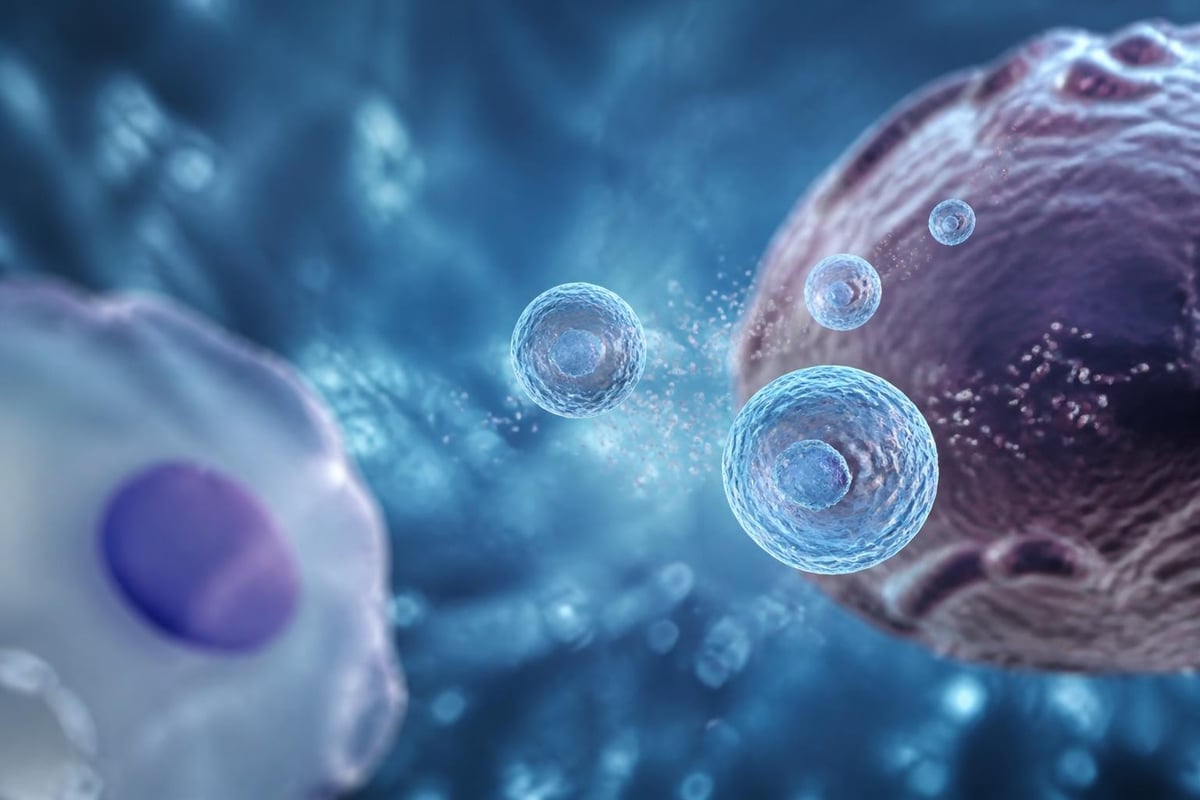
An exciting frontier in mesenchymal stem cells longevity research involves MSC-derived extracellular vesicles (EVs), including exosomes. These nanoscale membrane-bound particles carry bioactive cargo – proteins, lipids, RNA, and microRNA – that mediate many therapeutic effects previously attributed solely to viable cells.
MSC-EVs offer several advantages over cell-based therapies. They demonstrate greater stability, easier storage, lower immunogenicity, and reduced safety concerns regarding ectopic tissue formation. Research on MSC-derived extracellular vesicles shows promise in addressing bone health and age-related diseases through these acellular mechanisms.
Mechanisms of EV-Mediated Longevity Effects
Extracellular vesicles derived from MSCs influence longevity through multiple pathways:
- Transfer of anti-senescence microRNAs to recipient cells
- Delivery of antioxidant enzymes reducing oxidative stress
- Modulation of autophagy and cellular quality control
- Regulation of inflammatory signalling cascades
Studies examining MSC-derived EVs in neurodegeneration demonstrate functional improvements in age-related brain pathologies, suggesting broad applicability across organ systems. The secretome approach represents a potentially safer, more scalable alternative to whole-cell therapies whilst preserving regenerative capacity.
Clinical Evidence and Translational Research in Longevity
The translation of mesenchymal stem cells longevity research from bench to bedside involves rigorous clinical investigation. Whilst animal studies have demonstrated lifespan extension and healthspan improvements with MSC interventions, human applications require more nuanced evaluation.
Animal Model Evidence
Preclinical research summarising MSC effects in animal models reveals encouraging lifespan-extension and rejuvenation effects. Studies in mice have shown that MSC administration can extend median and maximum lifespan, improve physical performance, reduce frailty, and delay onset of age-related pathologies.
Key findings from animal longevity studies include:
- Systemic MSC infusion: Periodic intravenous administration extending lifespan by 15-30% in various mouse strains
- Hypothalamic MSC transplantation: Targeted delivery to specific brain regions influencing systemic ageing
- MSC-EV treatment: Exosome administration replicating many benefits of whole-cell therapy
- Combination approaches: MSC therapy enhancing effects of caloric restriction or pharmacological interventions
These models provide mechanistic insights whilst highlighting current gaps in understanding optimal dosing, timing, and patient selection for human applications.
Human Clinical Applications
In human medicine, mesenchymal stem cells longevity applications currently focus on healthspan rather than lifespan extension per se. Clinical programmes target age-related conditions, chronic inflammation, and functional decline rather than measuring years of life gained.
Therapeutic targets include:
- Osteoarthritis and joint degeneration
- Cardiovascular ageing and vascular dysfunction
- Neurodegenerative conditions
- Immune system dysregulation
- Metabolic syndrome and diabetes complications
Clinical outcomes measure quality-of-life improvements, functional capacity, biomarker changes, and disease progression rather than mortality endpoints. This pragmatic approach aligns with regulatory frameworks whilst addressing patient-centred goals of healthy ageing.
Manufacturing, Quality, and Standardisation Challenges
The clinical application of mesenchymal stem cells longevity therapies requires addressing significant manufacturing and quality control challenges. Variability in cell production, potency, and consistency can substantially impact therapeutic outcomes.
Pharmaceutical-Grade Manufacturing Standards
Advanced MSC manufacturing follows Good Manufacturing Practice (GMP) guidelines, ensuring reproducible, safe, and effective cellular products. Critical quality attributes include:
- Cell identity: Verification of MSC phenotype through surface marker expression
- Potency: Functional assays demonstrating immunomodulatory and regenerative capacity
- Purity: Absence of contaminating cell types, pathogens, and endotoxins
- Viability: Minimum percentage of living cells post-thaw or pre-administration
State-of-the-art facilities employ cleanroom environments, automated cell processing systems, and comprehensive release testing protocols. These measures ensure that cells meet strict specifications before clinical use.
Cryopreservation and Cell Banking
Long-term storage through cryopreservation enables scalability and accessibility for longevity applications. Research on cryopreservation effects examines how freezing and thawing impact MSC viability and function.
Optimal cryopreservation protocols must balance:
- Protection of cellular structures during freeze-thaw cycles
- Maintenance of differentiation and immunomodulatory capacities
- Minimisation of ice crystal formation and osmotic stress
- Use of clinically acceptable cryoprotectants (avoiding animal-derived components)
Cell banking strategies allow patients to access consistent, quality-controlled MSC products across multiple treatment sessions, essential for chronic longevity interventions requiring repeated administrations.
Personalised Longevity Programmes Incorporating MSC Therapy
Modern approaches to mesenchymal stem cells longevity applications emphasise personalisation, integrating cellular therapy within comprehensive wellness programmes. This holistic model addresses individual risk factors, biomarkers, and health goals.
Comprehensive Health Assessment
Effective longevity programmes begin with detailed evaluation:
- Advanced diagnostics: Genomic testing, inflammatory markers, metabolic panels, and functional assessments
- Lifestyle analysis: Nutrition, exercise, sleep quality, stress management, and environmental exposures
- Medical history: Existing conditions, medications, surgical history, and family predispositions
- Functional capacity: Physical performance, cognitive function, and quality-of-life measures
These assessments identify specific areas where MSC therapy may provide maximal benefit whilst revealing complementary interventions to optimise outcomes.
Integrated Treatment Protocols
Personalised longevity programmes combine MSC administration with evidence-based interventions:
- Nutritional optimisation: Anti-inflammatory diets, targeted supplementation, metabolic support
- Exercise prescription: Strength training, cardiovascular conditioning, flexibility work
- Pharmacological adjuncts: Senolytics, NAD+ precursors, metformin (where appropriate)
- Lifestyle modifications: Sleep hygiene, stress reduction, toxin avoidance
This multimodal approach recognises that cellular therapy works synergistically with healthy behaviours, creating an environment conducive to longevity enhancement. Monitoring and adjustment over time ensure sustained benefits and early detection of age-related changes.
Safety Considerations and Long-Term Monitoring
The application of mesenchymal stem cells longevity therapies demands rigorous attention to safety, particularly given the long-term nature of anti-ageing interventions. Whilst MSCs demonstrate excellent safety profiles in clinical trials, ongoing vigilance remains essential.
Short-Term Safety Profile
MSC therapy typically demonstrates minimal acute adverse effects. Common short-term considerations include:
- Mild infusion reactions (fever, fatigue) resolving within 24-48 hours
- Transient injection site reactions for local administration
- Rare allergic responses to culture components or cryopreservatives
- Theoretical risk of embolic events (minimised through proper administration techniques)
Decades of clinical experience across multiple indications support the general safety of MSC therapy when manufactured and administered according to established protocols.
Long-Term Safety Monitoring
For longevity applications involving repeated treatments over years or decades, long-term monitoring protocols are essential:
| Monitoring Parameter | Frequency | Purpose |
|---|---|---|
| Complete blood count | Quarterly | Detect haematological changes |
| Inflammatory markers (CRP, ESR) | Bi-annually | Assess systemic inflammation trends |
| Tumour markers | Annually | Screen for neoplastic changes |
| Imaging studies | As clinically indicated | Monitor tissue-specific effects |
| Functional assessments | Bi-annually | Track healthspan improvements |
Long-term registry studies continue to evaluate outcomes in patients receiving MSC therapy for various indications, providing reassurance regarding safety whilst identifying rare delayed effects.
Future Directions in MSC Longevity Research
The field of mesenchymal stem cells longevity research continues to evolve rapidly, with several promising directions emerging in 2026. These advances may significantly enhance therapeutic efficacy whilst addressing current limitations.
Next-Generation MSC Engineering
Genetic and epigenetic modification of MSCs offers potential to enhance longevity-promoting properties:
- Overexpression of longevity genes: SIRT1, FOXO3, Klotho, and telomerase reverse transcriptase
- Senolytic programming: Engineering MSCs to selectively eliminate senescent cells in recipient tissues
- Enhanced homing capabilities: Improving MSC trafficking to target tissues through chemokine receptor modification
- Sustained secretome production: Optimising paracrine factor release profiles
These approaches aim to create "super-MSCs" with amplified therapeutic potential whilst maintaining safety profiles.
Artificial Intelligence and Predictive Modelling
Machine learning algorithms increasingly assist in optimising MSC longevity protocols:
- Predicting patient responsiveness based on genomic and clinical data
- Identifying optimal cell doses and administration schedules
- Selecting ideal cell sources for individual patient profiles
- Monitoring treatment responses and adjusting protocols in real-time
AI-driven personalisation may unlock the full potential of mesenchymal stem cells longevity therapy by matching specific cellular products to individual patient needs.
Combination Therapies and Synergistic Approaches
Future longevity interventions will likely combine MSC therapy with complementary modalities:
- MSCs plus senolytics: Cellular therapy enhancing clearance of senescent cells
- MSCs plus NAD+ boosters: Metabolic support amplifying MSC regenerative effects
- MSCs plus targeted pharmaceuticals: Disease-specific medications working synergistically with regenerative mechanisms
- MSCs plus advanced biologics: Growth factors, exosomes, and other regenerative molecules
These combination approaches recognise that ageing involves multiple interconnected pathways, requiring multifaceted interventions for optimal results.
Mesenchymal stem cells longevity research represents a convergence of fundamental ageing science and practical regenerative medicine, offering evidence-based approaches to extending healthspan and addressing age-related decline. As our understanding of cellular mechanisms deepens and manufacturing capabilities advance, MSC-based interventions continue to evolve toward safer, more effective, and increasingly personalised therapies. Whether you're exploring regenerative options for age-related conditions or seeking comprehensive wellness optimisation, StemCells21 provides pharmaceutical-grade MSC treatments within personalised longevity programmes, combining cutting-edge cellular therapy with advanced health assessments at our state-of-the-art facility in Bangkok.