
Natural killer cells represent one of the immune system's most sophisticated defence mechanisms, operating as front-line sentinels against infection and malignancy. These lymphocytes possess an innate capacity to identify and eliminate compromised cells without prior sensitization, distinguishing them from adaptive immune cells that require specific antigenic exposure. Understanding natural killer cells nk cells offers crucial insights for regenerative medicine practitioners and patients exploring immunotherapy options for conditions ranging from cancer to autoimmune disorders. As research advances, the therapeutic potential of NK cells continues to expand, particularly within personalized treatment programmes that harness the body's natural immune capabilities.
The Biology and Function of Natural Killer Cells
Natural killer cells nk cells constitute approximately 5-15% of circulating lymphocytes, originating from common lymphoid progenitors in the bone marrow. Unlike T cells and B cells, NK cells do not require antigen presentation or major histocompatibility complex (MHC) recognition to execute their cytotoxic functions. This innate capability allows them to respond rapidly to cellular stress, transformation, or infection.
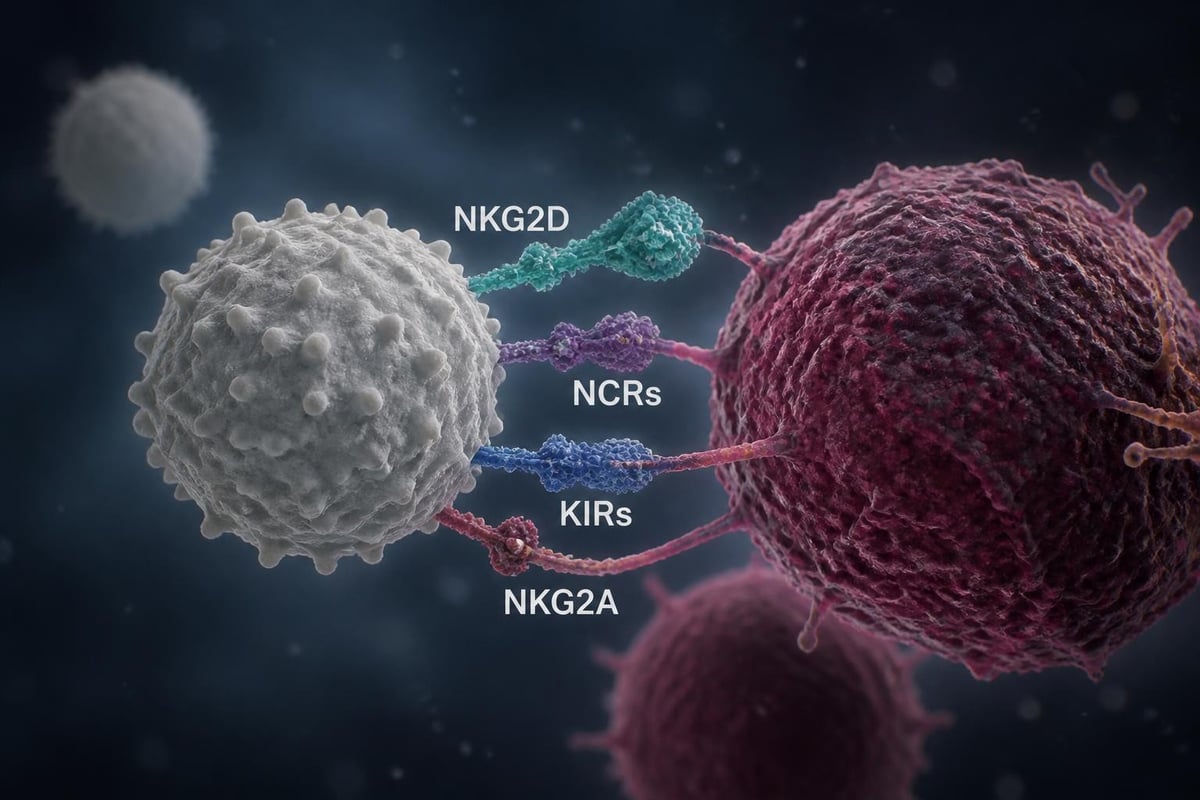
The functionality of natural killer cells depends on a delicate balance between activating and inhibitory receptors displayed on their surface. When a target cell downregulates MHC class I molecules-a common evasion strategy employed by virally infected or malignant cells-NK cells lose inhibitory signals and become activated. This "missing self" recognition mechanism enables NK cells to detect abnormal cells that might otherwise escape T-cell surveillance.
Cytotoxic Mechanisms and Immune Regulation
Natural killer cells employ multiple mechanisms to eliminate target cells:
- Perforin and granzyme release: NK cells secrete perforin proteins that form pores in target cell membranes, allowing granzymes to enter and trigger apoptosis
- Death receptor signalling: Expression of FasL and TRAIL activates death receptors on target cells, initiating programmed cell death
- Antibody-dependent cellular cytotoxicity (ADCC): NK cells recognize antibody-coated cells via CD16 (FcγRIII) receptors and destroy them
- Cytokine production: Secretion of interferon-gamma (IFN-γ) and tumor necrosis factor-alpha (TNF-α) orchestrates broader immune responses
Beyond direct cytotoxicity, natural killer cells nk cells function as critical regulators of adaptive immunity. Their rapid cytokine production shapes the differentiation and activation of dendritic cells, macrophages, and T cells, bridging innate and adaptive immune responses.
NK Cell Heterogeneity and Tissue Distribution
Recent single-cell analyses have revealed remarkable heterogeneity within the NK cell compartment, challenging the traditional view of these cells as a uniform population. Researchers now recognize distinct NK cell subsets defined by surface marker expression, functional capabilities, and tissue localization.
The two major circulating subsets include CD56dim and CD56bright NK cells. CD56dim cells, comprising roughly 90% of blood NK cells, exhibit high cytotoxic potential and express CD16, making them particularly effective at ADCC. Conversely, CD56bright NK cells demonstrate superior cytokine production and play crucial immunoregulatory roles, particularly in lymph nodes and inflamed tissues.
| NK Cell Subset | Percentage in Blood | Primary Function | Key Markers |
|---|---|---|---|
| CD56dim | ~90% | Cytotoxicity, ADCC | CD16+, KIR+, perforin high |
| CD56bright | ~10% | Cytokine production, regulation | CD16-, CD62L+, CCR7+ |
| Tissue-resident | Variable | Local surveillance, homeostasis | CD69+, CD103+, CXCR6+ |
Tissue-resident NK cells occupy specialized niches in organs including liver, uterus, and skin. These populations exhibit distinct phenotypes adapted to their microenvironments, with liver-resident NK cells expressing unique markers and demonstrating enhanced responses to local inflammatory signals.
Developmental Pathways and Maturation
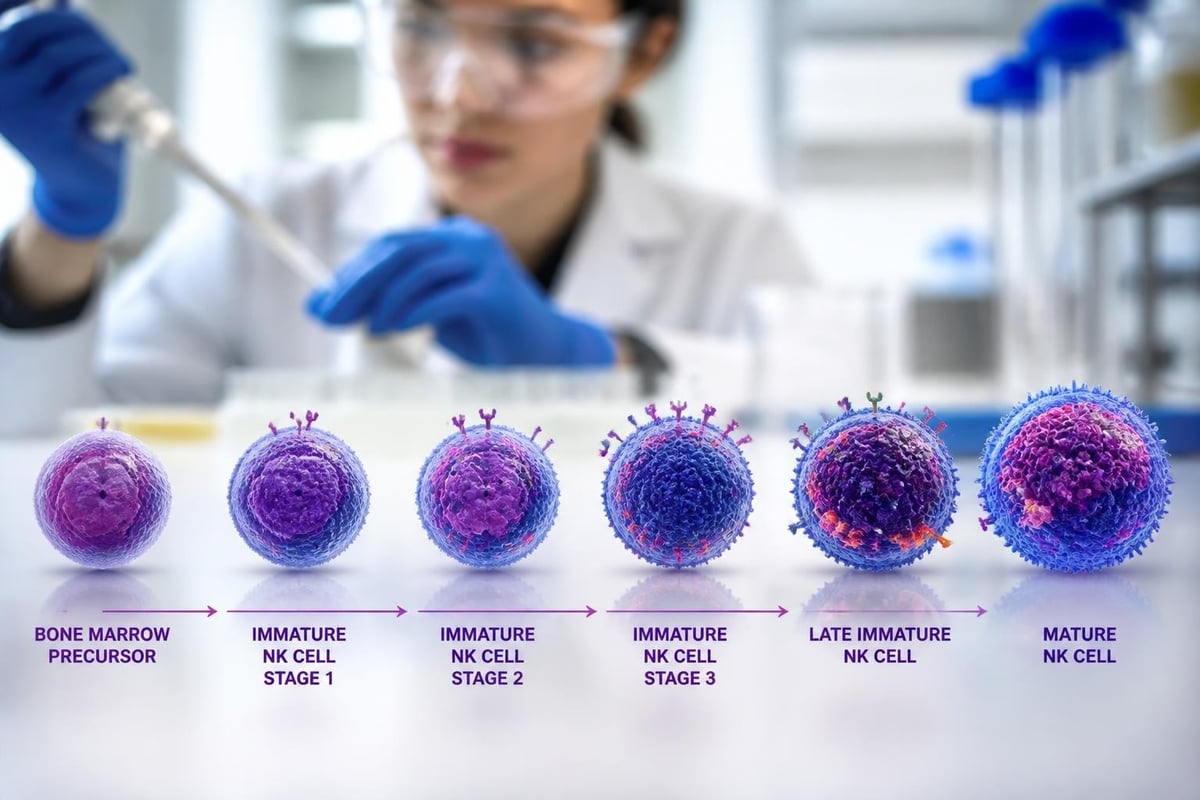
Natural killer cells nk cells undergo a stepwise maturation process characterized by sequential acquisition of surface receptors and functional competence. Immature NK cells progress through stages defined by CD27 and CD11b expression, with the most mature cells (CD27-CD11b+) displaying maximal cytotoxic capacity but reduced proliferative potential.
Education, or licensing, represents another critical aspect of NK cell development. Through interactions with self-MHC molecules during maturation, NK cells calibrate their inhibitory receptor repertoire, ensuring functional competence whilst maintaining self-tolerance. This process explains why NK cells from different individuals exhibit variable responsiveness to identical target cells.
NK Cells in Cancer Immunosurveillance
Tumor immunosurveillance by natural killer cells represents a fundamental mechanism preventing malignant transformation and controlling established cancers. NK cells patrol tissues continuously, detecting stress-induced ligands upregulated on transformed cells. When cancer cells emerge, they often express NKG2D ligands (MICA, MICB, ULBP proteins) and downregulate MHC class I, creating a perfect target for NK cell-mediated destruction.
However, tumors evolve sophisticated immune evasion strategies that impair NK cell function. The tumor microenvironment (TME) presents multiple challenges:
- Immunosuppressive cytokines (TGF-β, IL-10) inhibit NK cell activation
- Metabolic competition for glucose and amino acids limits NK cell energy production
- Hypoxia alters NK cell receptor expression and cytotoxic capacity
- Regulatory immune cells (Tregs, MDSCs) actively suppress NK cell responses
Metabolic dysfunction within the tumor microenvironment particularly compromises NK cell effectiveness. Tumors create nutrient-depleted, acidic conditions that impair NK cell metabolism, reducing their ability to produce cytokines and cytotoxic granules. Addressing these metabolic constraints represents a promising avenue for enhancing NK cell-based immunotherapy.
Clinical Applications in Cancer Treatment
Natural killer cells nk cells have emerged as attractive candidates for adoptive cellular immunotherapy. Several approaches harness NK cell biology for cancer treatment:
Allogeneic NK cell infusion leverages donor-derived NK cells that may exhibit enhanced anti-tumor activity due to KIR-ligand mismatching. Unlike T-cell therapies, allogeneic NK cells rarely cause graft-versus-host disease, offering a safer off-the-shelf cellular therapeutic option.
Chimeric antigen receptor (CAR)-NK cells represent an exciting frontier in cancer immunotherapy. Recent advances in CAR-NK cell therapy have demonstrated promising results in hematologic malignancies, with ongoing refinements addressing challenges such as NK cell expansion, persistence, and solid tumor penetration. CAR-NK constructs redirect NK cell specificity toward tumor-associated antigens whilst retaining natural cytotoxicity against stressed or transformed cells.
Checkpoint blockade targeting inhibitory NK receptors enhances anti-tumor responses. Monoclonal antibodies blocking NKG2A or KIR receptors prevent inhibitory signalling, unleashing NK cell activity against tumors that retain MHC class I expression. These agents show particular promise in combination with other immunotherapies or conventional treatments.
NK Cells in Viral Infection and Immune Defence
Beyond cancer surveillance, natural killer cells play vital roles in antiviral immunity, providing rapid responses before adaptive immunity develops. During viral infection, NK cells recognize infected cells through multiple mechanisms, including detection of viral proteins that trigger activating receptors and recognition of altered self-molecules induced by viral replication.
NK cell responses to viral infection involve:
- Direct killing of infected cells through cytotoxic mechanisms
- Production of antiviral cytokines, particularly IFN-γ, that activate macrophages and inhibit viral replication
- Shaping adaptive immune responses through interactions with dendritic cells
- Memory-like responses to certain viral pathogens, challenging the traditional innate/adaptive dichotomy
Viruses have evolved counter-strategies to evade NK cell recognition, including viral proteins that mimic MHC molecules or interfere with stress ligand expression. The ongoing evolutionary arms race between viruses and NK cells has shaped both viral pathogenesis and NK cell receptor diversity across human populations.
Therapeutic Enhancement of NK Cell Function
Optimizing natural killer cells nk cells for therapeutic applications requires understanding the factors governing their activation, expansion, and persistence. For patients exploring regenerative medicine approaches, NK cell enhancement strategies offer promising avenues alongside other immunotherapies.
Cytokine stimulation represents the most established method for NK cell activation. Interleukin-15 (IL-15) serves as a critical survival and proliferation factor, whilst IL-2, IL-12, and IL-18 enhance cytotoxic function and IFN-γ production. Clinical protocols often employ cytokine preactivation to enhance adoptively transferred NK cells' anti-tumor efficacy.
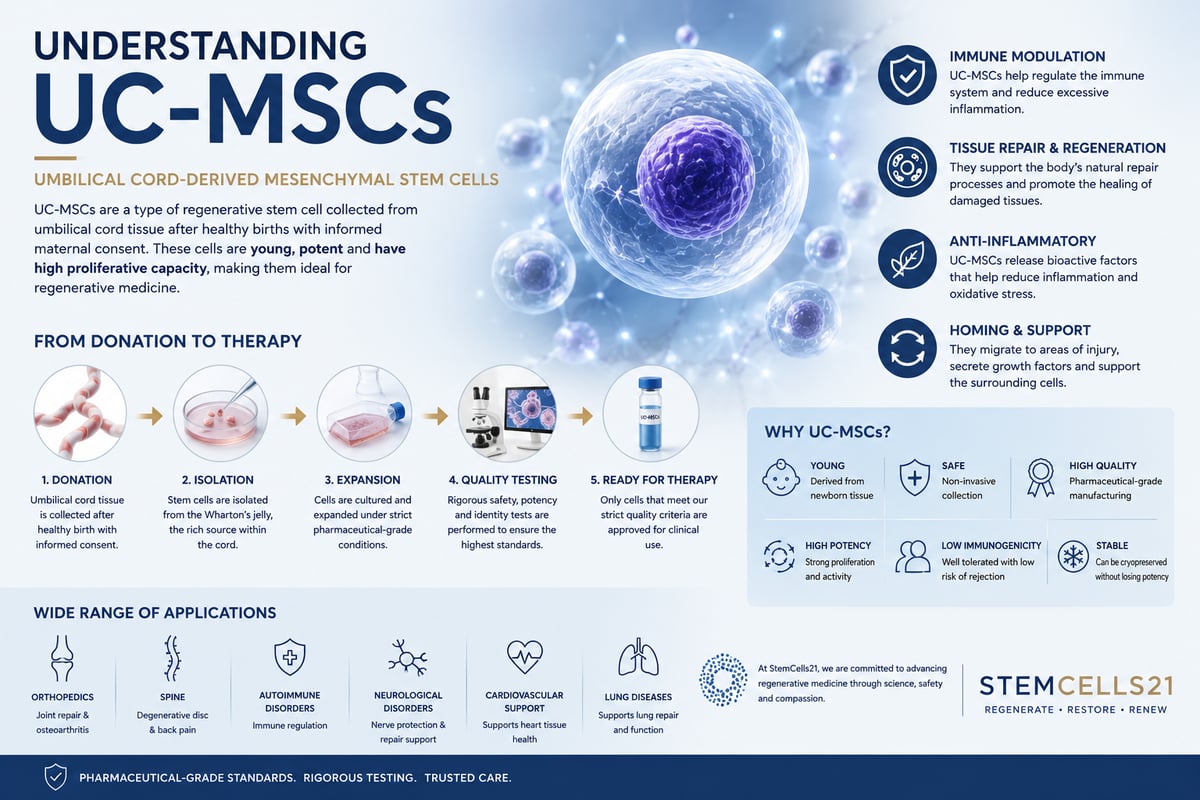
The mesenchymal stem cell therapy approach offered at advanced regenerative medicine facilities can complement NK cell function through immunomodulatory mechanisms. Mesenchymal stem cells secrete factors that can support immune cell viability and function whilst maintaining immune balance, particularly relevant in conditions where both tissue repair and immune regulation are therapeutic goals.
| Enhancement Strategy | Mechanism | Clinical Application |
|---|---|---|
| Cytokine priming | IL-2, IL-15, IL-21 stimulation | Ex vivo NK cell expansion |
| Checkpoint blockade | Anti-NKG2A, anti-KIR antibodies | Combination cancer therapy |
| Metabolic support | Nutrient supplementation, metabolic reprogramming | TME conditioning |
| Genetic modification | CAR expression, receptor engineering | Targeted cancer therapy |
Receptor Engineering and Next-Generation NK Therapeutics
Receptor-targeting strategies for natural killer cells nk cells represent cutting-edge approaches to enhance specificity and overcome immune evasion. Beyond CAR constructs, researchers are developing NK cells with optimized receptor repertoires, including:
- Knockout of inhibitory receptors to prevent tumor-mediated suppression
- Enhanced expression of activating receptors for improved target recognition
- Introduction of chemokine receptors to improve tumor trafficking
- Incorporation of cytokine circuits for sustained in vivo expansion
These modifications aim to create NK cell products with superior persistence, trafficking, and anti-tumor efficacy whilst maintaining safety profiles. The off-the-shelf potential of allogeneic NK cells makes them particularly attractive for scalable therapeutic manufacturing.
NK Cell Biology and Regenerative Medicine
The intersection of NK cell immunology and regenerative medicine opens novel therapeutic possibilities. Natural killer cells influence tissue repair and regeneration through their immunoregulatory functions, affecting inflammation resolution and creating permissive environments for healing. In conditions involving chronic inflammation or immune dysregulation, modulating NK cell activity may support regenerative processes.
Comprehensive reviews of NK cell signaling and clinical applications highlight their relevance beyond oncology, including roles in autoimmune conditions, transplantation, and age-related immune dysfunction. For patients with degenerative diseases, understanding how NK cells contribute to disease pathology and therapeutic responses informs personalized treatment strategies.
At facilities such as StemCells21, the integration of NK cell biology into regenerative medicine protocols reflects a comprehensive approach to immune health. Combining immunotherapy principles with regenerative cellular therapies addresses both immune dysfunction and tissue repair, particularly relevant for complex conditions involving inflammation, degeneration, and impaired healing.
Ageing and NK Cell Dysfunction
Immunosenescence affects natural killer cells nk cells significantly, with age-related changes including:
- Altered receptor expression patterns favoring inhibitory signals
- Reduced proliferative capacity and cytokine production
- Impaired cytotoxicity against infected or malignant cells
- Accumulation of dysfunctional NK cell subsets
These changes contribute to increased cancer susceptibility and reduced vaccine responses in older adults. Strategies to rejuvenate NK cell function, including cytokine therapy, metabolic interventions, and cellular replacement approaches, represent promising avenues for healthy longevity programmes that address immune ageing alongside other regenerative interventions.
Future Directions and Clinical Translation
The rapidly evolving field of NK cell biology continues to reveal new therapeutic opportunities. Emerging research priorities include:
Precision medicine approaches that match NK cell products to individual patient immunology, considering KIR genotypes, disease characteristics, and prior treatment history. Personalized NK cell therapies may optimize clinical responses whilst minimizing adverse effects.
Combination strategies integrating NK cell therapies with conventional treatments, targeted therapies, or other immunotherapies to achieve synergistic anti-cancer effects. Rational combinations address multiple resistance mechanisms simultaneously.
Manufacturing optimization to produce pharmaceutical-grade NK cell products at scale, ensuring consistency, potency, and safety. Advanced cell culture systems, genetic modification platforms, and quality control measures enable reproducible therapeutic manufacturing.
Biomarker development to predict NK cell therapy responses and monitor treatment efficacy. Identifying patients most likely to benefit from NK cell-based approaches will improve clinical trial design and treatment allocation.
The translation of NK cell research into clinical practice requires continued collaboration between basic scientists, clinicians, and regulatory agencies. As understanding of natural killer cells nk cells deepens, their therapeutic applications will expand beyond oncology into regenerative medicine, infectious disease, and immune modulation for complex chronic conditions.
Natural killer cells stand at the forefront of immunotherapy innovation, offering powerful capabilities for immune surveillance, pathogen defence, and therapeutic intervention across diverse medical conditions. Their unique biology-combining rapid innate responses with sophisticated regulatory functions-positions them as valuable tools in modern regenerative medicine. For patients exploring advanced treatment options for degenerative diseases, immune dysfunction, or age-related conditions, understanding NK cell biology provides context for comprehensive therapeutic approaches. StemCells21 integrates cutting-edge immunotherapy principles with personalized regenerative medicine protocols, delivering advanced treatment options tailored to individual patient needs at our state-of-the-art Bangkok facility.