
The natural killer complex, commonly referred to as the nkc cell system, represents one of the most sophisticated genetic regions controlling innate immunity. Located on chromosome 12 in humans, this genomic region encodes an array of lectin-like receptors that govern how natural killer cells recognise and respond to abnormal cells. Understanding the nkc cell framework has become increasingly relevant as researchers develop novel immunotherapies targeting cancer, infectious disease, and age-related conditions. As regenerative medicine advances in 2026, the interplay between nkc cell biology and therapeutic interventions continues to reveal promising applications for patients seeking alternatives to conventional treatments.
The Natural Killer Complex: Genetic Foundation of Innate Immunity
The nkc cell region contains multiple gene families encoding C-type lectin-like receptors that regulate natural killer cell activity. Unlike adaptive immune receptors that require prior antigen exposure, these nkc cell-encoded proteins provide immediate surveillance capabilities. The complex includes the NKG2 family, Ly49 family (in mice), and related activating and inhibitory receptors that work in concert to determine NK cell responses.
Structural Organization and Receptor Families
Within the nkc cell locus, genes are clustered into functional groups that balance activation and inhibition signals. C-type lectin-like receptors encoded in the NK complex share structural motifs despite functional diversity. These receptors typically form heterodimers with CD94 or homodimers, creating recognition units that scan cell surfaces for stress markers.
- NKG2A/CD94: Inhibitory receptor recognising HLA-E
- NKG2C/CD94: Activating counterpart involved in viral immunity
- NKG2D: Standalone activating receptor for stress ligands
- Ly49 family: Mouse-specific receptors with MHC class I specificity
The genomic architecture facilitates rapid evolutionary adaptation, allowing nkc cell receptor repertoires to co-evolve with pathogens and malignancies.

NKC Cell Receptors in Immune Surveillance Mechanisms
Natural killer cells equipped with nkc cell-encoded receptors patrol tissues continuously, integrating signals from multiple receptor-ligand interactions. This multi-receptor system enables nuanced decision-making about target cell fate. When inhibitory receptors encounter normal MHC class I molecules, NK cells remain quiescent. Conversely, downregulation of MHC class I-common in viral infection and malignant transformation-removes inhibition whilst stress ligands engage activating receptors.
Signal Integration and Activation Thresholds
The nkc cell receptor system operates on a balance-of-signals model rather than binary recognition. Each NK cell expresses a unique combination of receptors, creating functional diversity within the NK cell population.
| Receptor Type | Primary Ligand | Function | Clinical Relevance |
|---|---|---|---|
| NKG2A/CD94 | HLA-E | Inhibitory | Checkpoint target |
| NKG2D | MICA/MICB, ULBPs | Activating | Tumour surveillance |
| NKG2C/CD94 | HLA-E | Activating | CMV immunity |
| CD16 (FcγRIII) | IgG Fc | Activating | ADCC mediator |
The threshold for activation depends on cumulative signal strength from all engaged receptors. This computational approach allows nkc cell receptors to discriminate subtle changes in cellular health status that might escape T cell recognition.
Post-translational modifications further fine-tune receptor function, adding another regulatory layer that modulates NK cell responsiveness to environmental cues.
Therapeutic Exploitation of NKC Cell Biology in Cancer
Understanding nkc cell receptor biology has catalyzed development of multiple immunotherapy strategies. Monoclonal antibodies, checkpoint inhibitors, and engineered NK cells all leverage natural killer complex-encoded pathways to enhance anti-tumour immunity.
Antibody-Dependent Cellular Cytotoxicity
Therapeutic antibodies such as rituximab and trastuzumab engage CD16 on NK cells, triggering antibody-dependent cellular cytotoxicity (ADCC). This mechanism bypasses MHC restriction, allowing nkc cell-mediated destruction of antibody-coated tumour cells. Antibody cancer therapies exploit this innate capability, with NK cells serving as primary effector cells in many clinical responses.
Optimising antibody Fc regions to enhance CD16 binding has become a drug development priority. Glycoengineered antibodies with enhanced ADCC activity demonstrate superior clinical efficacy, highlighting the therapeutic importance of nkc cell engagement pathways.
Checkpoint Blockade Targeting NKC Receptors
NKG2A represents an inhibitory checkpoint analogous to PD-1 in T cells. Monoclonal antibodies blocking NKG2A/HLA-E interactions restore nkc cell activity against tumours employing this evasion mechanism. Clinical trials combining NKG2A blockade with PD-1 inhibitors or chemotherapy show promising response rates in head and neck cancers and haematological malignancies.
- Enhanced NK cell degranulation and cytotoxicity
- Restoration of immune surveillance in checkpoint-exploiting tumours
- Synergistic effects when combined with adaptive immunity activation
- Potential applications across solid and haematological cancers
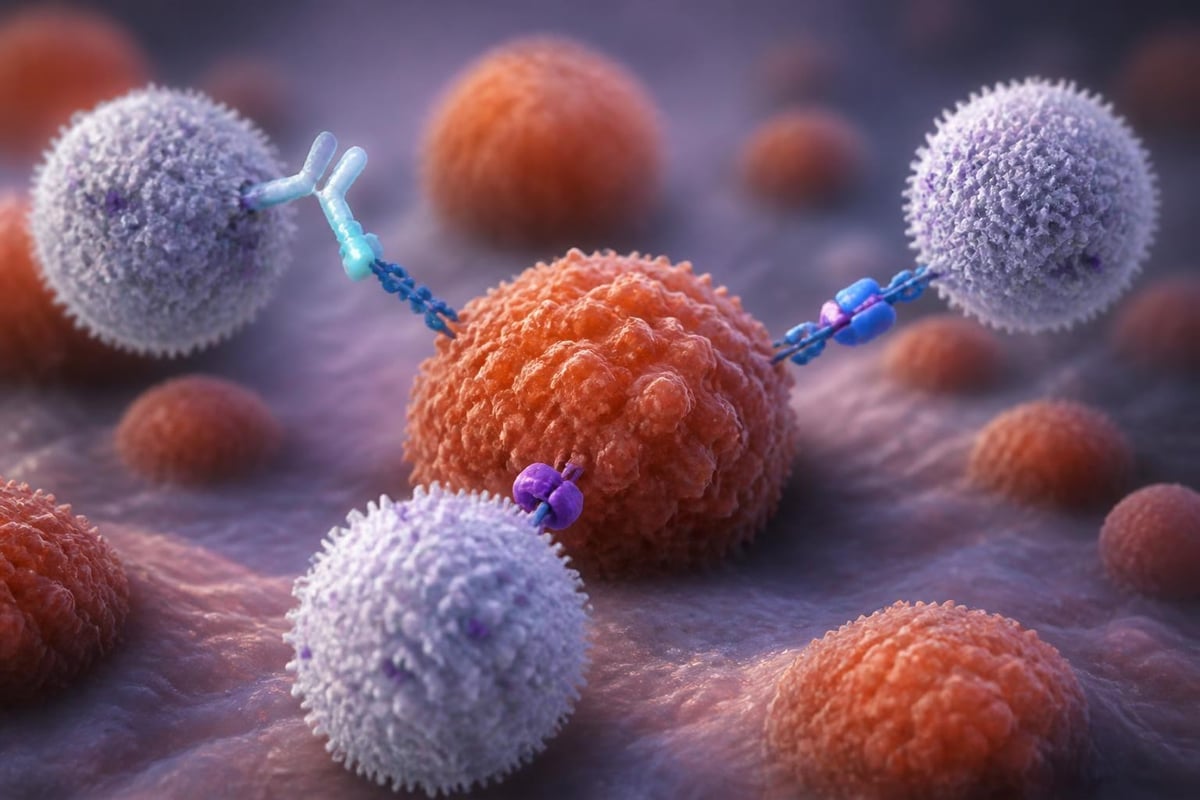
CAR-NK Cell Engineering and NKC Complex Considerations
Chimeric antigen receptor (CAR) technology adapted for NK cells creates off-the-shelf cellular therapeutics with distinct advantages over CAR-T cells. Engineering CAR-NK cells requires careful consideration of nkc cell receptor biology to preserve intrinsic anti-tumour capabilities whilst adding antigen-specific targeting.
Design Principles for CAR-NK Platforms
Effective CAR-NK products maintain endogenous nkc cell receptor expression alongside engineered CAR constructs. This dual-recognition system provides redundancy: if tumours lose CAR target antigen, native NK receptors continue surveillance for other abnormalities. The synergy between CAR signaling and nkc cell-mediated activation enhances overall cytotoxic potential.
Manufacturing processes must preserve NK cell phenotype and receptor expression patterns. Expansion protocols using feeder cells or cytokine cocktails influence nkc cell receptor profiles, potentially affecting clinical efficacy.
Clinical Applications and Trial Landscape
CAR-NK therapies targeting CD19, CD33, and solid tumour antigens have entered clinical testing. NK cell-based immunotherapies for relapsed/refractory lymphomas demonstrate safety advantages over CAR-T products, with reduced cytokine release syndrome and neurotoxicity. These favorable safety profiles stem partly from nkc cell biology differences compared to T cells.
Umbilical cord blood-derived NK cells provide scalable manufacturing sources whilst maintaining robust nkc cell receptor expression. Banking expanded NK cell products enables immediate treatment availability, contrasting with patient-specific CAR-T manufacturing timelines.
NKC Cell Function Beyond Oncology
Natural killer cells governed by nkc cell-encoded receptors contribute to tissue homeostasis, inflammation resolution, and regenerative processes beyond cancer immunosurveillance. Recognition of these broader functions opens therapeutic avenues in degenerative diseases and aging.
Senescent Cell Clearance and Longevity
NK cell-based senotherapy exploits nkc cell receptors' ability to recognize senescent cells accumulating with age. These dysfunctional cells express stress ligands engaging NKG2D whilst downregulating MHC class I molecules, creating an activation signature detectable by nkc cell surveillance mechanisms.
Enhancing NK cell function through cytokine support, checkpoint blockade, or adoptive transfer may accelerate senescent cell elimination, potentially mitigating age-related pathology. This concept bridges immunology and regenerative treatment approaches focused on tissue rejuvenation.
Applications in Autoimmune and Inflammatory Conditions
Paradoxically, NK cells also regulate excessive immune responses. Certain nkc cell receptor interactions promote regulatory functions, dampening inflammation through cytokine production or direct interaction with activated T cells. This regulatory capacity holds potential for autoimmune disease management.
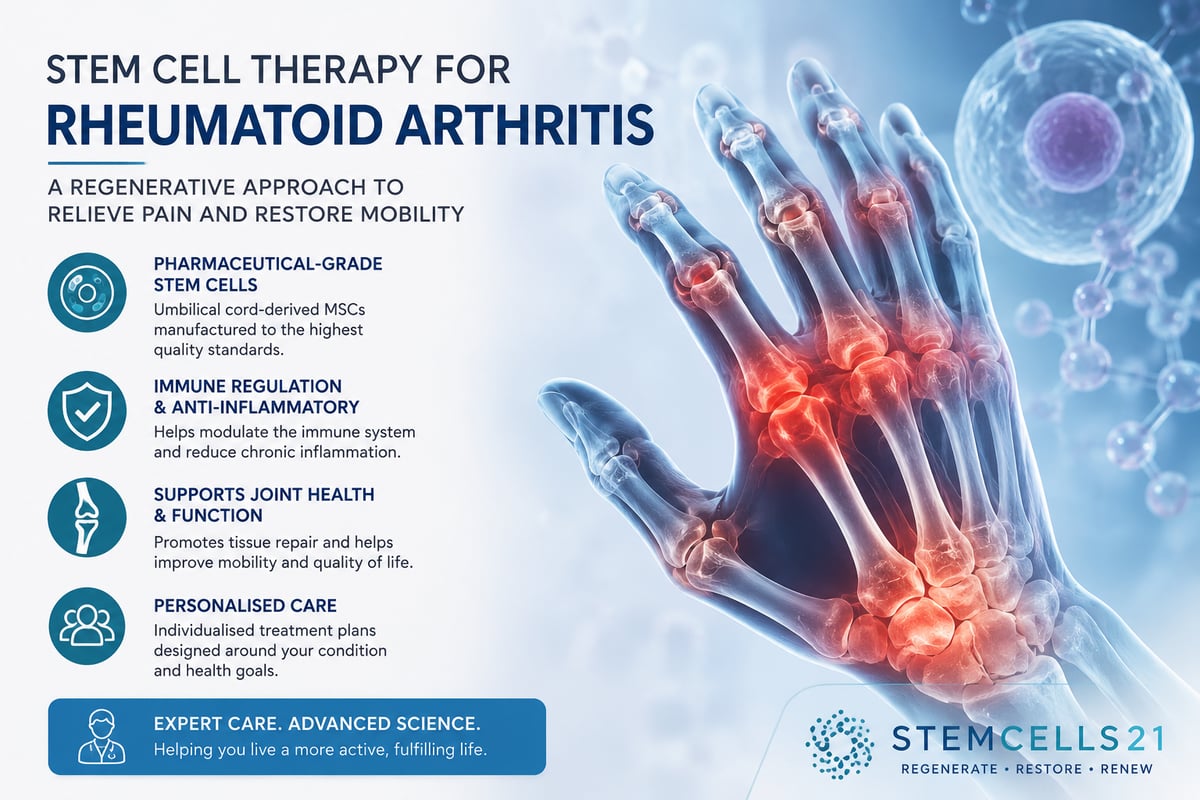
NK cells participate in tissue remodeling following injury, secreting growth factors that support repair whilst eliminating debris. For conditions such as rheumatoid arthritis, where immune dysregulation drives joint destruction, modulating nkc cell activity could offer dual benefits: reducing pathologic inflammation whilst promoting tissue restoration. Rheumatoid Arthritis Treatment approaches incorporating immune regulation alongside regenerative strategies may optimize patient outcomes.
Translational Models and Drug Development Tools
Advancing nkc cell-targeted therapies requires sophisticated preclinical models that recapitulate human NK biology. Significant species differences between mouse and human NK complexes complicate translational research. The mouse NKC contains Ly49 genes absent in humans, whilst humans possess KIR genes located on a different chromosome.
Humanized Mouse Models for NKC Research
Humanized mice carrying human NKC and KIR genetic regions provide platforms for testing nkc cell-targeted drugs in physiologically relevant contexts. These models enable evaluation of antibody therapeutics, checkpoint inhibitors, and cellular products under conditions reflecting human receptor-ligand interactions.
Such tools accelerate identification of lead candidates whilst reducing late-stage development failures attributable to species-specific biology. As strategies to engage innate immunity become mainstream in drug discovery, robust translational models become increasingly critical.
Integration with Regenerative Medicine Approaches
The intersection of nkc cell biology and regenerative medicine creates opportunities for combination therapies addressing both immune dysregulation and tissue damage. Mesenchymal stem cells (MSCs) interact with NK cells through multiple pathways, with outcomes depending on activation state and local microenvironment.
MSC-NK Cell Interactions
MSCs modulate nkc cell receptor expression and function through soluble factors and direct contact. In inflammatory environments, MSCs can suppress excessive NK activation, potentially beneficial in autoimmune contexts. Conversely, MSCs may enhance NK cell cytotoxicity against tumours under certain conditions.
Pharmaceutical-grade umbilical cord-derived mesenchymal stem cells offer standardized cellular products for combination approaches. Their immunomodulatory properties complement nkc cell-targeted interventions, potentially optimizing therapeutic outcomes across diverse conditions.
Personalized Treatment Algorithms
Patient-specific nkc cell receptor profiles influence response to immunotherapies. Genotyping NKG2A, KIR, and related polymorphisms may guide treatment selection, identifying individuals likely to benefit from specific checkpoint inhibitors or adoptive cell therapies.
| Patient Profile | NKC Characteristics | Recommended Approach | Expected Outcome |
|---|---|---|---|
| High NKG2A expression | Strong HLA-E inhibition | NKG2A blockade | Enhanced activation |
| Activating KIR genotype | Robust licensing | Standard immunotherapy | Good responder |
| NKG2C expansion | CMV-induced adaptation | Consider memory NK cells | Durable response |
| Low NK cell count | Functional deficiency | Adoptive NK transfer | Restored surveillance |
Integrating nkc cell receptor profiling with broader immunophenotyping and clinical parameters enables precision medicine approaches. Advanced stem cell research facilities combine diagnostic capabilities with therapeutic delivery, optimizing individualized treatment plans.
Future Directions in NKC Cell Therapeutics
The nkc cell field continues evolving rapidly, with emerging technologies poised to expand therapeutic applications. CRISPR-based editing of nkc cell receptors enables designer NK cells with enhanced specificity or resistance to immunosuppression. Synthetic biology approaches create novel receptor combinations not found in nature, potentially surpassing endogenous capabilities.
Next-Generation Engineering Strategies
Advanced CAR-NK designs incorporate multiple synthetic receptors targeting distinct tumour antigens, reducing escape through antigen loss. Inducible systems allow temporal control of nkc cell activity, enhancing safety whilst maintaining efficacy. Logic gates requiring simultaneous detection of multiple markers improve tumor specificity, sparing healthy tissues.
- Multi-specific CARs recognizing antigen combinations
- Switchable receptors controllable by small molecules
- Armored NK cells secreting therapeutic payloads
- Memory-like NK cells with enhanced persistence
These innovations build upon foundational nkc cell biology whilst transcending natural limitations.
Expanding Disease Indications
Beyond cancer, nkc cell-directed therapies show promise in viral infections, where NK cells provide crucial early defense. Enhancing nkc cell responses through vaccination strategies or adoptive transfer could improve outcomes in immunocompromised patients. Emerging evidence suggests roles in neurodegenerative disease, where NK cells patrol the central nervous system and may influence neuroinflammation.
For patients exploring longevity treatments, optimizing nkc cell function represents a component of comprehensive wellness strategies addressing immune aging alongside metabolic and regenerative interventions.
Clinical Implementation Considerations
Translating nkc cell research into clinical practice requires addressing manufacturing, regulatory, and logistical challenges. Producing pharmaceutical-grade NK cell products demands stringent quality control, ensuring consistent nkc cell receptor expression and functional capacity across batches.
Quality Metrics for NK Cell Products
Potency assays evaluating cytotoxicity against standard targets verify functional integrity. Phenotypic analysis confirms appropriate nkc cell receptor expression patterns. Viability, sterility, and absence of contaminants meet regulatory standards for cellular therapeutics.
Banking expanded NK cells or maintaining master cell lines enables scalability whilst preserving characterized nkc cell properties. This approach contrasts with autologous T cell therapies requiring patient-specific manufacturing, offering logistical advantages particularly in resource-limited settings.
Patient Selection and Monitoring
Identifying suitable candidates requires assessment of baseline NK function, nkc cell receptor profiles, and disease characteristics. Monitoring during treatment tracks NK cell persistence, receptor expression changes, and clinical responses. Biomarkers correlating with outcomes guide dose adjustments and combination therapy decisions.
Facilities offering advanced stem cell treatment integrate sophisticated diagnostics with therapeutic delivery, ensuring comprehensive patient evaluation and monitoring throughout treatment courses.
The natural killer complex represents a critical genetic foundation enabling innate immune surveillance through sophisticated receptor systems that distinguish healthy from diseased cells. As nkc cell biology research advances in 2026, therapeutic applications expand beyond oncology into regenerative medicine, senotherapy, and immune modulation for degenerative conditions. At StemCells21, we combine cutting-edge immunotherapy knowledge with pharmaceutical-grade regenerative treatments, creating personalized therapeutic strategies that harness both immune and tissue-repair mechanisms. Our Bangkok facility provides comprehensive evaluation and evidence-based interventions designed to optimize immune function alongside regenerative healing for patients seeking advanced treatment options.