
The term "pluri potent" refers to stem cells possessing the remarkable capacity to differentiate into multiple cell types derived from all three embryonic germ layers. This extraordinary developmental potential positions pluri potent cells at the forefront of regenerative medicine, offering researchers and clinicians unprecedented opportunities to understand disease mechanisms, test novel therapeutics, and develop cellular therapies for conditions that were previously untreatable. As our understanding of stem cell biology advances, the therapeutic applications of these powerful cells continue to expand, reshaping how we approach degenerative diseases, injury repair, and age-related decline.
Understanding Pluri Potent Stem Cells and Their Defining Characteristics
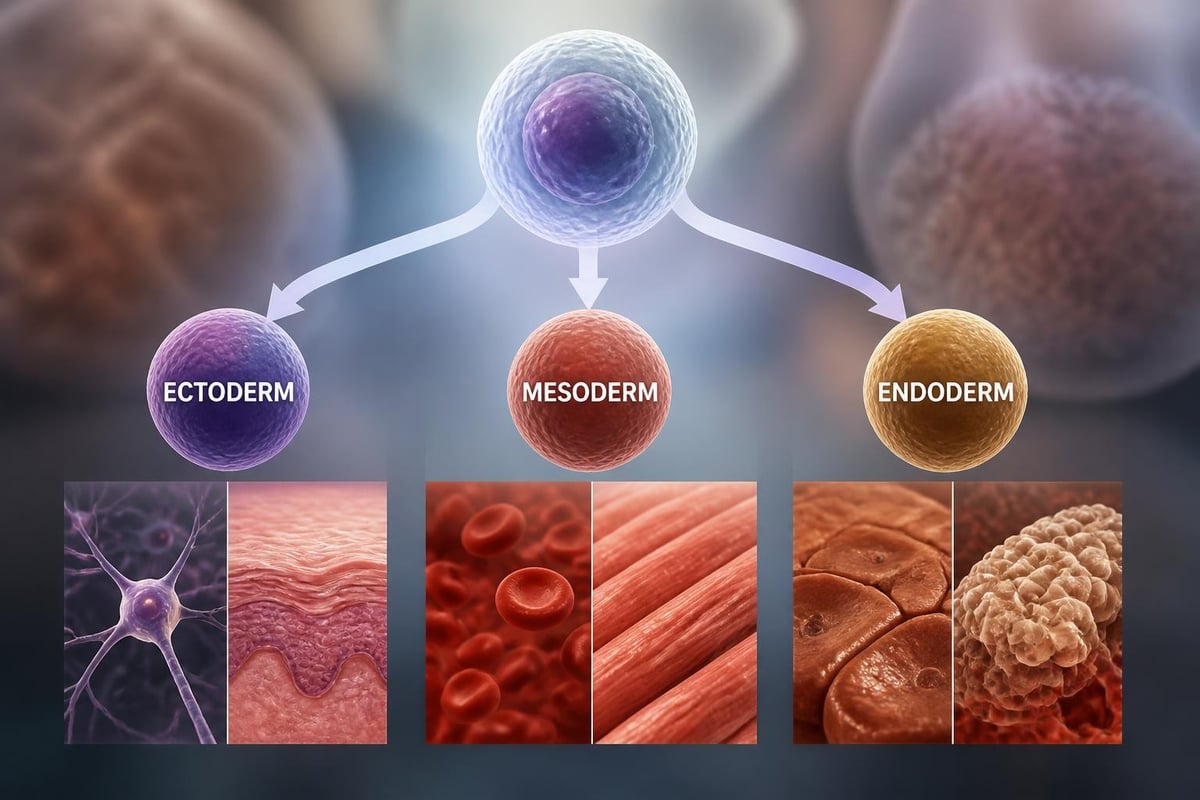
Pluri potent stem cells occupy a unique position within the stem cell hierarchy, distinguished by their ability to generate cells from the ectoderm, mesoderm, and endoderm-the three primary germ layers that form during embryonic development. This broad differentiation capacity separates them from multipotent stem cells, which can only produce cell types within a specific lineage or tissue system.
Key Properties That Define Pluripotency
The pluri potent state is characterized by several essential features that researchers use to identify and validate these cells:
- Self-renewal capacity: Ability to proliferate indefinitely whilst maintaining an undifferentiated state
- Multilineage differentiation: Potential to generate cell types from all three germ layers
- Molecular signatures: Expression of specific transcription factors including OCT4, SOX2, and NANOG
- Epigenetic characteristics: Unique chromatin structure and DNA methylation patterns
- Functional validation: Demonstrated ability to form teratomas or contribute to chimaeras
According to the International Society for Stem Cell Research, rigorous characterization of pluri potent cells requires comprehensive testing across molecular, cellular, and functional levels to ensure reproducibility and scientific rigor.
Types of Pluri Potent Stem Cells
| Cell Type | Source | Generation Method | Clinical Relevance |
|---|---|---|---|
| Embryonic stem cells (ESCs) | Blastocyst inner cell mass | Isolation from embryos | Disease modelling, drug screening |
| Induced pluripotent stem cells (iPSCs) | Adult somatic cells | Reprogramming via transcription factors | Patient-specific therapies, genetic studies |
| Epiblast stem cells | Post-implantation embryo | Derivation from epiblast tissue | Developmental research |
A comprehensive 2024 review chronicles the evolution of human pluri potent stem cell research, highlighting how these cells have transformed our understanding of development, disease, and therapeutic intervention.
Applications of Pluri Potent Cells in Disease Modelling and Drug Discovery
The unique properties of pluri potent stem cells have revolutionized how researchers study human disease and test potential treatments. By differentiating these cells into specific disease-relevant cell types, scientists can create human cellular models that accurately recapitulate pathological conditions.
Disease-Specific Applications
Pluri potent cells enable researchers to generate patient-specific disease models for conditions affecting virtually any organ system:
- Neurological disorders: Generation of neurons and glial cells for studying Parkinson's disease, Alzheimer's disease, and amyotrophic lateral sclerosis
- Cardiac conditions: Production of cardiomyocytes to model inherited arrhythmias and heart failure
- Metabolic diseases: Creation of hepatocytes and pancreatic beta cells for diabetes and liver disease research
- Blood disorders: Differentiation into haematopoietic lineages for studying leukaemia and anaemia
Recent methodological advances have enabled researchers to generate complex tissue structures called organoids from pluri potent cells, including bone marrow organoids that recapitulate the native microenvironment and cellular interactions found in human bone marrow.
Drug Screening and Safety Testing
Pharmaceutical companies increasingly rely on pluri potent cell-derived tissues for:
- High-throughput screening of compound libraries
- Toxicity assessment before clinical trials
- Identification of drug targets and mechanism of action studies
- Personalized medicine approaches based on patient genetic backgrounds
This application of pluri potent cells has accelerated drug development timelines whilst reducing reliance on animal models that may not accurately predict human responses.
Genetic Engineering and Pluri Potent Stem Cells
The accessibility of pluri potent cells to genetic modification has opened new frontiers in precision medicine and gene therapy development. These cells serve as ideal platforms for introducing, correcting, or deleting specific genetic sequences with unprecedented accuracy.
Innovative genome-editing techniques now enable scientists to make precise modifications in pluri potent cells with high efficiency and minimal off-target effects. Prime editing and other advanced methods allow researchers to model genetic diseases, correct pathogenic mutations, and generate reporter cell lines for functional studies.
Clinical Translation of Engineered Pluri Potent Cells
- Correction of disease-causing mutations before differentiation into therapeutic cell types
- Introduction of protective genetic variants to enhance cell survival or function
- Development of universal donor cells through immune evasion strategies
- Creation of traceable cell lineages for safety monitoring post-transplantation
The potential to combine pluri potent cell technology with genetic engineering represents a powerful strategy for developing next-generation cellular therapies tailored to individual patient needs.

Ethical Considerations and Regulatory Frameworks for Pluri Potent Cell Research
The derivation and use of pluri potent stem cells, particularly those of embryonic origin, raises important ethical questions that the scientific community, regulatory bodies, and society continue to address. Different countries have established varying regulatory frameworks governing pluri potent cell research, reflecting diverse cultural, religious, and ethical perspectives.
Induced Pluripotent Stem Cells and Ethical Advantages
The development of induced pluri potent stem cells has partially addressed ethical concerns by eliminating the need for embryo destruction. However, new ethical considerations have emerged, including:
- Informed consent requirements for tissue donation and subsequent cell line creation
- Privacy protection concerning genetic information contained in iPSC lines
- Data sharing policies that balance research advancement with donor confidentiality
- Governance of biorepositories maintaining pluri potent cell collections
A detailed NHGRI meeting report outlines best practices for addressing these ethical, legal, and social implications when creating and using iPSC lines.
Patient Education and Informed Decision-Making
The ISSCR Patient Handbook provides valuable guidance for individuals considering treatments involving pluri potent cells, emphasizing the importance of:
- Understanding the difference between experimental therapies and proven treatments
- Recognizing unsubstantiated claims and identifying legitimate clinical trials
- Evaluating the scientific evidence supporting proposed interventions
- Considering regulatory approval status and institutional oversight
Comparing Pluri Potent Cells with Other Stem Cell Types in Clinical Practice
Whilst pluri potent stem cells hold tremendous promise for research and future therapies, current clinical applications more commonly employ other stem cell types with proven safety profiles and established therapeutic efficacy. Understanding the distinctions between pluri potent cells and clinically utilized stem cells helps clarify the current state of regenerative medicine.
Mesenchymal Stem Cells in Current Clinical Use
Mesenchymal stem cells, particularly those derived from umbilical cord tissue, represent a different category of stem cells already in clinical use for various conditions. Unlike pluri potent cells, mesenchymal stem cells are multipotent, meaning they differentiate into a limited range of cell types primarily within connective tissue lineages.
Mesenchymal stem cell research has demonstrated their capacity to modulate inflammation, support immune regulation, and promote tissue repair processes. These cells offer practical advantages for current clinical applications, including established safety profiles, reduced risk of tumor formation, and well-characterized immunomodulatory properties.
At StemCells21, we utilize pharmaceutical-grade umbilical cord-derived mesenchymal stem cells that undergo rigorous quality testing before clinical use, providing patients with safe, effective treatment options for degenerative conditions, autoimmune disorders, and age-related decline.

| Feature | Pluri Potent Cells | Mesenchymal Stem Cells |
|---|---|---|
| Differentiation capacity | All three germ layers | Primarily mesoderm lineages |
| Clinical translation status | Predominantly research stage | Established clinical use |
| Tumor formation risk | Higher (teratoma potential) | Minimal |
| Immune compatibility | May require matching | Immune privileged properties |
| Manufacturing complexity | High | Moderate |
| Regulatory approval | Limited therapeutic approvals | Growing regulatory acceptance |
Future Directions in Pluri Potent Cell Research and Therapy Development
The field of pluri potent stem cell research continues to evolve rapidly, with emerging technologies and scientific insights expanding the boundaries of what these remarkable cells can achieve. Several promising research directions are likely to shape the next decade of regenerative medicine.
Advancing Differentiation Protocols
Researchers are developing increasingly sophisticated methods to direct pluri potent cells toward specific cell fates with greater efficiency and fidelity. These advances include:
- Three-dimensional culture systems that better mimic native tissue architecture
- Defined media formulations that eliminate animal-derived components
- Temporal control of signalling pathways to guide lineage commitment
- Single-cell analysis technologies to ensure population homogeneity
Synthetic Biology Approaches
Integration of synthetic biology principles with pluri potent cell technology enables researchers to:
- Engineer cells with novel functions not found in nature
- Create biological circuits that respond to specific disease signals
- Design fail-safe mechanisms to control cell behaviour post-transplantation
- Develop universal donor cells that evade immune recognition
Manufacturing and Scale-Up Challenges
Translating pluri potent cell therapies from laboratory to clinic requires addressing significant manufacturing challenges. Best-practice standards emphasize the importance of reproducibility, quality control, and thorough characterization throughout the production process.
Pluri Potent Cells in Regenerative Medicine Strategies
The broader context of stem cell medicine encompasses multiple therapeutic approaches, each with distinct mechanisms and applications. Pluri potent cells contribute to this landscape by enabling researchers to generate virtually any cell type needed for transplantation or tissue engineering applications.
Tissue Engineering Applications
Scientists are exploring how pluri potent cell derivatives can be combined with biomaterial scaffolds to create functional tissue constructs:
- Cardiac patches for heart repair following myocardial infarction
- Pancreatic islet organoids for diabetes treatment
- Retinal pigment epithelium for macular degeneration
- Neural tissue for spinal cord injury and stroke recovery
These approaches often integrate multiple cell types, growth factors, and structural support materials to recapitulate the complexity of native tissues.
Longevity and Age-Related Applications
Research into longevity treatments increasingly considers how cellular therapies might address fundamental ageing processes. Whilst pluri potent cells themselves are not typically used directly for anti-ageing interventions, the insights gained from studying their unique properties inform our understanding of cellular rejuvenation and tissue maintenance.
Quality Standards and Characterization of Pluri Potent Cells
Ensuring the quality and consistency of pluri potent cell cultures represents a critical requirement for both research and potential clinical applications. Comprehensive characterization protocols help verify that cells maintain their defining properties throughout expansion and manipulation.
Essential Quality Control Parameters
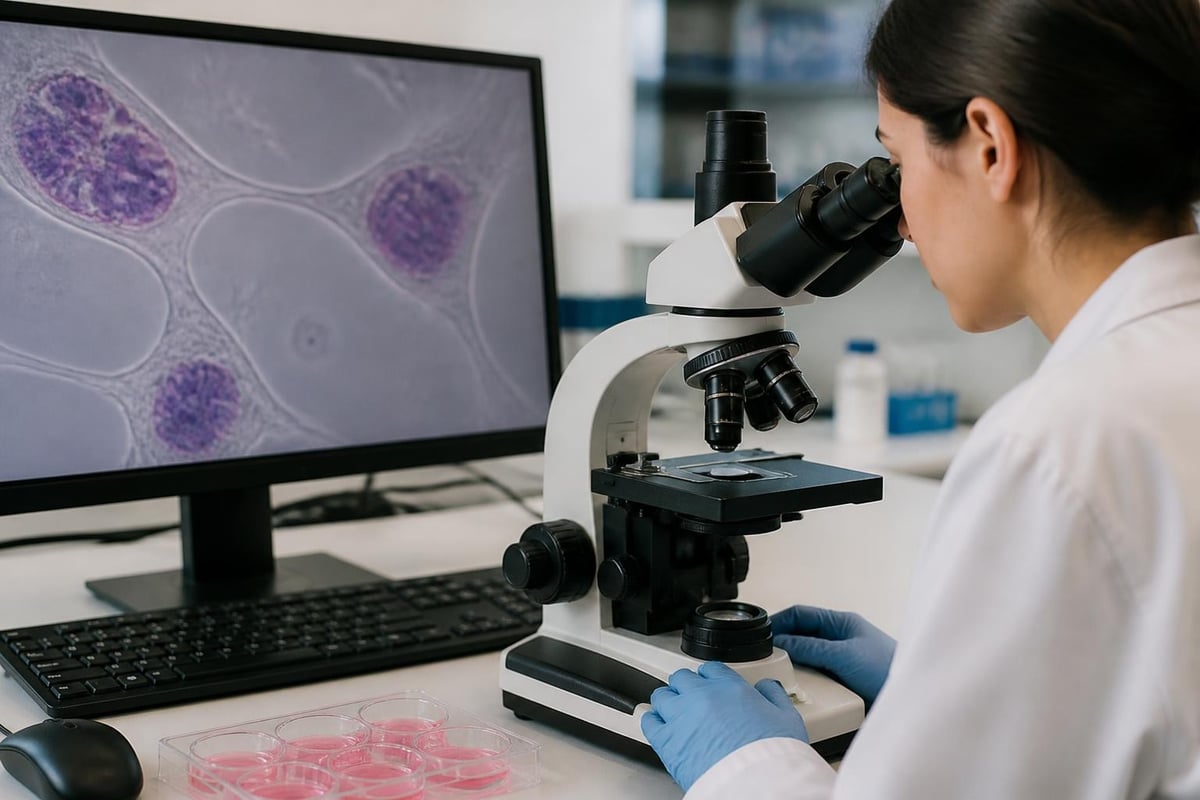
- Morphological assessment: Regular microscopic evaluation of colony structure and individual cell appearance
- Growth characteristics: Monitoring population doubling times and passage stability
- Pluripotency markers: Immunostaining or flow cytometry for OCT4, SOX2, NANOG, TRA-1-60, and SSEA-4
- Differentiation potential: In vitro assays demonstrating trilineage capacity
- Genetic stability: Karyotyping and genomic analysis to detect chromosomal abnormalities
- Sterility testing: Comprehensive microbial and mycoplasma screening
Advanced molecular techniques now allow researchers to assess pluri potent cells at unprecedented resolution, including single-cell RNA sequencing to identify subpopulations and epigenetic profiling to evaluate chromatin accessibility patterns.
Standardization Initiatives
International organizations have developed guidelines to harmonize pluri potent cell research practices and facilitate data comparison across laboratories. These standards address:
- Nomenclature and reporting requirements for cell lines
- Recommended assays for characterizing pluripotency
- Authentication methods to prevent cell line misidentification
- Data sharing protocols to maximize research impact
Challenges in Clinical Translation of Pluri Potent Cell Therapies
Despite their remarkable potential, several significant obstacles must be overcome before pluri potent cell-derived therapies become routine clinical interventions. Understanding these challenges helps set realistic expectations whilst guiding research priorities.
Safety Considerations
The primary safety concern with pluri potent cells relates to their proliferative capacity and differentiation potential. Residual undifferentiated cells within a transplanted population could potentially form teratomas, benign tumors containing tissues from multiple lineages. Addressing this risk requires:
- Highly efficient differentiation protocols that minimize undifferentiated cell contamination
- Cell sorting or selection strategies to remove pluripotent cells before transplantation
- Incorporation of safety switches that enable elimination of problematic cells
- Extended preclinical studies in animal models to evaluate long-term safety
Immune Compatibility Issues
Unless pluri potent cells are derived from the intended recipient (autologous iPSCs), immunological rejection remains a concern. Strategies to address immune compatibility include:
- Human leukocyte antigen (HLA) matching between donors and recipients
- Creation of haplobanks containing diverse HLA types to serve broad populations
- Genetic modification to reduce immunogenicity or create hypoimmunogenic cells
- Immunosuppression protocols to prevent rejection of allogeneic transplants
Manufacturing and Cost Barriers
Producing clinical-grade pluri potent cell derivatives requires sophisticated manufacturing infrastructure and expertise. Current challenges include:
- High production costs limiting accessibility and affordability
- Complex quality control requirements adding time and expense
- Batch-to-batch variability affecting consistency
- Scalability constraints for generating sufficient cell numbers
Addressing these manufacturing challenges will be essential for making pluri potent cell therapies economically viable and widely available.
Integration of Pluri Potent Cell Research with Precision Medicine
The convergence of pluri potent cell technology with genomics, proteomics, and computational biology is enabling increasingly personalized approaches to disease understanding and treatment development. Patient-specific iPSC lines allow researchers to study disease mechanisms in genetically relevant cellular contexts.
Applications in Rare Disease Research
For patients with rare genetic conditions, pluri potent cells offer unique opportunities to:
- Generate disease models when animal models are unavailable or inadequate
- Test potential therapies in patient-derived cells before clinical trials
- Identify molecular pathways underlying disease pathogenesis
- Screen existing drugs for repurposing opportunities
This precision medicine approach has proven particularly valuable for conditions affecting small patient populations where traditional drug development is economically challenging.
Pharmacogenomics and Drug Response Prediction
Pluri potent cells derived from individuals with different genetic backgrounds enable researchers to study how genetic variation influences drug metabolism, efficacy, and toxicity. This information can guide:
- Selection of optimal therapies for individual patients
- Dosing strategies based on genetic markers
- Identification of patient subgroups likely to benefit from specific interventions
- Development of companion diagnostics for targeted therapies
The Role of Pluri Potent Cells in Understanding Human Development
Beyond their therapeutic potential, pluri potent stem cells serve as powerful tools for studying the earliest stages of human development. Research using these cells has revealed fundamental insights into how a single fertilized egg gives rise to the extraordinary cellular diversity of the human body.
Scientists can now recapitulate developmental processes in culture, generating structures that resemble embryonic tissues at specific stages. These models help researchers:
- Map the molecular signals that guide cell fate decisions
- Identify critical time windows for developmental events
- Understand how genetic mutations disrupt normal development
- Study developmental disorders that would be impossible to investigate directly in human embryos
The knowledge gained from studying pluri potent cell differentiation informs our broader understanding of stem cell biology and the fundamental principles governing cellular identity and tissue formation.
Pluri Potent Cells and Regenerative Immunology
An emerging area of interest involves using pluri potent cell derivatives to generate components of the immune system for therapeutic purposes. Researchers are exploring how these cells might address conditions ranging from immune deficiencies to autoimmune disorders.
Potential applications include:
- Generation of regulatory T cells to suppress autoimmune responses
- Production of antigen-specific immune cells for cancer immunotherapy
- Creation of haematopoietic progenitor cells for transplantation
- Development of natural killer cells for infectious disease and cancer treatment
These approaches leverage the ability of pluri potent cells to generate immune lineages whilst potentially incorporating genetic modifications that enhance therapeutic function or safety profiles.
Understanding pluri potent stem cells and their extraordinary capabilities provides crucial context for appreciating both current regenerative medicine applications and future therapeutic possibilities. Whilst these remarkable cells continue to drive scientific discovery and hold immense promise for tomorrow's treatments, today's clinical practice relies on established cellular therapies with proven safety and efficacy. StemCells21 bridges cutting-edge research with practical therapeutic solutions, offering personalized regenerative medicine programmes using pharmaceutical-grade mesenchymal stem cells for patients seeking advanced treatment options for degenerative conditions, autoimmune disorders, and age-related decline. Contact our Bangkok facility to explore how evidence-based cellular therapy might support your health goals.