
The field of regenerative medicine has been revolutionised by the discovery and development of pluripotent cells, remarkable biological entities capable of transforming into virtually any cell type in the human body. These cells represent one of the most significant scientific breakthroughs of the past two decades, offering unprecedented opportunities to understand human development, model disease, and develop novel therapeutic interventions. From their initial discovery to today's sophisticated clinical applications, pluripotent cells continue to shape the future of medical treatment, particularly in addressing degenerative conditions, autoimmune disorders, and age-related diseases that affect millions worldwide.
Understanding Pluripotency and Cell Potential
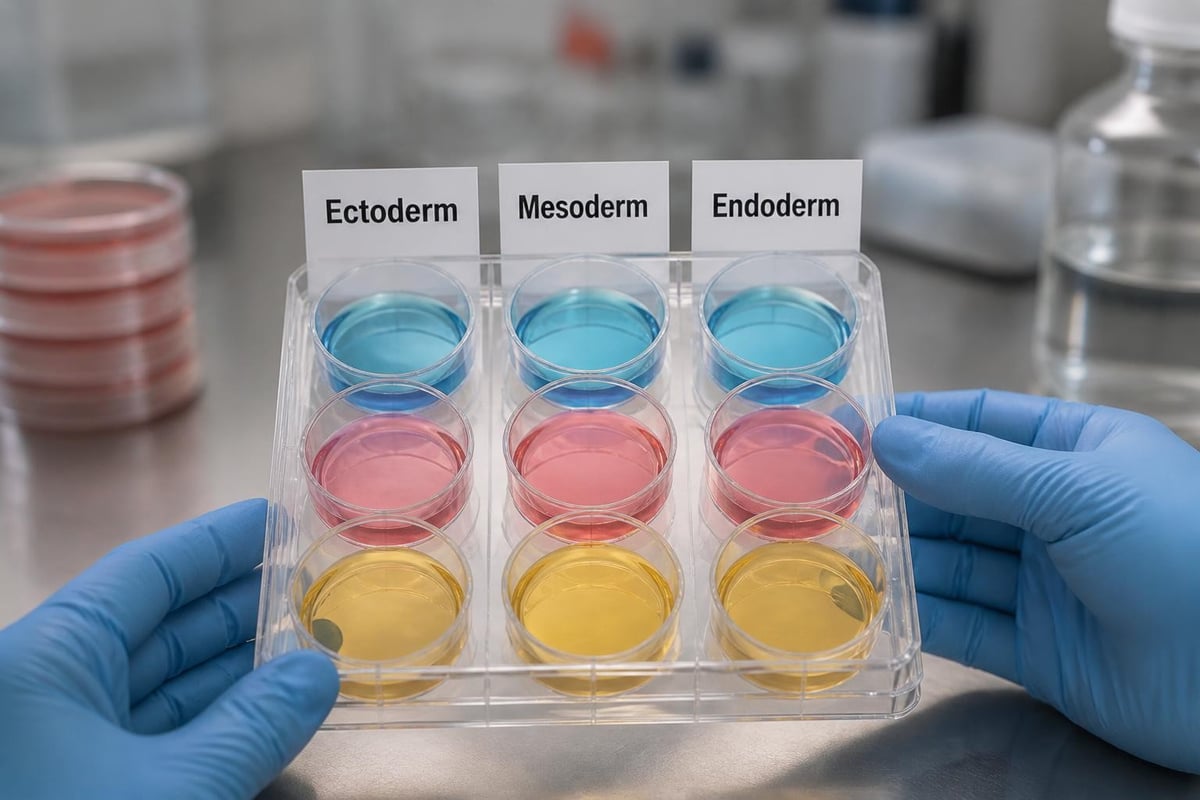
Pluripotency refers to a cell's capacity to differentiate into cells from all three germ layers: ectoderm, mesoderm, and endoderm. This remarkable versatility distinguishes pluripotent cells from other stem cell types with more limited differentiation potential.
Key characteristics of pluripotent cells include:
- Expression of specific transcription factors (Oct4, Sox2, Nanog)
- Capacity for unlimited self-renewal in culture
- Ability to form teratomas when transplanted
- Potential to generate any somatic cell type
The biological mechanisms underlying pluripotency involve intricate gene regulatory networks that maintain the undifferentiated state whilst preserving developmental potential. Understanding these molecular circuits has enabled researchers to manipulate cell fate decisions with increasing precision.
Types of Pluripotent Cells
Two primary categories dominate the landscape of pluripotent cell research and application. Embryonic stem cells (ESCs) are derived from the inner cell mass of blastocyst-stage embryos, whilst induced pluripotent stem cells (iPSCs) are generated by reprogramming adult somatic cells.
| Cell Type | Source | Advantages | Considerations |
|---|---|---|---|
| Embryonic Stem Cells | Blastocyst inner cell mass | Robust pluripotency markers | Ethical constraints, immunogenicity |
| Induced Pluripotent Stem Cells | Reprogrammed adult cells | Patient-specific, no embryo use | Genomic stability monitoring required |
| Umbilical Cord MSCs | Donated cord tissue | Immunomodulatory, clinical safety record | Limited differentiation compared to PSCs |
The choice between these cell types depends on the intended application, with each offering distinct benefits for research or therapeutic purposes. Current protocols for maintaining and characterizing these cells have become increasingly standardised across laboratories worldwide.
The Science of Cellular Reprogramming
The generation of induced pluripotent cells through cellular reprogramming represents one of modern biology's most transformative achievements. This process reverses cellular differentiation, returning mature cells to a pluripotent state.
Shinya Yamanaka's groundbreaking 2006 work demonstrated that introducing four transcription factors (Oct4, Sox2, Klf4, and c-Myc) into adult fibroblasts could induce pluripotency. This discovery earned the Nobel Prize and fundamentally altered the regenerative medicine landscape.
Reprogramming Methods and Efficiency
Contemporary reprogramming techniques have evolved considerably beyond the original retroviral delivery systems:
- Non-integrating viral vectors reduce genomic integration risks
- Episomal plasmids provide DNA-free alternatives
- Synthetic mRNA delivery enables transient factor expression
- Small molecule cocktails offer fully chemical reprogramming approaches
- Prime editing platforms allow precise genomic modifications without double-strand breaks
These advances have improved both the efficiency and safety profile of iPSC generation. Sophisticated editing technologies now enable researchers to create patient-specific cell lines with corrected genetic mutations, opening new therapeutic pathways.
The efficiency of reprogramming varies depending on the starting cell type, methodology, and culture conditions. Typical conversion rates range from 0.01% to several percent, with ongoing optimisation efforts focused on improving both speed and yield.
Quality Control and Genomic Stability
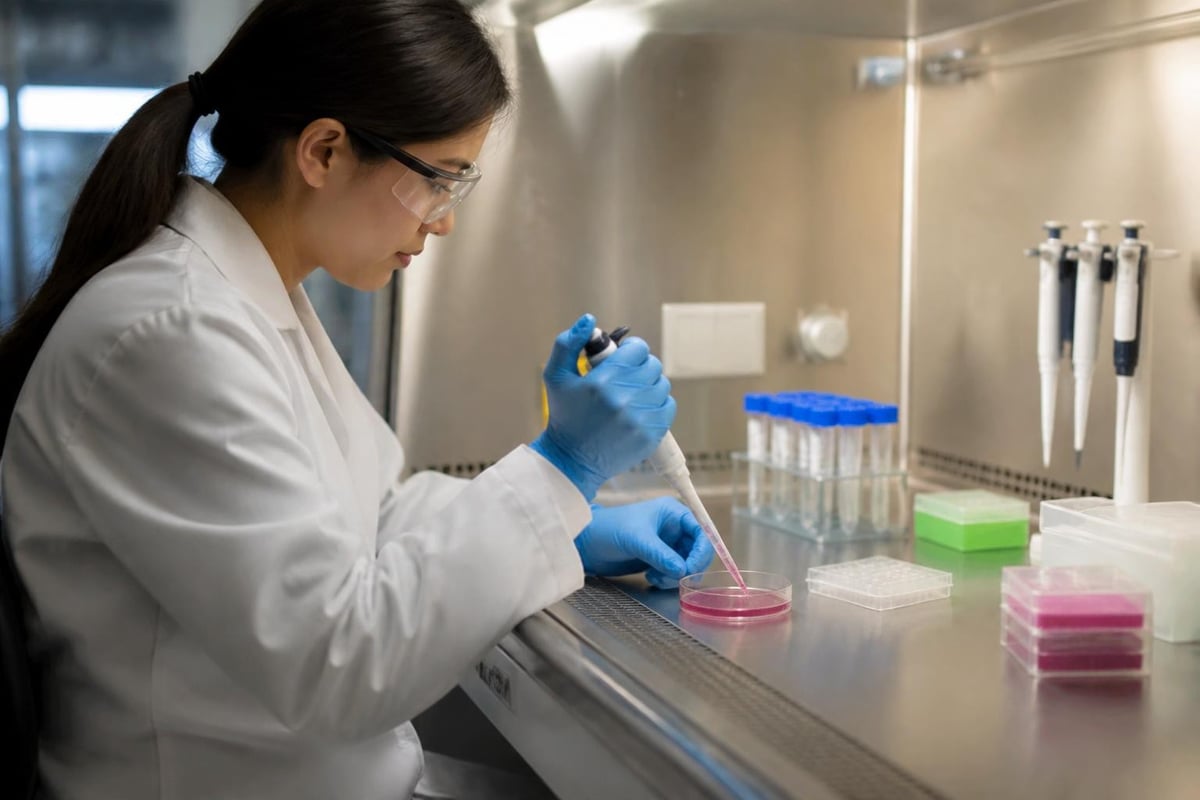
Ensuring the safety and consistency of pluripotent cells requires rigorous quality control measures throughout culture and expansion. Genomic stability assessment has become a critical component of any pluripotent cell-based application.
Essential Characterisation Assays
Standard methods for defining pluripotency include both functional and molecular assessments:
- Immunofluorescence staining for pluripotency markers (SSEA-4, TRA-1-60, TRA-1-81)
- Quantitative PCR measuring key transcription factor expression
- Flow cytometry quantifying marker-positive cell populations
- Teratoma formation assays demonstrating tri-lineage differentiation capacity
- Karyotype analysis detecting chromosomal abnormalities
- Whole-genome sequencing identifying acquired mutations
These assessments serve multiple purposes, from confirming successful reprogramming to detecting potentially dangerous genetic changes that accumulate during prolonged culture.
Culture-acquired genetic variations pose significant concerns for clinical translation. Copy number variations, point mutations in tumour suppressor genes, and chromosomal instabilities can emerge during expansion, particularly in cells maintained beyond 30-40 passages. Regular monitoring protocols help identify these changes before they compromise therapeutic safety.
Directed Differentiation Protocols
The therapeutic value of pluripotent cells lies not in their undifferentiated state but in their capacity to generate specific functional cell types. Directed differentiation protocols recapitulate developmental signalling pathways to guide pluripotent cells toward desired lineages.
Generating Clinically Relevant Cell Types
Researchers have developed sophisticated protocols to produce various therapeutic cell populations. Scalable methods for cardiac cells, for instance, employ temporally controlled activation of Wnt signalling followed by inhibition, mimicking heart development.
Common differentiation strategies include:
- Sequential exposure to growth factors and small molecules
- Modulation of key developmental pathways (Wnt, TGF-β, BMP, FGF)
- Three-dimensional culture systems promoting organoid formation
- Co-culture with supporting cell populations
- Microenvironmental engineering through biomaterials
The efficiency and purity of differentiated populations vary considerably. Cardiac differentiation protocols can achieve 80-95% cardiomyocyte purity, whilst neuronal protocols may generate mixed populations requiring additional purification steps.
For clinical applications, the presence of residual undifferentiated cells presents safety concerns. Comprehensive tumorigenicity risk assessments have become standard practice, with consensus recommendations guiding detection thresholds and elimination strategies.
Clinical Applications in Regenerative Medicine
The translation of pluripotent cell technologies from laboratory to clinic represents the ultimate goal of decades of fundamental research. Whilst challenges remain, several applications have advanced toward or reached clinical evaluation.
Current therapeutic strategies generally follow two approaches: direct cell transplantation or secretome-based therapies utilising the bioactive factors cells produce. Each approach offers distinct advantages depending on the target condition.
Disease Modelling and Drug Discovery
Beyond direct therapeutic applications, pluripotent cells have revolutionised our ability to model human diseases in the laboratory. Patient-specific iPSCs carrying disease-causing mutations enable researchers to study pathological mechanisms in relevant cell types, impossible to obtain through conventional methods.
These disease models have proven particularly valuable for:
- Understanding rare genetic disorders
- Screening potential therapeutic compounds
- Assessing drug toxicity in human cells
- Identifying novel disease mechanisms
- Developing personalised treatment strategies
Genome-scale CRISPR screening platforms now allow systematic interrogation of gene function in pluripotent cells and their derivatives, accelerating target identification and validation.
Pharmaceutical companies increasingly incorporate pluripotent cell-derived models into drug development pipelines, particularly for cardiotoxicity and neurotoxicity assessments where animal models poorly predict human responses.
Regulatory Framework and Ethical Considerations
The clinical development of pluripotent cell therapies operates within a complex regulatory landscape that balances innovation with patient safety. International guidelines from organisations like the ISSCR provide comprehensive frameworks covering research conduct, ethical oversight, and clinical translation standards.
Regulatory Pathways for Cell Therapies
Different jurisdictions employ varying regulatory approaches. In Europe, advanced therapy medicinal products (ATMPs) regulations govern pluripotent cell-based interventions, whilst the United States Food and Drug Administration evaluates them under biological product regulations.
| Region | Regulatory Body | Key Requirements |
|---|---|---|
| European Union | EMA (ATMP framework) | Manufacturing compliance, clinical evidence, risk management |
| United States | FDA (CBER) | IND application, Phase trials, biologics license |
| Japan | PMDA | Conditional approval pathways, regenerative medicine laws |
| Thailand | Thai FDA | Medical device and drug registration, clinical trial approval |
Ethical considerations surrounding pluripotent cells have evolved alongside the science. The development of iPSCs largely resolved concerns about embryo use, though questions persist regarding consent for tissue donation, commercialisation, and equitable access to resulting therapies.
Manufacturing and Scalability Challenges
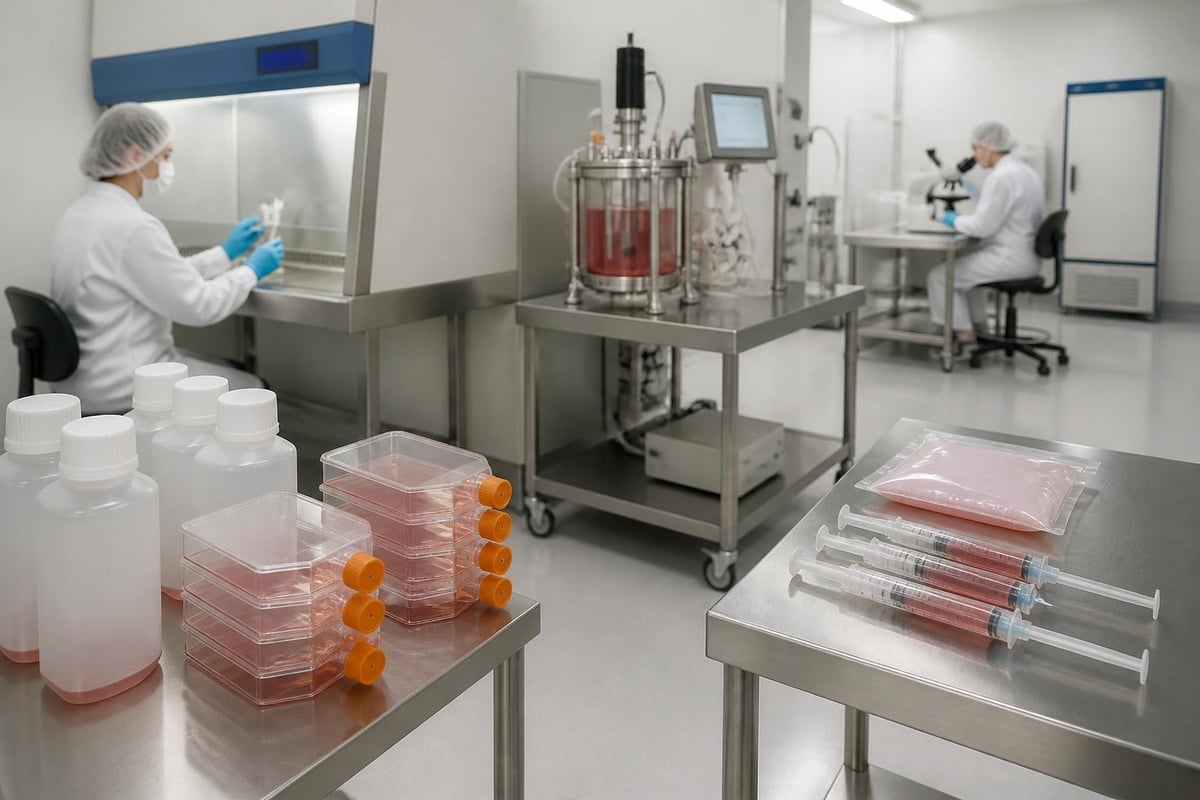
Transitioning from research-grade to clinical-grade pluripotent cell production requires addressing substantial manufacturing challenges. Production must occur in GMP-compliant facilities using defined, animal-free culture systems that ensure consistency and safety.
Critical Manufacturing Considerations
Scalability remains a significant hurdle for widespread clinical deployment. Producing billions of cells whilst maintaining quality attributes requires:
- Automated culture systems reducing manual handling and contamination risks
- Bioreactor technologies enabling suspension culture at scale
- Real-time monitoring of critical quality parameters
- Cryopreservation protocols maintaining viability through storage and transport
- Supply chain logistics ensuring cold-chain integrity
The economic feasibility of pluripotent cell therapies depends heavily on manufacturing efficiency. Cost-of-goods analyses suggest that automation and process optimisation will be essential for making these treatments accessible beyond rare disease applications.
Quality by design principles guide modern manufacturing approaches, with extensive characterisation of starting materials, intermediates, and final products ensuring batch-to-batch consistency.
Immunological Considerations in Cell Therapy
The immune response to transplanted pluripotent cell derivatives represents both a challenge and opportunity. Whilst autologous iPSC-derived products theoretically avoid rejection, practical and economic factors often favour allogeneic approaches using banked cell lines.
Strategies for Immune Compatibility
Several approaches address immunogenicity concerns:
- HLA-matched cell banking initiatives creating repositories covering common haplotypes
- Immune evasion engineering through HLA gene editing
- Encapsulation technologies providing physical immune barriers
- Immunosuppressive regimens adapted from solid organ transplantation
- Hypoimmunogenic cell lines with reduced antigen presentation
The choice of strategy depends on the target tissue, expected cell survival requirements, and patient population characteristics. For some applications, transient cell survival suffices to achieve therapeutic benefit through paracrine signalling, reducing immune concerns.
Whilst autologous approaches theoretically eliminate rejection risks, evidence suggests that cellular reprogramming and differentiation can alter immunogenicity. Comprehensive immunological characterisation remains essential even for patient-matched products.
Current Clinical Landscape and Emerging Applications
Multiple clinical trials worldwide now evaluate pluripotent cell-derived therapies across diverse medical conditions. Ophthalmological applications, particularly retinal pigment epithelium transplantation for macular degeneration, have progressed furthest, with several trials reporting safety and preliminary efficacy data.
Neurological applications represent another active area, with trials investigating Parkinson's disease, spinal cord injury, and stroke. Cardiac regeneration studies explore pluripotent cell-derived cardiomyocytes for heart failure, whilst diabetes research focuses on pancreatic beta-cell replacement.
Active clinical investigation areas include:
- Age-related macular degeneration (retinal cells)
- Parkinson's disease (dopaminergic neurons)
- Type 1 diabetes (pancreatic islet cells)
- Heart failure (cardiomyocytes and cardiac progenitors)
- Spinal cord injury (neural progenitors and oligodendrocytes)
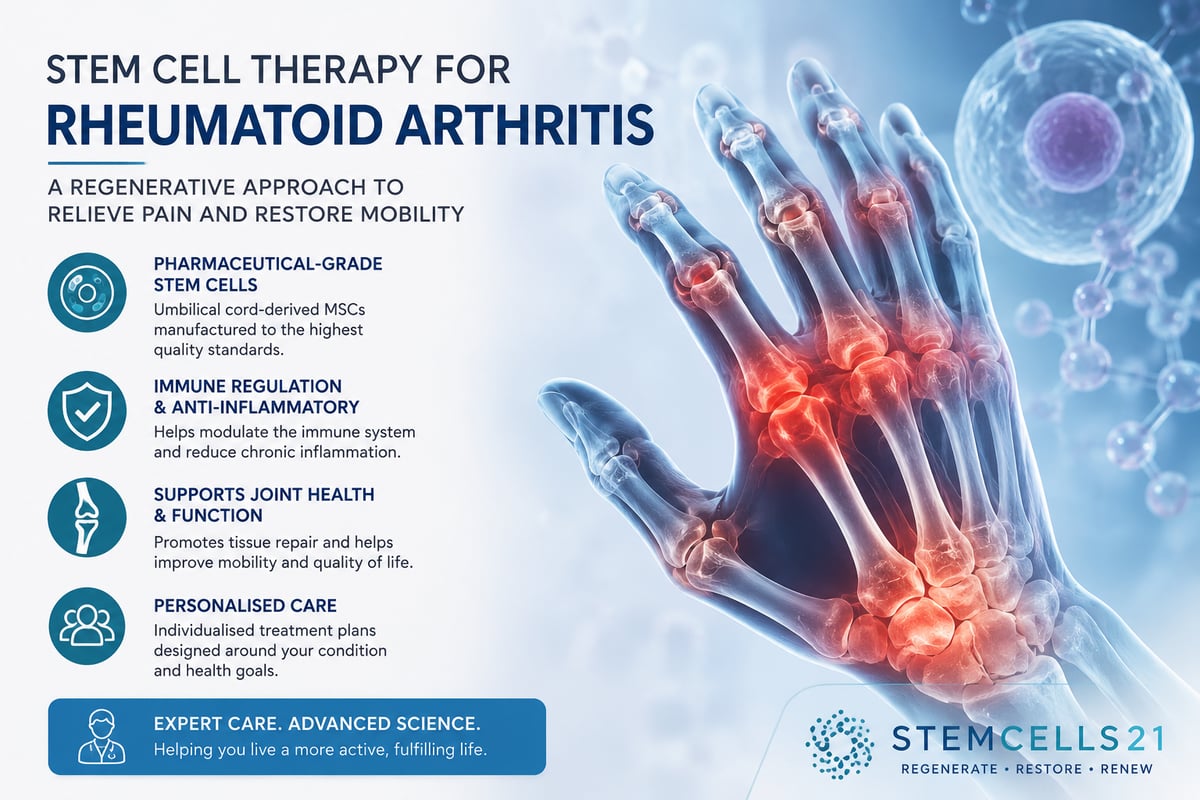
For patients seeking treatment options today, it's important to recognise that whilst pluripotent cell technologies show immense promise, most applications remain investigational. Proven regenerative approaches using well-characterised cell types like mesenchymal stem cells offer current therapeutic value. At StemCells21, we utilise pharmaceutical-grade umbilical cord-derived mesenchymal stem cells for conditions including rheumatoid arthritis, where immunomodulatory properties help regulate inflammation and support joint function under comprehensive medical supervision.
Future Directions and Technological Convergence
The convergence of pluripotent cell biology with complementary technologies promises to accelerate clinical progress substantially. Artificial intelligence and machine learning now assist in optimising culture conditions, predicting differentiation outcomes, and identifying quality markers.
Gene editing technologies continue advancing, with base editors and prime editors offering unprecedented precision for correcting disease mutations in patient cells. These tools enable creation of genetically matched, mutation-corrected cell lines for autologous transplantation without rejection risks.
Organoid technologies represent another frontier, where pluripotent cells self-organise into three-dimensional tissue structures recapitulating organ architecture and function. These miniature organs serve both as sophisticated disease models and potential transplantation products.
Bioprinting approaches aim to combine pluripotent cell derivatives with biomaterial scaffolds, creating complex tissue constructs with defined architecture. Early proof-of-concept studies have demonstrated feasibility for skin, cartilage, and vascular structures.
Integration with Precision Medicine
The personalised nature of iPSC technology aligns perfectly with precision medicine paradigms. Patient-specific cells enable testing of therapeutic responses before treatment initiation, potentially avoiding ineffective or toxic interventions.
This approach proves particularly valuable for rare genetic conditions where patient populations are too small for traditional clinical trials. Individual n-of-1 studies using patient-derived cells can inform treatment decisions and advance mechanistic understanding.
The integration of multi-omics data (genomics, transcriptomics, proteomics, metabolomics) with phenotypic observations from pluripotent cell models creates comprehensive disease signatures. These molecular portraits facilitate patient stratification and treatment matching in heterogeneous conditions.
Pluripotent cells have fundamentally transformed our understanding of cellular biology and opened new frontiers in regenerative medicine, offering hope for conditions once considered untreatable. As research continues advancing and manufacturing capabilities mature, these remarkable cells will increasingly translate from laboratory discoveries to therapeutic realities. If you're exploring regenerative treatment options for degenerative conditions, autoimmune disorders, or age-related health challenges, StemCells21 offers personalised therapy programmes combining proven stem cell technologies with comprehensive medical care at our state-of-the-art Bangkok facility. Contact our team to discuss how regenerative medicine might support your health goals.