
The ageing process involves complex biological changes at every level of cellular organisation, but one of the most significant contributors to age-related decline is the progressive loss of stem cell function. Stem cell exhaustion aging represents a fundamental hallmark of biological ageing that affects our body's ability to regenerate tissues, maintain homeostasis, and recover from injury. As stem cells lose their regenerative capacity over time, the consequences ripple through every organ system, contributing to frailty, disease susceptibility, and reduced quality of life. Understanding the mechanisms behind stem cell exhaustion aging opens doors to innovative therapeutic approaches that may help restore cellular vitality and support healthy longevity.
Understanding Stem Cell Exhaustion as a Hallmark of Ageing
Stem cell exhaustion aging occurs when the body's reservoir of stem cells becomes depleted or dysfunctional over time. Unlike differentiated cells that perform specific functions, stem cells possess the remarkable ability to self-renew and differentiate into specialised cell types. This capacity makes them essential for tissue maintenance, wound healing, and organ function throughout our lives.
The hallmarks of stem cell aging encompass multiple interconnected processes that gradually compromise stem cell populations. These biological changes don't happen in isolation but rather interact in complex ways that accelerate cellular decline.
What Happens During Stem Cell Exhaustion
When stem cells age, they experience:
- Reduced proliferative capacity: Stem cells divide less frequently and more slowly
- Impaired differentiation: The ability to generate specialised cell types becomes compromised
- Diminished self-renewal: The stem cell pool fails to maintain adequate numbers
- Niche deterioration: The supportive microenvironment surrounding stem cells becomes dysfunctional
- Senescence accumulation: Damaged cells that should be cleared persist and release harmful factors
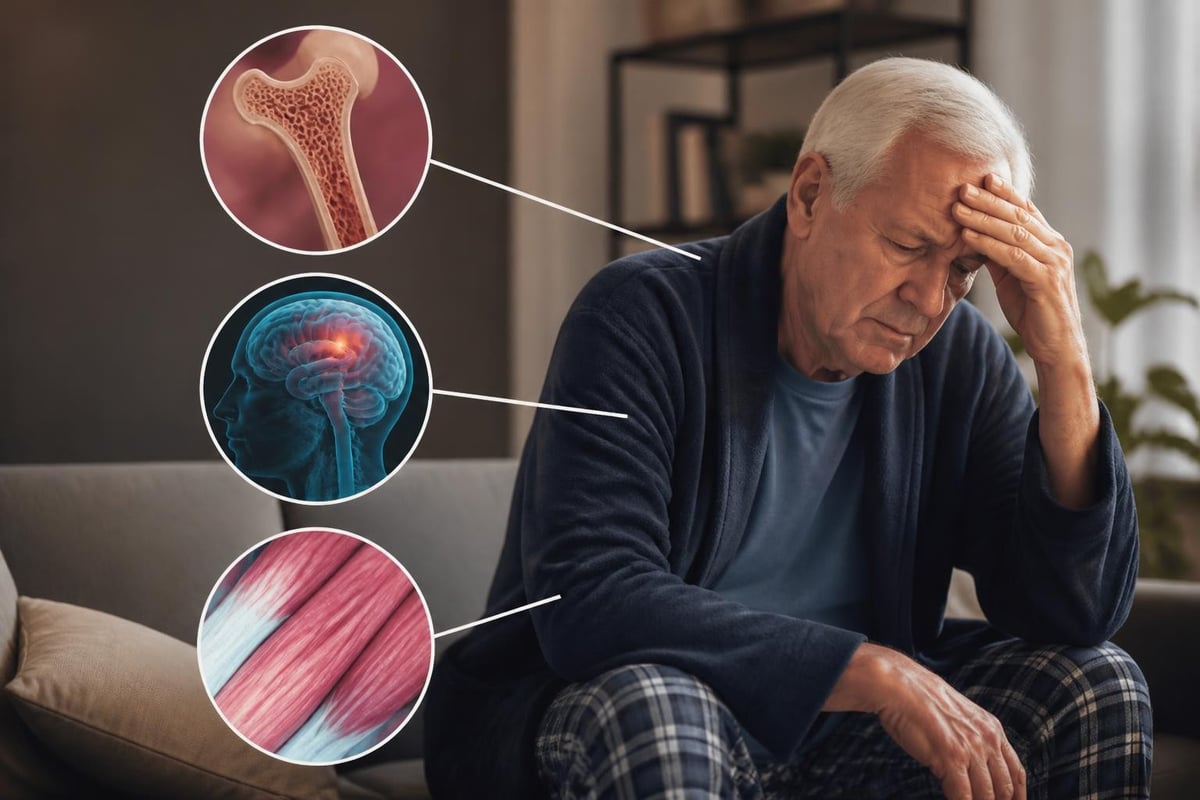
These changes manifest differently across tissue types. Haematopoietic stem cells in bone marrow, neural stem cells in the brain, mesenchymal stem cells in connective tissues, and muscle satellite cells all experience age-related exhaustion, though the timing and severity vary.
Molecular Mechanisms Driving Stem Cell Decline
The biological drivers of stem cell exhaustion aging operate at multiple levels, from chromosomal integrity to cellular metabolism. Understanding these mechanisms provides targets for therapeutic intervention and reveals why age-related decline accelerates over time.
DNA Damage and Genomic Instability
Stem cells accumulate DNA damage throughout life from both intrinsic factors (metabolic byproducts, replication errors) and extrinsic sources (radiation, toxins). While DNA repair mechanisms work to maintain genomic integrity, their efficiency decreases with age.
| DNA Damage Type | Impact on Stem Cells | Consequence |
|---|---|---|
| Double-strand breaks | Compromised self-renewal | Reduced stem cell pool |
| Oxidative lesions | Impaired differentiation | Tissue dysfunction |
| Telomere erosion | Replicative senescence | Proliferation arrest |
Telomeres, the protective caps on chromosome ends, progressively shorten with each cell division. When telomeres reach a critical length, stem cells enter senescence or apoptosis, directly contributing to stem cell exhaustion aging.
Epigenetic Alterations and Cellular Identity
Epigenetic modifications control which genes are expressed without changing the underlying DNA sequence. As stem cells age, their epigenetic landscape becomes disrupted, affecting cellular identity and function.
Recent research on reprogramming-induced rejuvenation demonstrates that reversing certain epigenetic changes can restore youthful characteristics to aged stem cells. This finding suggests that stem cell exhaustion aging may be at least partially reversible through targeted interventions.
Histone modifications, DNA methylation patterns, and chromatin accessibility all change with age, altering how stem cells respond to signals and maintain their regenerative potential. These epigenetic shifts don't just affect individual cells but can be transmitted through cell divisions, perpetuating dysfunction.
The Role of Inflammation and Cellular Senescence
Chronic, low-grade inflammation-often termed "inflammaging"-plays a crucial role in accelerating stem cell exhaustion aging. This persistent inflammatory state arises from multiple sources and creates a hostile environment for stem cell function.
How Inflammaging Drives Stem Cell Dysfunction
Cellular senescence and its inflammatory secretome represent key contributors to this process. Senescent cells cease dividing but remain metabolically active, secreting inflammatory cytokines, growth factors, and proteases collectively known as the senescence-associated secretory phenotype (SASP).
The SASP:
- Disrupts stem cell niche architecture
- Impairs stem cell self-renewal signalling
- Promotes additional cellular senescence
- Interferes with tissue regeneration
- Exacerbates age-related pathologies
Research specifically examining aged mesenchymal stem cells and inflammation reveals how prolonged exposure to inflammatory signals fundamentally alters MSC behaviour, reducing their therapeutic potential and regenerative capacity.
Niche Deterioration and Stem Cell Support
Stem cells don't function in isolation. They depend on specialised microenvironments called niches that provide structural support, growth factors, and regulatory signals. As these niches deteriorate with age, even relatively healthy stem cells struggle to maintain tissue homeostasis.
The vascular network within stem cell niches becomes less efficient, reducing nutrient delivery and waste removal. Supporting cells such as fibroblasts and immune cells change their behaviour, often becoming pro-inflammatory. The extracellular matrix that provides structural scaffolding becomes stiffer and less organised, affecting mechanical signalling pathways that regulate stem cell fate.
Tissue-Specific Manifestations of Stem Cell Exhaustion
Stem cell exhaustion aging manifests differently across organ systems, contributing to diverse age-related conditions. Recognising these tissue-specific patterns helps explain why ageing affects various bodily functions at different rates.
Haematopoietic System Decline
Haematopoietic stem cells (HSCs) in bone marrow generate all blood cell types throughout life. With age, HSCs develop a myeloid bias, producing more inflammatory immune cells and fewer lymphocytes. This shift contributes to:
- Increased infection susceptibility
- Reduced vaccine responsiveness
- Higher autoimmune disease risk
- Anaemia and clotting disorders
Neural Stem Cell Exhaustion
The brain contains neural stem cell populations that support cognitive function, memory formation, and neuroplasticity. As these cells become exhausted, the consequences include reduced neurogenesis in the hippocampus, impaired learning and memory consolidation, decreased neural repair capacity, and vulnerability to neurodegenerative diseases.
Understanding what stem cells are and their specific roles in different tissues provides context for why their exhaustion has such profound effects on overall health and function.
Musculoskeletal Stem Cell Depletion
Muscle satellite cells and skeletal stem cells maintain muscle mass and bone density throughout life. Their exhaustion contributes to sarcopenia (muscle loss), osteoporosis and fracture risk, impaired injury recovery, and reduced physical resilience.
Intervention Strategies to Address Stem Cell Exhaustion Aging
While stem cell exhaustion aging represents a fundamental biological process, emerging research suggests multiple intervention points that may slow, halt, or even partially reverse this decline.
Lifestyle and Environmental Factors
Evidence indicates that modifiable factors significantly influence the rate of stem cell exhaustion:
- Exercise: Regular physical activity stimulates stem cell activation and supports niche health
- Nutrition: Caloric restriction and specific nutrients can enhance stem cell maintenance
- Sleep: Quality sleep supports stem cell function and reduces inflammatory burden
- Stress management: Chronic psychological stress accelerates cellular ageing processes
Maintaining physical fitness and mental resilience through structured approaches, such as those offered by comprehensive wellness programmes like The Father Forge, can support the overall cellular environment that stem cells depend upon for optimal function.
Pharmacological Approaches
Several compounds show promise for addressing stem cell exhaustion aging:
| Intervention | Mechanism | Research Status |
|---|---|---|
| Senolytics | Clear senescent cells | Clinical trials ongoing |
| NAD+ precursors | Boost mitochondrial function | Human studies underway |
| Metformin | Improve metabolic health | Large-scale trials active |
| Rapamycin | Modulate mTOR pathway | Preclinical and early clinical |
These interventions target upstream mechanisms that contribute to stem cell dysfunction, potentially preserving stem cell pools and extending their functional lifespan.
Regenerative Medicine and Stem Cell Therapy
Advanced regenerative approaches offer direct intervention to compensate for exhausted stem cell populations. Therapeutic strategies include autologous stem cell expansion and reintroduction, allogeneic stem cell transplantation from younger donors, ex vivo stem cell rejuvenation before administration, and targeted stem cell delivery to specific tissues.
For individuals seeking to address age-related decline and support cellular regeneration, Longevity Treatment programmes using pharmaceutical-grade umbilical cord-derived mesenchymal stem cells represent a cutting-edge approach. These young, highly active cells can help support the body's natural repair mechanisms and counter the effects of stem cell exhaustion aging.

The Future of Stem Cell Exhaustion Research
The field of stem cell exhaustion aging research continues to evolve rapidly, with promising developments emerging across multiple fronts. Understanding how stem cells age at a molecular level has accelerated dramatically in recent years, revealing potential intervention points that were previously unknown.
Partial Cellular Reprogramming
One of the most exciting frontiers involves partial reprogramming techniques that reverse some ageing hallmarks without causing cells to lose their specialised identity. This approach uses carefully controlled expression of reprogramming factors to "reset" the epigenetic clock whilst maintaining cellular function.
Early research demonstrates that this strategy can rejuvenate aged stem cells, restoring their proliferative capacity and differentiation potential. The challenge lies in developing safe, controllable methods for clinical application.
Niche Engineering and Biomaterials
Rather than focusing solely on stem cells themselves, researchers are developing strategies to rejuvenate or engineer stem cell niches. Biomaterial scaffolds that mimic youthful niche properties, targeted delivery of niche-supporting factors, cellular therapies that restore niche function, and modulation of niche stiffness and architecture all represent promising approaches.
These strategies recognise that stem cell exhaustion aging often reflects niche failure as much as intrinsic stem cell decline. By addressing both components, more comprehensive rejuvenation may be possible.
Systemic Rejuvenation Approaches
Some interventions targeting stem cell exhaustion aging work through systemic mechanisms rather than direct stem cell manipulation:
- Heterochronic parabiosis: Studies showing young blood factors can rejuvenate aged tissues
- Plasma fraction therapies: Isolating beneficial factors whilst removing pro-ageing proteins
- Exercise mimetics: Compounds that reproduce the stem cell benefits of physical activity
- Circadian rhythm optimisation: Aligning stem cell function with biological clocks
These whole-body approaches acknowledge that stem cell exhaustion aging occurs within a complex physiological context where multiple organ systems interact.
Clinical Applications and Personalised Medicine
Translating stem cell exhaustion aging research into clinical practice requires sophisticated assessment tools and personalised treatment strategies. Not all individuals experience stem cell decline at the same rate or in the same tissues.
Assessment and Monitoring
Advanced diagnostics can now evaluate:
- Stem cell reserve in specific tissues
- Epigenetic age markers
- Inflammatory biomarkers indicating SASP burden
- Telomere length and genomic stability
- Functional tissue capacity
These measurements enable clinicians to identify which aspects of stem cell exhaustion aging are most problematic for individual patients and tailor interventions accordingly.
Integrated Treatment Protocols
The most effective approach to addressing stem cell exhaustion aging likely involves combining multiple strategies. A comprehensive protocol might include regenerative therapies such as MSC stem cell administration, lifestyle optimisation including nutrition and exercise, targeted pharmacological interventions, monitoring and adjustment based on biomarker response, and long-term maintenance strategies.
This integrated approach recognises that stem cell exhaustion aging represents a multifactorial process requiring multifaceted solutions. Single interventions may provide some benefit, but coordinated strategies addressing multiple mechanisms simultaneously offer the greatest potential for meaningful rejuvenation.
Emerging Applications Across Medical Specialties
As our understanding of stem cell exhaustion aging deepens, applications extend across numerous medical fields. Ophthalmology now explores stem cell eye treatments for age-related vision loss, neurology investigates neural stem cell support for cognitive decline, cardiology examines cardiac progenitor cell exhaustion in heart disease, and orthopaedics develops strategies for musculoskeletal stem cell preservation.
Each specialty recognises that tissue-specific manifestations of stem cell exhaustion aging contribute to the conditions they treat, opening new therapeutic avenues beyond traditional symptom management.
Challenges and Considerations
Despite significant progress, addressing stem cell exhaustion aging presents substantial challenges that must be carefully navigated. The complexity of stem cell biology means interventions carry potential risks that require thorough investigation.
Safety Considerations
Key safety concerns include:
- Tumourigenesis risk: Excessive stem cell activation could theoretically promote cancer
- Immune reactions: Allogeneic stem cell therapies may trigger immune responses
- Unintended effects: Systemic interventions affect multiple cell types simultaneously
- Long-term outcomes: Many approaches lack decades-long safety data
Rigorous clinical protocols, careful patient selection, and comprehensive monitoring help mitigate these risks whilst advancing the field responsibly.
Individual Variability
Genetic background, environmental exposures, health history, baseline stem cell status, and age at intervention all influence how individuals respond to treatments targeting stem cell exhaustion aging. Personalised medicine approaches that account for this variability will prove essential for optimising outcomes.
Ethical and Access Questions
As therapies addressing stem cell exhaustion aging advance, society must grapple with questions about equitable access, appropriate use, regulatory frameworks, and the broader implications of extending healthspan and potentially lifespan.
These considerations extend beyond purely scientific concerns, requiring thoughtful dialogue among researchers, clinicians, policymakers, and the public.
Stem cell exhaustion aging represents a fundamental biological process that contributes significantly to age-related decline across multiple organ systems, but emerging research reveals it is not an inevitable or irreversible fate. Through comprehensive approaches combining lifestyle optimisation, advanced diagnostics, and cutting-edge regenerative therapies, we can now address stem cell dysfunction at its source. If you're experiencing age-related changes and want to explore how regenerative medicine might help restore cellular vitality and improve your quality of life, StemCells21 offers personalised treatment programmes using pharmaceutical-grade stem cells in our state-of-the-art Bangkok facility.