
The quest for longevity has captivated humanity for millennia, but only in recent decades has science begun to unlock the cellular mechanisms that drive the ageing process. Stem cell therapy for anti aging represents one of the most promising frontiers in regenerative medicine, offering potential pathways to not merely extend lifespan but to enhance healthspan-the period of life spent in good health. As we navigate through 2026, advances in mesenchymal stem cell research and clinical applications have brought this once-futuristic concept into the realm of practical medical intervention, with treatment centres worldwide exploring how these remarkable cells might slow, halt, or even reverse aspects of biological ageing.
Understanding the Biological Basis of Ageing
Ageing is not a single process but rather a complex interplay of cellular and molecular changes that accumulate over time. Scientists have identified several hallmarks of ageing, including genomic instability, telomere attrition, epigenetic alterations, loss of proteostasis, deregulated nutrient sensing, mitochondrial dysfunction, cellular senescence, stem cell exhaustion, and altered intercellular communication.
Stem cell exhaustion stands out as particularly significant in the context of regenerative therapies. Throughout life, our tissues rely on resident stem cells to replace damaged or dying cells and maintain tissue homeostasis. However, as we age, these stem cell populations decline in both number and function, leading to reduced tissue repair capacity and increased vulnerability to disease.
Research published in Nature Reviews Molecular Cell Biology highlights how ageing affects tissue stem cells and their supportive microenvironments (niches), creating a cascade of dysfunction that manifests as the visible and invisible signs of ageing. Understanding this relationship provides the theoretical foundation for stem cell therapy for anti aging interventions.

The Role of Mesenchymal Stem Cells
Mesenchymal stem cells (MSCs) have emerged as a focal point in anti-ageing research due to their unique properties:
- Multipotency: Ability to differentiate into various cell types including bone, cartilage, and fat cells
- Immunomodulation: Capacity to regulate immune responses and reduce chronic inflammation
- Paracrine signalling: Secretion of growth factors, cytokines, and extracellular vesicles that promote tissue repair
- Homing ability: Natural tendency to migrate to sites of injury or inflammation
Unlike embryonic stem cells, MSCs can be sourced from adult tissues or, more commonly in clinical settings, from umbilical cord tissue. Umbilical cord-derived MSCs (UC-MSCs) offer particular advantages, including higher proliferative capacity, lower immunogenicity, and ethical sourcing through maternal donation following healthy births.
Mechanisms Through Which Stem Cell Therapy Addresses Ageing
The application of stem cell therapy for anti aging operates through multiple complementary pathways, each targeting different aspects of the ageing process. These mechanisms work synergistically to potentially restore more youthful cellular function across multiple organ systems.
Reducing Chronic Inflammation
Chronic low-grade inflammation, often termed "inflammaging," is recognised as a key driver of age-related diseases and functional decline. As we age, our immune systems become dysregulated, leading to persistent inflammatory signalling that damages tissues and accelerates degenerative processes.
MSCs possess potent anti-inflammatory properties, secreting factors such as transforming growth factor-beta (TGF-β), prostaglandin E2 (PGE2), and interleukin-10 (IL-10). These molecules help rebalance the immune system, reducing harmful inflammation whilst preserving protective immune responses. For individuals experiencing age-related conditions characterised by inflammation, understanding stem cell exhaustion and aging provides valuable context for how regenerative approaches work.
Promoting Tissue Repair and Regeneration
Perhaps the most direct anti-ageing effect of stem cell therapy lies in its ability to enhance tissue repair mechanisms. As endogenous stem cell populations decline with age, our bodies become less efficient at replacing damaged cells and maintaining tissue architecture.
| Repair Mechanism | How MSCs Contribute | Potential Outcome |
|---|---|---|
| Cell replacement | Direct differentiation into needed cell types | Restored tissue cellularity |
| Trophic support | Secretion of growth factors and cytokines | Enhanced survival of existing cells |
| Angiogenesis | Promotion of new blood vessel formation | Improved tissue oxygenation and nutrient delivery |
| Extracellular matrix remodelling | Regulation of collagen production and organisation | Enhanced structural integrity |
Administered stem cells don't necessarily replace all damaged cells themselves; rather, they create a regenerative microenvironment that awakens dormant repair processes and enhances the function of remaining native cells.
Mitochondrial Function and Metabolic Enhancement
Mitochondria, the powerhouses of our cells, accumulate damage over time, leading to reduced energy production and increased oxidative stress. This mitochondrial dysfunction contributes significantly to age-related fatigue, reduced physical capacity, and cellular senescence.
Emerging evidence suggests that MSCs can transfer healthy mitochondria to damaged cells through mechanisms such as tunnelling nanotubes and extracellular vesicles. This mitochondrial transfer may help restore cellular energy metabolism and reduce oxidative damage, potentially reversing some aspects of cellular ageing.
Clinical Evidence and Research Landscape
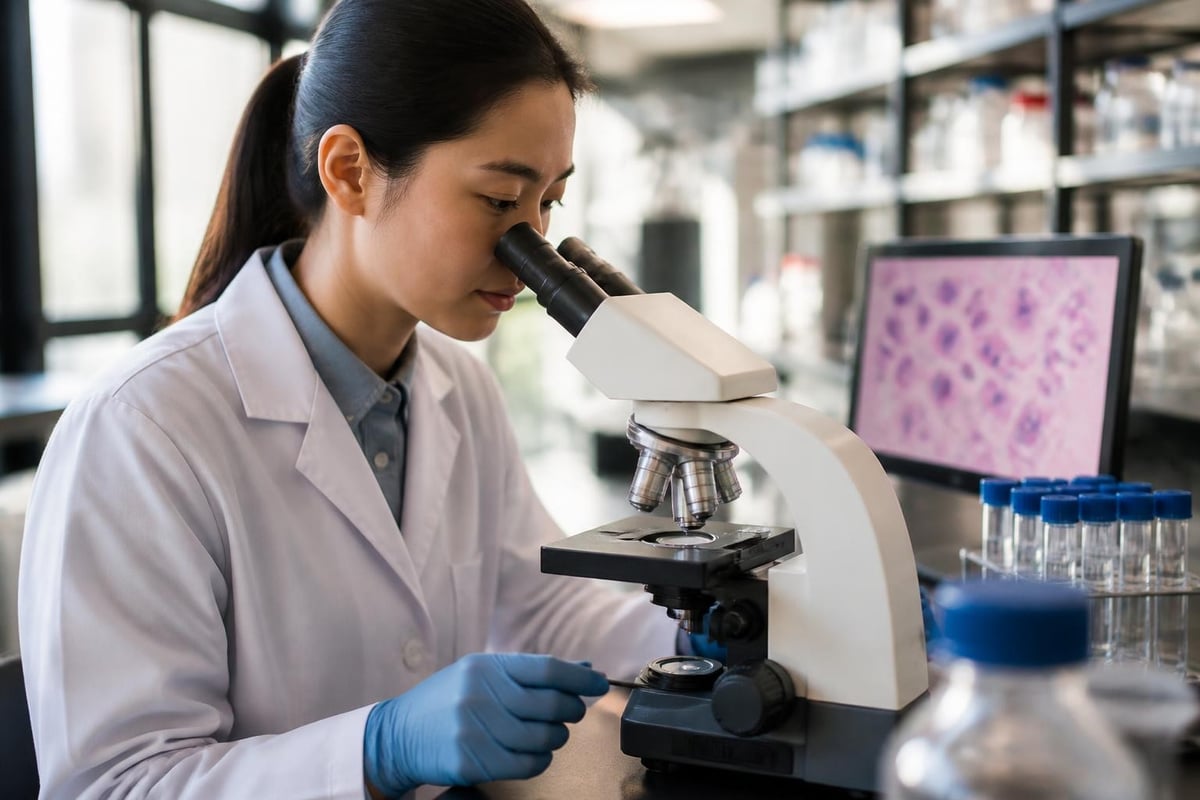
The scientific foundation for stem cell therapy for anti aging continues to evolve, with researchers worldwide investigating safety, efficacy, and optimal treatment protocols. A search of ClinicalTrials.gov for aging and stem cell studies reveals numerous ongoing and completed trials examining various aspects of stem cell interventions in age-related conditions.
Current Research Focus Areas
Clinical investigations in 2026 span several key domains:
- Frailty and physical function: Studies examining whether stem cell therapy can improve muscle mass, strength, and mobility in older adults
- Cognitive function: Trials investigating neuroprotective effects and potential improvements in age-related cognitive decline
- Cardiovascular health: Research into cardiac regeneration and vascular function enhancement
- Metabolic health: Investigations of stem cells' effects on insulin sensitivity, body composition, and metabolic syndrome
- Skin rejuvenation: Studies on dermal regeneration and reversal of photoaging
According to a comprehensive review in Stem Cell Research & Therapy, mesenchymal stem cells show translational potential across numerous clinical applications, though researchers emphasise the need for rigorous, controlled studies to establish optimal dosing, delivery methods, and patient selection criteria.
Safety Profile and Considerations
Safety represents a paramount concern in any therapeutic intervention, particularly those involving cellular products. MSC-based therapies have generally demonstrated a favourable safety profile in clinical trials, with most adverse events being mild and transient.
Common observations include:
- Temporary low-grade fever or fatigue following administration
- Minor discomfort at injection sites
- Rare allergic reactions to accompanying solutions
Serious adverse events remain uncommon when treatments are administered in properly regulated facilities following established protocols. The World Health Organization provides guidance on cell, tissue, and gene therapy products to ensure international standards for safety and quality.
Treatment Protocols and What to Expect
Individuals considering stem cell therapy for anti aging should understand that these interventions follow structured protocols designed to maximise safety and efficacy whilst addressing individual health profiles.
Initial Assessment and Personalisation
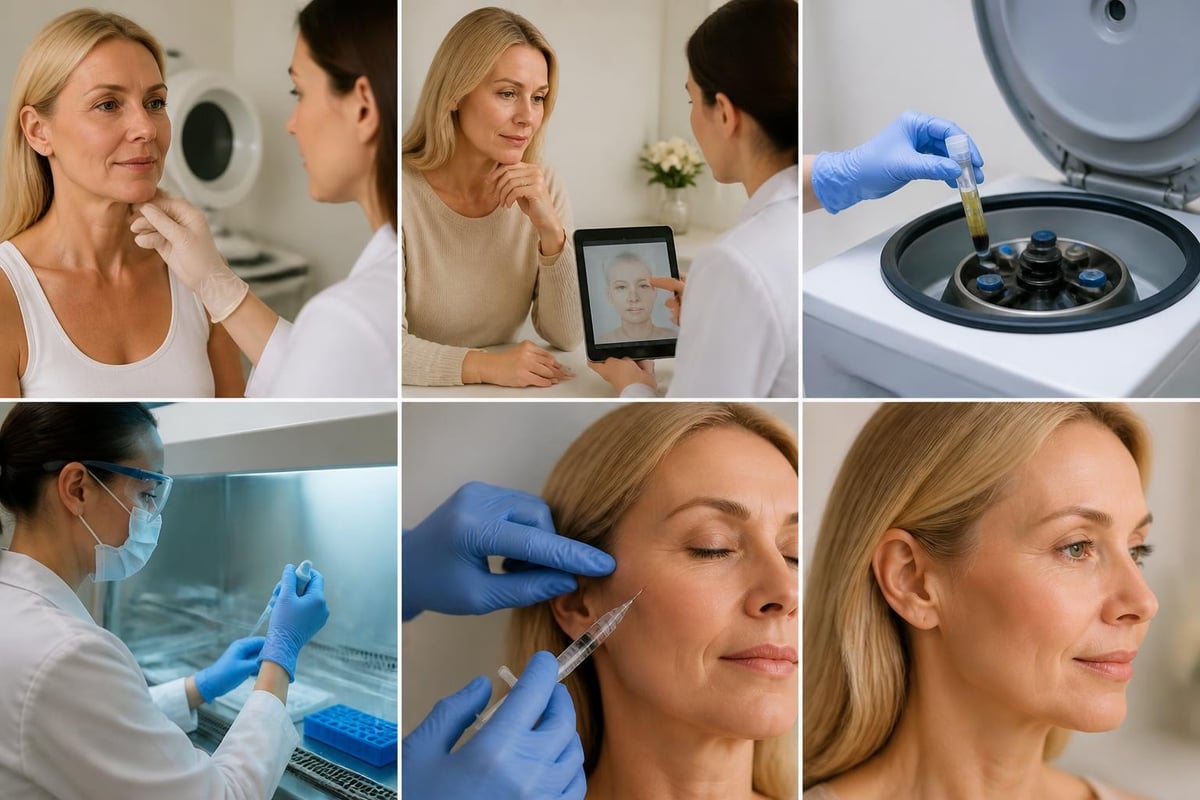
A comprehensive medical evaluation forms the foundation of any legitimate stem cell programme. This assessment typically includes:
- Detailed medical history review
- Physical examination
- Laboratory testing (blood work, inflammatory markers, hormone panels)
- Imaging studies where relevant
- Assessment of specific age-related concerns and treatment goals
This information allows clinicians to develop personalised treatment plans tailored to each patient's unique biological age, health status, and therapeutic objectives.
Cell Sourcing and Quality Standards
The source and quality of stem cells significantly impact treatment outcomes. Pharmaceutical-grade UC-MSCs, such as those used in advanced regenerative medicine facilities, undergo rigorous testing and quality control:
- Donor screening and consent verification
- Cell culture under controlled, sterile conditions
- Viability and potency testing
- Sterility and safety screening
- Characterisation to confirm MSC phenotype
These quality measures ensure that patients receive viable, consistent, and safe cellular products. Facilities adhering to international manufacturing standards provide an additional layer of assurance regarding product quality.
Administration Methods
Stem cells can be delivered through various routes depending on treatment goals:
| Delivery Method | Application | Advantages |
|---|---|---|
| Intravenous (IV) | Systemic anti-ageing effects | Widespread distribution, convenient administration |
| Intra-articular | Joint-specific concerns | High local concentration, targeted approach |
| Intramuscular | Muscle regeneration | Direct delivery to affected tissues |
| Subcutaneous | Skin rejuvenation | Localized cosmetic effects |
Many comprehensive anti-ageing protocols utilise intravenous delivery to maximise systemic effects, though combined approaches may address both generalised ageing and specific concerns simultaneously.
Treatment Timeline and Expectations
Stem cell therapy for anti aging differs from conventional treatments in its timeline of effects. Rather than producing immediate results, these therapies work progressively as cells integrate, signal, and promote regenerative processes.
Typical timeline observations:
- Weeks 1-4: Initial integration period; some patients report improved energy or reduced inflammation
- Months 2-3: Progressive improvements in targeted areas; enhanced physical function or recovery
- Months 3-6: Continued optimisation; stabilisation of benefits
- Beyond 6 months: Long-term assessment; consideration of maintenance protocols
Patients should maintain realistic expectations, understanding that individual responses vary based on age, overall health status, lifestyle factors, and the specific protocol employed.
Complementary Approaches for Optimal Outcomes
Whilst stem cell therapy for anti aging offers powerful regenerative potential, optimal outcomes typically result from comprehensive approaches that address multiple aspects of healthy ageing. Regenerative treatments work most effectively when supported by evidence-based lifestyle interventions.
Nutritional Optimisation
Proper nutrition provides the building blocks cells need for repair and regeneration. Key considerations include:
- Adequate protein intake: Supports muscle maintenance and cellular repair
- Anti-inflammatory diet: Rich in omega-3 fatty acids, polyphenols, and antioxidants
- Micronutrient sufficiency: Ensuring optimal levels of vitamins D, B12, folate, and minerals
- Caloric moderation: Emerging evidence suggests benefits of periodic caloric restriction
Nutritional strategies complement stem cell therapy by creating an internal environment conducive to cellular renewal and reducing inflammatory burden.
Exercise and Physical Activity
Regular physical activity remains one of the most powerful anti-ageing interventions available, with effects that synergise with regenerative therapies:
- Resistance training maintains muscle mass and stimulates satellite cell activity
- Cardiovascular exercise improves mitochondrial function and vascular health
- Flexibility work preserves joint mobility and reduces injury risk
- Balance training prevents falls and maintains independence
Following stem cell therapy, appropriately programmed exercise can enhance tissue integration and maximise functional improvements.
Stress Management and Sleep Quality
Chronic stress and poor sleep accelerate biological ageing through multiple mechanisms, including elevated cortisol, increased inflammation, and impaired cellular repair. Integrating stress-reduction practices and optimising sleep hygiene support regenerative processes and may enhance stem cell therapy outcomes.
Selecting a Reputable Treatment Provider
As interest in stem cell therapy for anti aging grows, so does the number of facilities offering such treatments. However, quality, safety standards, and clinical expertise vary considerably. Prospective patients must conduct thorough due diligence when selecting a treatment provider.
Key Quality Indicators
Regulatory compliance: Legitimate facilities operate within established regulatory frameworks and maintain transparent practices regarding cell sourcing, manufacturing, and administration protocols.
Medical expertise: Treatments should be overseen by qualified physicians with specialised training in regenerative medicine, not administered by practitioners lacking appropriate credentials.
Transparent communication: Reputable providers offer realistic expectations, clearly explain treatment protocols, discuss potential risks, and provide comprehensive informed consent processes.
Quality documentation: Facilities should provide detailed information about cell source, processing methods, quality testing, and batch-specific documentation.
Published outcomes: Whilst individual results vary, established centres often contribute to peer-reviewed research and maintain outcome registries that demonstrate commitment to advancing the field.
For those seeking advanced regenerative medicine approaches, StemCells21 offers personalised longevity programmes that combine pharmaceutical-grade UC-MSCs with comprehensive health assessments, helping patients maintain vitality and wellbeing as they age.

Questions to Ask Prospective Providers
Before committing to treatment, consider asking:
- What is the source of your stem cells, and how are they processed?
- What quality testing and safety screening do cells undergo?
- What are your physicians' qualifications in regenerative medicine?
- Can you provide detailed information about the treatment protocol?
- What are realistic expectations for my specific situation?
- How do you monitor patients post-treatment?
- What is your approach to adverse events?
Providers who welcome such questions and provide thorough, evidence-based answers demonstrate the transparency essential for informed decision-making.
The Future of Regenerative Anti-Ageing Medicine
As we progress through 2026, the field of stem cell therapy for anti aging continues to evolve rapidly. Researchers are exploring increasingly sophisticated approaches to enhance efficacy, extend durability, and personalise treatments based on individual biological profiles.
Emerging Directions
Genetic and epigenetic interventions: Combining stem cell therapy with techniques that modulate gene expression or reset epigenetic marks may amplify regenerative effects.
Enhanced cell engineering: Researchers are investigating methods to "prime" or pre-condition stem cells before administration, potentially improving their homing ability, survival, and therapeutic function.
Combination protocols: Trials examining stem cells alongside other longevity interventions (senolytic drugs, NAD+ precursors, metformin) may reveal synergistic benefits.
Personalised dosing: Advanced biomarker analysis could enable tailored treatment protocols based on individual inflammatory profiles, stem cell reserve, and regenerative capacity.
Extended durability: Research into optimal retreatment intervals and maintenance protocols aims to sustain benefits over longer periods.
These developments suggest that today's stem cell therapies represent early stages of what may become increasingly sophisticated, personalised anti-ageing medicine.
Regulatory Evolution
As clinical evidence accumulates, regulatory bodies worldwide continue refining frameworks for stem cell products and regenerative therapies. Harmonisation of international standards, as guided by organisations such as the WHO, will likely improve access to safe, effective treatments whilst protecting patients from substandard products.
Patients benefit from this regulatory evolution through increased transparency, standardised quality requirements, and clearer pathways for evidence-based innovation.
Integration with Conventional Medical Care
Stem cell therapy for anti aging should not be viewed as a replacement for conventional medical care but rather as a complementary approach within a comprehensive health strategy. Patients receiving regenerative treatments should maintain regular engagement with their primary care physicians and specialists.
Coordination considerations:
- Informing all healthcare providers about stem cell treatments received
- Continuing evidence-based interventions for existing conditions
- Monitoring relevant biomarkers and health indicators
- Adjusting medications as needed under medical supervision
- Maintaining preventive care schedules (screenings, vaccinations)
This integrated approach ensures that regenerative therapies enhance rather than complicate overall health management, creating synergies between cutting-edge interventions and established medical practice.
Stem cell therapy for anti aging represents a scientifically grounded approach to addressing biological ageing at its cellular roots, offering potential benefits for tissue regeneration, immune balance, and functional vitality. As research continues to refine protocols and expand our understanding of regenerative mechanisms, these therapies may increasingly complement conventional approaches to healthy longevity. StemCells21 provides comprehensive regenerative medicine programmes at our state-of-the-art Bangkok facility, offering personalised treatment plans designed to support your unique health goals and enhance quality of life through advanced stem cell research and clinical expertise.