
Chronic back pain affects millions of people worldwide, limiting mobility, reducing quality of life, and often resisting conventional treatment approaches. As researchers continue to explore regenerative medicine, stem cell therapy for back pain has emerged as a promising intervention for patients with degenerative disc disease, herniated discs, and other spinal conditions. In 2026, clinical evidence continues to evolve, offering new insights into how mesenchymal stem cells may support the body's natural repair mechanisms and provide relief for patients who have exhausted traditional options.
Understanding the Mechanism Behind Stem Cell Therapy for Back Pain
Mesenchymal stem cells (MSCs) possess unique properties that make them particularly relevant for treating spinal conditions. These cells demonstrate the capacity to modulate inflammation, secrete growth factors, and support tissue regeneration in damaged intervertebral discs.
The intervertebral disc is a complex structure with limited blood supply, making natural healing exceptionally challenging. When degeneration occurs, the disc loses height, hydration, and structural integrity, often leading to chronic pain, nerve compression, and reduced function.

Cellular Properties and Therapeutic Potential
Umbilical cord-derived mesenchymal stem cells (UC-MSCs) represent one of the most studied cell sources for spinal applications. These cells are:
- Immunomodulatory: They regulate local inflammatory responses that contribute to pain and tissue degradation
- Paracrine-active: They secrete bioactive molecules including growth factors, cytokines, and extracellular vesicles
- Regenerative: They support the body's endogenous repair processes through multiple pathways
- Versatile: They can be delivered through intradiscal injection, intravenous infusion, or combined approaches
Research published in systematic reviews of preclinical and clinical evidence indicates that MSCs may influence disc cell metabolism, promote matrix synthesis, and reduce degenerative changes in animal models and early human studies.
Clinical Evidence: What the Research Shows in 2026
The evidence base for stem cell therapy for back pain has expanded considerably over recent years. Multiple clinical trials have investigated safety, feasibility, and preliminary efficacy signals across different patient populations and treatment protocols.
Randomized Controlled Trials and Safety Data
The RESPINE trial, a randomized, placebo-controlled multicentre study, represents one of the most rigorous investigations to date. This trial examined allogeneic bone-marrow-derived mesenchymal stromal cells delivered intradiscally for chronic low back pain.
Key findings included:
- Safety profile: The treatment demonstrated an acceptable safety profile with no serious adverse events attributed to the cell therapy
- Pain reduction: Participants showed measurable improvements in pain scores at various follow-up intervals
- Functional outcomes: Disability indices improved in treated patients compared to control groups
- Durability: Effects were monitored over extended periods to assess sustained benefit
A systematic review in the International Journal of Spine Surgery analyzed multiple clinical studies of stem cell therapy for discogenic low back pain, identifying consistent safety signals alongside variable efficacy outcomes. The review highlighted methodological heterogeneity across trials, emphasizing the need for standardized protocols and outcome measures.
Trial Landscape and Ongoing Research
The ClinicalTrials.gov registry lists numerous active and completed investigations examining intradiscal and systemic stem cell interventions for lumbar disc degeneration. These studies vary in:
| Trial Parameter | Range of Approaches |
|---|---|
| Cell source | Autologous vs. allogeneic; bone marrow, adipose, umbilical cord |
| Delivery route | Intradiscal injection, intravenous, epidural |
| Cell dose | 1 million to 100 million cells per treatment |
| Follow-up duration | 6 months to 5 years |
| Primary endpoints | Pain scores, disability indices, imaging outcomes |
The diversity of approaches reflects both the complexity of spinal pathology and the evolving understanding of optimal treatment parameters.
Patient Selection and Treatment Considerations
Not all patients with back pain are suitable candidates for stem cell therapy. Careful assessment and appropriate patient selection are essential for optimizing outcomes and managing expectations.
Ideal Candidate Characteristics
Patients most likely to benefit from stem cell therapy for back pain typically present with:
- Confirmed degenerative disc disease on MRI imaging showing disc height loss, dehydration, or Modic changes
- Chronic symptoms persisting beyond 6-12 months despite conservative management
- Limited disc damage without severe structural failure or instability requiring surgical fusion
- Adequate disc space for intradiscal injection and cell retention
- Absence of active infection or malignancy that would contraindicate treatment
Patients with primarily mechanical pain, severe facet joint arthropathy, or predominantly radicular symptoms from large herniations may require different interventions or combined approaches.
Contraindications and Precautions
Certain conditions may exclude patients from stem cell therapy or require additional evaluation:
- Active infection or immunosuppression
- Malignancy or history of cancer without adequate disease-free interval
- Severe coagulopathy or bleeding disorders
- Pregnancy or breastfeeding
- Unrealistic expectations or psychological factors requiring pre-treatment optimization
A comprehensive medical evaluation, including imaging review, pain mapping, and functional assessment, helps identify appropriate candidates and establish baseline measures for outcome tracking.
Treatment Protocols and Delivery Methods
The administration of stem cell therapy for back pain involves precise techniques and careful preparation to ensure cell viability and optimal placement.
Intradiscal Injection Technique
Intradiscal delivery remains the most common route for targeting degenerative disc disease. The procedure typically involves:
- Pre-procedural imaging to identify target disc levels and plan needle trajectory
- Sterile preparation and local anesthesia or sedation for patient comfort
- Fluoroscopic guidance to advance the needle into the nucleus pulposus
- Cell suspension injection at controlled volume and pressure
- Post-procedural monitoring for immediate complications
The entire procedure generally takes 30-60 minutes and is performed as an outpatient intervention. Patients may experience temporary post-injection soreness that typically resolves within days.

At specialized centres, Spine Stem Cell Treatment programmes use pharmaceutical-grade umbilical cord-derived mesenchymal stem cells delivered according to personalized protocols. These treatment plans combine precise intradiscal placement with comprehensive rehabilitation strategies to support recovery and optimize long-term outcomes.
Combination Approaches and Adjunct Therapies
Some protocols incorporate stem cell therapy within broader regenerative strategies:
- Platelet-rich plasma (PRP): Combined delivery of MSCs and growth factor-rich plasma
- Biomaterial scaffolds: Cell carriers that provide structural support and sustained release
- Physical therapy: Structured rehabilitation to address biomechanical factors
- Nutritional optimization: Supporting cellular metabolism and reducing systemic inflammation
A review in Pain Physician examining biologic injectables for lumbar discs noted that combination approaches may enhance outcomes, though comparative trials remain limited.
Safety Profile and Risk Management
Understanding the safety landscape is crucial for informed decision-making and risk mitigation in stem cell therapy for back pain.
Documented Adverse Events
Clinical trials have reported various adverse events, though serious complications remain rare:
| Event Category | Frequency | Typical Management |
|---|---|---|
| Injection site pain | Common (20-40%) | Self-limited, analgesics |
| Headache | Occasional (5-15%) | Hydration, rest |
| Transient pain increase | Occasional (10-20%) | Activity modification |
| Infection | Rare (<1%) | Antibiotics, drainage if needed |
| Neurological injury | Very rare (<0.1%) | Specialist evaluation |
Most adverse events are mild, self-limiting, and resolve without intervention. Serious complications are extremely uncommon when treatments are performed by experienced practitioners using appropriate techniques.
Quality Assurance and Cell Manufacturing
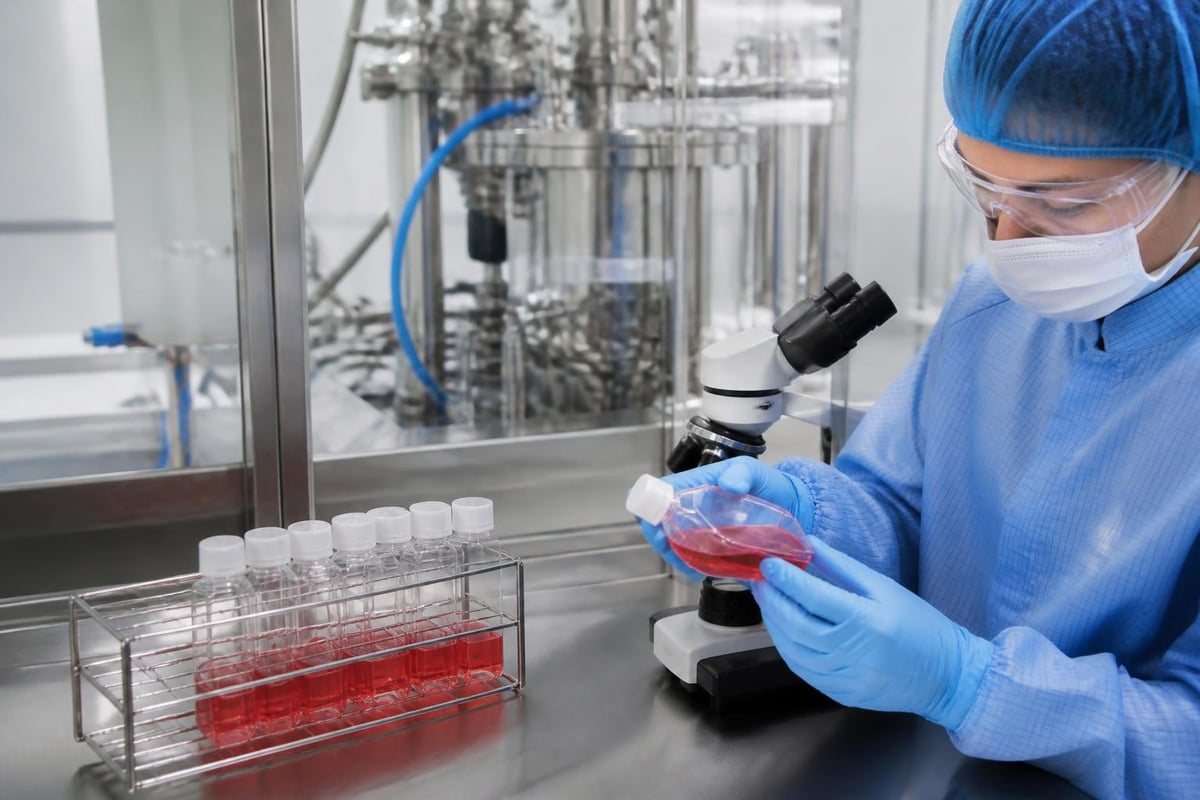
The safety of stem cell therapy depends heavily on the quality and provenance of the cellular product. Pharmaceutical-grade cells undergo:
- Donor screening for infectious diseases and genetic abnormalities
- Manufacturing controls following Good Manufacturing Practice (GMP) standards
- Sterility testing to confirm absence of bacterial, fungal, and viral contamination
- Potency assays to verify cell viability, identity, and functional characteristics
- Endotoxin testing to ensure product purity
Patients should verify that their treatment centre uses cells manufactured to recognized quality standards rather than minimally manipulated products with limited oversight.
Evaluating Treatment Claims and Choosing a Provider
The expanding interest in regenerative medicine has unfortunately led to proliferation of unsubstantiated claims and substandard practices. Patients must approach stem cell therapy for back pain with appropriate scrutiny.
Red Flags and Warning Signs
The ISSCR patient handbook provides essential guidance for evaluating stem cell clinics and identifying concerning practices:
- Cure promises: Claims of guaranteed success or miracle cures
- Multiple conditions: Treatments marketed for dozens of unrelated diseases
- Pressure tactics: Limited-time offers or pressure to commit immediately
- Lack of transparency: Refusal to discuss risks, alternatives, or evidence base
- Unverified credentials: Practitioners without relevant specialization or institutional affiliation
Reputable providers discuss both benefits and limitations, provide access to outcomes data, and integrate stem cell therapy within comprehensive treatment plans.
Essential Questions for Prospective Patients
Before committing to treatment, patients should ask:
- What specific cell type and source will be used?
- How are the cells manufactured and quality tested?
- What published evidence supports this treatment for my specific condition?
- What are the realistic expectations for improvement?
- What are the potential risks and how are complications managed?
- What is the total cost and what does it include?
- How will outcomes be measured and what follow-up is provided?
Providers who respond transparently to these questions demonstrate commitment to evidence-based practice and patient-centred care.
Cost Considerations and Financial Planning
Stem cell therapy for back pain represents a significant financial investment, particularly as most treatments are not covered by insurance in 2026.
Typical Cost Structure
Treatment costs vary widely based on:
- Cell source and manufacturing: Allogeneic vs. autologous products
- Cell dose: Number of cells administered per treatment
- Geographic location: Regional variations in healthcare costs
- Facility standards: Accreditation, quality systems, and safety protocols
- Ancillary services: Imaging, follow-up visits, rehabilitation
Patients should request itemized estimates that clearly delineate all components of care.
Insurance and Reimbursement Landscape
Most insurance plans currently classify stem cell therapy for back pain as experimental or investigational, resulting in limited coverage. Some patients may have partial reimbursement for:
- Diagnostic imaging and consultations
- Post-treatment physical therapy
- Management of complications
Patients should verify their specific policy provisions and obtain pre-authorization where possible.
Realistic Expectations and Treatment Outcomes
Setting appropriate expectations is fundamental to patient satisfaction and treatment success in stem cell therapy for back pain.
Outcome Metrics and Response Patterns
Clinical studies typically assess multiple domains:
- Pain intensity: Measured by Visual Analog Scale (VAS) or Numeric Rating Scale (NRS)
- Functional capacity: Assessed through Oswestry Disability Index (ODI) or similar instruments
- Quality of life: General health questionnaires (SF-36, EQ-5D)
- Return to activities: Work status, exercise capacity, recreational pursuits
- Imaging changes: Disc height, hydration on MRI, though correlation with symptoms is variable
Improvements are typically gradual, with peak effects often observed 3-6 months post-treatment.
Responder Variability and Predictive Factors
Not all patients respond equally to stem cell therapy for back pain. Factors associated with better outcomes include:
- Younger age and shorter symptom duration
- Single-level disease without multi-level degeneration
- Absence of severe mechanical instability
- Compliance with post-treatment rehabilitation
- Absence of significant psychosocial barriers to recovery
Current reviews in Nature examining regenerative approaches for disc degeneration emphasize the heterogeneity of treatment responses and the need for better predictive biomarkers.
Future Directions and Emerging Research
The field of regenerative medicine for spinal conditions continues to evolve rapidly, with several promising developments on the horizon.
Advanced Cell Products and Engineering
Next-generation approaches include:
- Gene-modified cells: MSCs engineered to overexpress specific growth factors or anti-inflammatory molecules
- Exosome therapy: Cell-free products containing the bioactive signaling molecules secreted by stem cells
- Tissue-engineered constructs: Cells combined with biomaterial scaffolds mimicking native disc architecture
- Induced pluripotent stem cells: Potentially unlimited cell sources with controlled differentiation
These technologies remain largely experimental in 2026 but may offer enhanced efficacy and standardization in future years.
Personalized Medicine and Biomarker Development
Ongoing research seeks to identify:
- Genetic markers predicting treatment response
- Inflammatory profiles guiding cell dose and timing
- Imaging biomarkers correlating with clinical outcomes
- Patient-reported outcome measures capturing meaningful change
Personalized treatment algorithms may eventually match specific patient phenotypes with optimal cell products and delivery protocols.
Regulatory Evolution and Quality Standards
As the field matures, regulatory frameworks continue to develop. Key areas of focus include:
- Harmonized manufacturing standards across jurisdictions
- Registry systems tracking long-term safety and effectiveness
- Evidence thresholds for approval and reimbursement
- Enforcement against misleading marketing and substandard practices
These developments will help distinguish legitimate therapies from unproven interventions, protecting patients and supporting responsible innovation.
Integrating Stem Cell Therapy Within Comprehensive Care
Stem cell therapy for back pain should not be viewed as a standalone intervention but rather as one component of holistic spinal care.

Conservative Management Foundation
Before considering regenerative interventions, most patients benefit from:
- Structured physical therapy addressing core stability and movement patterns
- Activity modification and ergonomic optimization
- Weight management reducing axial load
- Anti-inflammatory nutrition and lifestyle factors
- Psychological support for chronic pain management
Stem cell therapy often produces optimal results when these foundational elements are addressed concurrently.
Post-Treatment Optimization
Following cell delivery, rehabilitation plays a crucial role:
- Early phase (0-6 weeks): Relative rest with gradual mobilization
- Intermediate phase (6-12 weeks): Progressive strengthening and flexibility work
- Advanced phase (3-6 months): Return to full activities with ongoing maintenance
- Long-term (6+ months): Continued exercise, postural awareness, and lifestyle optimization
Coordinated care between regenerative medicine specialists, physiotherapists, and primary providers enhances outcomes and supports sustained improvement.
Global Perspectives and Treatment Accessibility
Access to stem cell therapy for back pain varies significantly across regions, influenced by regulatory environments, healthcare systems, and economic factors.
International Treatment Destinations
Patients increasingly pursue treatment internationally, seeking:
- Advanced technologies not yet available domestically
- Lower treatment costs in certain jurisdictions
- Centres with specialized expertise and high case volumes
- Integrated care packages including accommodation and rehabilitation
Bangkok, in particular, has emerged as a prominent destination for regenerative medicine, offering state-of-the-art facilities, experienced practitioners, and pharmaceutical-grade cell products at competitive pricing.
When considering international treatment, patients should evaluate:
- Facility accreditation and quality certifications
- Practitioner credentials and experience
- Communication and language support
- Post-treatment follow-up arrangements
- Travel logistics and recovery accommodations
Stem cell therapy for back pain represents a promising frontier in regenerative medicine, supported by evolving clinical evidence and advancing biotechnology. While not appropriate for every patient, carefully selected individuals with degenerative disc disease may experience meaningful improvements in pain, function, and quality of life. At StemCells21, our Bangkok facility provides personalized regenerative medicine programmes using pharmaceutical-grade umbilical cord-derived mesenchymal stem cells, combining cutting-edge cellular therapies with comprehensive medical support. If you're exploring regenerative options for chronic back pain, our team can help determine whether stem cell therapy aligns with your clinical needs and treatment goals.