
Articular cartilage damage remains one of the most challenging orthopaedic conditions to treat effectively. Unlike many tissues in the body, cartilage has limited intrinsic healing capacity due to its avascular nature and low cell density. For decades, patients with cartilage injuries or degenerative joint diseases faced options ranging from palliative pain management to invasive surgical procedures. Now, stem cell therapy for cartilage regeneration represents a paradigm shift in how clinicians approach joint health, offering a regenerative alternative that addresses the underlying tissue damage rather than merely managing symptoms.
Understanding Cartilage Damage and Repair Challenges
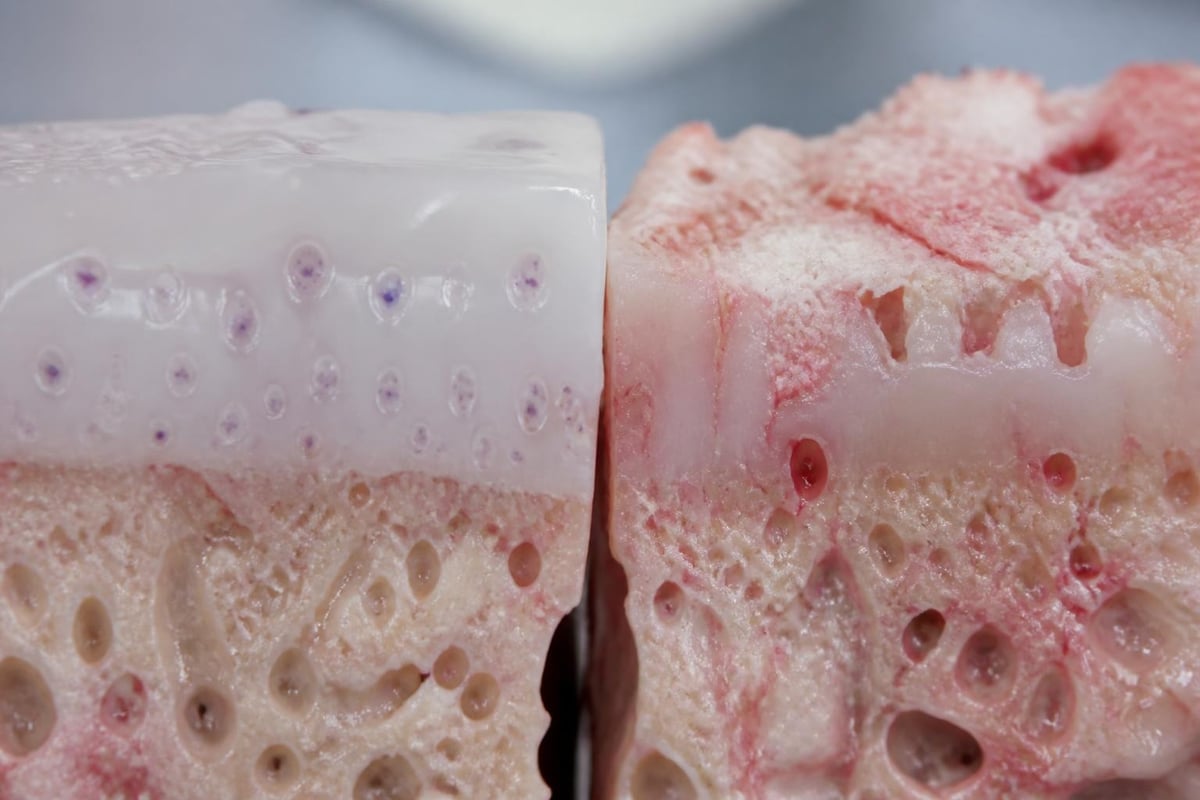
Articular cartilage serves as the smooth, load-bearing surface covering the ends of bones in synovial joints. This specialized tissue enables frictionless movement whilst absorbing mechanical stress during daily activities. When cartilage degrades through trauma, overuse, or degenerative disease, the body's natural repair mechanisms prove insufficient.
Why Traditional Cartilage Cannot Self-Repair
The absence of blood vessels, nerves, and lymphatic channels in mature cartilage creates a challenging environment for healing. Chondrocytes, the cells responsible for maintaining cartilage matrix, remain isolated within their lacunae with limited capacity to proliferate or migrate to sites of injury.
Several factors compound this limitation:
- Lack of progenitor cell recruitment from surrounding tissues
- Minimal inflammatory response to signal repair processes
- Slow metabolic turnover of extracellular matrix components
- Mechanical stress that prevents stable tissue formation
Consequently, even minor cartilage defects tend to progress over time, potentially leading to osteoarthritis and significant disability.
The Science Behind Stem Cell Therapy for Cartilage Regeneration
Stem cell therapy for cartilage regeneration leverages the body's natural healing mechanisms by introducing cells capable of differentiating into chondrocytes and modulating the local tissue environment. Mesenchymal stem cells (MSCs) have emerged as the most widely studied cell type for this application, demonstrating promising results in both laboratory and clinical settings.
Mechanisms of Action in Joint Regeneration
MSCs contribute to cartilage repair through multiple pathways beyond simple cell replacement. When administered into damaged joints, these cells respond to biochemical signals in the local microenvironment.
Paracrine signalling represents one of the most significant mechanisms. MSCs secrete bioactive molecules including growth factors, cytokines, and extracellular vesicles that:
- Reduce inflammatory mediators in the joint space
- Stimulate resident chondrocyte activity
- Promote angiogenesis in surrounding tissues
- Modulate immune responses to prevent further degradation
Direct differentiation into chondrocyte-like cells enables MSCs to integrate into existing cartilage matrix. Under appropriate conditions, these cells produce type II collagen, aggrecan, and other essential matrix proteins that characterise healthy articular cartilage.
| Mechanism | Primary Effect | Clinical Benefit |
|---|---|---|
| Paracrine signalling | Anti-inflammatory cytokine release | Reduced pain and swelling |
| Chondrogenic differentiation | Matrix protein production | Structural tissue repair |
| Immunomodulation | Regulatory T-cell activation | Decreased joint inflammation |
| Trophic support | Growth factor secretion | Enhanced endogenous repair |
Recent research from translational advances in cartilage tissue engineering has clarified how MSCs interact with the host tissue and the importance of creating an optimal microenvironment for successful engraftment.
Cell Sources and Manufacturing Standards
The source of stem cells significantly influences treatment outcomes. Umbilical cord-derived mesenchymal stem cells (UC-MSCs) offer distinct advantages over cells harvested from bone marrow or adipose tissue.
UC-MSCs demonstrate:
- Higher proliferation rates enabling expansion to therapeutic doses
- Greater differentiation potential toward chondrogenic lineages
- Lower immunogenicity reducing rejection risk
- Non-invasive collection without donor site morbidity
Manufacturing quality determines both safety and efficacy. Pharmaceutical-grade production requires extensive characterisation, potency testing, and sterility verification before clinical use. Regulatory frameworks established by organisations such as the European Medicines Agency ensure that stem cell products meet stringent quality standards.
Clinical Applications and Treatment Protocols
Stem cell therapy for cartilage regeneration has progressed from experimental concept to clinical reality, with treatment protocols refined through years of research and patient outcomes. The approach varies depending on the extent of cartilage damage, patient characteristics, and specific joint affected.
Knee Osteoarthritis Treatment
Knee osteoarthritis represents the most common indication for regenerative cartilage therapy. The Cochrane review of stem cell injections for knee osteoarthritis provides evidence-based insights into both benefits and limitations of current approaches.
Intra-articular injection protocols typically involve:
- Pre-treatment assessment including imaging and functional scoring
- Joint preparation with aspiration of excess synovial fluid if indicated
- Cell delivery via ultrasound or fluoroscopic guidance
- Post-injection protocol with modified activity and physiotherapy
- Follow-up monitoring to track tissue regeneration and symptom improvement
Many patients experience gradual improvement over three to six months as new cartilage matrix forms and inflammation subsides. Multiple injection series may enhance outcomes in advanced degenerative disease.

Other Joint Applications
Whilst knee treatments dominate current literature, stem cell therapy for cartilage regeneration extends to multiple anatomical locations:
- Hip joints in early-stage osteoarthritis
- Shoulder cartilage defects from rotator cuff pathology
- Ankle osteochondral lesions following trauma
- Temporomandibular joint degeneration
Each joint presents unique challenges related to biomechanical loading, access for injection, and rehabilitation requirements. Protocols must account for these variables to optimise tissue integration and functional outcomes.
At StemCells21, we offer personalised treatment programmes using pharmaceutical-grade umbilical cord-derived mesenchymal stem cells designed to support joint health, improve mobility, and help patients maintain an active lifestyle under expert medical care.

Advanced Delivery Systems and Tissue Engineering
The effectiveness of stem cell therapy for cartilage regeneration depends not only on cell quality but also on how those cells are delivered and retained at the injury site. Traditional suspension injections face challenges including cell leakage, inadequate retention, and suboptimal differentiation without proper structural support.
Scaffold-Based Approaches
Three-dimensional scaffolds provide a physical framework that guides cell organisation and matrix deposition. These biomaterials mimic the native cartilage environment whilst gradually degrading as new tissue forms.
Common scaffold materials include:
- Natural polymers such as collagen, hyaluronic acid, and chitosan
- Synthetic polymers including polylactic acid and polyglycolic acid derivatives
- Composite systems combining natural and synthetic components
- Decellularised matrices from xenogeneic or allogeneic cartilage
Advanced hydrogels for cartilage tissue engineering offers comprehensive analysis of how these materials support chondrogenesis through mechanical properties, degradation kinetics, and bioactive molecule incorporation.
| Scaffold Type | Advantages | Considerations |
|---|---|---|
| Collagen hydrogels | Biocompatible, promotes cell adhesion | Variable mechanical strength |
| Hyaluronic acid | Native cartilage component | Rapid degradation without crosslinking |
| PLA/PGA polymers | Tuneable mechanical properties | Acidic degradation products |
| Composite systems | Customisable for specific applications | Complex manufacturing requirements |
Growth Factor Enhancement
Combining stem cells with bioactive molecules amplifies regenerative signals. Transforming growth factor-beta (TGF-β) superfamily members, particularly TGF-β3 and bone morphogenetic proteins, drive chondrogenic differentiation.
Delivery strategies include:
- Direct co-administration with cell injection
- Scaffold incorporation for sustained local release
- Genetic modification of cells to secrete factors endogenously
- Platelet-rich plasma as an autologous growth factor source
The synergistic effect of cells, scaffolds, and signalling molecules represents the foundation of modern tissue engineering approaches, as detailed in recent biomedical engineering reviews.
Current Clinical Evidence and Outcomes
The translation of stem cell therapy for cartilage regeneration from bench to bedside requires rigorous evaluation through controlled clinical trials. Hundreds of studies have investigated safety and efficacy, with varying methodologies and outcome measures.
Systematic Review Findings
Multiple systematic reviews and meta-analyses have synthesised data from randomised controlled trials. Key findings include:
Pain reduction: Most studies report statistically significant decreases in visual analogue scale (VAS) scores at six to twelve months post-treatment compared to placebo or conventional therapy.
Functional improvement: Validated instruments such as the Western Ontario and McMaster Universities Osteoarthritis Index (WOMAC) and Knee Injury and Osteoarthritis Outcome Score (KOOS) demonstrate meaningful functional gains.
Structural changes: Magnetic resonance imaging (MRI) reveals increased cartilage thickness and improved tissue quality markers in responders, though changes develop gradually over months.
The stem cell–based cartilage regeneration review provides comprehensive analysis of clinical translation considerations and trial design challenges.
Ongoing Research and Registry Data
Active clinical trials registered on ClinicalTrials.gov continue to refine protocols and identify optimal patient populations. These studies investigate variables including:
- Cell dose and frequency of administration
- Combination with platelet-rich plasma or hyaluronic acid
- Arthroscopic versus percutaneous delivery
- Patient selection criteria based on disease severity
Long-term registry data will clarify durability of treatment effects and identify factors predicting sustained improvement versus symptom recurrence.

Patient Selection and Safety Considerations
Not every patient with cartilage damage represents an ideal candidate for stem cell therapy for cartilage regeneration. Appropriate patient selection maximises benefit whilst minimising unnecessary treatment of individuals unlikely to respond.
Ideal Candidate Characteristics
Several factors predict favourable outcomes:
- Early to moderate cartilage degeneration (Kellgren-Lawrence grades 1-3)
- Focal defects rather than diffuse pan-articular disease
- Preserved joint alignment without significant malalignment
- Absence of inflammatory arthropathies such as rheumatoid arthritis
- Realistic expectations regarding timeline and degree of improvement
Younger patients with post-traumatic cartilage injuries often demonstrate robust responses, whereas advanced osteoarthritis with bone-on-bone contact shows limited regenerative potential.
Safety Profile and Adverse Events
Stem cell therapy for cartilage regeneration demonstrates a favourable safety profile when performed according to established protocols. Reported adverse events typically include:
Minor reactions:
- Temporary injection site discomfort
- Transient joint swelling or effusion
- Mild increase in pain during the first week post-treatment
Rare complications:
- Infection requiring antibiotic therapy (reported in <0.1% of procedures)
- Allergic reactions to processing reagents
- Excessive tissue formation or heterotopic ossification
The World Health Organization guidance on cell therapy products emphasises the importance of appropriate oversight, informed consent, and post-market surveillance to ensure patient safety.
Future Directions in Regenerative Cartilage Medicine
The field of stem cell therapy for cartilage regeneration continues to evolve rapidly, with several promising developments on the horizon that may enhance outcomes and expand treatment accessibility.
Induced Pluripotent Stem Cells
Induced pluripotent stem cells (iPSCs) offer theoretical advantages including unlimited expansion capacity and the potential for genetic correction of underlying defects. Research groups are developing protocols to efficiently differentiate iPSCs into stable chondrocyte populations.
Challenges include:
- Ensuring complete differentiation without residual pluripotent cells
- Preventing teratoma formation
- Establishing cost-effective manufacturing processes
- Navigating complex regulatory pathways for novel cell types
Gene-Editing Technologies
CRISPR-Cas9 and related gene-editing platforms enable precise modification of stem cells to enhance chondrogenic capacity or produce therapeutic molecules. Potential applications include:
- Overexpression of cartilage transcription factors (SOX9, RUNX1)
- Knockdown of inflammatory mediators that inhibit cartilage formation
- Introduction of anti-ageing factors to rejuvenate cell function
- Correction of genetic mutations causing early-onset osteoarthritis
These approaches remain largely preclinical but represent the next frontier in personalised regenerative medicine.
Biomimetic Smart Materials
Next-generation scaffolds incorporate dynamic properties that respond to mechanical loading or biochemical signals. Shape-memory polymers, self-healing hydrogels, and mechanically active materials may better recapitulate the complex biomechanics of native cartilage.
Integration of nanotechnology enables:
- Controlled release systems for sequential growth factor delivery
- Nanofiber alignment to guide collagen organisation
- Conductive materials to apply electrical stimulation
- Sensor integration for real-time monitoring of tissue maturation
| Innovation | Technology | Expected Benefit |
|---|---|---|
| iPSC-derived chondrocytes | Cell reprogramming | Unlimited cell source |
| CRISPR-enhanced MSCs | Gene editing | Improved differentiation |
| 4D-printed scaffolds | Additive manufacturing | Patient-specific geometry |
| Injectable nanofibres | Nanotechnology | Minimally invasive delivery |
Integrating Stem Cell Therapy with Comprehensive Care
Stem cell therapy for cartilage regeneration achieves optimal results when incorporated into a holistic treatment plan addressing all factors affecting joint health. Isolated cellular intervention without attention to biomechanics, nutrition, and lifestyle factors limits long-term success.
Complementary Interventions
Physiotherapy plays a crucial role in rehabilitation following stem cell administration. Controlled loading stimulates chondrocyte activity and matrix organisation whilst preventing excessive stress that could disrupt nascent tissue.
Progressive exercise protocols include:
- Range-of-motion exercises in the early post-treatment phase
- Gradual weight-bearing progression as tolerated
- Neuromuscular training to optimise joint mechanics
- Strengthening of periarticular muscles to reduce cartilage stress
Nutritional optimisation supports tissue regeneration through provision of building blocks and anti-inflammatory compounds. Adequate protein intake, omega-3 fatty acids, vitamin D, and antioxidants create a favourable metabolic environment.
Weight management reduces mechanical loading on weight-bearing joints, decreasing the demand on regenerating cartilage. Even modest weight reduction correlates with improved outcomes in knee osteoarthritis.
Monitoring and Ongoing Management
Regular follow-up enables clinicians to track regenerative progress and adjust treatment plans accordingly. Assessment modalities include:
- Patient-reported outcome measures (pain scales, functional questionnaires)
- Physical examination findings (range of motion, stability, tenderness)
- Advanced imaging (MRI with cartilage-specific sequences)
- Biomarker analysis of synovial fluid when available
Some patients benefit from repeated cell administrations at intervals, particularly in progressive degenerative conditions. Protocol refinement based on individual response patterns personalises the regenerative approach.
Global Perspectives and Regulatory Landscapes
The regulatory environment for stem cell therapy for cartilage regeneration varies considerably across jurisdictions, reflecting different approaches to balancing innovation with patient safety.
International Regulatory Frameworks
European Union: The European Medicines Agency classifies most stem cell products as advanced therapy medicinal products (ATMPs), requiring comprehensive quality, safety, and efficacy data before marketing authorisation.
United States: The Food and Drug Administration (FDA) regulates stem cells as biological products, with enforcement focused on preventing unproven interventions whilst facilitating legitimate clinical research.
Asia-Pacific: Regulatory approaches range from highly permissive frameworks encouraging medical tourism to stringent systems comparable to Western standards. Thailand, where StemCells21 operates, maintains oversight through the Ministry of Public Health and Thai FDA.
Harmonisation efforts through international organisations aim to establish common standards whilst respecting regional differences in healthcare systems and cultural contexts.
Ethical Considerations
Responsible application of stem cell therapy for cartilage regeneration requires attention to ethical principles including:
- Informed consent with realistic discussion of potential benefits and limitations
- Transparency regarding cell sources, processing methods, and evidence base
- Equity of access to prevent creating a two-tiered healthcare system
- Continuing research to generate high-quality evidence supporting clinical practice
Patient advocacy organisations and professional societies have developed guidelines to help patients navigate the complex landscape of regenerative medicine offerings.
Stem cell therapy for cartilage regeneration represents a scientifically grounded approach to addressing one of orthopaedics' most persistent challenges, offering hope to patients who have exhausted conventional options. As research continues to refine protocols and expand our understanding of regenerative mechanisms, this field will increasingly move from specialised centres to mainstream clinical practice. If you're exploring regenerative options for joint health, the team at StemCells21 in Bangkok provides personalised assessment and pharmaceutical-grade stem cell treatment programmes designed to support your individual needs and optimise long-term outcomes.