
Chronic obstructive pulmonary disease (COPD) affects millions of people worldwide, causing progressive breathlessness, persistent coughing, and diminished quality of life. Traditional treatments focus on symptom management, but emerging research into regenerative medicine has opened new possibilities. Stem cell therapy for COPD represents a promising avenue for addressing the underlying tissue damage and inflammation that characterise this progressive respiratory condition. As clinical trials advance and evidence accumulates, patients and clinicians alike are exploring how cellular therapies might complement existing care strategies.
Understanding COPD and Its Impact on Lung Function
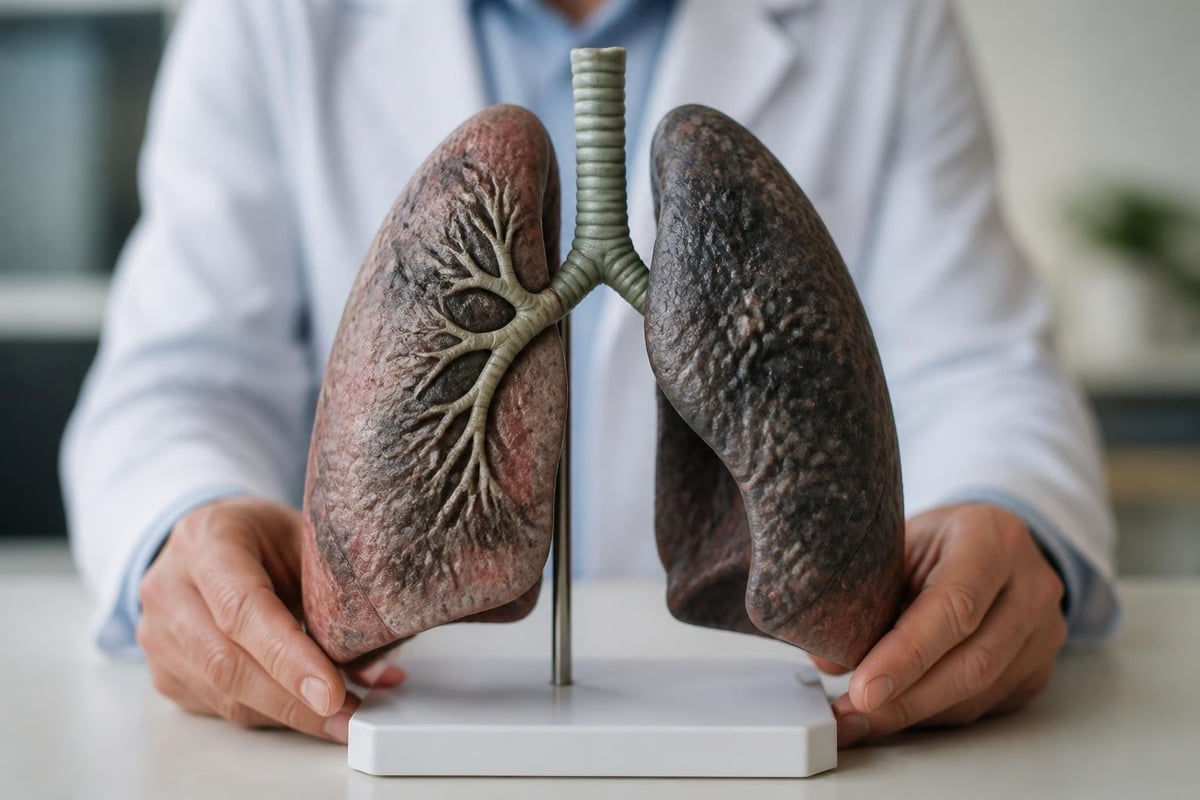
COPD encompasses a group of progressive lung diseases, primarily chronic bronchitis and emphysema, characterised by persistent airflow limitation. The condition develops gradually, often resulting from long-term exposure to irritants such as cigarette smoke, industrial pollutants, or indoor air pollution.
The pathophysiology involves chronic inflammation of the airways, destruction of alveolar structures, and impaired gas exchange. Patients experience:
- Progressive breathlessness during daily activities
- Chronic cough with or without mucus production
- Frequent respiratory infections
- Reduced exercise tolerance and physical capacity
- Systemic effects including muscle wasting and cardiovascular complications
Current standard treatments include bronchodilators, inhaled corticosteroids, pulmonary rehabilitation, oxygen therapy, and in severe cases, surgical interventions. Whilst these approaches can improve symptoms and slow progression, they do not reverse the structural damage to lung tissue.
The Limitations of Conventional COPD Management
Conventional therapies primarily target symptom relief and prevention of acute exacerbations. Bronchodilators open airways temporarily, whilst anti-inflammatory medications reduce swelling and mucus production. However, these pharmacological interventions cannot regenerate destroyed alveolar walls or restore lost lung elasticity.
Oxygen supplementation improves oxygen saturation but does not address underlying tissue damage. Pulmonary rehabilitation enhances functional capacity through exercise training and education, yet the structural abnormalities persist. For end-stage disease, lung transplantation remains the only option, though donor availability and surgical risks limit accessibility.
This therapeutic gap has driven research into regenerative approaches that might actually repair damaged lung tissue rather than simply managing symptoms.
The Science Behind Stem Cell Therapy for COPD
Stem cell therapy for COPD leverages the regenerative and immunomodulatory properties of specific cell types to address tissue damage at its source. Mesenchymal stem cells (MSCs), particularly those derived from umbilical cord tissue, have emerged as the most studied cell type for respiratory applications.
How Mesenchymal Stem Cells Work in Lung Disease
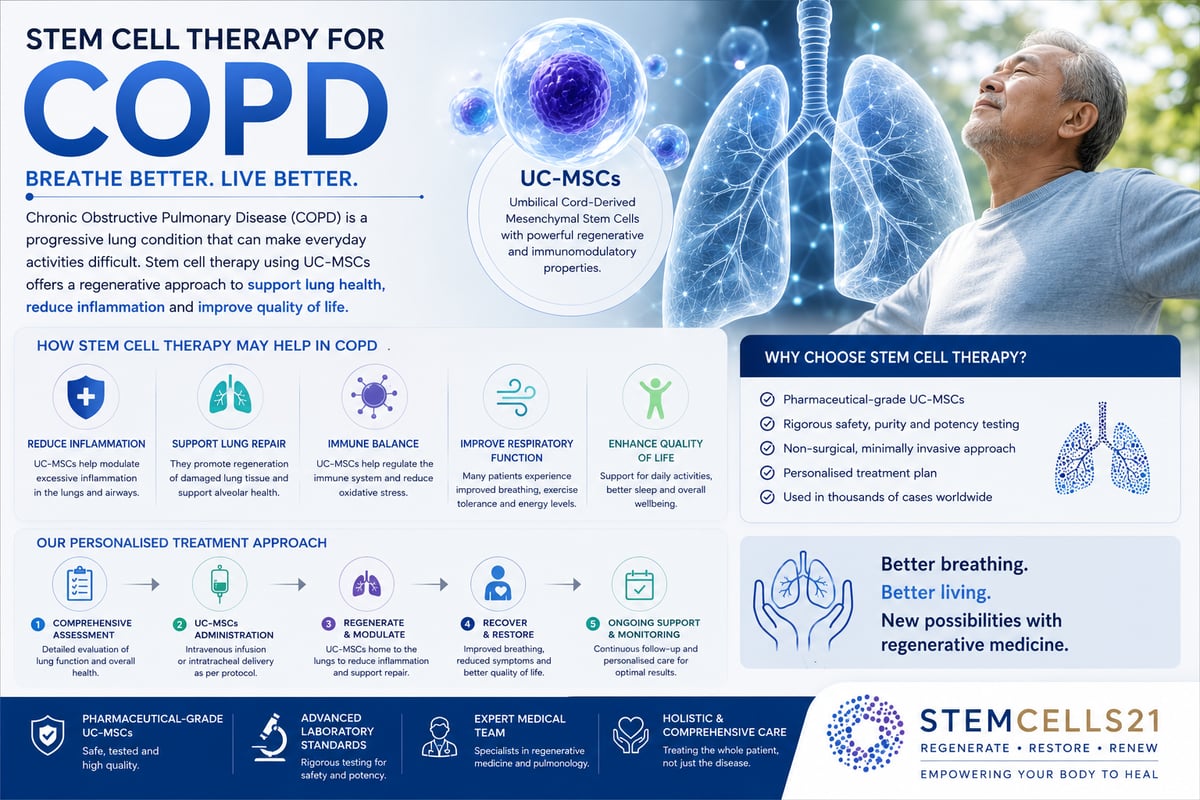
Umbilical cord-derived MSCs possess several mechanisms relevant to COPD pathology:
Anti-inflammatory action: MSCs secrete cytokines and growth factors that modulate immune responses, reducing chronic inflammation in airways and lung parenchyma. This immunomodulation can interrupt the inflammatory cascade that drives disease progression.
Paracrine signalling: Rather than directly replacing damaged cells, MSCs primarily function through secreted factors. These bioactive molecules stimulate resident lung cells to repair and regenerate, promoting tissue homeostasis.
Antioxidant effects: MSCs enhance local antioxidant defences, potentially protecting lung tissue from oxidative stress caused by smoking or environmental pollutants.
| Therapeutic Mechanism | Effect on COPD Pathology | Expected Clinical Benefit |
|---|---|---|
| Immune modulation | Reduces airway inflammation | Decreased exacerbation frequency |
| Growth factor secretion | Supports tissue repair | Improved lung function parameters |
| Antioxidant enhancement | Protects from oxidative damage | Slowed disease progression |
| Anti-fibrotic signalling | Reduces scarring | Better tissue elasticity |
The pharmaceutical-grade manufacturing standards used by specialised centres ensure cell quality, viability, and safety for clinical application.
Delivery Methods and Treatment Protocols
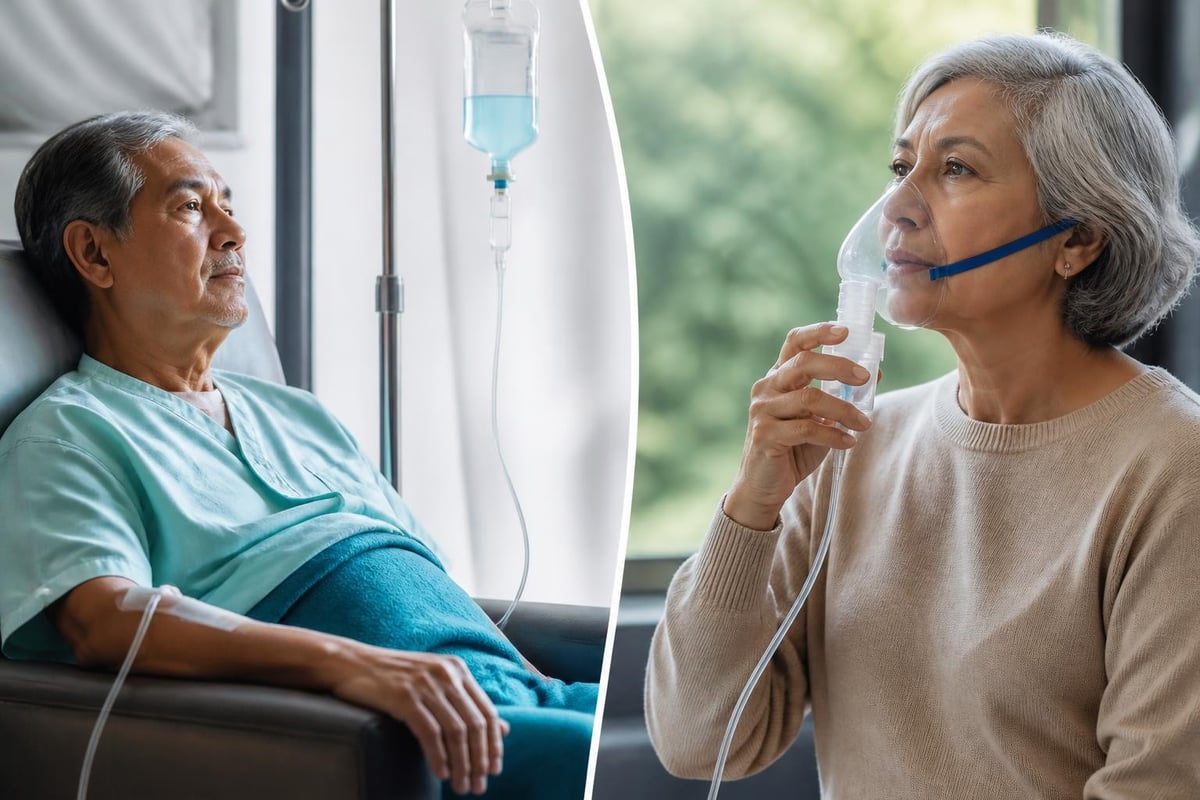
Administering stem cell therapy for COPD requires careful consideration of delivery routes. Intravenous infusion allows systemic distribution, with cells homing to injured lung tissue through chemotactic signals. This approach is minimally invasive and well-tolerated.
Some protocols combine intravenous delivery with nebulised administration, delivering cells directly to the airways. Direct bronchoscopic delivery targets specific lung regions but involves more invasive procedures.
Treatment frequency varies across protocols, with some studies using single administrations whilst others employ multiple doses over several months. Individual patient characteristics, disease severity, and therapeutic goals influence protocol design.
Clinical Evidence and Research Developments
The evidence base for stem cell therapy for COPD continues to expand, with numerous clinical trials registered and underway. Early-phase studies have demonstrated safety and suggested potential efficacy signals.
Key Findings from Clinical Trials
A systematic review and meta-analysis published in 2022 synthesised results from multiple clinical trials evaluating stem cell therapies in COPD patients. The analysis found:
- Improvements in forced expiratory volume (FEV1) in some patient cohorts
- Enhanced six-minute walk distance, indicating better exercise capacity
- Reduced frequency of acute exacerbations in follow-up periods
- Acceptable safety profiles with minimal serious adverse events
More recent investigations detailed in a 2024 review in the Journal of Thoracic Disease have explored optimal cell dosing, timing of intervention, and patient selection criteria. These studies emphasise that responses vary considerably depending on disease stage, comorbidities, and continued exposure to risk factors.
Patient Selection and Prognostic Factors
Not all COPD patients respond identically to cellular therapies. Research suggests several factors influence outcomes:
- Disease severity: Moderate-stage COPD may show better responses than very advanced disease with extensive tissue destruction
- Smoking status: Current smokers demonstrate reduced efficacy compared to those who have ceased tobacco use
- Inflammatory phenotype: Patients with specific inflammatory biomarkers may benefit more significantly
- Comorbidity burden: Concurrent cardiovascular or metabolic diseases can affect regenerative capacity
Personalised treatment planning requires comprehensive assessment of these variables alongside lung function testing and imaging studies.
Safety Considerations and Regulatory Standards
As with any medical intervention, stem cell therapy for COPD must meet rigorous safety and quality standards. International regulatory bodies have established frameworks governing cellular therapy development and clinical application.
The WHO guidance on cell therapy products provides comprehensive standards for manufacture, quality control, and clinical oversight. These guidelines ensure that therapeutic cells meet defined criteria for identity, purity, potency, and safety before patient administration.
Manufacturing Quality and Cell Characterisation
Pharmaceutical-grade stem cell production involves:
- Donor screening and informed consent protocols
- Sterile processing in controlled cleanroom environments
- Extensive quality testing including viability, sterility, and endotoxin assays
- Cryopreservation protocols that maintain cell functionality
- Batch documentation and traceability systems
Patient safety protocols during administration include pre-treatment screening, vital sign monitoring during infusion, and structured follow-up schedules to detect any adverse events. Serious complications remain rare in published studies, with most reported effects being transient and self-limiting.
Ethical and Policy Frameworks
The NIH stem cell research policy outlines ethical principles governing human stem cell research and clinical translation. These frameworks ensure informed consent, protect vulnerable populations, and maintain scientific integrity throughout the research continuum.
Patients considering stem cell therapy for COPD should verify that their chosen clinic adheres to these established standards and operates under appropriate regulatory oversight.
Integrating Stem Cell Therapy into Comprehensive COPD Care
Stem cell therapy for COPD does not replace conventional medical management but rather complements existing treatments. Optimal outcomes emerge from integrated care approaches that address multiple aspects of the disease.
Multidisciplinary Treatment Planning
A comprehensive COPD management programme alongside cellular therapy typically includes:
Pharmacological optimisation: Continued use of evidence-based medications including bronchodilators and anti-inflammatory agents ensures symptom control during and after stem cell administration.
Pulmonary rehabilitation: Exercise training, breathing techniques, and nutritional support enhance functional capacity and may improve the tissue environment for cellular engraftment and regeneration.
Risk factor modification: Smoking cessation remains paramount, as continued tobacco exposure undermines regenerative processes and perpetuates inflammation.
Nutritional support: Adequate protein intake and micronutrient status support tissue repair mechanisms and immune function.
For patients seeking regenerative approaches for COPD and related conditions, COPD Stem Cell Treatment programmes using pharmaceutical-grade umbilical cord-derived mesenchymal stem cells are designed to support immune balance, reduce inflammation, and promote lung health within comprehensive medical care frameworks.
| Treatment Component | Role in COPD Management | Synergy with Stem Cell Therapy |
|---|---|---|
| Bronchodilators | Symptom relief, improved airflow | Maintains airways open for cellular delivery |
| Anti-inflammatories | Reduces acute inflammation | Complements MSC immunomodulation |
| Rehabilitation | Enhances exercise capacity | Improves tissue perfusion and oxygenation |
| Oxygen therapy | Corrects hypoxaemia | Supports cellular metabolism and repair |
| Nutritional support | Addresses muscle wasting | Provides substrate for tissue regeneration |

Monitoring Outcomes and Long-term Follow-up
Assessing response to stem cell therapy for COPD requires structured monitoring using validated outcome measures:
Spirometry: Serial lung function testing tracks changes in FEV1, forced vital capacity (FVC), and other parameters reflecting airflow limitation.
Exercise tolerance: Six-minute walk tests and cardiopulmonary exercise testing quantify functional capacity improvements.
Quality of life: Standardised questionnaires such as the COPD Assessment Test (CAT) or St George's Respiratory Questionnaire capture patient-reported symptoms and wellbeing.
Exacerbation frequency: Documenting acute episodes requiring medical intervention or hospitalisation indicates disease stability.
Imaging studies: High-resolution CT scans may reveal structural changes in lung parenchyma, though interpreting regenerative changes remains challenging.
Follow-up protocols typically extend for at least 12 months post-treatment, with some studies continuing observation for several years to assess durability of benefit.
Patient Expectations and Realistic Outcomes
Setting appropriate expectations is crucial when discussing stem cell therapy for COPD with patients. Whilst research shows promise, this remains an evolving field with variable individual responses.
What Patients Might Experience
Patients undergoing treatment should understand several key points:
Timeline of effects: Improvements may not be immediate. Some patients report symptomatic changes within weeks, whilst others experience gradual improvements over several months as tissue remodelling occurs.
Magnitude of benefit: Complete restoration of normal lung function is unrealistic, especially in advanced disease. More modest improvements in breathlessness, exercise capacity, and exacerbation frequency represent clinically meaningful outcomes.
Need for continued medical care: Stem cell therapy does not eliminate the need for ongoing COPD management. Medications, rehabilitation, and lifestyle modifications remain essential.
Individual variability: Responses differ based on disease severity, comorbidities, genetic factors, and adherence to comprehensive care plans. Some patients experience substantial benefits whilst others see minimal changes.
Transparent communication between patients and medical teams helps align expectations with realistic possibilities whilst maintaining hope for improved quality of life.
Choosing a Reputable Treatment Centre
Given the expanding interest in regenerative medicine, patients must carefully evaluate potential treatment centres. Key considerations include:
- Evidence of pharmaceutical-grade cell manufacturing and quality systems
- Affiliation with or adherence to international regulatory standards
- Transparent communication about expected outcomes and limitations
- Comprehensive pre-treatment assessment and personalised protocol design
- Structured follow-up and outcome monitoring
- Published research contributions or participation in registered clinical trials
Specialised centres such as StemCells21 in Bangkok combine advanced regenerative medicine expertise with rigorous quality standards and personalised treatment planning.
Future Directions in COPD Regenerative Medicine
Research into stem cell therapy for COPD continues to evolve, with several promising avenues under investigation.
Emerging Technologies and Combination Approaches
Genetic enhancement: Researchers are exploring genetically modified MSCs engineered to produce higher levels of specific growth factors or anti-inflammatory molecules, potentially amplifying therapeutic effects.
Combination cellular therapies: Some protocols investigate combining MSCs with other cell types, such as endothelial progenitor cells, to address both parenchymal damage and vascular abnormalities in COPD.
Biomaterial scaffolds: Injectable hydrogels or tissue engineering constructs may provide structural support whilst delivering cells, potentially enhancing engraftment and persistence.
Personalised cell dosing: Advanced biomarker profiling could enable tailored cell doses based on individual inflammatory status and disease characteristics.
Biomarker Development for Treatment Response
Identifying predictive biomarkers remains a priority. Blood or sputum markers indicating inflammatory phenotype, oxidative stress levels, or regenerative capacity might help predict which patients will benefit most from cellular therapies.
Imaging biomarkers using advanced CT techniques or PET scanning could visualise areas of active inflammation or tissue repair, guiding treatment decisions and monitoring responses more sensitively than conventional spirometry.
Expanding Access Through Clinical Trials
Numerous registered clinical trials continue enrolling patients worldwide, investigating various cell types, doses, and delivery methods. Participation in these studies provides access to cutting-edge therapies whilst contributing to the evidence base that will guide future clinical practice.
As research matures and regulatory pathways clarify, stem cell therapy for COPD may transition from experimental treatment to established clinical option for selected patient populations.
The Role of Patient Engagement and Self-Management
Successful outcomes with stem cell therapy for COPD require active patient participation in their own care. Beyond receiving cellular treatment, patients must engage in behaviours that optimise their respiratory health.
Critical Lifestyle Factors
Smoking cessation: No factor undermines regenerative potential more than continued tobacco use. Comprehensive cessation support including pharmacotherapy and behavioural counselling should precede cellular therapy.
Physical activity: Regular exercise, ideally within a structured pulmonary rehabilitation programme, enhances cardiovascular fitness, muscle strength, and potentially creates a more favourable environment for tissue repair.
Infection prevention: Vaccinations against influenza and pneumococcus, along with hand hygiene and avoiding crowds during peak respiratory illness seasons, reduce exacerbation risk.
Medication adherence: Consistent use of prescribed inhalers and other medications maintains stability and controls symptoms during the regenerative process.
Nutritional optimisation: Adequate caloric intake with sufficient protein supports tissue repair, whilst micronutrients including vitamins C, D, and antioxidants may facilitate cellular function.
Patients who actively engage in these self-management strategies alongside cellular therapy typically report better outcomes than those who rely solely on the intervention itself.
Understanding Costs and Healthcare Investment
Stem cell therapy for COPD represents a significant healthcare investment, and patients should understand the financial considerations involved.
Treatment costs vary widely depending on cell source, manufacturing standards, treatment protocol complexity, and geographic location. Pharmaceutical-grade cell production, comprehensive medical assessment, and extended follow-up contribute to overall expenses.
Currently, most cellular therapies for COPD remain investigational and are not covered by standard insurance plans. Patients often bear out-of-pocket costs, making financial planning essential.
When evaluating value, consider:
- Quality and safety standards of the facility and cell product
- Comprehensiveness of assessment and follow-up care
- Experience and expertise of the medical team
- Realistic communication about expected outcomes
- Inclusion of supportive therapies such as rehabilitation
Lower-cost alternatives that lack proper quality systems or medical oversight may pose safety risks and are unlikely to deliver meaningful clinical benefits. The regenerative medicine field requires investment in proper infrastructure, expertise, and quality assurance to ensure patient safety and therapeutic efficacy.
Stem cell therapy for COPD represents a promising frontier in regenerative medicine, offering potential benefits through anti-inflammatory effects, tissue repair signalling, and improved lung function. Whilst research continues to evolve and individual responses vary, comprehensive programmes that combine cellular therapy with conventional medical management, rehabilitation, and lifestyle optimisation provide the best framework for meaningful outcomes. If you're exploring regenerative approaches for COPD or other chronic conditions, StemCells21 in Bangkok offers pharmaceutical-grade stem cell therapies within personalised treatment programmes designed to support your health goals under expert medical care.