
Degenerative disc disease affects millions of adults worldwide, causing chronic back pain, reduced mobility, and diminished quality of life. Traditional treatment approaches have focused on symptom management through medication, physical therapy, or surgical intervention, yet these methods often fail to address the underlying tissue degeneration. Stem cell therapy for degenerative disc disease represents a paradigm shift in how clinicians approach spinal health, offering the potential to regenerate damaged intervertebral disc tissue rather than simply managing symptoms. As regenerative medicine advances, patients now have access to innovative biological therapies that target the root causes of disc degeneration, inflammation, and pain.
Understanding Degenerative Disc Disease at the Cellular Level
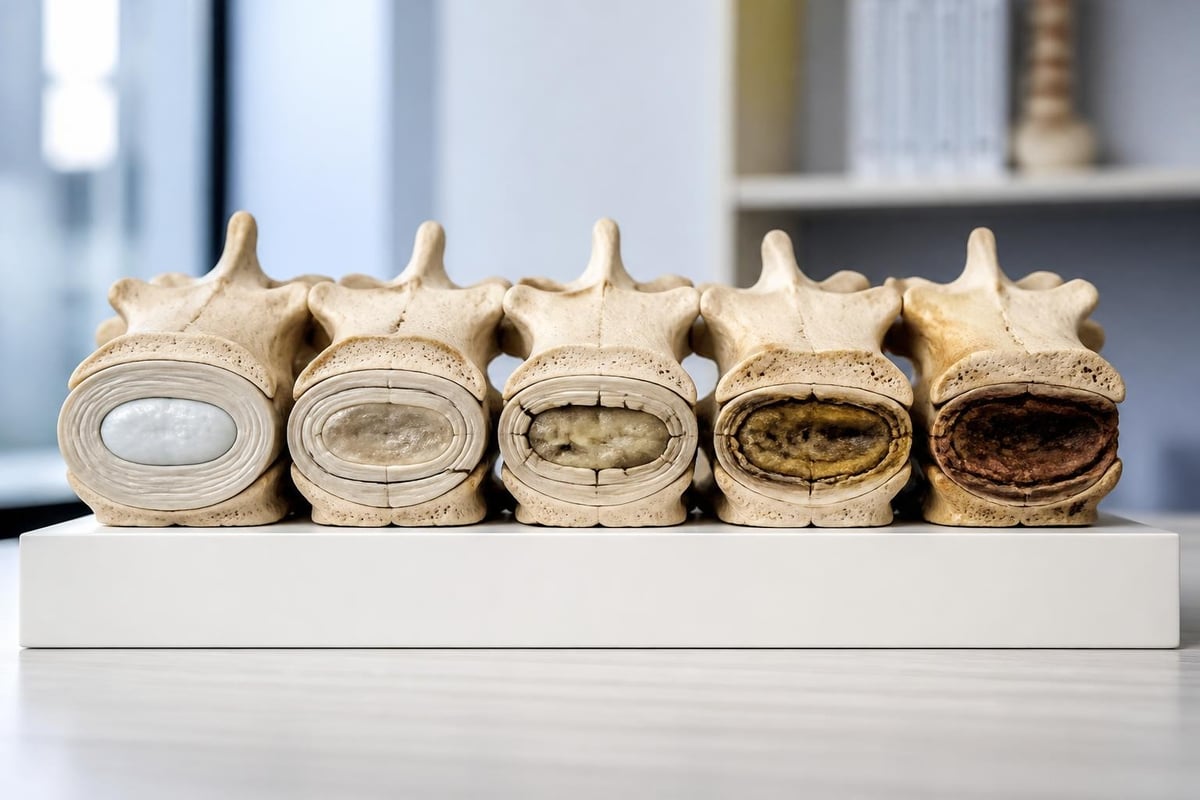
Degenerative disc disease is not technically a disease but rather an age-related condition characterised by the progressive deterioration of intervertebral discs. These discs serve as cushions between vertebrae, absorbing shock and allowing spinal flexibility.
The condition develops when the nucleus pulposus-the gel-like centre of the disc-loses hydration and elasticity. This degeneration triggers a cascade of biological changes including reduced disc height, annular tears, inflammation, and eventually nerve compression. Research into nucleus pulposus cell senescence has revealed critical molecular mechanisms driving disc degeneration, providing therapeutic targets for regenerative interventions.
Key Pathological Changes
Several interconnected factors contribute to disc degeneration:
- Loss of proteoglycans and water content in the nucleus pulposus
- Decreased nutrient supply due to endplate calcification
- Inflammatory cytokine production within the disc microenvironment
- Cellular senescence and reduced regenerative capacity
- Mechanical stress leading to structural compromise
The progression typically occurs over years or decades, though injury, genetics, and lifestyle factors can accelerate degeneration. By the time symptoms appear, significant structural damage has often occurred.
How Stem Cell Therapy Works for Disc Regeneration
Stem cell therapy for degenerative disc disease leverages the regenerative properties of mesenchymal stem cells (MSCs) to address tissue damage at its source. These specialised cells possess unique capabilities that make them particularly suitable for treating spinal conditions.
Mesenchymal stem cells demonstrate three primary therapeutic mechanisms. First, they secrete bioactive molecules that modulate inflammation and create a favourable healing environment. Second, they can differentiate into disc cells, potentially replacing damaged nucleus pulposus and annulus fibrosus tissue. Third, they stimulate endogenous repair processes by activating the body's own regenerative pathways.
Mechanisms of Action in the Intervertebral Disc
| Therapeutic Mechanism | Biological Effect | Clinical Benefit |
|---|---|---|
| Anti-inflammatory signalling | Reduces pro-inflammatory cytokines (IL-1β, TNF-α) | Decreased pain and swelling |
| Trophic factor secretion | Promotes cell survival and tissue homeostasis | Enhanced disc cell viability |
| Matrix synthesis | Increases proteoglycan and collagen production | Improved disc structure and hydration |
| Immunomodulation | Balances local immune response | Reduced autoimmune-like inflammation |
The comprehensive review on cell-based therapies for intervertebral disc degeneration details how these mechanisms translate into clinical outcomes. When delivered directly into the affected disc, MSCs can potentially reverse some degenerative changes whilst preventing further deterioration.
Understanding what stem cells are and their fundamental biology helps patients appreciate why these cells offer such promising therapeutic potential for conditions involving tissue damage.
Clinical Evidence and Research Outcomes
The evidence base for stem cell therapy for degenerative disc disease has expanded considerably over recent years, with multiple clinical trials demonstrating safety and preliminary efficacy signals. A systematic review and meta-analysis of randomised trials assessing intradiscal mesenchymal stem cell therapy has provided valuable insights into treatment outcomes across different patient populations.
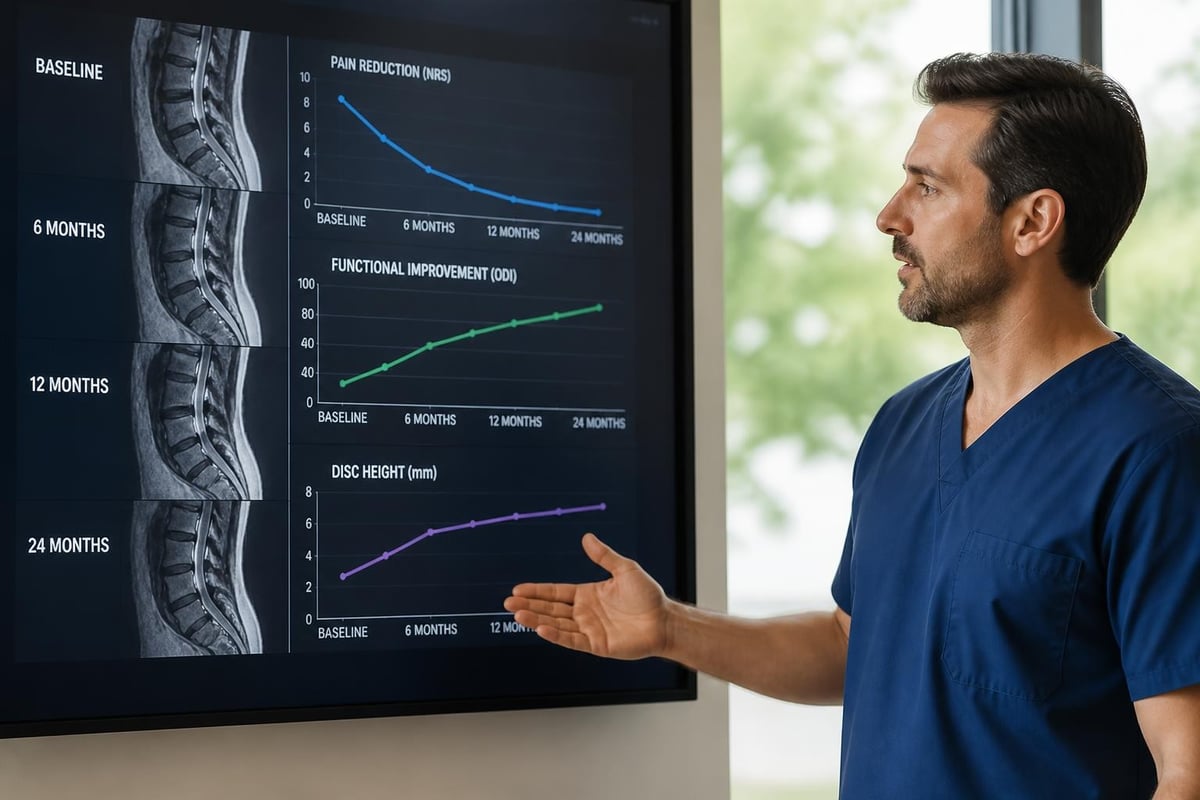
Early-phase clinical trials have reported improvements in pain scores, functional disability measures, and quality of life metrics following intradiscal stem cell injection. Whilst results vary across studies due to differences in cell sources, dosing protocols, and patient selection criteria, the overall safety profile appears favourable.
Published Clinical Trial Results
Current research demonstrates several consistent findings:
- Pain reduction: Patients typically report decreased Visual Analogue Scale (VAS) scores within 3-6 months post-treatment
- Functional improvement: Enhanced Oswestry Disability Index (ODI) scores indicating better daily function
- Disc height preservation: Some studies show stabilisation or modest increases in disc height on imaging
- Safety: Low incidence of serious adverse events when proper protocols are followed
- Durability: Benefits often persist for 12-24 months, though longer-term data remains limited
A recent clinical trial registered on ClinicalTrials.gov exemplifies the rigorous methodology now being applied to evaluate intradiscal cell therapy, with standardised endpoints and appropriate control groups.
Types of Stem Cells Used in Disc Treatment
Not all stem cells are equivalent in their therapeutic potential for spinal applications. Different cell sources offer distinct advantages and limitations that influence treatment selection.
Comparison of Cell Sources
| Cell Type | Source | Advantages | Considerations |
|---|---|---|---|
| Bone marrow MSCs | Patient's iliac crest | Autologous, well-studied | Requires harvest procedure, age-dependent quality |
| Adipose-derived MSCs | Fat tissue | Abundant source, easy collection | Variable differentiation capacity |
| Umbilical cord MSCs | Donated cord tissue | Young cells, high potency, off-the-shelf | Allogeneic (requires proper screening) |
| Induced pluripotent stem cells | Reprogrammed adult cells | Theoretically unlimited, customisable | Still largely experimental for disc disease |
Umbilical cord-derived mesenchymal stem cells have emerged as a preferred option for many regenerative medicine practitioners due to their robust proliferative capacity and consistent quality. These cells are obtained ethically from donated tissue following healthy births and manufactured to pharmaceutical standards.
The stem cell and bone marrow relationship highlights important differences between various cell sources and their clinical applications. Understanding these distinctions helps patients make informed decisions about treatment approaches.
For spinal conditions specifically, pharmaceutical-grade umbilical cord-derived MSCs offer several advantages. Their youthful phenotype means they retain strong differentiation potential and secretory activity. Additionally, allogeneic cells can be extensively tested for quality and safety before clinical use, ensuring consistent therapeutic doses.
Treatment Protocols and Administration Methods
The practical delivery of stem cell therapy for degenerative disc disease requires careful planning and execution. Treatment protocols vary based on disease severity, patient characteristics, and institutional practices.
Intradiscal Injection Procedure
The most common administration route involves direct injection into the nucleus pulposus under fluoroscopic or CT guidance. This targeted approach delivers cells precisely where regeneration is needed whilst minimising systemic exposure.
The procedure typically follows these steps:
- Patient assessment including imaging review and suitability evaluation
- Pre-treatment preparation with appropriate sterile protocols
- Image-guided needle placement into the target disc space
- Cell suspension injection at predetermined volume and concentration
- Post-procedure monitoring and activity modification guidance
Most patients undergo the procedure as an outpatient with local anaesthesia, though sedation may be offered for comfort. The entire process typically takes 30-60 minutes from preparation to completion.
Dosing and Treatment Frequency
Optimal cell dosing remains an active area of investigation, with most protocols using between 10 million and 100 million cells per disc. Higher doses do not necessarily produce superior outcomes, and finding the therapeutic sweet spot requires balancing efficacy with safety considerations.
Treatment may involve:
- Single injection: One-time administration with long-term monitoring
- Sequential treatments: Multiple sessions spaced 3-6 months apart
- Combination therapy: Cells plus growth factors or biomaterials
- Adjunctive interventions: Concurrent physical therapy or nutritional support
StemCells21 offers Spine Stem Cell Treatment using pharmaceutical-grade umbilical cord-derived mesenchymal stem cells designed specifically for degenerative spine conditions. Their personalised treatment programmes combine precise intradiscal delivery with comprehensive support protocols to optimise the body's natural repair processes and improve functional outcomes.

Patient Selection and Candidacy Criteria
Not every individual with degenerative disc disease represents an ideal candidate for stem cell therapy. Appropriate patient selection maximises the likelihood of beneficial outcomes whilst minimising unnecessary risk or expense.
Ideal Candidate Characteristics
The most suitable candidates typically present with:
- Confirmed disc degeneration on MRI showing preserved disc height (not complete collapse)
- Chronic pain lasting at least 3-6 months despite conservative management
- Adequate disc structure with sufficient nucleus pulposus remaining
- No active infection or systemic inflammatory conditions
- Realistic expectations about potential outcomes and timelines
Patients with severe spinal instability, complete disc desiccation, or significant nerve compression may require alternative interventions. Similarly, those with unrealistic expectations about "miracle cures" benefit from thorough counselling about what regenerative medicine can and cannot achieve.
Contraindications and Exclusions
Certain conditions may preclude stem cell therapy:
- Active malignancy or recent cancer history
- Uncontrolled metabolic disorders affecting wound healing
- Severe osteoporosis with compression fractures
- Pregnancy or planned pregnancy
- Allergy to components in the cell preparation
Comprehensive medical evaluation helps identify these factors before treatment planning proceeds. Just as patients maintain overall health through preventive care-including regular visits to facilities like Dental Plus Clinic for oral health maintenance-spinal health requires a holistic approach where regenerative therapies complement broader wellness strategies.
Safety Considerations and Regulatory Framework
Patient safety remains paramount as stem cell therapies transition from research protocols to clinical practice. Understanding the regulatory landscape helps ensure treatments meet appropriate quality and safety standards.
The International Society for Stem Cell Research guidelines provide authoritative recommendations for ethical stem cell research and clinical translation. These standards address critical issues including informed consent, quality control, and realistic communication of potential benefits and risks.
Safety Profile and Adverse Events
Published clinical data indicates stem cell therapy for degenerative disc disease demonstrates a generally favourable safety profile when administered by qualified practitioners using appropriate protocols. Common mild adverse events include:
- Temporary injection site discomfort
- Transient increase in back pain (typically resolving within days)
- Muscle soreness or stiffness
- Mild headache
Serious complications remain rare but can include infection, bleeding, or neurological injury related to the injection procedure itself rather than the cells. Proper sterile technique and image guidance minimise these procedural risks.
Quality Assurance and Manufacturing Standards
The therapeutic potential of stem cells depends heavily on manufacturing quality. Pharmaceutical-grade production includes:
- Donor screening for infectious diseases and genetic disorders
- Cell culture in controlled, validated clean-room environments
- Potency testing to confirm cellular functionality
- Sterility verification through rigorous microbiological testing
- Identity confirmation using molecular markers
These quality control measures distinguish legitimate medical-grade treatments from substandard preparations offered by less scrupulous providers. Patients should enquire about manufacturing standards, third-party testing, and regulatory compliance when evaluating treatment options.
Integration with Conventional Spine Care
Stem cell therapy for degenerative disc disease functions most effectively as part of comprehensive spine care rather than as an isolated intervention. Integration with established medical practices optimises outcomes.
Complementary Conservative Treatments
Regenerative cellular therapy works synergistically with:
- Physical therapy to strengthen supporting musculature and improve biomechanics
- Weight management to reduce mechanical stress on degenerated discs
- Postural training to minimise harmful loading patterns
- Nutritional optimisation supporting tissue healing and inflammation modulation
- Pain management during the regenerative period
Understanding stem cell differentiation helps explain why environmental factors like mechanical loading and biochemical signals influence treatment success. Cells respond to their microenvironment, meaning patient behaviour and concurrent therapies matter.
When Surgery May Still Be Necessary
Regenerative approaches aim to delay or avoid surgical intervention, but some situations still require conventional procedures:
| Condition | Regenerative Approach | Surgical Consideration |
|---|---|---|
| Early degeneration | First-line option | Generally unnecessary |
| Moderate degeneration | Strong candidate | Reserved for failures |
| Severe collapse | Limited benefit | Often required |
| Nerve compression | Adjunct therapy | May need decompression |
| Spinal instability | Insufficient alone | Fusion often needed |
The goal is matching treatment to disease severity and individual patient factors. Regenerative medicine expands the treatment arsenal but does not eliminate the need for traditional approaches in appropriate cases.
Future Directions and Emerging Technologies
The field of regenerative spine care continues evolving rapidly, with several promising developments on the horizon. Research published in journals like Frontiers in Medicine tracks emerging trends and publication patterns in mesenchymal stem cell applications for disc degeneration.
Next-Generation Approaches
Investigators are exploring:
- Biomaterial scaffolds that provide structural support whilst cells regenerate tissue
- Gene-modified cells engineered to express specific growth factors
- Exosome therapy using cell-secreted vesicles rather than whole cells
- Combination biologics pairing cells with platelet-rich plasma or other factors
- Precision medicine matching treatment protocols to individual molecular profiles
These innovations may enhance efficacy, reduce treatment burden, or expand the range of patients who can benefit from regenerative interventions.
Standardisation and Protocol Optimisation
Current challenges include significant protocol heterogeneity across centres, making it difficult to compare outcomes or establish definitive best practices. Future priorities include:
- Consensus on optimal cell doses and dosing intervals
- Standardised outcome measures for clinical trials
- Biomarkers predicting treatment response
- Cost-effectiveness analyses to guide resource allocation
- Long-term registry data tracking durability of benefits
As the evidence base matures, clearer treatment algorithms will emerge to guide clinical decision-making and ensure patients receive the most appropriate interventions for their specific circumstances.
Global Access and Treatment Considerations
The availability of stem cell therapy for degenerative disc disease varies considerably across geographic regions due to differences in regulatory frameworks, healthcare infrastructure, and treatment costs.
International Treatment Options
Some patients travel internationally to access regenerative therapies either unavailable in their home country or offered at more accessible price points. Key considerations for medical tourism include:
- Regulatory environment in the destination country
- Facility accreditation and quality certifications
- Physician qualifications and specialised training
- Follow-up care coordination with local providers
- Legal recourse in case of complications
Reputable international centres operate with the same rigorous standards as leading institutions anywhere, whilst others may offer substandard care. Due diligence protects patient safety and investment.
Cost and Insurance Coverage
Treatment costs vary widely based on:
- Cell source and manufacturing complexity
- Number of discs treated
- Facility overhead and geographic location
- Included services (imaging, follow-up, rehabilitation)
Most insurance programmes do not yet cover regenerative spine treatments, considering them investigational. However, as evidence accumulates and regulatory approvals advance, coverage policies may evolve. Patients should verify financial obligations upfront and explore payment options.
The StemCells21 facility in Bangkok provides transparent pricing and comprehensive treatment packages that include pre-treatment assessment, cell therapy administration, and post-treatment monitoring, making advanced regenerative care accessible to international patients seeking high-quality options.
Stem cell therapy for degenerative disc disease represents a significant advancement in regenerative spine care, offering patients a biologically based approach to address the root causes of pain and dysfunction rather than merely managing symptoms. As clinical evidence continues to accumulate and treatment protocols become increasingly refined, regenerative interventions are establishing themselves as valuable options within the comprehensive care continuum for spinal degeneration. If you're considering stem cell therapy for your degenerative disc condition, StemCells21 offers personalised regenerative medicine programmes using pharmaceutical-grade mesenchymal stem cells, backed by rigorous quality standards and delivered by experienced specialists dedicated to improving patient outcomes.