
Cardiovascular disease remains the leading cause of mortality worldwide, with millions of patients suffering from conditions ranging from myocardial infarction to chronic heart failure. Traditional treatments, whilst effective at managing symptoms, often cannot reverse the fundamental damage to cardiac tissue. This limitation has driven researchers and clinicians towards regenerative approaches, with stem cell therapy for heart disease emerging as one of the most promising frontiers in modern cardiology. Understanding how these therapies work, their current evidence base, and what patients can realistically expect is essential for anyone considering this innovative treatment pathway.
Understanding Cardiac Damage and Regenerative Potential
The heart's limited ability to self-repair after significant injury presents one of medicine's greatest challenges. When a heart attack occurs, millions of cardiac muscle cells die within hours, replaced by scar tissue that cannot contract or conduct electrical signals effectively. This permanent damage progressively weakens the heart's pumping capacity.
Why Traditional Treatments Have Limitations
Current standard treatments for heart disease focus on prevention and symptom management rather than tissue regeneration. Medications can control blood pressure, reduce cholesterol, and prevent clot formation, whilst surgical interventions like bypass grafting restore blood flow. However, none of these approaches can restore dead cardiac muscle or reverse existing scar tissue.
The clinical need for regenerative solutions becomes particularly evident in patients with:
- Advanced heart failure with reduced ejection fraction
- Large areas of myocardial scarring post-infarction
- Ischaemic cardiomyopathy unresponsive to conventional therapy
- Poor candidacy for transplantation due to age or comorbidities
The Science Behind Stem Cell Therapy for Heart Disease
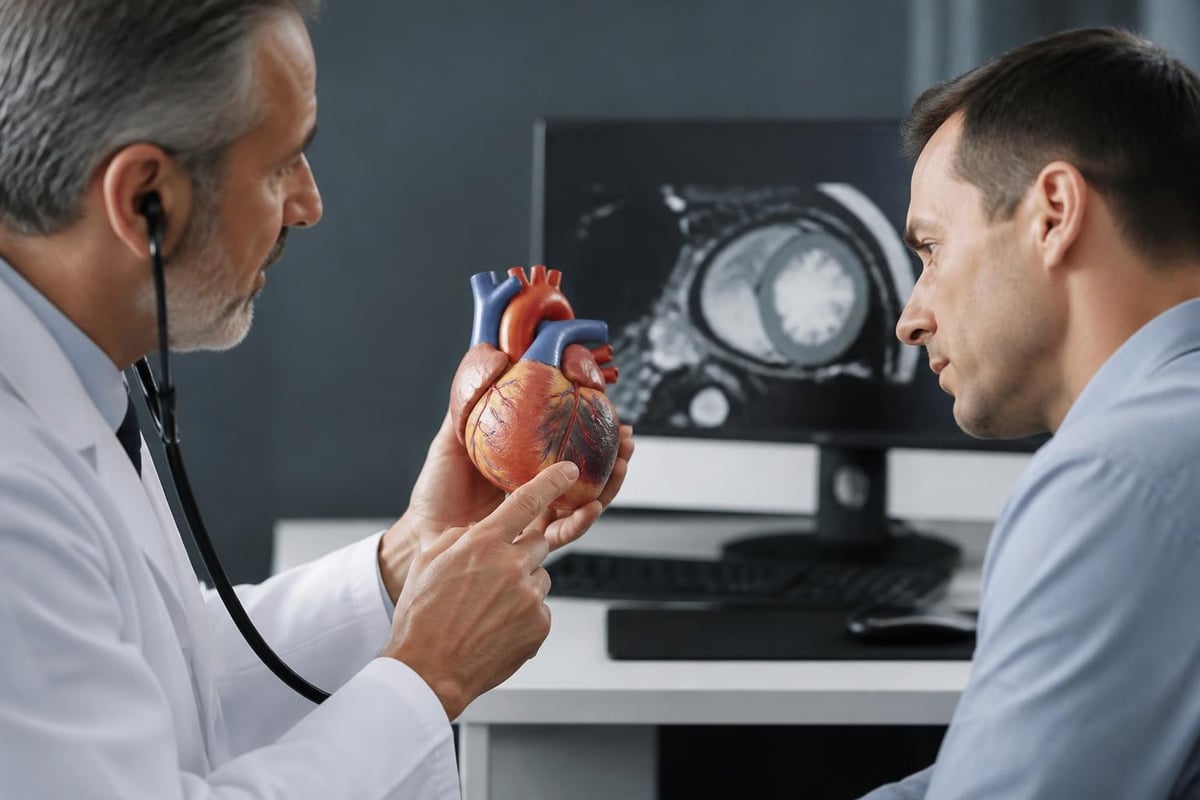
Stem cell therapy for heart disease operates through multiple biological mechanisms rather than simply replacing damaged cells. Recent systematic reviews of clinical trials have helped clarify how different cell types contribute to cardiac repair and functional improvement.
Primary Mechanisms of Action
Paracrine Signalling: Stem cells secrete growth factors, cytokines, and extracellular vesicles that stimulate the heart's own repair processes. These signalling molecules can activate resident cardiac stem cells, promote angiogenesis, and reduce harmful inflammation.
Immune Modulation: Mesenchymal stem cells possess powerful immunomodulatory properties, helping to calm the excessive inflammatory response that exacerbates cardiac damage following infarction. This reduction in inflammation creates a more favourable environment for healing.
Tissue Remodelling: By secreting specific matrix metalloproteinases and their inhibitors, stem cells can influence how scar tissue forms and matures, potentially limiting adverse remodelling that leads to heart failure progression.
| Mechanism | Primary Effect | Clinical Benefit |
|---|---|---|
| Paracrine signalling | Stimulates endogenous repair | Improved ventricular function |
| Angiogenesis | New blood vessel formation | Enhanced perfusion to ischaemic areas |
| Anti-inflammatory | Reduces destructive inflammation | Limits infarct expansion |
| Anti-apoptotic | Prevents cardiac cell death | Preserves viable myocardium |
Research published in genetically modified stem cell approaches demonstrates how scientists are enhancing these natural mechanisms through targeted genetic modifications, potentially amplifying therapeutic effects.
Types of Stem Cells Used in Cardiac Therapy
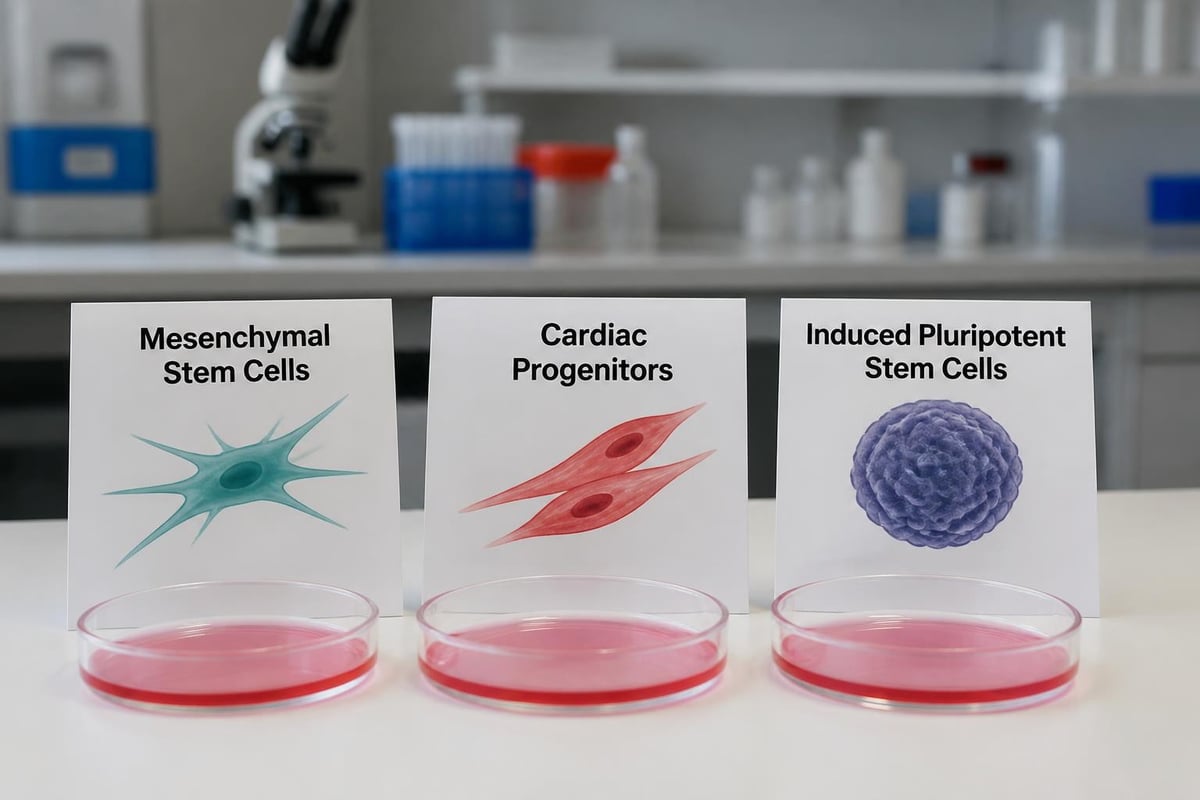
Not all stem cells offer the same benefits for heart disease, and understanding the distinctions helps patients make informed decisions about treatment options. The field has evolved significantly since early trials, with clearer evidence now supporting specific cell types.
Mesenchymal Stem Cells
Umbilical cord-derived mesenchymal stem cells (UC-MSCs) have emerged as a preferred option for cardiac applications due to their robust paracrine activity and excellent safety profile. These cells demonstrate strong anti-inflammatory and pro-angiogenic properties without the ethical concerns associated with embryonic sources.
At facilities like StemCells21, pharmaceutical-grade UC-MSCs undergo rigorous quality testing to ensure optimal viability and potency before clinical administration. The standardisation of cell manufacturing protocols has significantly improved consistency across treatments.
Cardiac Stem Cells and Progenitors
Cardiac-derived stem cells, harvested from the patient's own heart tissue, were once considered ideal candidates. However, clinical trials have shown more modest benefits than initially anticipated, with some studies questioning their true regenerative capacity in aged or diseased hearts.
Induced Pluripotent Stem Cells
iPSCs represent cutting-edge technology, capable of differentiating into genuine cardiac muscle cells. Whilst promising in laboratory settings, clinical translation faces significant hurdles including arrhythmia risk and tumour formation concerns that require resolution before widespread adoption.
Clinical Evidence and Trial Outcomes
The evidence base for stem cell therapy for heart disease has matured considerably, with hundreds of clinical trials now completed or ongoing. The ClinicalTrials.gov registry lists numerous active studies investigating various protocols, cell types, and patient populations.
What Meta-Analyses Reveal
Large-scale meta-analyses consistently demonstrate modest but significant improvements in left ventricular ejection fraction, typically ranging from 2-4% above control groups. Whilst this may seem small, such improvements can meaningfully impact quality of life and reduce hospitalisations in heart failure patients.
Key findings from recent systematic reviews include:
- Greater benefits observed when cells are delivered early after myocardial infarction
- Intracoronary delivery often outperforms intramyocardial injection
- Higher cell doses correlate with improved outcomes up to a threshold
- Effects appear durable for at least 12-24 months post-treatment
- Safety profiles remain excellent with minimal serious adverse events
The Nature Reviews Cardiology collection provides comprehensive analysis of where the field stands, highlighting both achievements and remaining challenges.
Limitations in Current Evidence
Despite encouraging results, stem cell therapy for heart disease has not yet achieved the transformative regeneration initially envisioned. Variability in trial designs, cell preparation methods, and patient selection makes direct comparisons difficult. Many studies remain underpowered, and long-term survival benefits beyond five years require further investigation.
Treatment Protocols and Delivery Methods
The effectiveness of stem cell therapy for heart disease depends significantly on how cells are delivered to the heart. Each approach offers distinct advantages and limitations based on patient anatomy, disease stage, and institutional expertise.
Intracoronary Infusion
This minimally invasive technique involves threading a catheter through peripheral arteries to coronary vessels, then infusing stem cells directly into the blood supply feeding damaged cardiac tissue. The procedure resembles standard angiography, making it familiar to interventional cardiologists.
Advantages: Well-tolerated, can target specific territories, allows precise cell delivery to ischaemic zones.
Considerations: Requires patent coronary arteries, some cell loss through systemic circulation, potential for microvascular obstruction with high cell concentrations.
Intramyocardial Injection
Direct injection into heart muscle can be performed during open-heart surgery or via catheter-based endocardial approaches. This method achieves high local cell retention but requires greater technical expertise.
| Delivery Method | Invasiveness | Cell Retention | Best Suited For |
|---|---|---|---|
| Intracoronary | Low | Moderate | Acute MI, multi-vessel disease |
| Intramyocardial (surgical) | High | High | Patients undergoing CABG |
| Intramyocardial (catheter) | Moderate | High | Chronic heart failure |
| Intravenous | Very low | Low | Systemic inflammation, multiple conditions |
Typical Treatment Course
A comprehensive stem cell therapy for heart disease programme typically begins with thorough cardiac assessment including echocardiography, MRI, and functional testing. Cell delivery occurs during a planned procedure, followed by monitoring for immediate complications. Patients usually remain under observation for 24-48 hours before discharge, with structured follow-up extending 12 months or longer to assess functional improvements and safety outcomes.
Patient Selection and Eligibility Criteria
Not every heart disease patient represents an ideal candidate for stem cell therapy. Careful patient selection optimises outcomes whilst managing expectations appropriately. Understanding eligibility criteria helps patients determine whether this approach suits their specific situation.
Ideal Candidates
Recent myocardial infarction patients (within weeks to months of the event) often show the most robust responses, as stem cells can modulate acute inflammatory processes and limit infarct expansion. Similarly, chronic heart failure patients with reduced ejection fraction who have exhausted conventional options may benefit from the modest functional improvements stem cells provide.
Patients should demonstrate:
- Stable clinical status without active infection or malignancy
- Reasonable life expectancy beyond 12 months
- Adequate ventricular wall thickness for cell retention
- Realistic expectations aligned with evidence-based outcomes
- Commitment to post-procedure monitoring and rehabilitation
Contraindications and Cautions
Certain conditions preclude stem cell therapy or require special consideration. Active systemic infections, uncontrolled arrhythmias, severe renal or hepatic dysfunction, and recent malignancies typically exclude patients from treatment. Very advanced heart failure with minimal viable myocardium may offer limited benefit, as severely scarred tissue provides poor substrate for regenerative processes.
Understanding broader applications of MSC therapy helps contextualise how these treatments address multiple conditions beyond cardiac disease, often through similar immunomodulatory and regenerative mechanisms.
Safety Profile and Potential Risks
One of stem cell therapy's most reassuring aspects for heart disease is its excellent safety record across hundreds of clinical trials. Serious adverse events directly attributable to cell administration remain exceptionally rare, though patients should understand potential risks.
Short-Term Safety Considerations
Procedure-related complications mirror those of standard cardiac catheterisation: bleeding at access sites, arrhythmias during cell delivery, and very rarely coronary dissection or perforation. These risks relate to the delivery method rather than the cells themselves.
Immediate cellular reactions including transient fever, inflammatory markers elevation, or temporary arrhythmias occur occasionally but typically resolve spontaneously within hours. Careful monitoring during and immediately after cell administration allows prompt management of any concerns.
Long-Term Safety Data
Multi-year follow-up studies have found no increased rates of:
- Malignancy or tumour formation
- Autoimmune disease development
- Cardiac arrhythmias beyond baseline risk
- Accelerated atherosclerosis
- Other unexpected complications
The safety profile appears particularly strong for mesenchymal stem cells compared to more differentiated cell types. Pharmaceutical-grade manufacturing under GMP conditions, as practised by specialist facilities, further minimises contamination or quality-related risks.

Cost Considerations and Accessibility
Stem cell therapy for heart disease represents a significant investment, with costs varying considerably based on geographic location, facility standards, cell type, and treatment protocols. Understanding the financial landscape helps patients plan appropriately.
Factors Influencing Treatment Costs
Cell manufacturing and quality control constitute substantial expenses. Pharmaceutical-grade mesenchymal stem cells require sophisticated laboratory facilities, rigorous testing, and quality assurance programmes that ensure safety and potency. These processes demand specialised expertise and equipment.
Medical procedure costs include physician fees, facility charges, anaesthesia, imaging guidance, and post-procedure monitoring. Comprehensive cardiac programmes often incorporate advanced diagnostics like cardiac MRI to assess baseline function and track improvements.
Geographic variation significantly impacts pricing, with treatments in certain regions offering excellent quality at lower costs due to differences in operational expenses and regulatory frameworks.
Insurance and Reimbursement
Most insurance providers currently classify stem cell therapy for heart disease as experimental or investigational, limiting coverage. Some patients access treatment through clinical trials, which typically cover procedure costs whilst advancing scientific knowledge. Private payment remains the norm for those seeking therapy outside research protocols.
Future Directions and Emerging Technologies
The field continues evolving rapidly, with several promising developments potentially transforming how stem cell therapy for heart disease is delivered and understood. Staying informed about these advances helps patients and clinicians anticipate future options.
Enhanced Cell Engineering
Scientists are developing "next-generation" stem cells with superior survival, homing abilities, and therapeutic potency. Genetic modifications can equip cells with specific growth factors, improve their resistance to the harsh post-infarction environment, or enhance their paracrine signalling capacity.
Emerging approaches include:
- Preconditioning cells with hypoxia or pharmacological agents
- Genetic overexpression of key growth factors or survival genes
- Combining cells with biomaterial scaffolds for better retention
- Developing "off-the-shelf" allogeneic products for immediate availability
Combination Therapies
Rather than stem cells alone, researchers increasingly investigate synergistic combinations. Pairing cell therapy with specific pharmacological agents, targeted gene therapy, or tissue engineering approaches may amplify benefits beyond what any single intervention achieves.
The integration of stem cell therapy with broader regenerative medicine strategies, as explored through stem cell regenerative approaches, represents a holistic framework for addressing degenerative conditions across multiple organ systems.
Precision Medicine Applications
Advanced imaging, genetic profiling, and biomarker analysis will enable more precise patient selection, identifying those most likely to respond favourably. Understanding individual variation in inflammatory profiles, endogenous repair capacity, and disease mechanisms allows tailored treatment protocols optimised for each patient's unique biology.
What Patients Should Ask Their Care Team
Engaging in informed discussions with medical professionals ensures patients understand what stem cell therapy for heart disease can realistically offer. Prepared questions facilitate productive consultations and help align expectations with evidence.
Essential Questions to Consider
-
What specific outcomes does evidence suggest for patients with my cardiac condition? Request data relevant to your ejection fraction, infarct age, and comorbidities rather than generalised success rates.
-
Which cell type and delivery method do you recommend, and why? Understanding the rationale behind specific protocol choices reveals the programme's evidence-based approach.
-
What is your facility's experience and outcomes data? Institutions should transparently share their patient volumes, complication rates, and functional improvement statistics.
-
How will treatment success be measured and monitored? Clear outcome metrics (ejection fraction changes, functional capacity, symptom scores) and follow-up schedules demonstrate systematic evaluation.
-
What are the realistic expectations for my specific situation? Honest discussions about likely modest improvements versus transformative regeneration help avoid disappointment.
Red Flags to Watch For
Be cautious of programmes making extraordinary claims unsupported by published evidence, refusing to discuss risks or limitations, lacking proper accreditation, or pressuring immediate decisions. Reputable facilities encourage second opinions and provide time for thoughtful consideration.
Integrating Stem Cell Therapy with Comprehensive Cardiac Care
Stem cell therapy for heart disease should complement, not replace, proven medical and lifestyle interventions. The most successful outcomes occur when regenerative approaches integrate into holistic cardiac rehabilitation programmes.
Optimising Conventional Therapies
Continuing guideline-directed medical therapy remains essential. Beta-blockers, ACE inhibitors, statins, and antiplatelet agents provide established benefits that stem cells cannot replicate. Similarly, addressing modifiable risk factors through smoking cessation, diabetes management, and blood pressure control creates conditions favouring regenerative success.
Cardiac Rehabilitation and Lifestyle Modification
Structured exercise programmes, nutritional counselling, and stress management significantly impact cardiac function and quality of life. These interventions work synergistically with cellular therapies, potentially enhancing stem cell survival and paracrine effects through improved tissue perfusion and reduced systemic inflammation.
Core components of comprehensive care:
- Regular aerobic and resistance exercise tailored to cardiac capacity
- Mediterranean or similar heart-healthy dietary patterns
- Weight optimisation for overweight patients
- Psychological support addressing anxiety and depression
- Sleep quality improvement and stress reduction techniques
Understanding how regenerative medicine addresses various degenerative conditions, as detailed in information about bone marrow stem cells, provides broader context for how these therapies support tissue repair across different systems.
Global Perspectives and Regulatory Landscape
The regulatory environment for stem cell therapy for heart disease varies significantly worldwide, influencing access, quality standards, and patient protections. Understanding these differences helps patients navigate international treatment options safely.
Regulatory Frameworks
In Europe and the United States, stem cell therapies face rigorous regulatory oversight requiring extensive clinical trial evidence before approval. This ensures safety and efficacy but limits availability outside research settings. Other regions offer more flexible frameworks, allowing earlier access whilst potentially accepting different evidence standards.
Key regulatory considerations include:
- GMP (Good Manufacturing Practice) compliance for cell production
- Clinical trial phase and regulatory status
- Institutional accreditation and quality certifications
- Transparency of outcomes reporting
- Patient rights and recourse mechanisms
Medical Tourism Considerations
Many patients travel internationally for stem cell therapy for heart disease, seeking access unavailable domestically or reduced costs. Whilst legitimate high-quality programmes exist globally, patients must carefully evaluate facilities, verify credentials, and understand that geographic distance complicates follow-up care and complication management.
Thorough research, independent verification of claims, and consultation with domestic cardiologists before committing to international treatment helps ensure safe, appropriate care decisions.
Stem cell therapy for heart disease represents a promising complement to conventional cardiac care, offering modest but meaningful improvements in ventricular function and quality of life for carefully selected patients. Whilst not yet the transformative cure once envisioned, ongoing research continues refining protocols and identifying ideal candidates. For patients exploring regenerative options, partnering with experienced specialists ensures evidence-based, personalised treatment aligned with realistic expectations. StemCells21 offers comprehensive cardiac stem cell programmes utilising pharmaceutical-grade mesenchymal stem cells, advanced diagnostics, and expert medical oversight to support your heart health journey within our Bangkok facility's regenerative medicine framework.