
Pulmonary fibrosis represents one of the most challenging respiratory conditions facing modern medicine, characterized by progressive scarring of lung tissue that irreversibly compromises breathing capacity. As conventional treatments offer limited disease modification, researchers and clinicians have turned their attention to regenerative medicine approaches. Stem cell therapy for pulmonary fibrosis has emerged as a promising investigational avenue, with early-phase clinical trials exploring whether these specialized cells can slow or potentially reverse the fibrotic process. This evolving field combines cutting-edge cellular biology with the urgent clinical need for treatments that address the underlying mechanisms rather than merely managing symptoms.
Understanding Pulmonary Fibrosis and Current Treatment Limitations
Pulmonary fibrosis encompasses a group of lung disorders where the delicate alveolar tissue becomes progressively replaced by thick, stiff scar tissue. This scarring process, known as fibrosis, impairs oxygen transfer and reduces lung compliance, leading to breathlessness, persistent dry cough, and exercise intolerance.
The most common form, idiopathic pulmonary fibrosis (IPF), has no identifiable cause and typically affects individuals over 60 years of age. The disease progression varies considerably between patients, but median survival from diagnosis traditionally ranges from three to five years without transplantation.
Current Therapeutic Options
Approved antifibrotic medications such as nintedanib and pirfenidone can slow disease progression in some patients but cannot reverse existing damage. These drugs work through multiple mechanisms:
- Inhibiting growth factor signaling pathways that promote fibrosis
- Reducing inflammatory mediator production
- Slowing the deposition of extracellular matrix proteins
- Partially preserving lung function decline
However, neither medication restores normal lung architecture or significantly improves quality of life. Lung transplantation remains the only curative option, yet donor scarcity, surgical risks, and post-transplant complications limit its applicability. This substantial treatment gap has intensified research into regenerative treatment modalities that might address the root pathology.
Mechanisms Behind Stem Cell Therapy for Pulmonary Fibrosis
The therapeutic rationale for stem cell therapy for pulmonary fibrosis rests on several proposed biological mechanisms. Mesenchymal stem cells (MSCs), the most extensively studied cell type in this context, do not simply replace damaged lung tissue. Instead, they exert therapeutic effects through paracrine signaling and immunomodulation.

Key Biological Pathways
MSCs secrete numerous bioactive molecules that influence the fibrotic environment:
- Anti-inflammatory cytokines that dampen chronic inflammation
- Growth factors supporting endogenous repair processes
- Antifibrotic mediators that inhibit myofibroblast activation
- Extracellular vesicles carrying RNA and proteins that modify recipient cell behavior
Research published in Nature Reviews Drug Discovery demonstrates that fibrosis across multiple organs shares common molecular pathways, including transforming growth factor-beta (TGF-β) signaling and aberrant wound healing responses. MSCs can potentially interrupt these pathways at multiple points.
The cells also exhibit homing capacity, migrating toward injured tissue in response to inflammatory signals. However, this homing efficiency in pulmonary fibrosis remains modest, prompting researchers to explore engineered cellular modifications that enhance lung targeting and retention.
| Therapeutic Mechanism | Proposed Effect | Evidence Strength |
|---|---|---|
| Immunomodulation | Reduces pathological inflammation | Moderate (preclinical + early trials) |
| Paracrine signaling | Supports endogenous repair | Moderate (preclinical) |
| Antifibrotic secretome | Inhibits scar formation | Limited (mainly preclinical) |
| Direct differentiation | Replaces damaged cells | Weak (minimal evidence) |
Clinical Trial Evidence and Current Research Landscape
The clinical trial landscape for stem cell therapy for pulmonary fibrosis has evolved considerably over the past decade. Early-phase studies have primarily focused on safety, with secondary outcomes exploring potential efficacy signals through pulmonary function tests, exercise capacity, and quality-of-life measures.
Representative Clinical Studies
The AETHER trial stands as one of the more rigorous investigations, employing a randomized, placebo-controlled design to evaluate intravenous allogeneic MSCs in idiopathic pulmonary fibrosis patients. This Phase 2 study assessed safety as the primary endpoint, with lung function decline and inflammatory biomarkers as secondary measures.
A systematic review published in 2025 examined the totality of evidence across both preclinical models and human trials. The analysis revealed:
- Most human studies remain Phase 1 or early Phase 2
- Safety profiles generally appear acceptable in carefully selected patients
- Efficacy signals remain inconsistent and require larger confirmatory trials
- Optimal cell type, dose, delivery route, and timing remain undefined
Another comprehensive review from 2024 questioned whether current evidence sufficiently supports stem cell therapy as a viable clinical approach outside research settings, highlighting significant translational challenges.
Cell Sources and Manufacturing Considerations
Different MSC sources have been investigated, each with distinct characteristics:
- Bone marrow-derived MSCs: Historically most studied; autologous or allogeneic
- Adipose-derived MSCs: Easier to harvest in larger quantities
- Umbilical cord-derived MSCs: Younger cells with potentially greater proliferative capacity
- Placental MSCs: Similar advantages to cord-derived cells
Manufacturing standards profoundly impact clinical outcomes. Pharmaceutical-grade production with rigorous quality testing ensures cell viability, purity, and consistency across treatment batches.
Safety Considerations and Regulatory Perspective
Patient safety remains paramount when evaluating any experimental therapy, particularly one involving living cellular products. While early-phase trials suggest stem cell therapy for pulmonary fibrosis may have an acceptable safety profile in selected populations, important considerations persist.
Documented Safety Signals
Short-term adverse events reported across trials include:
- Transient fever or flu-like symptoms following infusion
- Temporary worsening of breathlessness
- Infusion-related reactions (rare)
- Theoretical concerns about inappropriate cell proliferation
Long-term safety data remain limited, as most trials have followed patients for 12-24 months at most. The durability of any therapeutic effect and potential delayed complications require extended observation periods.
Professional Society Guidance
Major medical organizations have issued clear recommendations regarding stem cell therapies for lung diseases. The American Thoracic Society statement emphasizes that such treatments should only be administered within properly designed clinical trials with institutional review board oversight and informed consent.
The Pulmonary Fibrosis Foundation’s position statement provides patient-focused guidance, strongly cautioning against pursuing stem cell treatments outside clinical trial settings where safety monitoring and scientific rigor can be ensured.
Risks of Unproven Commercial Treatments
The promise of regenerative medicine has unfortunately spawned a concerning proliferation of unregulated clinics offering stem cell treatments for pulmonary fibrosis and other conditions without adequate evidence or oversight. The Pulmonary Fibrosis Foundation has updated its warning to patients about these direct-to-consumer offerings.
Red Flags for Patients
Individuals considering stem cell therapy should be wary of providers who:
- Guarantee results or promise cures
- Offer treatment outside established clinical trial frameworks
- Lack transparent manufacturing and quality control standards
- Provide minimal baseline assessment or follow-up monitoring
- Market treatments through testimonials rather than peer-reviewed evidence
Financial exploitation represents another serious concern, as unproven treatments may cost tens of thousands of pounds whilst offering no genuine therapeutic benefit and potentially causing harm.
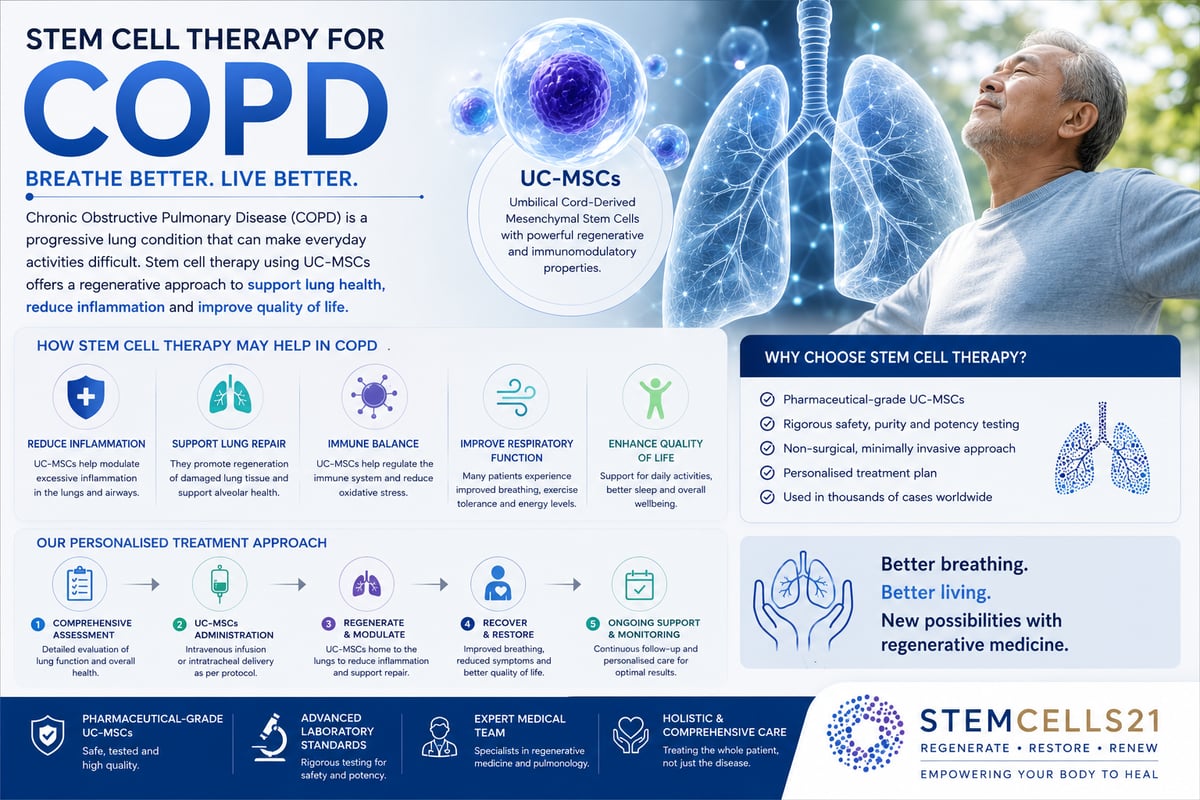
For patients with chronic obstructive pulmonary disease, a related respiratory condition, COPD stem cell treatment programmes at established facilities use pharmaceutical-grade umbilical cord-derived mesenchymal stem cells manufactured to rigorous quality standards, with personalized protocols designed to support immune balance and lung health under expert medical supervision.
Personalized Treatment Protocols and Patient Selection
Assuming stem cell therapy for pulmonary fibrosis advances to wider clinical use, treatment personalization will prove essential. Not all patients with pulmonary fibrosis are identical, and therapeutic response likely varies based on disease stage, phenotype, and individual biological factors.
Critical Selection Criteria
Appropriate patient selection for clinical trials currently considers:
| Selection Factor | Typical Criteria | Rationale |
|---|---|---|
| Disease severity | Mild to moderate impairment | Preserve sufficient lung function to detect benefit |
| Progression rate | Recent documented decline | Identify patients likely to worsen without intervention |
| Age and comorbidities | Generally younger, fewer complications | Reduce confounding factors and safety risks |
| Concurrent medications | Stable antifibrotic therapy | Minimize variable medication changes |
| Infection status | No active respiratory infections | Prevent treatment-related complications |
Treatment Administration Protocols
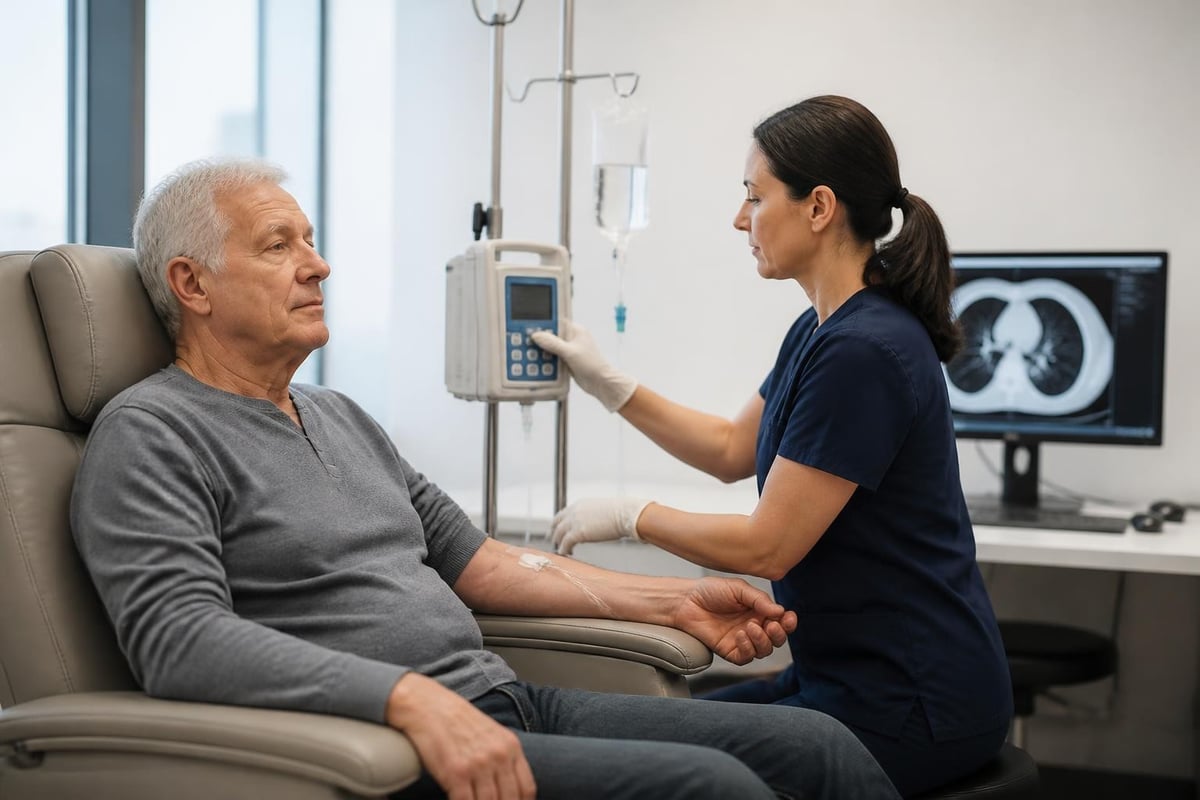
Delivery methods significantly impact cellular distribution and retention. Current approaches include:
- Intravenous infusion: Systemic delivery allowing broad distribution
- Intratracheal/bronchoscopic delivery: Direct airway administration targeting lung tissue
- Combination approaches: Multiple routes to optimize cell delivery
Dosing regimens vary considerably across trials, ranging from single administrations to multiple infusions over several months. The optimal therapeutic dose remains unknown and likely differs by cell source and patient characteristics.
Future Directions and Enhanced Cellular Approaches
The field of stem cell therapy for pulmonary fibrosis continues evolving rapidly, with next-generation strategies addressing current limitations. Researchers recognize that first-generation approaches may require substantial refinement before achieving meaningful clinical impact.
Cell Engineering Strategies
Several innovative modifications aim to enhance therapeutic potency:
- Genetic modification to overexpress specific antifibrotic factors
- Priming protocols exposing cells to inflammatory signals before administration
- Surface receptor enhancement improving lung homing and retention
- Extracellular vesicle therapy using cell-derived exosomes rather than whole cells
These advanced approaches build upon foundational knowledge from stem cell regenerative research whilst addressing translational challenges identified in early trials.
Combination Therapeutic Strategies
Future protocols may combine cellular therapy with:
- Antifibrotic medications to create synergistic effects
- Targeted immunomodulatory drugs addressing specific pathways
- Biomarker-guided treatment adjustments based on individual response
- Rehabilitation programmes maximizing functional capacity
The integration of precision medicine approaches, identifying which patients most likely benefit from cellular therapy, represents another critical research frontier.
Quality Standards and Manufacturing Excellence
As the field matures, manufacturing standards become increasingly critical. The therapeutic potential of stem cell therapy for pulmonary fibrosis depends not only on biological mechanisms but also on the quality, consistency, and characterization of cellular products.
Pharmaceutical-Grade Cell Production
High-quality cell manufacturing encompasses multiple elements:
- Donor screening ensuring tissue safety and quality
- Cleanroom production preventing contamination
- Standardized expansion maintaining cell characteristics
- Rigorous testing confirming identity, purity, potency, and sterility
- Cryopreservation protocols preserving cell viability during storage
The difference between research-grade and pharmaceutical-grade cells profoundly affects clinical outcomes. Just as cells in bone marrow require precise handling to maintain their regenerative properties, therapeutic MSCs demand meticulous quality control throughout production.
Regulatory Pathways and Approval Standards
Regulatory agencies worldwide, including the UK's Medicines and Healthcare products Regulatory Agency (MHRA), the US Food and Drug Administration, and the European Medicines Agency, maintain stringent requirements for cellular therapies. These standards protect patients whilst enabling legitimate innovation.
Advanced therapy medicinal products (ATMPs) must demonstrate:
- Consistent manufacturing processes
- Comprehensive preclinical safety data
- Progressive clinical evidence through phased trials
- Risk management and pharmacovigilance systems
- Manufacturing facility compliance with Good Manufacturing Practice
Balancing Hope with Scientific Rigor
The journey toward validated stem cell therapy for pulmonary fibrosis illustrates broader tensions within regenerative medicine. Patients facing progressive, life-limiting disease understandably seek hope beyond current therapeutic options. Simultaneously, scientific integrity demands that new treatments prove both safe and effective through properly designed research.
This balance requires several stakeholder commitments:
For researchers: Conducting rigorous trials with appropriate controls, transparent reporting of both positive and negative results, and honest communication about limitations.
For clinicians: Providing evidence-based counseling, connecting appropriate patients with legitimate clinical trials, and discouraging pursuit of unproven commercial treatments.
For patients: Maintaining realistic expectations, thoroughly investigating treatment claims, participating in clinical research when appropriate, and advocating for continued funding of legitimate scientific investigation.
For regulators: Enabling innovative research whilst preventing exploitation, enforcing manufacturing standards, and pursuing action against non-compliant providers.
The collective goal remains developing genuinely effective therapies whilst protecting vulnerable patients from premature, unproven, or fraudulent interventions.
Emerging Biomarkers and Treatment Response Prediction
Understanding which patients respond to stem cell therapy for pulmonary fibrosis requires identifying predictive biomarkers. Current research explores various molecular signatures that might forecast therapeutic benefit or early treatment response.
Candidate biomarkers under investigation include:
- Circulating inflammatory cytokines reflecting disease activity
- Fibrotic markers such as matrix metalloproteinases and their inhibitors
- Extracellular matrix turnover products
- Cellular immune profiles indicating immunological state
- Genetic polymorphisms influencing fibrotic susceptibility
Integrating these biological indicators with clinical parameters may eventually enable precision medicine approaches, selecting patients most likely to benefit whilst sparing others unnecessary treatment exposure and expense.
Monitoring Treatment Response
Beyond prediction, biomarkers also help assess whether administered therapy produces desired biological effects. Serial measurement of inflammatory markers, imaging studies documenting structural changes, and functional assessments create a comprehensive picture of treatment impact.
Advanced imaging techniques, including high-resolution computed tomography and novel molecular imaging, may detect subtle improvements in lung architecture not captured by conventional pulmonary function testing.
Stem cell therapy for pulmonary fibrosis represents a promising but still investigational approach requiring continued rigorous scientific evaluation through properly designed clinical trials. As evidence evolves and manufacturing standards advance, this regenerative strategy may eventually provide meaningful benefit to carefully selected patients. StemCells21 combines expertise in regenerative medicine with pharmaceutical-grade cellular products and personalized treatment protocols, supporting patients with complex respiratory and degenerative conditions through evidence-based, medically supervised care in our advanced Bangkok facility.