
Rheumatoid arthritis affects millions of people worldwide, causing chronic joint inflammation, pain, and progressive damage that can severely impact quality of life. Traditional treatments often focus on symptom management and slowing disease progression, yet many patients continue to experience flare-ups, side effects from long-term medication use, and limited functional improvement. As regenerative medicine advances, stem cell therapy for rheumatoid arthritis has emerged as a promising approach that addresses the underlying immune dysregulation rather than merely suppressing symptoms. This therapeutic strategy harnesses the body's own repair mechanisms to potentially restore immune balance and support joint health.
Understanding Rheumatoid Arthritis and Its Challenges
Rheumatoid arthritis is a chronic autoimmune condition in which the immune system mistakenly attacks the synovial membrane lining the joints. This persistent inflammation leads to cartilage degradation, bone erosion, and eventual joint deformity. Unlike osteoarthritis, which primarily results from mechanical wear and tear, rheumatoid arthritis involves systemic immune dysfunction.
The condition affects approximately 1% of the global population, with women three times more likely to develop the disease than men. Onset typically occurs between ages 30 and 60, though it can manifest at any age.
Current Treatment Limitations
Conventional therapies include disease-modifying antirheumatic drugs (DMARDs), biologics, corticosteroids, and non-steroidal anti-inflammatory drugs (NSAIDs). Whilst these interventions can slow progression and manage symptoms, they come with significant limitations:
- Long-term side effects: Immunosuppression increases infection risk and can affect liver, kidney, and cardiovascular health
- Incomplete response: Approximately 30-40% of patients do not respond adequately to standard treatments
- Progressive damage: Current therapies rarely reverse existing joint damage
- Quality of life impact: Persistent pain, fatigue, and functional limitations remain common despite treatment
These gaps have driven research into regenerative approaches that could modify disease course more fundamentally.

The Science Behind Stem Cell Therapy for Rheumatoid Arthritis
Mesenchymal stem cells (MSCs) represent the most extensively studied cell type for treating autoimmune conditions. These multipotent cells can differentiate into various tissue types and, more importantly, possess powerful immunomodulatory properties that make them particularly relevant for rheumatoid arthritis treatment.
Mechanisms of Action
MSCs exert therapeutic effects through several interconnected pathways. They secrete bioactive molecules that regulate immune cell behaviour, reduce inflammation, and promote tissue repair. The complex immunomodulatory mechanisms of MSCs include modulation of T-cell proliferation, inhibition of B-cell activation, and regulation of dendritic cell maturation.
Key therapeutic mechanisms include:
- Immune regulation: MSCs suppress overactive immune responses by increasing regulatory T-cells (Tregs) and reducing pro-inflammatory Th17 cells
- Anti-inflammatory signalling: Release of prostaglandin E2, transforming growth factor-beta (TGF-β), and indoleamine 2,3-dioxygenase (IDO) shifts the immune environment from inflammatory to regulatory
- Cytokine modulation: Reduction of tumour necrosis factor-alpha (TNF-α), interleukin-1 (IL-1), and interleukin-6 (IL-6) whilst promoting anti-inflammatory IL-10
- Tissue protection: Secretion of growth factors supports cartilage preservation and synovial tissue health
| Immune Cell Type | MSC Effect | Clinical Relevance |
|---|---|---|
| T-helper 17 cells | Reduced differentiation | Decreased joint inflammation |
| Regulatory T-cells | Increased proliferation | Enhanced immune tolerance |
| B-cells | Suppressed activation | Reduced autoantibody production |
| Macrophages | M2 polarisation | Tissue repair support |
Cell Source Considerations
Stem cell therapy for rheumatoid arthritis can utilise cells from various sources, each with distinct characteristics. Autologous cells (from the patient) avoid rejection concerns but may carry disease-related dysfunction. Allogeneic cells from healthy donors, particularly umbilical cord-derived mesenchymal stem cells, offer advantages in proliferative capacity, immunomodulatory potency, and standardised quality.
Umbilical cord-derived MSCs are harvested from donated tissue following healthy births and demonstrate robust anti-inflammatory properties whilst maintaining low immunogenicity. These cells are particularly effective because they represent a younger, more vigorous cell population compared to cells harvested from adult tissues.
Clinical Evidence and Research Outcomes
The scientific community has conducted numerous trials investigating stem cell therapy for rheumatoid arthritis over the past two decades. A systematic review and meta-analysis published in PLOS ONE evaluated clinical trials testing mesenchymal stem cells in rheumatoid arthritis patients, examining both safety profiles and efficacy signals.
Trial Results and Patient Outcomes
Studies have consistently demonstrated favourable safety profiles with minimal serious adverse events. The most common side effects reported include transient fever, fatigue, and injection-site reactions, all of which typically resolve within 24-48 hours without intervention.
Efficacy outcomes show promising trends:
- Significant reductions in Disease Activity Score (DAS28), a composite measure of joint tenderness, swelling, and inflammatory markers
- Decreased C-reactive protein (CRP) and erythrocyte sedimentation rate (ESR), indicating reduced systemic inflammation
- Improved physical function scores and quality of life measures
- Reduced dependence on corticosteroids and other immunosuppressive medications in some patients
Common trial endpoints include:
- DAS28 scores at 3, 6, and 12 months post-treatment
- American College of Rheumatology (ACR) response criteria
- Radiographic progression of joint damage
- Patient-reported outcome measures (PROMs)
- Serum biomarkers of inflammation and immune function

Ongoing Research and Clinical Trials
The ClinicalTrials.gov registry lists numerous active and completed studies investigating mesenchymal stem cell interventions for rheumatoid arthritis. These trials examine various protocols, cell sources, dosing strategies, and delivery methods to optimise therapeutic outcomes.
Current research priorities include determining optimal cell doses, identifying patient subgroups most likely to respond, establishing treatment intervals, and exploring combination approaches with conventional therapies. Researchers are also investigating cell-free alternatives such as extracellular vesicles and exosomes derived from MSCs, which may offer similar immunomodulatory benefits without requiring viable cell administration.
Treatment Protocols and Personalisation
Effective stem cell therapy for rheumatoid arthritis requires careful patient evaluation, personalised treatment planning, and comprehensive follow-up care. Not all patients are suitable candidates, and success depends on multiple factors including disease severity, duration, previous treatments, and overall health status.
Patient Selection Criteria
Ideal candidates typically include patients who:
- Have moderate to severe disease activity despite conventional treatment
- Experience significant functional limitation or quality of life impact
- Wish to reduce reliance on immunosuppressive medications
- Have contraindications or intolerance to standard therapies
- Demonstrate progressive joint damage despite disease-modifying therapy
Conversely, patients with active infections, malignancies, or severe comorbidities may require additional evaluation or alternative approaches.
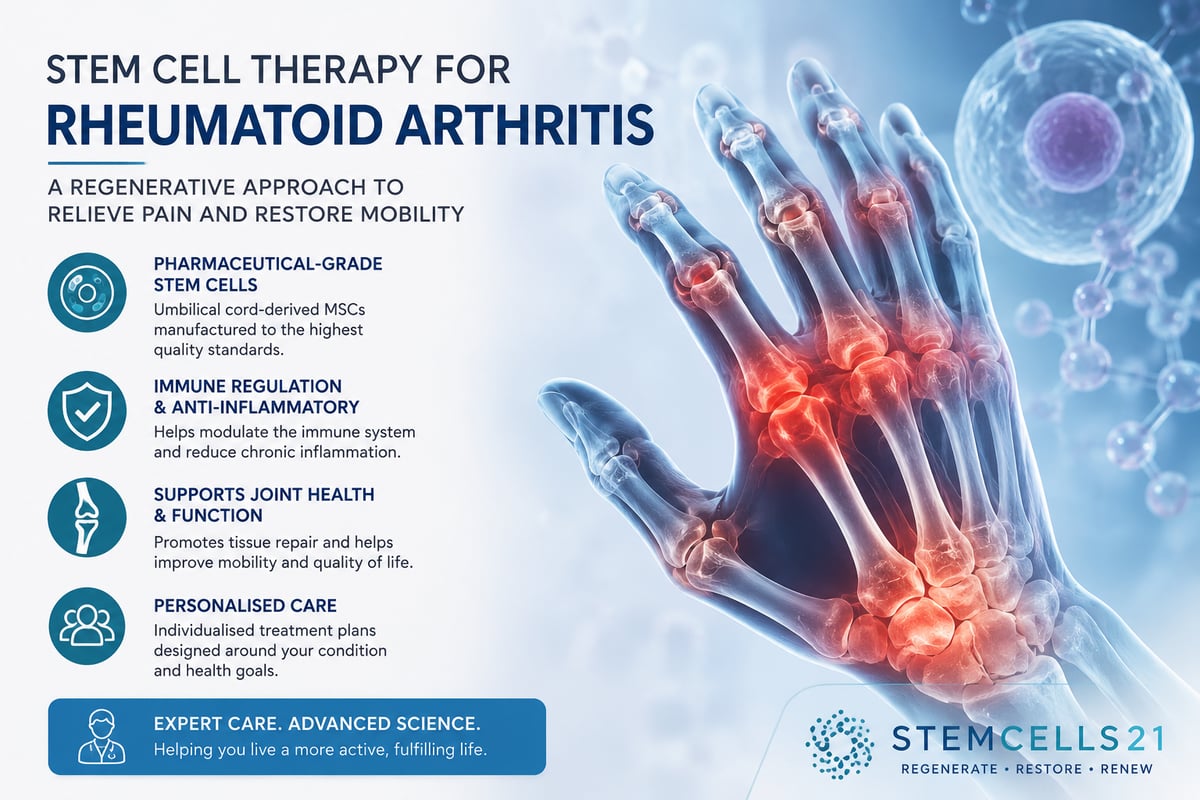
At StemCells21, our Rheumatoid Arthritis Treatment programme uses pharmaceutical-grade umbilical cord-derived mesenchymal stem cells manufactured to the highest quality standards. Each patient undergoes comprehensive assessment to develop personalised treatment protocols designed to support immune regulation, reduce inflammation, and improve joint function alongside expert medical care.
Treatment Administration and Protocols
| Protocol Element | Typical Approach | Rationale |
|---|---|---|
| Cell dose | 1-2 million cells/kg body weight | Balances efficacy with safety |
| Delivery route | Intravenous infusion | Systemic distribution to inflamed tissues |
| Treatment frequency | Single dose or series of 2-4 infusions | Based on disease severity and response |
| Monitoring schedule | Baseline, 1, 3, 6, 12 months | Track clinical and laboratory improvements |
Administration protocols vary based on disease characteristics and treatment goals. Intravenous delivery allows cells to circulate systemically and home to inflamed joints, where they exert immunomodulatory effects. Some protocols incorporate intra-articular (direct joint) injections for particularly affected joints, though systemic administration addresses the underlying immune dysfunction more comprehensively.
Integration with Conventional Care
Stem cell therapy for rheumatoid arthritis works most effectively when integrated thoughtfully with existing treatments rather than as an abrupt replacement. Many patients continue baseline DMARDs whilst undergoing cell therapy, with gradual medication adjustments based on clinical response. This approach maintains disease control whilst allowing regenerative effects to develop.
Close collaboration between regenerative medicine specialists and rheumatologists ensures coordinated care. Regular monitoring of disease activity markers, inflammatory indicators, and joint imaging helps track progress and guide treatment modifications.
Safety Considerations and Quality Standards
Patient safety remains paramount in any therapeutic intervention. The safety profile of mesenchymal stem cell therapy has been extensively documented, with comprehensive reviews in cell therapy highlighting the generally favourable risk-benefit ratio when cells are produced under appropriate quality standards.
Manufacturing and Quality Control
Pharmaceutical-grade cell production involves rigorous processes to ensure safety, purity, and potency. Critical quality control measures include:
- Donor screening for infectious diseases and genetic abnormalities
- Sterile processing in certified clean-room facilities
- Multiple contamination testing (bacterial, viral, mycoplasma, endotoxin)
- Cell characterisation confirming MSC phenotype and viability
- Potency assays demonstrating immunomodulatory function
- Stability testing under storage conditions
Cells that fail to meet established specifications are not released for clinical use. This quality framework parallels pharmaceutical manufacturing standards, ensuring consistent, reliable products.
Adverse Event Profile
The most frequently reported adverse events following MSC administration are mild and self-limiting. These include:
- Low-grade fever within 6-12 hours post-infusion
- Transient fatigue or malaise
- Mild headache
- Injection-site discomfort (if intra-articular delivery used)
Serious adverse events remain rare. Theoretical concerns about tumorigenicity have not materialised in clinical practice, with extensive follow-up data showing no increased cancer risk. Allergic reactions are uncommon given the low immunogenicity of allogeneic MSCs.
Patients should receive care from experienced clinicians who can properly evaluate candidacy, administer treatments safely, and manage any unexpected responses.

Patient Perspectives and Practical Considerations
Understanding what to expect helps patients make informed decisions about stem cell therapy for rheumatoid arthritis. The treatment journey typically spans several months, with improvements developing gradually rather than immediately.
Timeline of Expected Benefits
Weeks 1-4: Initial inflammatory modulation begins as cells migrate to inflamed tissues and start secreting immunomodulatory factors. Some patients notice subtle improvements in fatigue or morning stiffness.
Months 2-3: More evident clinical improvements emerge, including reduced joint pain, decreased swelling, and improved grip strength. Laboratory markers of inflammation often begin trending downward.
Months 4-6: Peak benefits typically manifest during this period, with measurable improvements in disease activity scores, physical function, and quality of life measures.
Months 6-12: Sustained benefits continue, and some patients achieve medication reductions under medical supervision. Long-term immune rebalancing may develop over this extended period.
Individual responses vary considerably based on disease duration, severity, previous treatments, and biological factors. Not all patients achieve the same degree of improvement, and realistic expectations are essential.
Cost and Accessibility Factors
Stem cell therapy for rheumatoid arthritis represents a significant investment. Treatment costs typically range from £15,000 to £30,000 depending on protocol complexity, cell dose, and facility location. Most insurance programmes do not yet cover regenerative treatments, though this landscape is evolving as evidence accumulates.
When evaluating cost-effectiveness, patients should consider:
- Potential reduction in long-term medication expenses
- Improved productivity and functional capacity
- Quality of life improvements
- Possible prevention of joint replacement surgery
- Long-duration effects from limited treatment courses
Geographical accessibility also influences treatment decisions. Patients often travel internationally to access advanced regenerative medicine centres, requiring consideration of travel logistics, follow-up arrangements, and continuity of care with local physicians.
Future Directions and Emerging Innovations
The field of regenerative medicine continues advancing rapidly, with several promising developments on the horizon for rheumatoid arthritis treatment.
Next-Generation Approaches
Researchers are exploring enhanced cell products and novel delivery methods. Genetically modified MSCs engineered to overexpress specific anti-inflammatory molecules could provide amplified therapeutic effects. Encapsulation technologies may enable sustained local delivery to affected joints.
Cell-free extracellular vesicle strategies represent another frontier, potentially offering MSC-like benefits through isolated secreted factors rather than whole cells. This approach could simplify manufacturing, storage, and administration whilst reducing theoretical safety concerns.
Precision Medicine Integration
Future protocols will likely incorporate biomarker-guided patient selection and treatment customisation. Identifying which patients will respond best to stem cell therapy for rheumatoid arthritis based on genetic, immunological, or imaging signatures could improve outcomes and resource allocation.
Combination strategies pairing cell therapy with targeted biologics, small molecules, or immunomodulatory drugs may achieve synergistic effects beyond either approach alone. Early-phase trials are beginning to explore these integrated protocols.
Regulatory Evolution
As evidence matures, regulatory frameworks are adapting to support appropriate access whilst maintaining safety standards. The Arthritis Foundation’s guidance on stem cell treatments provides patient-facing resources to help individuals navigate this evolving landscape and distinguish evidence-based interventions from unproven claims.
Ongoing dialogue between researchers, clinicians, regulators, and patient advocates will shape how regenerative therapies become integrated into mainstream rheumatology practice over the coming years.
Evaluating Treatment Providers and Making Informed Decisions
Given the growing availability of stem cell treatments, patients must carefully evaluate providers to ensure they receive safe, high-quality care based on scientific evidence rather than marketing claims.
Key Questions to Ask Providers
About the cells:
- What is the cell source (autologous vs. allogeneic, tissue origin)?
- How are cells manufactured and what quality controls are applied?
- What testing confirms cell identity, purity, viability, and potency?
- Are cells pharmaceutical-grade or minimally manipulated?
About the protocol:
- What is the scientific rationale for the proposed treatment plan?
- What published evidence supports this approach for rheumatoid arthritis specifically?
- How many similar patients has the facility treated?
- What outcome data can the provider share?
About safety and follow-up:
- What adverse events have occurred in the facility's experience?
- How are complications managed?
- What follow-up monitoring and support is provided?
- How does the provider coordinate with patients' existing rheumatologists?
Reputable providers will offer transparent, evidence-based answers to these questions and should never guarantee specific outcomes or discourage patients from continuing appropriate conventional care.
Red Flags to Avoid
Patients should exercise caution if providers:
- Claim stem cells can "cure" rheumatoid arthritis
- Promote cells for numerous unrelated conditions
- Cannot clearly explain cell source, processing, or quality standards
- Pressure immediate decisions or offer limited-time pricing
- Operate outside established medical facilities
- Lack appropriate medical credentials in rheumatology or regenerative medicine
Due diligence protects both safety and financial investment whilst increasing the likelihood of beneficial outcomes.
Stem cell therapy for rheumatoid arthritis represents a scientifically grounded approach to addressing the underlying immune dysfunction that drives this challenging condition, with growing clinical evidence supporting its safety and potential efficacy. As regenerative medicine continues advancing, patients now have access to sophisticated treatments that may complement or reduce reliance on conventional immunosuppressive therapies. If you're exploring advanced regenerative options for rheumatoid arthritis, StemCells21 offers personalised treatment programmes using pharmaceutical-grade mesenchymal stem cells, delivered by experienced specialists in our state-of-the-art Bangkok facility to support immune regulation, reduce inflammation, and help you regain quality of life.