Stroke remains one of the leading causes of long-term disability worldwide, affecting millions of individuals each year and creating profound challenges for patients and their families. Traditional rehabilitation methods have helped many survivors regain function, but significant numbers continue to experience persistent neurological deficits that impact quality of life. Stem cell therapy for stroke recovery has emerged as a promising avenue in regenerative medicine, offering new hope for patients seeking to restore lost function and improve outcomes beyond what conventional treatments can achieve. This advanced approach harnesses the body's natural repair mechanisms to address the underlying damage caused by stroke events.
Understanding Stroke and Its Impact on Brain Tissue
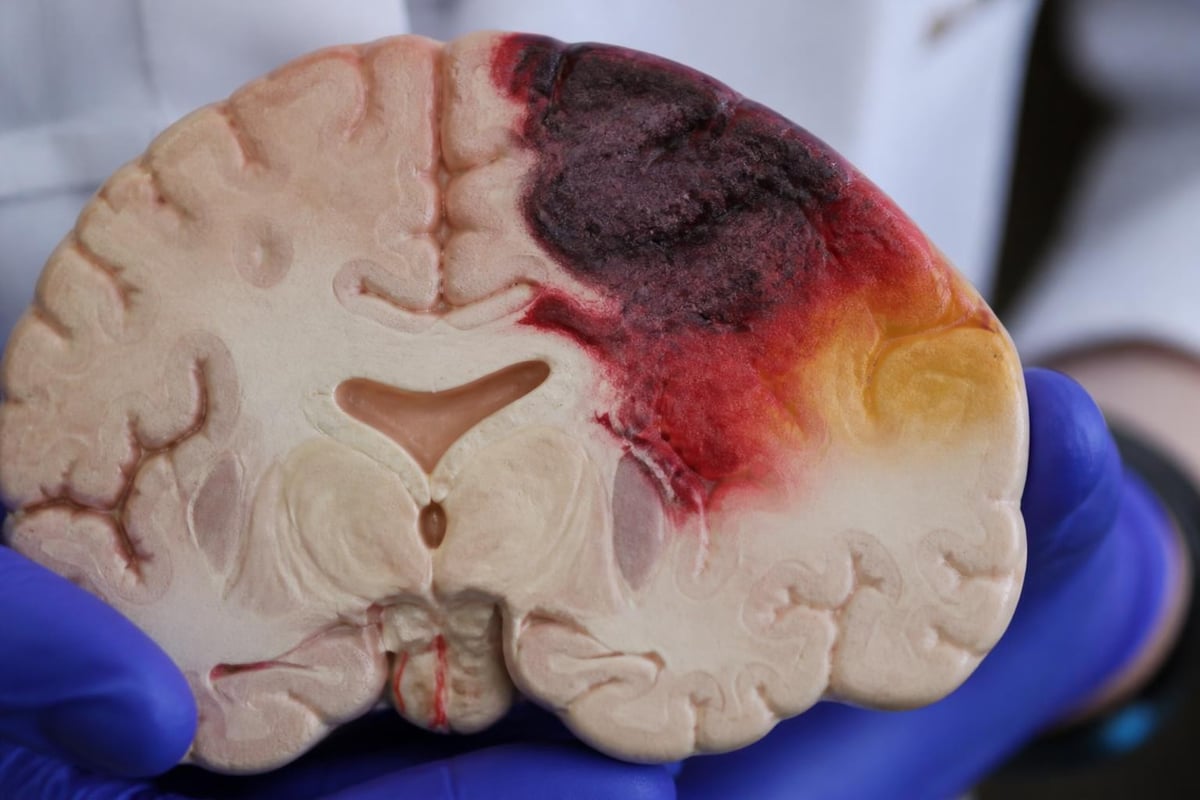
Stroke occurs when blood flow to a portion of the brain becomes interrupted, either through blockage (ischemic stroke) or bleeding (hemorrhagic stroke). The resulting oxygen deprivation causes rapid cell death in the affected area, leading to a cascade of secondary damage that can extend well beyond the initial injury site.
The brain's limited capacity for self-repair means that damage often persists indefinitely. Survivors may experience:
- Motor function impairments affecting movement and coordination
- Speech and language difficulties
- Cognitive changes impacting memory and problem-solving
- Sensory deficits
- Emotional and behavioural alterations
Traditional stroke rehabilitation focuses on retraining the brain to work around damaged areas, helping patients develop compensatory strategies. While valuable, these approaches cannot regenerate lost neural tissue or fully restore the original neural networks that controlled affected functions.
The Science Behind Stem Cell Therapy for Stroke Recovery
Stem cell therapy for stroke recovery represents a fundamentally different approach to treatment. Rather than merely working around damaged tissue, this regenerative strategy aims to support the brain's healing processes at a cellular level.
Mechanisms of Action
Mesenchymal stem cells, particularly those derived from umbilical cord tissue, demonstrate several therapeutic properties relevant to stroke recovery:
Immunomodulation: These cells can help regulate inflammatory responses that contribute to secondary brain damage following the initial stroke event. By modulating the immune environment, they may reduce ongoing tissue destruction.
Trophic support: Stem cells release growth factors and signalling molecules that support surviving neurons, promote blood vessel formation, and create a more favourable environment for tissue repair.
Neuroprotection: The cells can help protect vulnerable brain tissue in the penumbra (the area surrounding the core damage zone) from further deterioration.
Tissue regeneration: While the extent remains under investigation, stem cells may support the formation of new neural connections and contribute to functional recovery through various pathways.
Delivery Methods
Clinical protocols for stem cell therapy for stroke recovery typically employ one of several delivery methods:
| Delivery Route | Advantages | Considerations |
|---|---|---|
| Intravenous | Minimally invasive, well-tolerated | Cells must navigate to target tissue |
| Intra-arterial | More direct delivery to brain | Requires specialized expertise |
| Intracerebral | Direct placement at injury site | Most invasive approach |
| Intrathecal | Access to central nervous system | Intermediate invasiveness |
The choice of delivery method depends on multiple factors including stroke severity, time since event, patient health status, and the specific treatment protocol being followed.
Clinical Evidence and Recent Research Findings
The evidence base for stem cell therapy for stroke recovery has grown substantially in recent years, with multiple clinical trials investigating safety, feasibility, and efficacy across different patient populations and treatment protocols.
Recent systematic reviews and meta-analyses have assessed outcomes from numerous clinical trials, examining both acute and subacute stroke treatment windows. These comprehensive analyses provide valuable insights into treatment effects across diverse study populations.
Key Trial Outcomes
Several notable clinical trials have contributed to our understanding of stem cell approaches for stroke recovery. The TREASURE trial, a randomized, placebo-controlled phase 2/3 study, investigated allogeneic mesenchymal-derived products for acute ischemic stroke, providing high-quality data on safety and functional outcomes.
Clinical studies have consistently demonstrated:
- Acceptable safety profiles with minimal serious adverse events directly attributable to cell therapy
- Improvements in functional independence measures among treated patients
- Enhanced neurological recovery scores compared to standard care alone
- Sustained benefits extending months beyond the initial treatment period
Treatment Windows and Timing
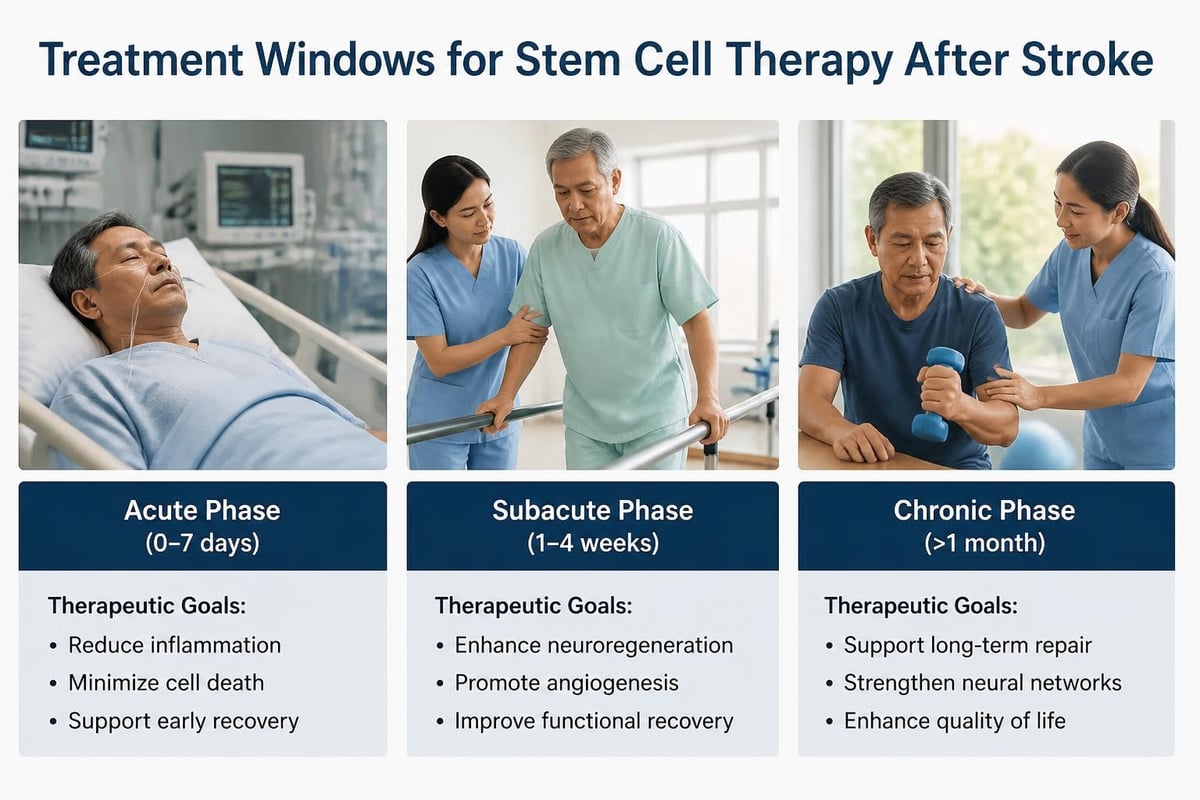
Research indicates that timing plays a crucial role in treatment outcomes. While early intervention (within days of stroke) has received significant attention, studies have also explored treatment in chronic stroke patients months or years after their initial event.
Acute phase (within 7 days): Focus on neuroprotection and limiting secondary damage
Subacute phase (1 week to 3 months): Window for initiating repair processes
Chronic phase (beyond 3 months): Supporting ongoing neural plasticity and functional recovery
Recent clinical trial summaries highlight the diverse approaches being investigated across these different time windows, each with distinct therapeutic goals and outcome measures.
Patient Selection and Treatment Protocols
Not every stroke survivor represents an ideal candidate for stem cell therapy. Comprehensive evaluation helps identify patients most likely to benefit from this advanced intervention.
Candidate Assessment Criteria
Medical teams typically evaluate multiple factors when considering patients for stem cell therapy for stroke recovery:
- Stroke type and severity: Ischemic strokes of moderate severity often represent primary candidates
- Time since stroke event: Treatment protocols vary based on whether patients present in acute, subacute, or chronic phases
- Overall health status: Cardiovascular health, kidney function, and absence of active infections
- Concurrent medications: Potential interactions with immunosuppressive or anticoagulant therapies
- Realistic expectations: Understanding of the investigational nature and variable outcomes
Comprehensive Treatment Approach
Stem cell therapy works most effectively as part of an integrated recovery programme rather than as a standalone intervention. At specialized facilities, treatment protocols typically combine:
- Baseline assessment: Comprehensive neurological evaluation, imaging studies, and functional status documentation
- Stem cell administration: Using pharmaceutical-grade cells manufactured to rigorous quality standards
- Monitoring period: Close observation following treatment with regular safety checks
- Rehabilitation integration: Coordinated physiotherapy, occupational therapy, and speech therapy as indicated
- Follow-up assessments: Structured evaluation of outcomes at predetermined intervals
Advanced facilities offering stem cell therapy typically use umbilical cord-derived mesenchymal stem cells that undergo extensive safety and quality testing before clinical application, ensuring consistency and minimizing risks.
Managing Expectations and Understanding Outcomes
Patients and families considering stem cell therapy for stroke recovery must approach treatment with realistic expectations informed by current evidence. This therapy represents an evolving field where outcomes vary considerably among individuals.
Potential Benefits
Documented improvements in clinical trials include:
- Enhanced motor function in affected limbs
- Improved ability to perform activities of daily living
- Better speech and language capabilities
- Increased independence in mobility
- Cognitive function improvements
- Reduced spasticity in some cases
Response to treatment varies based on multiple factors including stroke severity, location of brain damage, time since event, patient age, and concurrent health conditions. Some patients experience substantial functional gains, whilst others see more modest improvements or primarily stability in their condition.
Limitations and Considerations
Honesty about current limitations remains essential for informed decision-making:
Variable responses: Not all patients respond equally to treatment, and predicting individual outcomes remains challenging.
Investigational status: Whilst evidence continues to accumulate, stem cell therapy for stroke recovery remains an area of active research in many jurisdictions.
Cost considerations: Advanced regenerative treatments may involve significant expenses not always covered by standard insurance.
Time commitment: Comprehensive treatment protocols require multiple visits, assessments, and coordinated rehabilitation efforts.
Access, Equity, and Implementation Challenges
As stem cell approaches advance from research settings toward broader clinical application, important questions arise regarding equitable access and implementation. Recent analyses have examined barriers facing rural populations and minority communities in accessing advanced stroke therapies, highlighting the need for thoughtful distribution strategies.
Geographic Considerations
Access to specialized stem cell treatment centres remains concentrated in major metropolitan areas and specific countries with established regenerative medicine infrastructure. Patients in rural areas often face:
- Significant travel requirements for assessment and treatment
- Limited local follow-up resources familiar with regenerative approaches
- Higher total costs when accounting for travel and accommodation
- Challenges coordinating care between distant specialists and local providers
Quality and Standardization
The field benefits from ongoing efforts to establish standardized protocols, manufacturing practices, and outcome measures. Patients should seek providers who:
- Use pharmaceutical-grade cellular products with documented quality control
- Maintain transparent communication about evidence, risks, and expected outcomes
- Participate in registry studies or clinical trials contributing to the evidence base
- Coordinate care with patients' existing medical teams
- Provide comprehensive follow-up and monitoring
Integration with Traditional Rehabilitation
Stem cell therapy for stroke recovery achieves optimal results when integrated thoughtfully with proven rehabilitation strategies. The biological effects of cell therapy create a window of enhanced neuroplasticity that rehabilitation can capitalize upon.
Synergistic Approaches
| Intervention Type | Purpose | Timing Considerations |
|---|---|---|
| Physiotherapy | Motor function restoration, strength, balance | Intensive therapy post-treatment may enhance benefits |
| Occupational therapy | Activities of daily living, fine motor skills | Coordinated with emerging functional gains |
| Speech therapy | Language, swallowing, communication | Early integration supports neural pathway development |
| Cognitive rehabilitation | Memory, attention, executive function | Structured programmes address specific deficits |
Research suggests that combining stem cell interventions with intensive, task-specific rehabilitation may produce superior outcomes compared to either approach alone. The biological environment created by stem cell therapy potentially makes the brain more receptive to the learning and neural reorganization that rehabilitation stimulates.

The Future of Regenerative Stroke Treatment
The field of regenerative medicine for stroke continues advancing rapidly, with multiple promising developments on the horizon. Ongoing research explores enhanced cell types, optimized delivery methods, combination therapies, and biomarkers to predict treatment response.
Emerging Directions
Personalized protocols: Tailoring cell dose, delivery route, and timing to individual patient characteristics based on imaging, biomarkers, and clinical factors.
Combination strategies: Investigating stem cell therapy alongside growth factors, rehabilitation robotics, brain stimulation techniques, and pharmacological agents.
Extended therapeutic windows: Exploring whether regenerative approaches can benefit chronic stroke patients previously considered beyond the window for meaningful recovery.
Standardized outcome measures: Developing consensus on how to assess and compare results across different trials and treatment centres.
As understanding of neural repair mechanisms deepens and clinical experience accumulates, protocols will likely become more refined and targeted. The natural biological changes that occur as we age also factor into treatment planning, with younger patients potentially responding differently than older individuals.
Practical Considerations for Patients and Families
Families exploring stem cell therapy for stroke recovery benefit from systematic evaluation of their options, careful consideration of logistics, and realistic planning.
Questions to Ask Providers
- What specific cell type and source do you use?
- What quality control and testing procedures ensure cell safety and potency?
- What delivery method do you recommend for this specific case, and why?
- What does the published evidence show for patients with similar stroke types and timing?
- What is the complete treatment protocol, including assessment, administration, and follow-up?
- What rehabilitation resources do you recommend integrating with cell therapy?
- What outcomes should we realistically expect, and over what timeframe?
- What are the potential risks and how are complications managed?
Planning and Preparation
Successful treatment requires thoughtful preparation:
- Medical documentation: Gather comprehensive records including imaging studies, neurological assessments, and rehabilitation reports
- Coordination: Communicate with existing healthcare providers about plans and ensure continuity of care
- Logistics: Arrange travel, accommodation, and support for treatment and follow-up visits
- Rehabilitation planning: Identify local therapy resources to continue intensive rehabilitation following treatment
- Support systems: Ensure adequate family support and assistance during travel and recovery periods
Stem cell therapy for stroke recovery represents a significant advancement in regenerative medicine, offering new possibilities for patients seeking to regain function and improve quality of life beyond what traditional rehabilitation alone can achieve. As clinical evidence continues to mature and protocols become increasingly refined, this approach may become an important component of comprehensive stroke care. If you or a loved one are exploring advanced treatment options for stroke recovery, StemCells21 offers personalized regenerative medicine programmes using pharmaceutical-grade umbilical cord-derived mesenchymal stem cells, supported by comprehensive medical care at our state-of-the-art Bangkok facility. Contact our team to discuss whether stem cell therapy might be appropriate for your specific situation.