
Thailand has emerged as a leading destination for advanced regenerative medicine, combining world-class medical infrastructure with cutting-edge research capabilities. Patients seeking stem cell therapy Thailand discover a unique convergence of clinical expertise, rigorous quality standards, and comprehensive care programmes tailored to individual needs. The country's commitment to pharmaceutical-grade treatment protocols, coupled with its growing reputation in the field of cellular therapeutics, positions it as a compelling option for those exploring regenerative approaches to degenerative diseases, autoimmune conditions, and age-related health challenges.
The Landscape of Regenerative Medicine in Thailand
Thailand's regenerative medicine sector has developed significantly over the past decade, supported by substantial investment in research infrastructure and clinical facilities. Leading academic institutions, including Mahidol University's Siriraj Center for Regenerative Medicine, have established comprehensive research networks that advance both basic science and clinical translation. This foundation ensures that stem cell therapy Thailand operates within a framework of scientific rigour and medical accountability.
The regulatory environment governing cellular therapeutics in Thailand aligns with international standards established by the World Health Organization for cell, tissue, and gene therapy products. These guidelines provide essential safeguards around manufacturing practices, quality control, and clinical application. Facilities offering stem cell therapy Thailand must demonstrate compliance with stringent protocols that govern every stage of the therapeutic process, from cell procurement to patient administration.
Academic Research and Clinical Translation
Thailand's academic medical centres actively contribute to the global body of evidence supporting regenerative approaches. Recent clinical research published by Thai institutions demonstrates the country's commitment to evidence-based practice, with randomized controlled trials evaluating mesenchymal stem cell therapy for conditions such as knee osteoarthritis. This research provides valuable data on efficacy, safety, and optimal treatment protocols.
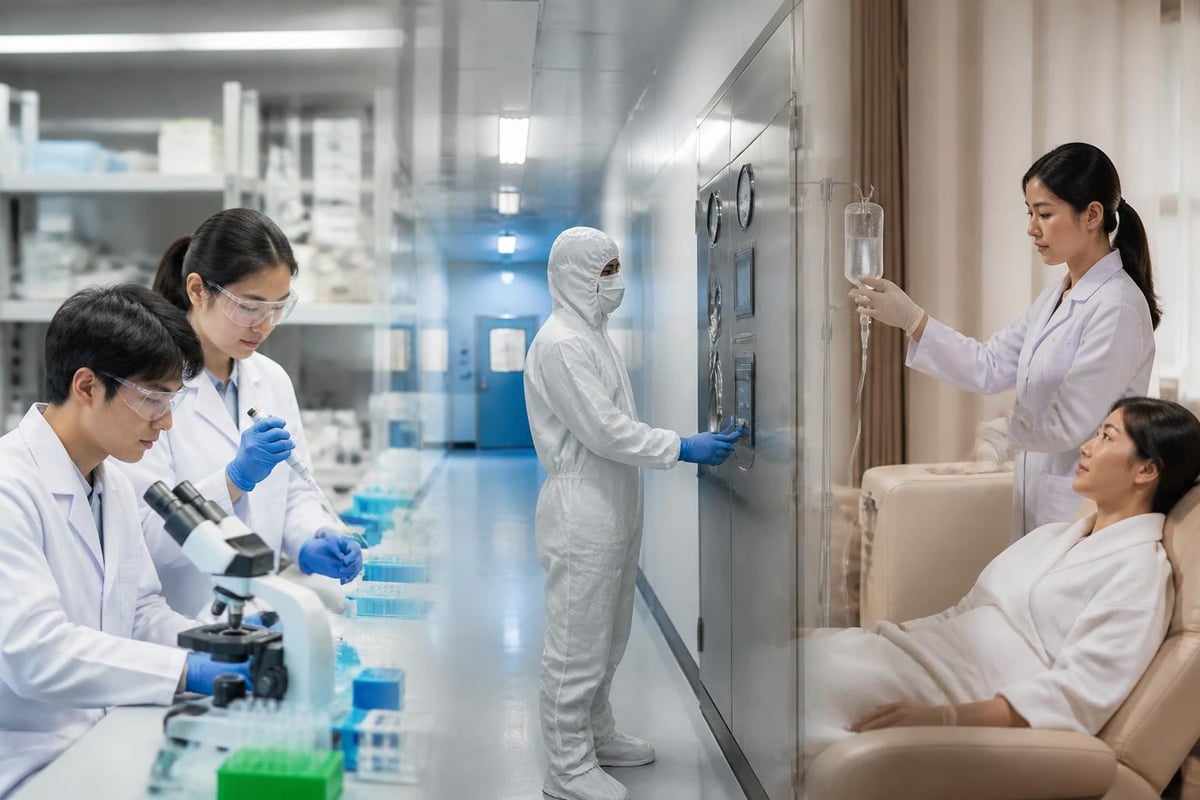
The ongoing Phase I clinical trials and stem cell banking initiatives at institutions like Mahidol University illustrate the depth of scientific activity supporting stem cell therapy Thailand. These programmes establish critical infrastructure for cell banking, characterization, and quality assurance that benefits both research advancement and clinical care delivery.
Understanding Mesenchymal Stem Cell Therapy
Mesenchymal stem cells (MSCs) represent the primary therapeutic modality employed in most regenerative medicine programmes. These cells possess remarkable capabilities to modulate immune responses, regulate inflammation, and support the body's inherent repair mechanisms. When sourced from umbilical cord tissue following healthy births with informed maternal consent, UC-MSCs offer particular advantages in terms of cellular activity and therapeutic potential.
The mechanism of action underlying MSC therapy involves multiple pathways:
- Paracrine signalling through secreted factors that influence surrounding tissue
- Immunomodulation to help restore balance in dysregulated immune systems
- Anti-inflammatory effects that may reduce chronic inflammation
- Support for endogenous repair by creating favorable conditions for tissue regeneration
Quality and safety considerations remain paramount when evaluating stem cell therapy Thailand options. Pharmaceutical-grade manufacturing processes ensure cells meet rigorous specifications before clinical use.
Manufacturing Standards and Quality Control
Reputable facilities maintain comprehensive quality management systems covering every aspect of cell processing. These systems address donor screening, tissue procurement, cell expansion, characterization, testing, and final product release.
| Quality Parameter | Testing Requirement | Purpose |
|---|---|---|
| Viability | Flow cytometry analysis | Ensures high percentage of living cells |
| Sterility | Microbiological culture | Confirms absence of bacterial/fungal contamination |
| Endotoxin | LAL/chromogenic assay | Verifies safe endotoxin levels |
| Identity | Surface marker analysis | Validates mesenchymal phenotype |
| Potency | Functional assays | Demonstrates therapeutic capability |
These stringent quality controls distinguish professional stem cell therapy Thailand programmes from less rigorous alternatives. Patients should inquire about specific testing protocols and request documentation of quality standards maintained by any facility under consideration.
Conditions Addressed Through Regenerative Approaches
Stem cell therapy Thailand encompasses treatment programmes for a diverse range of medical conditions. The regenerative potential of mesenchymal stem cells makes them applicable across multiple therapeutic domains, from musculoskeletal disorders to autoimmune conditions and neurodegenerative diseases.
Musculoskeletal and Joint Conditions
Osteoarthritis represents one of the most extensively studied applications for MSC therapy. The degenerative nature of this condition, characterized by cartilage breakdown and joint inflammation, creates substantial impact on mobility and quality of life. Regenerative treatment approaches aim to address both symptomatic relief and underlying pathology through the anti-inflammatory and tissue-supportive properties of mesenchymal stem cells.
Beyond osteoarthritis, spine-related degenerative conditions including disc degeneration and associated pain syndromes may benefit from cellular therapeutics. The goal centres on reducing inflammation, supporting tissue repair processes, and improving functional outcomes for patients experiencing chronic back or neck pain.
Autoimmune and Inflammatory Conditions
The immunomodulatory capabilities of mesenchymal stem cells provide a theoretical foundation for their application in autoimmune disorders. Conditions such as rheumatoid arthritis and multiple sclerosis involve dysregulated immune responses that attack the body's own tissues. MSC therapy aims to help restore immune balance, potentially reducing disease activity and improving symptoms.
Key mechanisms in autoimmune applications:
- Modulation of T-cell responses to reduce autoreactive immune activity
- Regulation of inflammatory cytokine production
- Support for regulatory immune cell populations
- Reduction of tissue inflammation and associated damage
Respiratory conditions including COPD also fall within the treatment scope of many stem cell therapy Thailand programmes, with therapeutic goals focused on reducing pulmonary inflammation and supporting lung tissue health.
Neurodevelopmental and Age-Related Conditions
The application of regenerative medicine extends to complex neurodevelopmental conditions such as autism spectrum disorder. While mechanisms remain under investigation, the immunomodulatory and neuroprotective properties of MSCs provide a rationale for therapeutic exploration. Treatment programmes typically combine cellular therapy with comprehensive supportive care to address the multifaceted nature of these conditions.
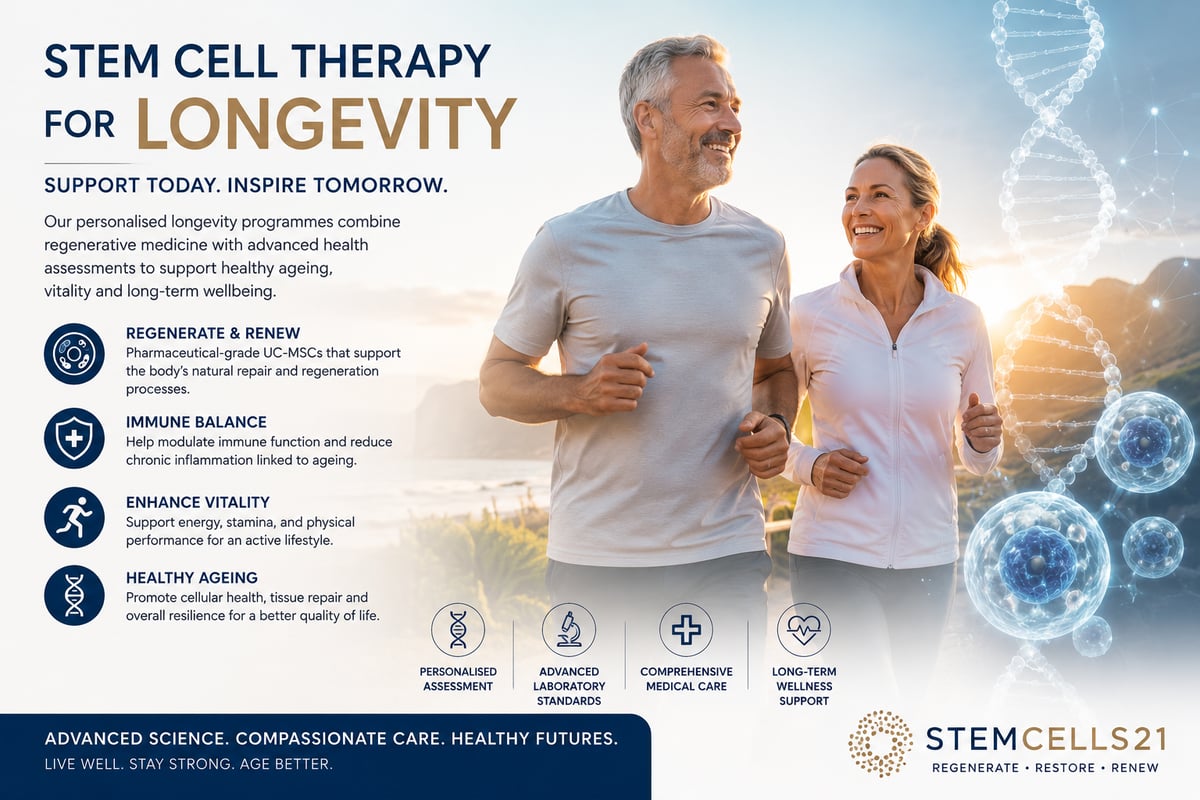
Age-related decline represents another significant focus area. Healthy ageing requires more than simply adding years to life; it demands maintaining vitality, cognitive function, and physical capability. At StemCells21, our personalised longevity programmes combine regenerative medicine with advanced health assessments to support healthy ageing using pharmaceutical-grade umbilical cord-derived mesenchymal stem cells.
The Patient Journey: Assessment to Treatment
Accessing stem cell therapy Thailand involves a structured process designed to ensure appropriate patient selection, comprehensive evaluation, and individualized treatment planning. This systematic approach maximizes therapeutic potential while maintaining safety standards.
Initial Consultation and Medical Evaluation
The journey typically begins with a detailed medical consultation, either in person or through telemedicine platforms. During this assessment, physicians review:
- Complete medical history and previous treatments
- Current symptoms and functional limitations
- Diagnostic imaging and laboratory results
- Treatment goals and expectations
- Suitability for regenerative therapy
This thorough evaluation ensures that stem cell therapy represents an appropriate option for the individual's specific condition and circumstances. Not all patients qualify as suitable candidates, and reputable facilities maintain clear inclusion and exclusion criteria based on clinical evidence and safety considerations.
Personalized Treatment Protocol Development
Following initial assessment, approved candidates receive a customized treatment plan. This protocol specifies cell type, dosage, administration route, frequency, and any complementary therapies. The stem cell regenerative approach emphasizes individualization based on patient characteristics, condition severity, and therapeutic objectives.
Common administration routes include:
- Intravenous delivery for systemic distribution
- Intra-articular injection for joint conditions
- Targeted local injection for specific tissue areas
- Intrathecal administration for neurological conditions
The optimal route depends on the condition being addressed and the intended therapeutic target. Multiple sessions may be recommended as part of a comprehensive treatment programme extending over weeks or months.
Post-Treatment Monitoring and Support
Responsible stem cell therapy Thailand programmes include structured follow-up protocols to monitor patient progress, assess outcomes, and provide ongoing support. This monitoring typically encompasses:
- Regular clinical assessments at defined intervals
- Functional outcome measurements using validated tools
- Imaging studies where appropriate to evaluate tissue changes
- Laboratory markers of inflammation or disease activity
- Quality of life assessments to capture patient-reported outcomes
This data collection serves multiple purposes: tracking individual patient progress, contributing to broader outcome registries, and advancing the evidence base supporting regenerative approaches.
Thailand's Medical Tourism Infrastructure
Thailand's position as a global medical tourism destination provides substantial infrastructure supporting international patients seeking stem cell therapy Thailand. The country welcomed millions of medical tourists annually before the pandemic, with numbers steadily recovering as travel normalizes.
Facilities and Accreditation
Bangkok, in particular, hosts numerous hospitals and specialized clinics offering regenerative medicine services. Many of these facilities hold international accreditation from organizations such as the Joint Commission International (JCI), demonstrating compliance with rigorous operational and clinical standards.
When evaluating facilities, patients should verify:
- International quality certifications and accreditations
- Medical staff credentials and experience in regenerative medicine
- Laboratory and manufacturing capabilities for cell processing
- Transparency regarding cell sources, testing, and quality standards
- Published outcomes data or participation in clinical registries
The best stem cell therapy Thailand options provide comprehensive documentation and welcome detailed inquiries about their processes and protocols.

Logistical Considerations for International Patients
Medical tourism involves coordination beyond the clinical aspects. Reputable facilities typically offer support services including:
| Service Category | Support Provided |
|---|---|
| Travel coordination | Assistance with flight booking and airport transfers |
| Accommodation | Hotel arrangements near treatment facility |
| Language support | Interpreters and translated medical documents |
| Visa assistance | Guidance on medical visa requirements |
| Local coordination | Transportation to appointments and tours |
| Post-treatment support | Remote follow-up and telemedicine consultations |
These comprehensive services help international patients navigate the practical aspects of accessing stem cell therapy Thailand while focusing on their health and recovery.
Evidence Base and Ongoing Research
The scientific foundation supporting regenerative medicine continues to expand through ongoing clinical trials and research initiatives. Thailand contributes meaningfully to this growing evidence base through academic institutions and clinical research programmes.
The national stem cell infrastructure, including the Thai National Stem Cell Donor Registry operated by the Thai Red Cross, establishes important frameworks for hematopoietic stem cell transplantation and related services. While distinct from mesenchymal stem cell therapy, this infrastructure demonstrates Thailand's broader commitment to cellular therapeutics.
Recent translational research in induced pluripotent stem cells and related technologies from Thai academic groups showcases the country's active participation in advancing regenerative medicine science. This research pipeline ensures that stem cell therapy Thailand evolves in parallel with global scientific progress.
Areas of Active Investigation
Current research priorities in regenerative medicine include:
- Optimization of cell dosing and administration protocols
- Identification of biomarkers predicting treatment response
- Combination approaches integrating cellular therapy with other modalities
- Long-term safety and durability of therapeutic effects
- Mechanisms underlying clinical improvements
As this research progresses, it informs clinical practice and helps refine treatment protocols for various conditions.
Making Informed Decisions About Stem Cell Therapy
Patients considering stem cell therapy Thailand should approach the decision with careful consideration and thorough research. The field encompasses both legitimate therapeutic programmes grounded in scientific evidence and less rigorous offerings that may overpromise results.
Questions to Ask Potential Providers
Informed decision-making requires asking detailed questions and evaluating responses critically:
About the cells:
- What is the source of the stem cells?
- What testing and quality control measures are performed?
- How are cells manufactured and stored?
- What documentation of quality standards can be provided?
About the treatment:
- What is the scientific rationale for this condition?
- What clinical evidence supports this application?
- What are realistic expectations for outcomes?
- What are potential risks and adverse effects?
About the facility:
- What are the credentials of treating physicians?
- What accreditations does the facility hold?
- How many patients with this condition have been treated?
- What follow-up and monitoring protocols are in place?
Reputable providers welcome these questions and provide transparent, detailed responses. Hesitancy to provide documentation or vague answers regarding quality standards should raise concerns.
Understanding Realistic Expectations
Stem cell therapy represents a developing field with substantial promise, but it is not a universal cure. Realistic expectations recognize that:
- Outcomes vary significantly between individuals
- Improvements may be modest or incremental rather than dramatic
- Multiple treatment sessions may be required
- Results may take weeks or months to manifest
- Not all patients experience meaningful benefit
- Cellular therapy typically complements rather than replaces conventional care
The most credible stem cell therapy Thailand programmes emphasize these realities and work collaboratively with patients to establish appropriate goals aligned with evidence and clinical experience.
Regulatory Considerations and Patient Safety
Understanding the regulatory landscape helps patients evaluate the legitimacy and safety of stem cell therapy Thailand options. While Thailand maintains regulatory oversight of cellular therapeutics, international patients should recognize that regulatory frameworks vary globally.
The WHO guidance documents provide important context for evaluating regional approaches to cell and tissue therapy regulation. These proceedings outline international discussions on biologicals and cellular therapies, including considerations relevant to Thailand and the broader region.
Patient safety depends on multiple factors:
- Adherence to good manufacturing practices in cell processing
- Rigorous quality testing before clinical use
- Appropriate patient selection and informed consent
- Qualified medical oversight during treatment
- Monitoring for adverse events and long-term follow-up
Facilities committed to patient safety maintain comprehensive protocols addressing each of these elements and participate in adverse event reporting systems that contribute to broader safety surveillance.
Cost Considerations and Value Assessment
Stem cell therapy Thailand typically involves substantial financial investment, with costs varying based on condition complexity, treatment protocol, cell quantity, and facility standards. International patients must weigh these costs against potential benefits while considering the quality and safety standards maintained by different providers.
Factors influencing treatment costs include:
- Cell manufacturing and quality testing expenses
- Medical consultation and assessment fees
- Administration procedures and monitoring
- Facility operational costs and accreditation maintenance
- Follow-up care and additional treatment sessions
- Travel and accommodation for international patients
While cost considerations matter, they should be balanced against quality indicators. Significantly lower pricing may reflect compromises in manufacturing standards, quality control, or medical expertise that could impact both safety and therapeutic potential.
Insurance and Financial Planning
Most international insurance policies do not cover regenerative medicine treatments, particularly when obtained outside the patient's home country. Patients should verify coverage details with their insurance providers and plan accordingly. Some facilities offer payment plans or financing options to help manage costs.
When evaluating value, consider the comprehensive nature of services provided, including pre-treatment assessment, biological aging evaluation, personalized protocol development, quality assurance documentation, and structured follow-up care. The investment extends beyond the cellular product itself to encompass the entire therapeutic programme and medical expertise supporting optimal outcomes.
Integration with Conventional Medical Care
Responsible stem cell therapy Thailand programmes emphasize integration with conventional medical care rather than positioning cellular therapy as a replacement for established treatments. This collaborative approach ensures patients benefit from the full spectrum of therapeutic options while maintaining continuity of care with their primary medical team.
Patients should:
- Inform all treating physicians about planned regenerative therapy
- Continue prescribed medications unless specifically advised otherwise
- Maintain regular monitoring and follow-up with specialists
- Share outcome data and progress reports across medical teams
- Coordinate timing of cellular therapy with other planned interventions
This integrated model optimizes therapeutic potential while ensuring safety and comprehensive management of complex medical conditions. Many facilities encourage direct communication with referring physicians to facilitate collaborative care planning.
Stem cell therapy Thailand offers access to advanced regenerative medicine within a framework of international quality standards, scientific research, and comprehensive patient care. The country's combination of academic excellence, clinical expertise, and medical tourism infrastructure creates a compelling option for patients exploring cellular therapeutics. Whether you're seeking relief from degenerative conditions, support for autoimmune disorders, or proactive approaches to healthy ageing, StemCells21 provides personalized regenerative medicine programmes using pharmaceutical-grade umbilical cord-derived mesenchymal stem cells at our state-of-the-art Bangkok facility. Contact our medical team to discuss how our evidence-based approach to cellular therapy might support your health goals.