
The field of regenerative medicine has witnessed remarkable advances over the past decade, with researchers uncovering increasingly sophisticated mechanisms through which our cells communicate and coordinate healing. Among these discoveries, exosomes have emerged as fundamental players in intercellular communication, offering profound implications for understanding disease progression and developing novel therapeutic strategies. These nanoscale vesicles, once dismissed as cellular waste, now represent one of the most promising frontiers in medical science, with applications ranging from diagnostics to targeted drug delivery and tissue regeneration.
Understanding the Fundamentals of Exosomes
When exploring what are exosomes, it's essential to begin with their basic biological definition. Exosomes are small extracellular vesicles measuring approximately 30 to 150 nanometres in diameter, secreted by virtually all cell types throughout the body. These membrane-bound particles originate within the endosomal system of cells, forming through a sophisticated intracellular process that involves the inward budding of multivesicular bodies before being released into the extracellular environment.
The MISEV2023 guidelines established by the International Society for Extracellular Vesicles provide the field's community-agreed standards for nomenclature and characterization. These particles carry a diverse cargo of bioactive molecules, including:
- Proteins (cytoplasmic and membrane-bound)
- Nucleic acids (mRNA, microRNA, and other non-coding RNAs)
- Lipids (cholesterol, sphingomyelin, and ceramides)
- Metabolites (amino acids, nucleotides, and signalling molecules)
The Biogenesis Process
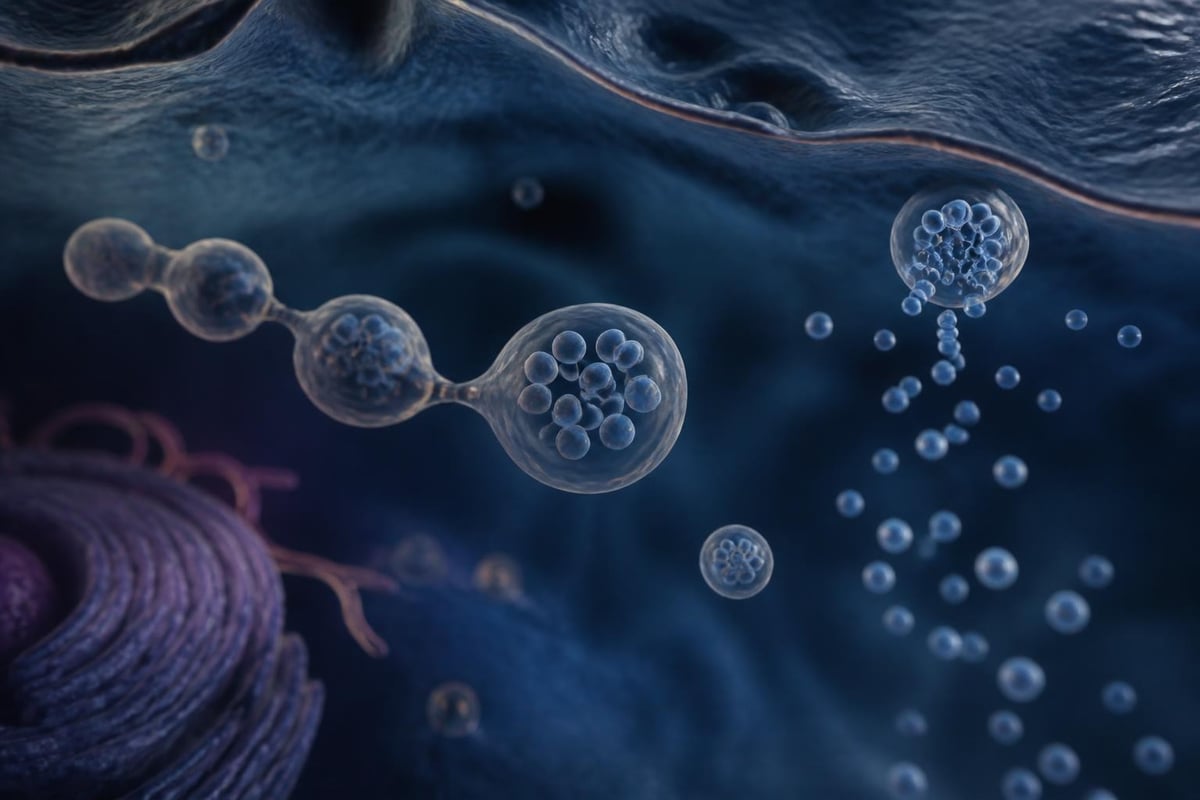
What are exosomes in terms of their cellular origin? The formation begins when portions of the cell membrane invaginate to create early endosomes. These structures mature into late endosomes, also called multivesicular bodies (MVBs), which contain numerous intraluminal vesicles formed by inward budding of the endosomal membrane.
The ESCRT (endosomal sorting complexes required for transport) machinery plays a crucial role in this process, though ESCRT-independent pathways also exist. When MVBs fuse with the plasma membrane rather than with lysosomes for degradation, the intraluminal vesicles are released into the extracellular space as exosomes.
Distinguishing Exosomes from Other Extracellular Vesicles
Understanding what are exosomes requires distinguishing them from other types of extracellular vesicles. The broader category includes several distinct populations based on size, biogenesis, and molecular composition.
| Vesicle Type | Size Range | Origin | Release Mechanism |
|---|---|---|---|
| Exosomes | 30-150 nm | Endosomal pathway (MVBs) | MVB-plasma membrane fusion |
| Microvesicles | 100-1000 nm | Plasma membrane | Direct budding/shedding |
| Apoptotic bodies | 500-2000 nm | Dying cells | Membrane blebbing during apoptosis |
The heterogeneity within exosome populations has become increasingly recognized. Research published in Nature Nanotechnology highlights how exosome heterogeneity impacts both diagnostic and therapeutic applications, emphasizing the need for sophisticated characterization methods.
Molecular Composition and Cargo Selection
The cargo contained within exosomes reflects their cell of origin and the physiological state of that cell. This selective packaging mechanism enables exosomes to serve as messengers carrying specific biological information to recipient cells.
Protein Content
Exosomal proteins include:
- Tetraspanins (CD9, CD63, CD81) used as marker proteins
- Heat shock proteins (HSP70, HSP90)
- MVB biogenesis proteins (Alix, TSG101)
- Cell-specific proteins reflecting the parent cell phenotype
Nucleic Acid Cargo
What are exosomes carrying in terms of genetic material? These vesicles contain various RNA species that can be transferred to recipient cells and remain functional. MicroRNAs within exosomes have been shown to regulate gene expression in target cells, whilst messenger RNA can be translated into proteins.
The protective lipid bilayer membrane shields these nucleic acids from degradation by extracellular enzymes, enabling them to travel considerable distances through bodily fluids whilst maintaining their biological activity.
Mechanisms of Cellular Communication
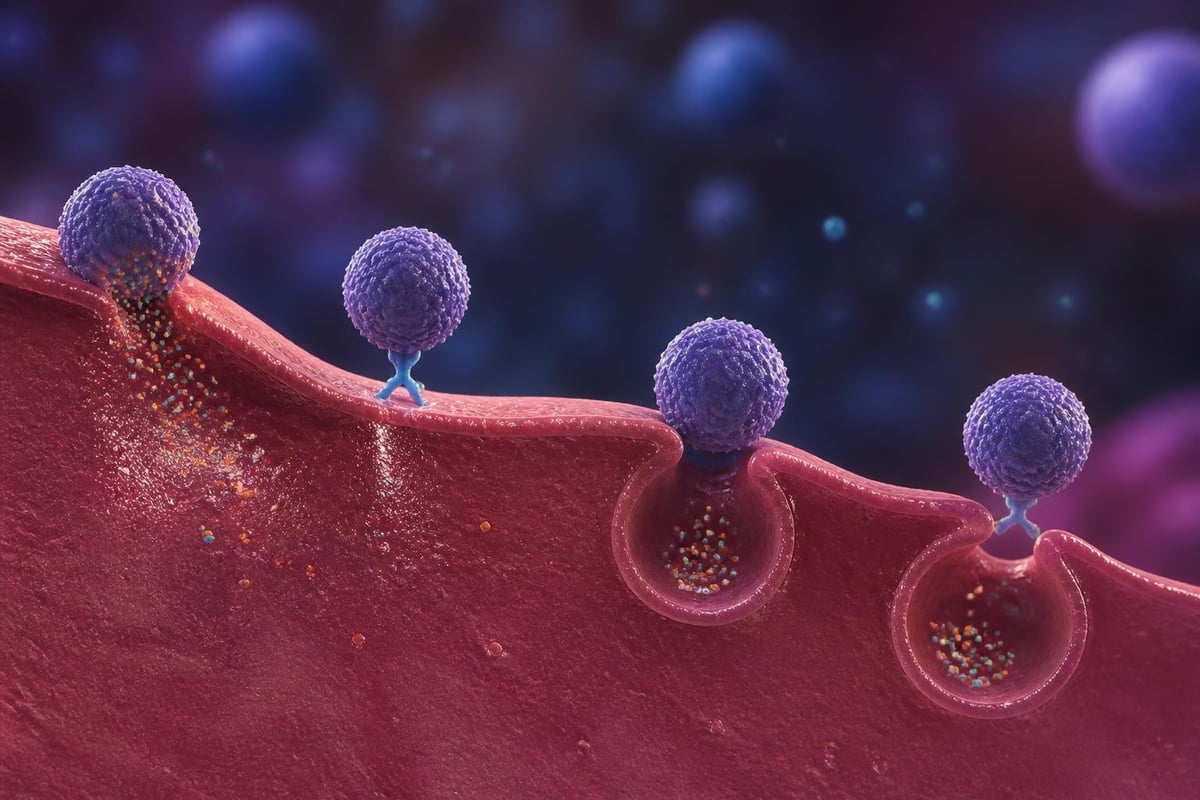
When examining what are exosomes functionally, their role as intercellular communicators becomes paramount. These vesicles can interact with target cells through several distinct mechanisms:
- Direct membrane fusion – Releasing cargo directly into the recipient cell cytoplasm
- Receptor-ligand interactions – Triggering signalling cascades without internalisation
- Endocytosis – Uptake into recipient cells via various endocytic pathways
- Micropinocytosis – Non-specific engulfment of exosomes alongside extracellular fluid
Research published in Nature Reviews Molecular Cell Biology provides comprehensive insights into how exosomes achieve selective targeting and uptake, mechanisms that prove crucial for understanding their therapeutic potential.
Physiological Roles Across Body Systems
Understanding what are exosomes means recognizing their diverse functions throughout human physiology. These particles participate in both homeostatic processes and disease states.
Immune System Regulation
Exosomes derived from immune cells carry immunomodulatory molecules that can either stimulate or suppress immune responses. Dendritic cell-derived exosomes present antigens to T cells, whilst regulatory T cell exosomes can dampen excessive inflammation.
Tissue Repair and Regeneration
The connection between exosomes and stem cell biology has revealed particularly exciting possibilities. Mesenchymal stem cell-derived exosomes demonstrate remarkable regenerative properties, promoting tissue repair without requiring the stem cells themselves to engraft.
These vesicles can:
- Stimulate angiogenesis in damaged tissues
- Reduce inflammation and oxidative stress
- Promote cell proliferation and differentiation
- Modulate the immune microenvironment
At facilities specializing in mesenchymal stem cell treatment, understanding exosome function has become integral to optimizing therapeutic protocols and outcomes.
Neurological Function
In the nervous system, exosomes facilitate neuron-to-neuron and neuron-to-glia communication. They transport neurotransmitter receptors, synaptic proteins, and regulatory RNAs, influencing synaptic plasticity and neural network function.
Diagnostic Applications in Medicine
What are exosomes revealing about disease states? These particles have emerged as valuable biomarkers because they carry molecular signatures reflecting their cell of origin and the pathological processes occurring within those cells.
Cancer Diagnostics: Tumour-derived exosomes contain oncogenic proteins and nucleic acids that can be detected in blood samples, offering non-invasive liquid biopsy opportunities for early cancer detection, monitoring treatment response, and tracking minimal residual disease.
Neurodegenerative Conditions: Exosomes cross the blood-brain barrier, carrying disease-specific proteins such as tau in Alzheimer's disease or alpha-synuclein in Parkinson's disease. Analysing these particles in peripheral blood provides insights into central nervous system pathology.
Cardiovascular Disease: Cardiac exosomes contain biomarkers indicating myocardial stress, ischaemia, or dysfunction, potentially enabling earlier intervention in heart disease.
| Disease Category | Exosomal Biomarkers | Clinical Utility |
|---|---|---|
| Cancer | Tumour-specific proteins, miRNAs | Early detection, prognosis, treatment monitoring |
| Neurodegeneration | Disease-specific proteins (tau, α-synuclein) | Diagnosis, disease progression tracking |
| Cardiovascular | Cardiac troponins, specific miRNAs | Risk stratification, acute event prediction |
| Autoimmune | Inflammatory cytokines, autoantigens | Disease activity monitoring |
Therapeutic Applications and Engineering
The therapeutic potential of exosomes extends beyond their natural functions. Researchers are actively developing strategies to engineer exosomes for precision medicine applications, as reviewed in a comprehensive PMC article on engineering exosomes.
Native Exosome Therapy
What are exosomes contributing to regenerative treatments? Cell-derived exosomes, particularly those from mesenchymal stem cells, demonstrate therapeutic benefits across numerous conditions:
- Reducing inflammation in autoimmune disorders
- Promoting tissue repair after injury
- Protecting neurons from degeneration
- Enhancing wound healing and tissue regeneration
Facilities like StemCells21 utilize pharmaceutical-grade mesenchymal stem cells that produce exosomes with potent regenerative properties, supporting the body's natural healing mechanisms alongside comprehensive medical protocols.
Engineered Exosomes as Drug Delivery Vehicles
Scientists are developing methods to load exosomes with therapeutic cargo, including:
- Small molecule drugs
- Therapeutic proteins
- Gene editing tools (CRISPR/Cas9)
- Synthetic nucleic acids (siRNA, antisense oligonucleotides)
Advantages of exosome-based delivery:
- Natural biocompatibility reducing immune rejection
- Ability to cross biological barriers (blood-brain barrier, cell membranes)
- Targeted delivery through surface modification
- Protection of cargo from degradation
- Reduced toxicity compared to synthetic nanoparticles
Surface Modification for Targeted Delivery
Researchers can modify exosome surfaces with targeting ligands, antibodies, or peptides that recognize specific cell types or disease markers. This approach enables precision medicine strategies where therapeutics reach intended targets whilst minimizing off-target effects.
Investigations into peptide-based targeting strategies have shown promise, with institutions like Veltis contributing research-grade compounds that advance our understanding of peptide-mediated cellular interactions relevant to exosome engineering.
Challenges in Exosome Research and Clinical Translation
Despite significant progress, several challenges remain in translating exosome research into clinical practice. Understanding what are exosomes in practical therapeutic terms requires addressing these hurdles.
Isolation and Purification
Current methods for isolating exosomes include:
- Ultracentrifugation – Traditional gold standard, time-intensive
- Size-exclusion chromatography – Gentle, preserves vesicle integrity
- Immunoaffinity capture – High specificity, limited scalability
- Precipitation methods – Simple, potential contamination issues
- Microfluidic devices – Emerging technology, improved efficiency
Each method has distinct advantages and limitations regarding purity, yield, scalability, and cost. Standardization remains necessary for reproducible research and clinical manufacturing.
Characterization and Quality Control
Thorough exosome characterization requires multiple complementary techniques:
- Nanoparticle tracking analysis for size distribution and concentration
- Electron microscopy for structural visualization
- Western blotting for protein markers
- Flow cytometry for surface protein profiling
- RNA sequencing for cargo analysis
Scalability and Manufacturing
Producing clinical-grade exosomes in sufficient quantities presents significant challenges. Manufacturing must ensure:
- Consistent exosome yield and quality
- Sterility and absence of contaminants
- Standardized potency and efficacy
- Stable long-term storage
- Cost-effective production processes
Facilities providing advanced stem cell research and treatment continue developing protocols that optimize exosome production whilst maintaining pharmaceutical-grade quality standards.
Regulatory Considerations and Safety
As exosome-based therapies advance toward clinical use, regulatory frameworks must evolve to address their unique characteristics. What are exosomes from a regulatory perspective?
These biological products don't fit neatly into existing categories of drugs, biologics, or medical devices. Regulatory agencies worldwide are developing specific guidance for extracellular vesicle products, addressing:
- Source cell characterization and quality
- Manufacturing process validation
- Product characterization requirements
- Potency assay development
- Safety testing protocols
- Clinical trial design considerations
Safety considerations include potential risks of:
- Unintended immune responses
- Transfer of harmful molecules from diseased donor cells
- Batch-to-batch variability affecting efficacy
- Long-term effects of repeated administration
Future Directions and Emerging Research
The field of exosome research continues expanding rapidly, with several promising directions emerging. Understanding what are exosomes revealing about future medicine requires examining these frontiers.
Personalized Medicine
Exosome profiling may enable truly personalized treatment approaches. Analysing a patient's exosome signatures could guide:
- Disease risk prediction before symptoms appear
- Treatment selection based on molecular profiles
- Real-time monitoring of therapeutic responses
- Early detection of treatment resistance
Combination Therapies
Integrating exosomes with other therapeutic modalities shows particular promise. Combining stem cell therapy with exosome administration may enhance regenerative outcomes, whilst pairing exosome-delivered drugs with traditional chemotherapy could improve cancer treatment efficacy whilst reducing side effects.
Cross-Species Applications
Research into plant-derived exosomes and their interactions with human cells opens unexpected possibilities. These vesicles may offer novel therapeutic benefits, alternative sources for large-scale production, and unique bioactive compounds not found in mammalian systems.
Artificial Intelligence Integration
Machine learning algorithms are being developed to:
- Predict exosome cargo based on parent cell state
- Identify disease-specific exosome signatures in complex samples
- Optimize engineering strategies for therapeutic exosomes
- Analyse multi-omics data for biomarker discovery
Exosomes in Regenerative Medicine Protocols
The integration of exosome science into regenerative medicine represents a natural evolution of therapeutic approaches. Understanding what stem cells are and how they communicate through exosomes has refined treatment protocols significantly.
Modern regenerative medicine recognizes that the therapeutic effects of stem cells may partially derive from the exosomes they secrete rather than solely from the cells themselves. This insight has several implications:
Advantages of exosome-based approaches:
- No risk of abnormal cell proliferation
- Easier storage and handling than living cells
- Lower immunogenicity in some applications
- More precise dosing control
- Potentially enhanced safety profile
Current clinical investigations explore exosome therapy for conditions including cardiovascular disease, neurodegenerative disorders, autoimmune conditions, and tissue injuries. These studies complement established cellular therapies, sometimes enhancing outcomes when used in combination.
The evolution from bone marrow and stem cell therapies to include exosome-based approaches demonstrates how understanding cellular mechanisms drives therapeutic innovation.
Quality and Standardization in Clinical Applications
For exosome therapies to achieve widespread clinical acceptance, rigorous quality standards must be established and maintained. What are exosomes meeting in terms of pharmaceutical-grade requirements?
Critical quality attributes include:
- Particle concentration and size distribution
- Purity (free from protein aggregates, cellular debris)
- Sterility and endotoxin levels
- Protein and RNA cargo composition
- Functional potency in biological assays
- Stability during storage and handling
Manufacturing facilities must implement Good Manufacturing Practice (GMP) protocols specifically adapted for extracellular vesicle production. This includes environmental controls, process validation, documentation systems, and comprehensive quality testing at multiple production stages.
Understanding what are exosomes reveals these remarkable vesicles as fundamental mediators of cellular communication with profound implications for diagnostics, therapeutics, and our comprehension of human biology. As research continues advancing, exosome-based approaches promise to enhance regenerative medicine protocols and offer new solutions for previously challenging medical conditions. At StemCells21, we integrate cutting-edge exosome science into our regenerative medicine programmes, utilizing pharmaceutical-grade mesenchymal stem cells whose secreted factors support tissue repair, immune regulation, and optimal healing outcomes. Our Bangkok facility provides personalized treatment plans grounded in the latest scientific understanding, helping patients achieve improved function and quality of life.