
The human immune system operates through an intricate network of cellular defenders, each specialised to protect against specific threats. When people ask what are killer cells, they're referring to a remarkable group of lymphocytes that form the body's first line of defence against infected, damaged, or cancerous cells. These immune warriors patrol the bloodstream continuously, identifying and destroying abnormal cells before they can multiply and cause harm. Understanding what are killer cells reveals fundamental insights into how our bodies maintain health and how modern medicine harnesses these natural defenders for therapeutic purposes.
The Biology Behind Natural Killer Cells
Natural killer (NK) cells represent a distinct lymphocyte population that emerged through evolution as critical innate immune effectors. Unlike adaptive immune cells that require prior sensitisation to recognise threats, NK cells respond immediately to cellular abnormalities without needing previous exposure. These cells constitute approximately 5-15% of circulating lymphocytes in healthy individuals, continuously surveilling tissues for signs of distress.
The defining characteristic of NK cells lies in their ability to distinguish healthy cells from compromised ones through an elegant balance of activating and inhibitory signals. Every cell in the body displays major histocompatibility complex (MHC) class I molecules on its surface, which serve as "self" markers. NK cells possess inhibitory receptors that recognise these markers, preventing them from attacking healthy tissue.
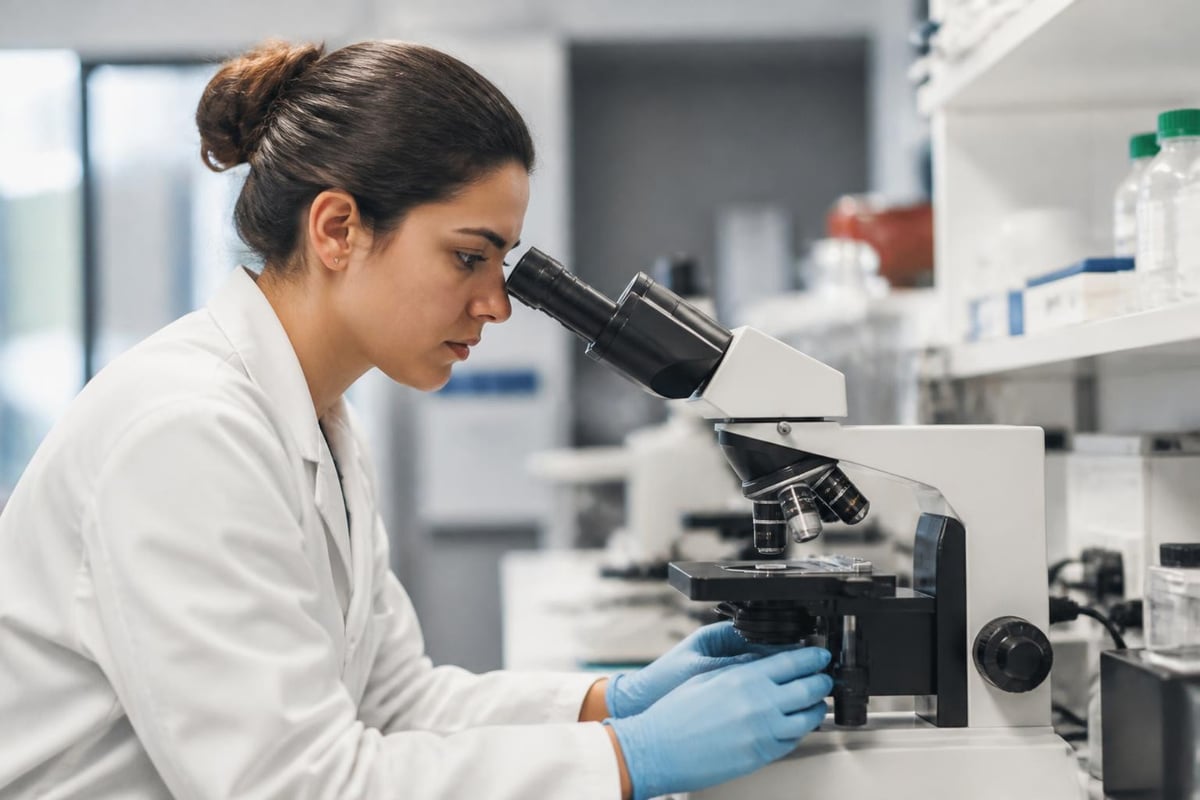
When cells become infected with viruses or undergo malignant transformation, they often downregulate MHC class I expression as an evasion strategy. This reduction removes the inhibitory signal, allowing NK cells to recognise these cells as abnormal. Simultaneously, stressed or transformed cells express stress-induced ligands that bind to activating receptors on NK cells, providing a positive signal for destruction.
Mechanisms of Cellular Destruction
Once NK cells identify a target, they employ multiple sophisticated mechanisms to eliminate the threat:
- Cytotoxic granule release: NK cells contain specialised granules filled with perforin and granzymes that create pores in target cell membranes and trigger programmed cell death
- Death receptor pathways: Surface molecules like FasL and TRAIL bind to receptors on target cells, initiating apoptosis
- Antibody-dependent cellular cytotoxicity (ADCC): NK cells recognise antibody-coated cells through CD16 receptors and destroy them
- Cytokine secretion: Production of interferon-gamma and tumour necrosis factor amplifies immune responses and coordinates with other immune cells
The National Cancer Institute provides detailed resources on how these mechanisms operate in both health and disease, highlighting their importance in cancer surveillance.
What Are Killer Cells in Different Clinical Contexts
The question of what are killer cells takes on different meanings depending on the clinical context, as multiple cell types exhibit cytotoxic capabilities within the immune system. Beyond NK cells, cytotoxic CD8+ T lymphocytes (CTLs) represent another crucial killer cell population, though they function through distinct mechanisms.
| Cell Type | Activation Requirement | Response Time | Primary Targets | Memory Formation |
|---|---|---|---|---|
| Natural Killer Cells | None (innate) | Immediate | Virus-infected, tumour, stressed cells | Limited |
| CD8+ T Cells | Antigen-specific | Days to weeks | Specific pathogen-infected cells | Yes |
| NKT Cells | Glycolipid antigens | Hours | Microbial antigens, tumours | Partial |
Recent research has illuminated the complementary roles these cytotoxic populations play, with NK cells providing rapid responses whilst adaptive killer cells develop targeted, long-lasting immunity. This collaboration ensures comprehensive protection against diverse threats.
Killer Cells in Autoimmune Conditions
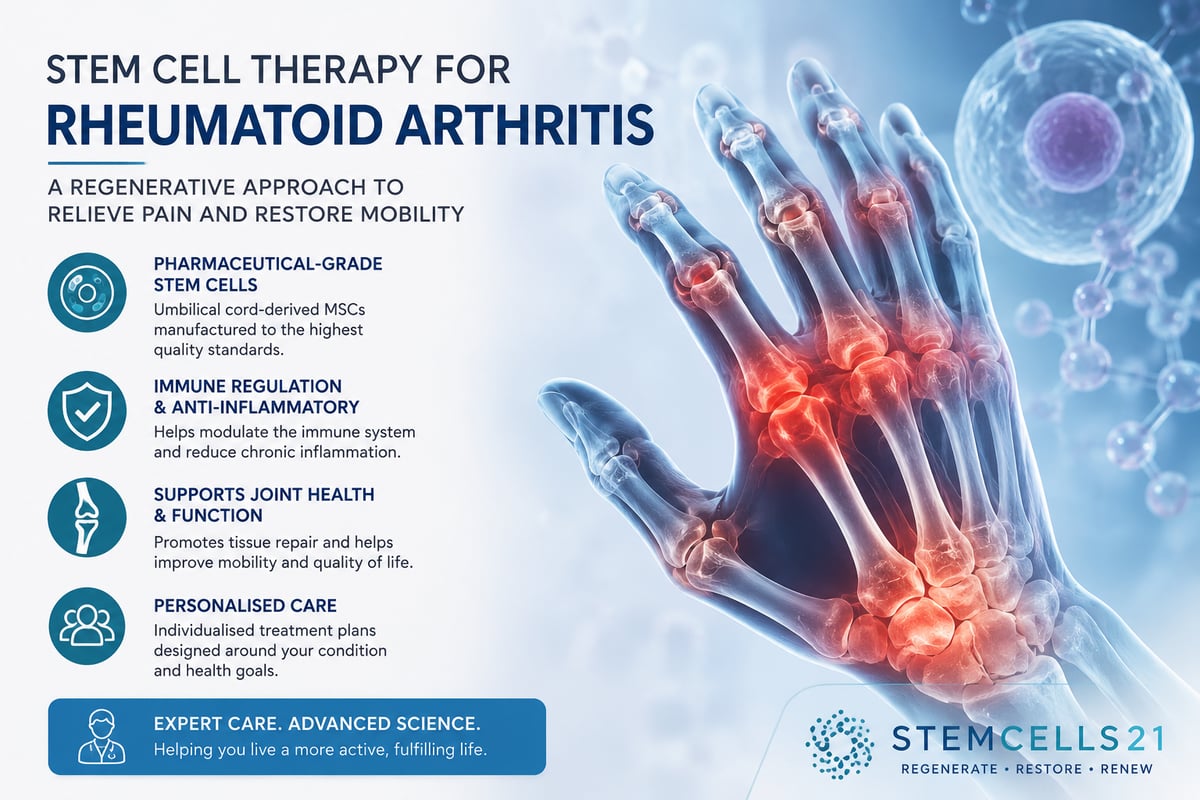
Understanding what are killer cells becomes particularly relevant when considering autoimmune diseases, where immune regulation becomes disrupted. In conditions such as rheumatoid arthritis, the balance between protective immunity and self-tolerance breaks down, leading to chronic inflammation and tissue damage.
NK cells can exhibit both protective and pathogenic roles in autoimmune contexts. Whilst they help eliminate activated immune cells and modulate inflammatory responses, dysregulated NK cell activity may contribute to disease progression. Modern regenerative approaches seek to restore appropriate immune balance through carefully calibrated interventions. Rheumatoid arthritis treatment using umbilical cord-derived mesenchymal stem cells aims to support immune regulation by modulating NK cell function and reducing inflammatory signalling pathways that drive joint destruction.
The Expanding Landscape of NK Cell Heterogeneity
Advanced research techniques have revealed that what are killer cells is a question with increasingly nuanced answers. NK cells are not a homogeneous population but comprise multiple functionally distinct subsets with specialised capabilities.
Traditional classifications divided NK cells into CD56bright and CD56dim populations based on surface marker expression. CD56bright cells predominantly produce cytokines and regulate immune responses, whilst CD56dim cells excel at direct cytotoxicity. However, single-cell transcriptomics and advanced profiling methods have identified numerous additional subsets with unique transcriptional programmes, tissue distributions, and functional specialisations.
Tissue-Resident and Circulating Populations
NK cells adapt to their local environments, developing tissue-specific characteristics:
- Liver-resident NK cells exhibit enhanced cytokine production and respond to local inflammatory signals
- Uterine NK cells specialise in supporting placental development during pregnancy rather than cytotoxicity
- Tumour-infiltrating NK cells face unique challenges within immunosuppressive microenvironments
- Lymph node NK cells coordinate with adaptive immune cells and shape T cell responses
This remarkable diversity enables NK cells to perform context-appropriate functions across different anatomical sites and physiological conditions. Understanding these distinctions proves essential for developing targeted therapeutic strategies that harness specific NK cell subsets.
Killer Cells in Cancer Immunotherapy
The therapeutic potential of NK cells has positioned them at the forefront of next-generation cancer treatments. When exploring what are killer cells from a clinical perspective, their anti-tumour capabilities emerge as particularly compelling. NK cells naturally recognise and eliminate cancer cells through their innate surveillance mechanisms, making them attractive candidates for cellular immunotherapy.
Extensive research on NK cells in tumour immunity has demonstrated their capacity to target malignant cells that evade conventional treatments. Unlike T cell-based therapies that require patient-specific engineering, NK cells can be derived from healthy donors and used as "off-the-shelf" products without causing graft-versus-host disease.

CAR-NK Cell Engineering
Chimeric antigen receptor (CAR) technology, initially developed for T cells, has been adapted to enhance NK cell targeting capabilities. CAR-NK cells combine the innate cytotoxic abilities of NK cells with engineered specificity for tumour-associated antigens.
The clinical development of CAR-NK therapies has progressed rapidly, with multiple early-phase trials demonstrating safety and preliminary efficacy. These engineered cells offer several advantages over CAR-T approaches, including lower cytokine release syndrome risk, reduced neurotoxicity, and the ability to manufacture universal donor products.
Current CAR-NK strategies focus on:
- Optimising cell sources: Peripheral blood, umbilical cord blood, induced pluripotent stem cells, and NK cell lines each offer distinct advantages
- Enhancing persistence: Engineering approaches to improve in vivo survival and proliferation
- Overcoming tumour resistance: Combining CAR targeting with approaches that counteract immunosuppressive microenvironments
- Improving manufacturing: Developing scalable, cost-effective production methods for clinical translation
Killer Cells Across Disease States
Beyond cancer, understanding what are killer cells illuminates their involvement in diverse pathological conditions. NK cell dysfunction or dysregulation contributes to various disease processes, whilst therapeutic modulation of NK cell activity offers potential benefits.
In chronic viral infections, persistent antigen exposure leads to NK cell exhaustion, characterised by reduced cytotoxic function and altered receptor expression. This exhaustion impairs viral clearance and contributes to disease progression. Similarly, in neurodegenerative conditions, NK cells may infiltrate affected tissues and contribute to inflammatory processes that exacerbate neuronal damage.
NK Cells in Regenerative Medicine
The intersection of NK cells with regenerative medicine represents an emerging frontier. Mesenchymal stem cells (MSCs), widely used in regenerative therapies for various conditions, exert potent immunomodulatory effects that include NK cell regulation.
MSCs interact with NK cells through multiple mechanisms:
| Mechanism | Effect on NK Cells | Therapeutic Implication |
|---|---|---|
| Soluble factor secretion | Suppressed cytotoxicity, altered cytokine production | Reduced inflammation in autoimmune conditions |
| Cell-cell contact | Modified activation state | Enhanced tissue protection |
| Indoleamine 2,3-dioxygenase | Decreased proliferation | Immune tolerance promotion |
| Prostaglandin E2 production | Inhibited IFN-γ secretion | Inflammation resolution |
These interactions enable MSCs to modulate excessive NK cell activity in inflammatory conditions whilst potentially enhancing beneficial NK cell functions in contexts such as tumour surveillance. The relationship between stem cells and immune regulation continues to reveal new therapeutic possibilities.
Challenges in Harnessing Killer Cells Therapeutically
Despite their immense potential, several obstacles must be overcome to fully realise NK cell-based therapies. The tumour microenvironment presents formidable barriers to NK cell function, including immunosuppressive factors, metabolic stress, and physical barriers that limit infiltration.
Practical challenges in CAR-NK development include optimising genetic modification approaches, ensuring sufficient in vivo expansion, and maintaining functional persistence. Manufacturing scalability remains a critical consideration, as producing sufficient therapeutic doses for widespread clinical use requires sophisticated bioprocessing capabilities.
Strategies to Enhance Therapeutic Efficacy
Researchers are pursuing multiple complementary approaches to maximise killer cell therapeutic potential:
- Combination therapies: Pairing NK cell infusions with checkpoint inhibitors, targeted antibodies, or oncolytic viruses
- Metabolic reprogramming: Enhancing NK cell energy production and nutrient utilisation within hostile tumour environments
- Cytokine support: Administering IL-2, IL-15, or IL-21 to promote NK cell activation and persistence
- Targeted delivery: Engineering homing receptors to improve tumour infiltration
- Memory-like NK cells: Priming NK cells with specific cytokine combinations to generate enhanced, long-lived responses
These strategies reflect the evolving sophistication of approaches to harness what are killer cells for therapeutic benefit.
Killer Cells in Haematologic Malignancies
Blood cancers present unique opportunities for NK cell-based interventions. The accessibility of malignant cells in circulation and bone marrow facilitates direct NK cell contact, whilst the established success of allogeneic haematopoietic stem cell transplantation provides a framework for cellular therapy delivery.
Targeting NK cells in haematologic malignancies has yielded encouraging clinical results, particularly in acute myeloid leukaemia and certain lymphomas. The graft-versus-leukaemia effect following transplantation depends partly on donor NK cells recognising and eliminating residual malignant cells.
Specific strategies for blood cancers include:
- KIR-mismatch transplantation: Selecting donors whose NK cells lack inhibitory receptors for patient MHC molecules
- NK cell expansion and infusion: Ex vivo activation and multiplication of NK cells before reinfusion
- Antibody enhancement: Using therapeutic antibodies that trigger ADCC responses
- Cytokine-induced memory-like NK cells: Generating NK cells with enhanced function through brief cytokine exposure
Future Directions in Killer Cell Research
The field continues to evolve rapidly, with emerging technologies opening new investigational avenues. Single-cell multiomics approaches are revealing unprecedented detail about NK cell states, developmental trajectories, and functional plasticity. These insights enable increasingly precise therapeutic targeting and biomarker development.
Artificial intelligence and machine learning algorithms now assist in predicting NK cell responses, optimising CAR designs, and identifying patient populations most likely to benefit from specific interventions. Spatial transcriptomics technologies map NK cell locations and interactions within intact tissues, illuminating how cellular context influences function.
Advanced genome editing tools beyond traditional CAR engineering enable multiplex modifications that simultaneously enhance cytotoxicity, improve persistence, overcome inhibitory signals, and incorporate safety switches. These "armoured" NK cells represent the next generation of cellular therapeutics.
Personalised NK Cell Approaches
Precision medicine principles are being applied to NK cell therapies through:
- Genetic profiling: Identifying KIR and HLA genotypes to predict treatment responses
- Functional assays: Testing patient NK cell capabilities to guide therapeutic decisions
- Biomarker development: Discovering signatures that correlate with clinical outcomes
- Adaptive protocols: Adjusting treatment parameters based on real-time monitoring
These personalised approaches acknowledge that what are killer cells functionally depends significantly on individual genetic backgrounds, disease states, and prior treatments.
Regulatory and Manufacturing Considerations
As NK cell therapies advance towards widespread clinical adoption, regulatory frameworks must balance innovation with safety. Standardised manufacturing protocols, rigorous quality control measures, and comprehensive safety monitoring systems are essential for successful translation.
Good Manufacturing Practice (GMP) facilities capable of producing clinical-grade NK cell products require substantial infrastructure investment. Automated cell processing systems, real-time quality monitoring, and validated release criteria ensure consistent product characteristics across manufacturing batches.
Cryopreservation technologies enable off-the-shelf availability, allowing products to be manufactured centrally and distributed to treatment centres globally. This approach contrasts with autologous therapies that require individualised production, significantly reducing costs and improving accessibility.
Understanding what are killer cells reveals the sophisticated mechanisms our immune systems employ to maintain health and combat disease. From their role in natural immunity through to cutting-edge cellular therapies, these remarkable lymphocytes continue to offer hope for treating conditions previously considered intractable. At StemCells21, we integrate advanced understanding of immune function with regenerative medicine approaches, offering personalised treatment programmes that harness the body's natural healing capabilities. Our Bangkok facility combines pharmaceutical-grade cellular therapies with comprehensive medical expertise to help patients address degenerative diseases, autoimmune conditions, and age-related decline through evidence-based regenerative protocols.