
Mesenchymal stem cells represent one of the most promising advances in regenerative medicine, yet many patients remain uncertain about what these cells are and how they function. Understanding what is mesenchymal stem cell biology helps patients make informed decisions about cutting-edge therapies for degenerative diseases, autoimmune conditions, and age-related decline. These remarkable cells possess unique properties that distinguish them from other cell types, offering therapeutic potential across multiple medical disciplines.
Defining Mesenchymal Stem Cells
Mesenchymal stem cells (MSCs) are multipotent stromal cells capable of differentiating into various cell types whilst maintaining critical immunomodulatory functions. The National Cancer Institute defines mesenchymal stem cells as cells that can develop into bone, cartilage, muscle, fat, and other connective tissues. What is mesenchymal stem cell research revealing is that these cells do far more than simply replace damaged tissue-they orchestrate complex biological responses that promote healing.
Biological Characteristics
MSCs exhibit three fundamental properties that define their therapeutic value:
- Plastic adherence: MSCs attach to culture surfaces under standard conditions, enabling laboratory expansion
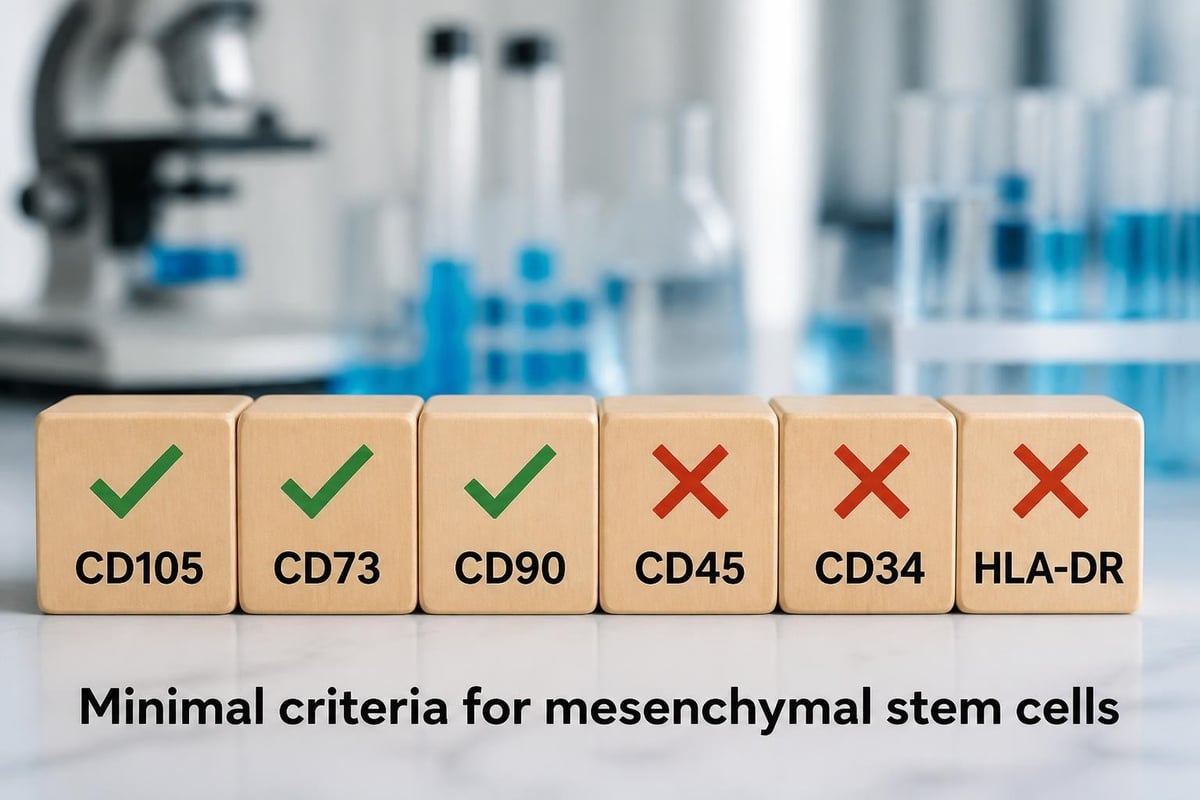
- Specific surface markers: They express CD105, CD73, and CD90 whilst lacking CD45, CD34, and HLA-DR markers
- Tri-lineage differentiation: MSCs can become osteoblasts (bone), adipocytes (fat), and chondroblasts (cartilage)
The International Society for Cell & Gene Therapy established these minimal criteria to standardize what is mesenchymal stem cell classification across research and clinical applications. These standards ensure consistency in cell identification and quality control.
Sources and Origins of Mesenchymal Stem Cells
Understanding what is mesenchymal stem cell sourcing requires examining where these cells originate and how tissue source influences their properties.
Primary Tissue Sources
| Tissue Source | Advantages | Clinical Considerations |
|---|---|---|
| Bone marrow | Well-studied, established protocols | Invasive collection, age-dependent decline |
| Adipose tissue | Abundant, minimally invasive harvest | Variable cell yield, differentiation capacity |
| Umbilical cord | Young cells, non-invasive collection | Requires donor consent, allogeneic use |
| Dental pulp | Accessible, neural differentiation potential | Limited quantity, specialized applications |
Umbilical cord-derived MSCs (UC-MSCs) have emerged as a preferred source for clinical applications. These cells are harvested from donated umbilical cord tissue following healthy births with informed maternal consent, offering young, highly proliferative cells with robust therapeutic properties.
Allogeneic Versus Autologous Approaches
What is mesenchymal stem cell therapy methodology involves choosing between the patient's own cells (autologous) or donor cells (allogeneic). Autologous treatments use cells harvested from the patient's bone marrow or adipose tissue, whilst allogeneic therapies employ donor-derived cells from sources such as umbilical cord tissue.
Allogeneic UC-MSCs offer several practical advantages. The cells are pre-screened, quality-tested, and immediately available, eliminating the need for invasive harvesting procedures. Because MSCs possess immunomodulatory properties and low immunogenicity, they can be used across HLA barriers without triggering rejection in most recipients.
At StemCells21, pharmaceutical-grade UC-MSCs undergo rigorous safety and quality testing before clinical use, ensuring consistent therapeutic potential across patient populations.
Mechanisms of Action: How MSCs Work
What is mesenchymal stem cell therapeutic action reveals mechanisms far more sophisticated than simple tissue replacement.
Immunomodulation
MSCs interact with virtually every immune cell type, modulating inflammatory responses through direct contact and secreted factors. They suppress overactive immune responses whilst promoting regulatory T-cell populations that maintain immune balance.
Recent research published in Cellular & Molecular Immunology demonstrates that MSCs sense inflammatory environments and respond by releasing anti-inflammatory cytokines, growth factors, and extracellular vesicles that reprogram immune cells toward healing phenotypes.
Paracrine Effects and Secretome
Rather than engrafting permanently, MSCs primarily function through their secretome-the collection of bioactive molecules they release. This paracrine signaling includes:
- Growth factors: VEGF, IGF-1, HGF promoting tissue repair and angiogenesis
- Anti-inflammatory cytokines: IL-10, TGF-β reducing inflammation
- Chemokines: Recruiting endogenous repair cells to injury sites
- Extracellular vesicles: Delivering therapeutic cargo including microRNAs and proteins
The MISEV2023 guidelines provide standardized methods for characterizing MSC-derived extracellular vesicles, which are increasingly recognized as key mediators of therapeutic effects.
Tissue Repair and Regeneration
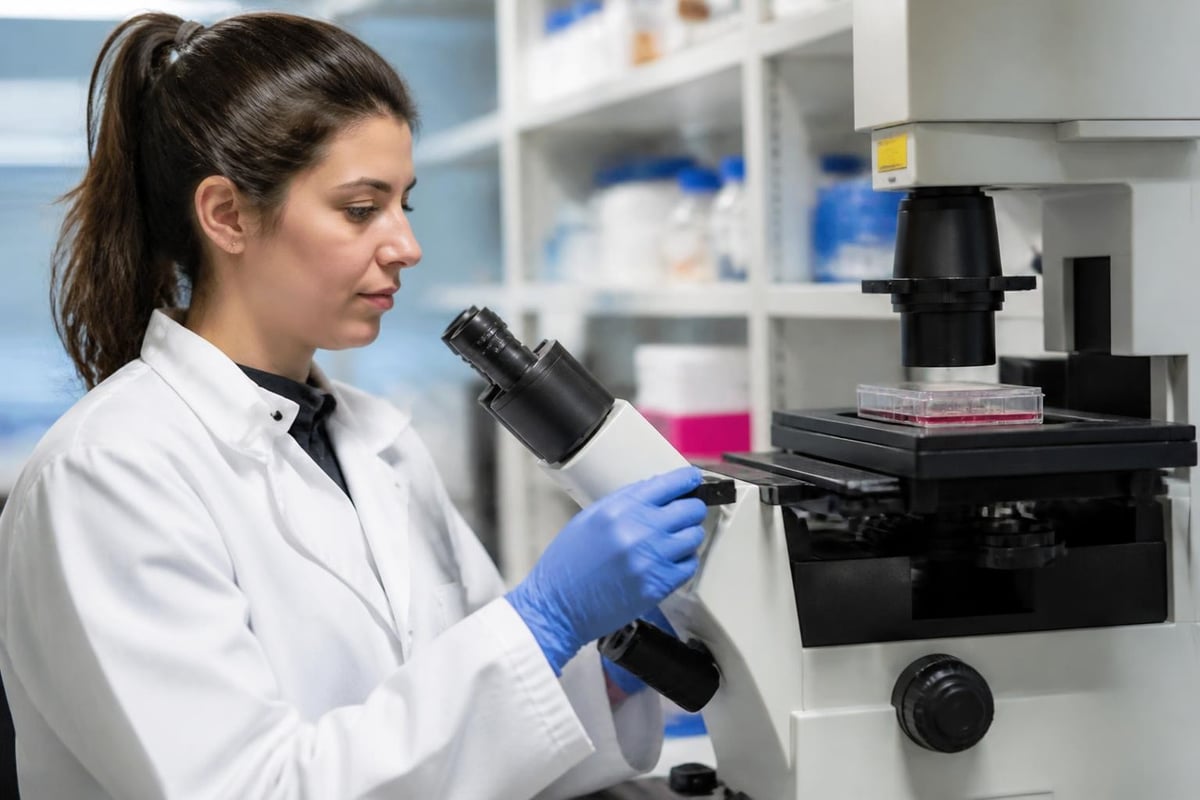
What is mesenchymal stem cell regenerative capacity encompasses multiple coordinated actions. MSCs migrate to injury sites following chemotactic signals, where they modulate the local microenvironment to support healing. They stimulate angiogenesis, reduce apoptosis of stressed cells, and activate resident stem cell populations.
Importantly, MSCs adapt their behaviour based on local signals. In inflammatory environments, they prioritize immunomodulation. In tissue damage, they enhance repair mechanisms. This context-dependent plasticity makes them remarkably versatile therapeutic tools.
Clinical Applications and Therapeutic Uses
Understanding what is mesenchymal stem cell treatment potential requires examining evidence across medical specialties.
Orthopaedic and Musculoskeletal Conditions
MSC therapy has shown particular promise for degenerative joint diseases. A comprehensive 2026 review examining MSCs in knee osteoarthritis highlighted their ability to reduce pain, improve joint function, and potentially slow cartilage degradation through anti-inflammatory and trophic effects.
Applications include:
- Osteoarthritis: Reducing inflammation, supporting cartilage health, improving mobility
- Spine degeneration: Addressing disc degeneration, reducing chronic back pain
- Sports injuries: Accelerating recovery from tendon, ligament, and muscle damage
- Bone healing: Supporting fracture repair and addressing non-union conditions
Autoimmune and Inflammatory Diseases
What is mesenchymal stem cell immunotherapy revealing is significant potential for conditions where immune dysregulation drives pathology. MSCs' ability to modulate immune responses makes them candidates for rheumatoid arthritis, multiple sclerosis, inflammatory bowel disease, and systemic lupus erythematosus.
The therapy aims to restore immune balance, reduce systemic inflammation, and slow disease progression whilst preserving normal immune function. Personalized programmes assess each patient's immune profile to optimize treatment protocols.
Neurological Conditions
MSCs cross the blood-brain barrier and respond to neuroinflammatory signals, making them applicable to neurological disorders. Research explores their use in stroke recovery, traumatic brain injury, neurodegenerative diseases, and autism spectrum disorder.
Therapeutic mechanisms include reducing neuroinflammation, promoting neuroprotection, stimulating endogenous neural stem cells, and supporting angiogenesis in neural tissue. Whilst mechanisms are still being elucidated, early clinical data suggest functional improvements in select patient populations.
Pulmonary and Respiratory Conditions
MSCs demonstrate therapeutic potential for chronic obstructive pulmonary disease (COPD), pulmonary fibrosis, and acute respiratory distress syndrome. Their anti-inflammatory and anti-fibrotic properties may help preserve lung function and reduce exacerbation frequency.
Quality Standards and Safety Considerations
What is mesenchymal stem cell quality assurance in clinical settings demands rigorous manufacturing and testing protocols.
Manufacturing Standards
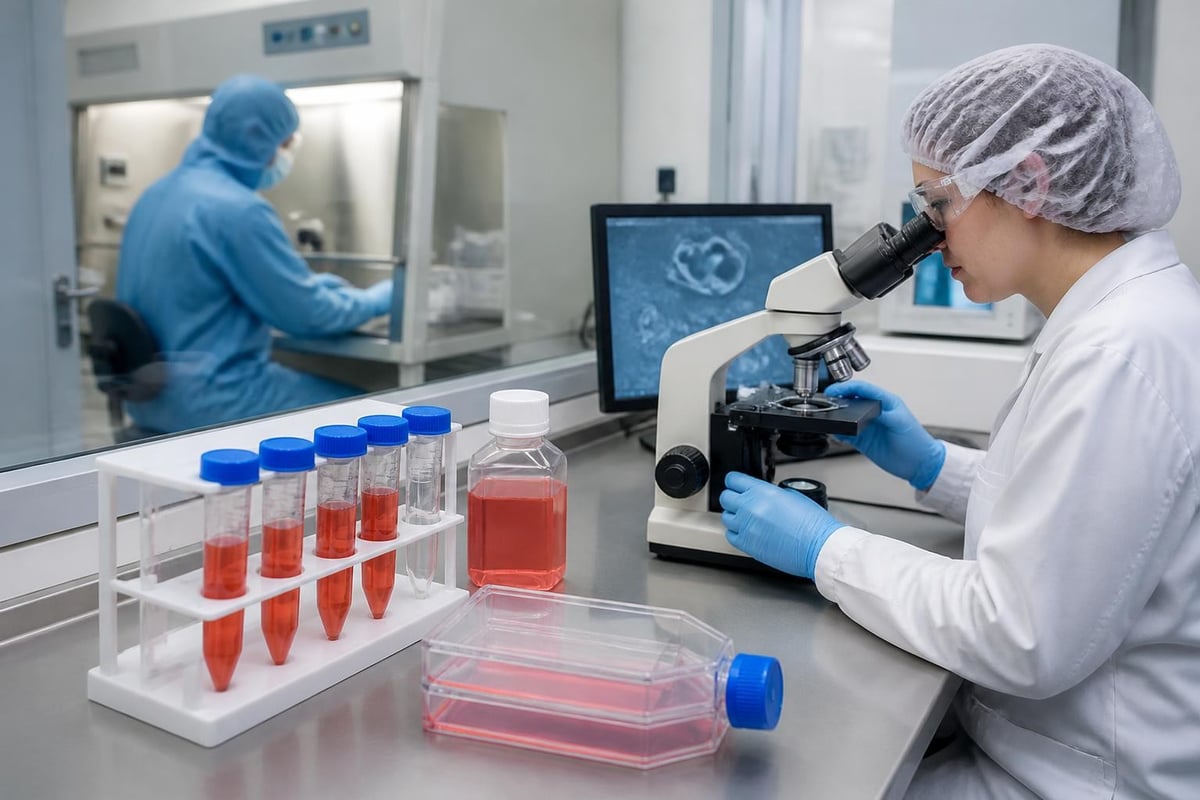
Pharmaceutical-grade MSC production requires controlled environments meeting Good Manufacturing Practice (GMP) standards. Critical parameters include:
| Quality Parameter | Specification Purpose |
|---|---|
| Cell viability | Ensures therapeutic cells are alive and functional |
| Sterility testing | Confirms absence of bacterial, fungal, viral contamination |
| Endotoxin levels | Prevents inflammatory reactions from bacterial toxins |
| Identity markers | Verifies MSC phenotype through flow cytometry |
| Potency assays | Demonstrates immunomodulatory and differentiation capacity |
Comprehensive quality testing occurs at multiple manufacturing stages, from donor screening through final product release. These protocols ensure consistent safety profiles and therapeutic potential.
Safety Profile
NIH stem cell guidance emphasizes that whilst MSCs have demonstrated favourable safety in numerous clinical trials, appropriate medical oversight remains essential. Reported adverse events are typically mild and transient, including temporary fever, injection site reactions, or fatigue.
Serious complications remain rare when treatments follow established protocols, use quality-tested cells, and occur under qualified medical supervision. Long-term follow-up studies continue monitoring patient outcomes to refine safety understanding.
Current Research and Future Directions
What is mesenchymal stem cell research revealing about future applications continues expanding as scientific understanding deepens.
Clinical Trial Landscape
A recent comprehensive analysis documented thousands of registered MSC clinical trials worldwide, investigating applications from cardiovascular disease to graft-versus-host disease. The trial landscape demonstrates growing confidence in MSC safety whilst revealing heterogeneity in protocols, dosing, and outcome measures that complicate direct comparisons.
Key research priorities include:
- Optimal dosing: Determining ideal cell numbers and administration frequencies
- Potency prediction: Identifying biomarkers that predict therapeutic response
- Combination approaches: Integrating MSCs with other therapies for synergistic effects
- Cell engineering: Enhancing MSC properties through genetic or preconditioning strategies
Engineering Enhanced MSCs
Researchers are exploring methods to amplify what is mesenchymal stem cell therapeutic capacity. Approaches include genetic modification to overexpress specific growth factors, preconditioning cells with hypoxia or inflammatory cytokines to enhance their responsiveness, and combining MSCs with biomaterials that provide sustained delivery.
Three-dimensional culture systems and bioreactor technologies aim to produce MSCs with enhanced properties whilst maintaining safety profiles. These advances may enable more targeted, potent therapies for complex conditions.
Extracellular Vesicle Therapeutics
Since MSCs work primarily through secreted factors, researchers are investigating MSC-derived extracellular vesicles as cell-free alternatives. These vesicles contain therapeutic proteins, lipids, and nucleic acids that mediate many MSC effects without requiring viable cell administration.
A comprehensive 2024 review highlighted extracellular vesicles as potentially offering improved storage, reduced immunogenicity, and more precise dosing compared to cellular products. However, standardizing vesicle isolation, characterization, and potency assessment remains an active research area.
Personalized Treatment Approaches
Understanding what is mesenchymal stem cell therapy in practice requires recognizing that effective treatment involves comprehensive patient assessment and individualized protocols.
Patient Evaluation
Before initiating MSC therapy, thorough medical evaluation establishes baseline health status, identifies contraindications, and sets realistic expectations. Assessment typically includes:
- Complete medical history and physical examination
- Laboratory testing to assess organ function and inflammatory markers
- Imaging studies relevant to the condition being treated
- Discussion of treatment goals, potential benefits, and limitations
This evaluation ensures patients are appropriate candidates whilst identifying factors that may influence therapeutic response.
Treatment Protocols
What is mesenchymal stem cell administration methodology varies based on the condition being addressed. Delivery routes include intravenous infusion for systemic effects, intra-articular injection for joint conditions, intrathecal administration for neurological applications, or direct tissue injection for localized pathology.
Programmes addressing chronic degenerative diseases or autoimmune conditions frequently employ multiple administrations over defined periods. For patients seeking to maintain vitality and address age-related decline, Longevity Treatment programmes combine pharmaceutical-grade UC-MSCs with comprehensive health assessments to support healthy ageing, resilience, and sustained wellness.
Monitoring and Follow-Up
Responsible MSC therapy includes systematic outcome tracking through patient-reported measures, objective functional assessments, and relevant biomarker or imaging studies. This monitoring informs treatment adjustments and builds evidence for long-term efficacy and safety.
Distinguishing MSCs from Other Stem Cell Types
What is mesenchymal stem cell classification requires understanding how MSCs differ from other stem cell populations.
Comparison with Embryonic and Induced Pluripotent Stem Cells
Embryonic stem cells (ESCs) and induced pluripotent stem cells (iPSCs) are pluripotent, meaning they can theoretically become any cell type in the body. MSCs are multipotent, with more limited differentiation potential restricted primarily to mesodermal lineages.
This distinction has important clinical implications. Pluripotent cells carry theoretical tumourigenicity risks if undifferentiated cells remain after directed differentiation. MSCs demonstrate minimal tumour formation risk in clinical experience, contributing to their favourable safety profile.
Comparison with Haematopoietic Stem Cells
Haematopoietic stem cells (HSCs) reside in bone marrow and generate all blood cell types. They are used in bone marrow transplantation for blood cancers and genetic blood disorders. MSCs, conversely, support connective tissue formation and immune modulation.
Interestingly, MSCs and HSCs coexist in bone marrow, where MSCs help maintain the haematopoietic stem cell niche. This supportive role highlights MSCs' broader function in tissue homeostasis beyond their differentiation capacity.
Tissue-Specific Stem Cells
Many tissues contain resident stem cell populations that maintain and repair that specific tissue. Neural stem cells, for example, generate neurons and glial cells in the brain. MSCs are found across multiple tissues and exhibit broader immunomodulatory functions beyond tissue-specific maintenance.
Regulatory Landscape and Approved Therapies
What is mesenchymal stem cell regulatory status varies globally, with different jurisdictions taking distinct approaches to oversight and approval.
Approved MSC Products
Several MSC products have gained regulatory approval in various countries. These include treatments for graft-versus-host disease in paediatric patients, Crohn's disease fistulas, and cartilage defects. Each approval resulted from rigorous clinical trial programmes demonstrating safety and efficacy for specific indications.
Many MSC applications remain investigational, available through clinical trials or in jurisdictions with frameworks for innovative therapies. Patients considering treatment should understand the regulatory status of their specific therapy and ensure treatment occurs within appropriate medical and legal frameworks.
Choosing Qualified Providers
Responsible MSC therapy requires qualified medical professionals, pharmaceutical-grade cell products, comprehensive patient evaluation, and transparent communication about evidence, limitations, and realistic expectations. Patients should verify provider credentials, manufacturing standards, and published outcomes data.
The StemCells21 facility in Bangkok exemplifies these standards, combining advanced regenerative medicine protocols with rigorous quality systems and experienced medical oversight. Their approach prioritizes patient safety whilst offering access to innovative therapies supported by emerging evidence.
Challenges and Limitations
Understanding what is mesenchymal stem cell therapy honestly requires acknowledging current limitations and ongoing challenges.
Variability in Clinical Outcomes
Clinical trial results for MSCs show heterogeneity, with some studies reporting significant benefits whilst others show modest or inconsistent effects. This variability likely reflects differences in cell sources, manufacturing processes, patient populations, administration protocols, and outcome measures.
Factors influencing therapeutic response include:
- Cell quality and potency: Manufacturing processes affect MSC properties
- Dosing parameters: Optimal cell numbers and treatment frequencies remain undefined for many conditions
- Patient characteristics: Age, disease severity, and comorbidities influence response
- Administration route and timing: Delivery method and disease stage impact efficacy
Mechanism Complexity
Whilst understanding of what is mesenchymal stem cell action has advanced substantially, complete mechanistic clarity remains elusive. MSCs release hundreds of bioactive molecules, interact with numerous cell types, and respond dynamically to their environment. This complexity makes predicting individual patient responses challenging.
Cost and Access Considerations
Advanced MSC therapies involve sophisticated manufacturing, quality testing, and medical expertise, resulting in significant costs. Insurance coverage varies, and many patients must self-fund treatment. Expanding access whilst maintaining quality and safety standards represents an ongoing challenge for the regenerative medicine field.
Mesenchymal stem cells represent a remarkable therapeutic tool with unique immunomodulatory and regenerative properties that extend far beyond simple tissue replacement. Understanding what is mesenchymal stem cell biology, quality standards, and clinical applications empowers patients to make informed decisions about innovative treatments for degenerative diseases, autoimmune conditions, and age-related decline. If you're considering regenerative medicine options, StemCells21 offers personalized therapy programmes using pharmaceutical-grade UC-MSCs within a state-of-the-art Bangkok facility, combining cutting-edge science with comprehensive medical care to support your health and wellness goals.